
The suspended cube
A dialogue between the 18th century and new concrete.
User:Mahlum — Public domain · Jörg Blobelt — CC BY-SA 4.0 · Jörg Blobelt — CC BY-SA 4.0 · Jörg Blobelt — CC BY-SA 4.0
The Blockhaus is an eighteenth-century baroque guardhouse at the northern end of the Augustus Bridge, which stood for decades as an empty shell after the war. In 2024 one of the boldest museum architecture projects in modern Germany opened inside it. The solution by the Spanish practice Nieto Sobejano is simple to describe and startling to see: an enormous concrete cube suspended inside the historic facade, touching none of its walls, containing the galleries and stores. You enter an eighteenth-century building and find yourself before a contemporary mass floating in its void — and the dialogue between the two is the first exhibit. The contents deserve the vessel: the Archive of the Avant-Gardes is the collection of Egidio Marzona, given to the Dresden State Art Collections in 2016, holding some one and a half million documents on twentieth-century avant-garde movements — Futurism, Dada, Bauhaus, Fluxus and conceptual art: letters, plans, manifestos, models and artists' books. Exhibitions rotate because the archive is far too large to show at once.
A dialogue between the 18th century and new concrete.
Letters, plans, manifestos and artists' books.
Neustädter Markt 1, 01097 Dresden
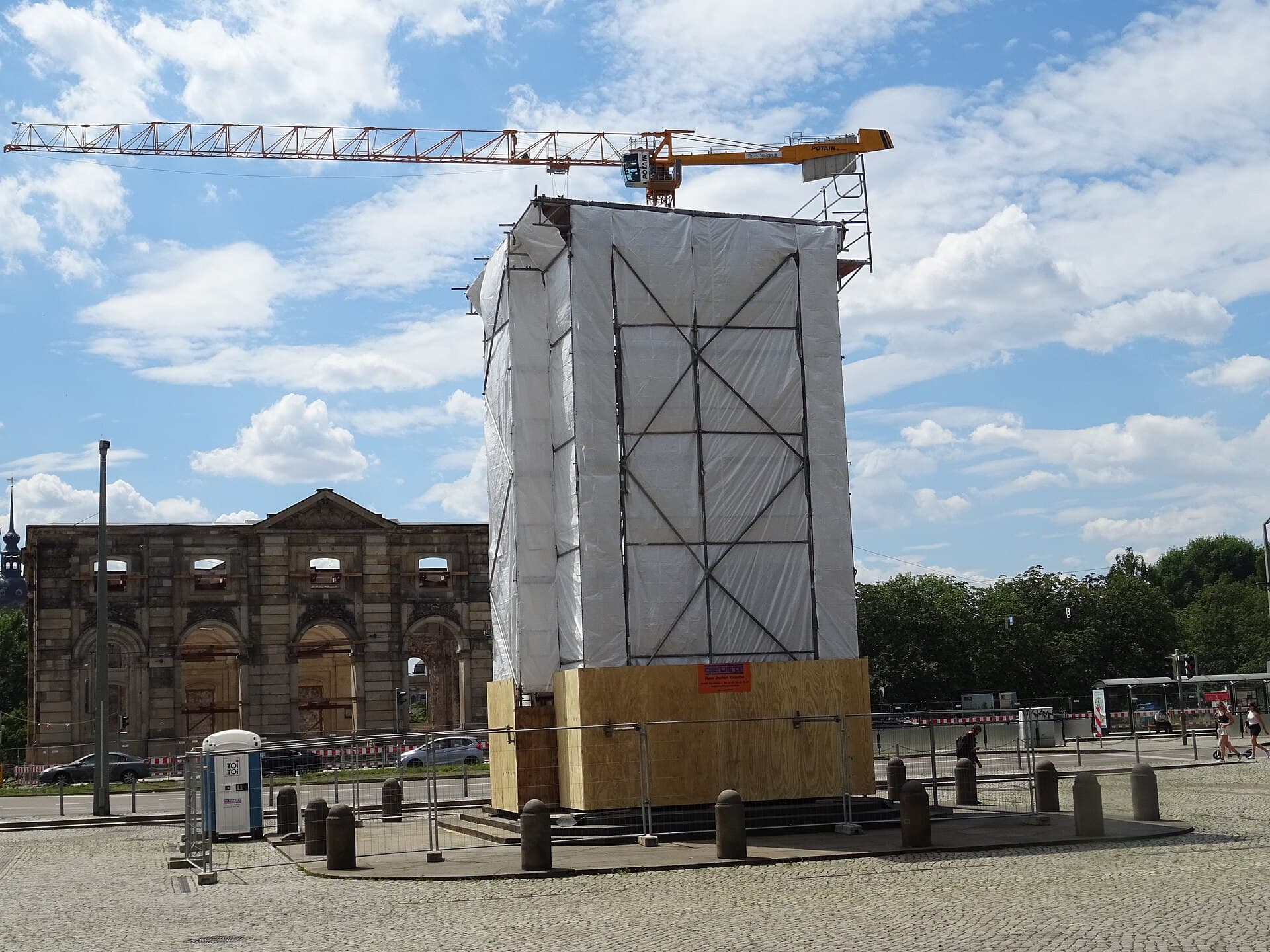 Golden RiderThe Golden Rider is a gilded equestrian statue of Augustus the Strong, ruler of 1 minute walk4.5
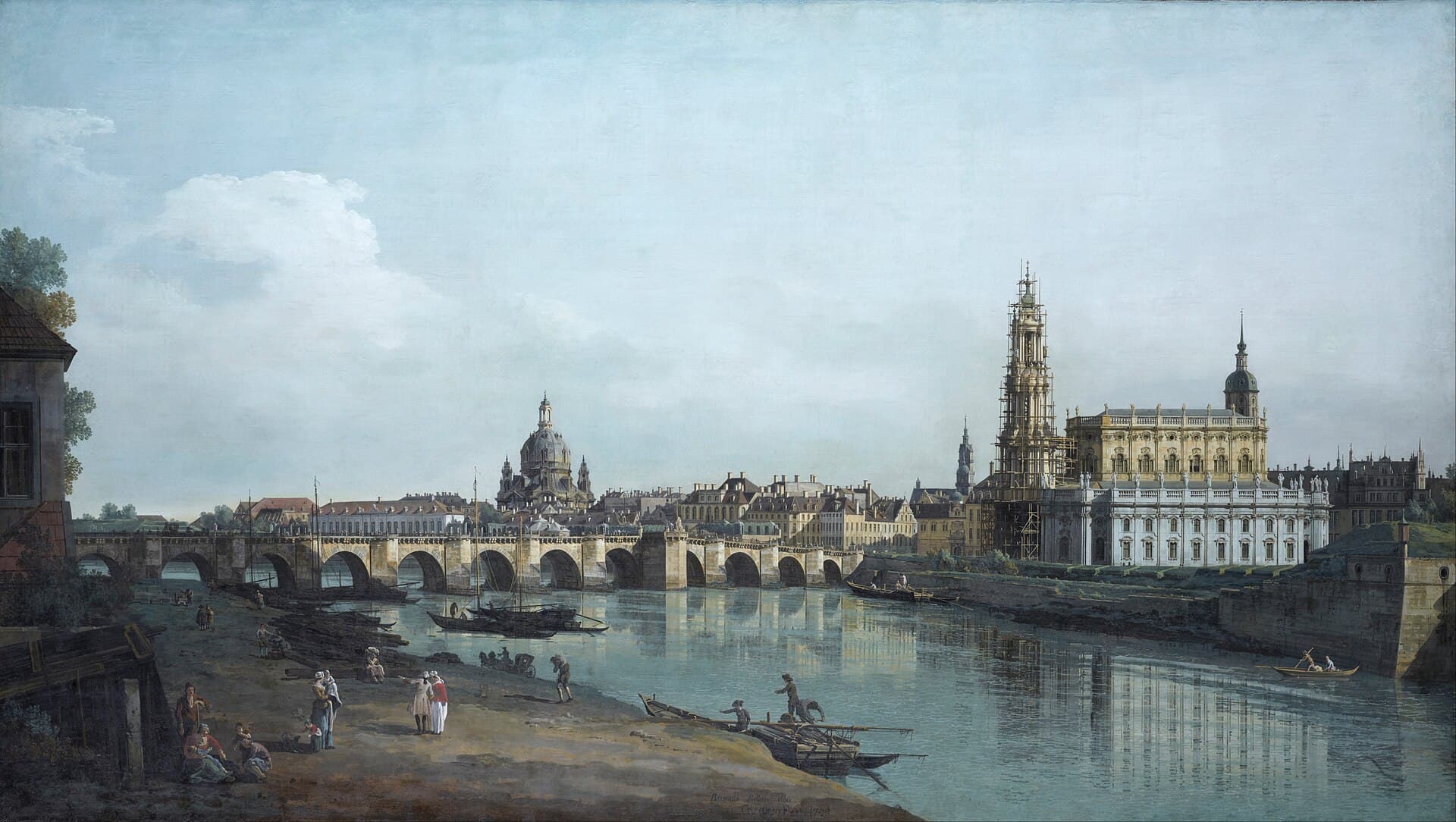 Canaletto ViewThe Canaletto View is not a building but an angle. You stand on the north bank o2 minutes walk4.7
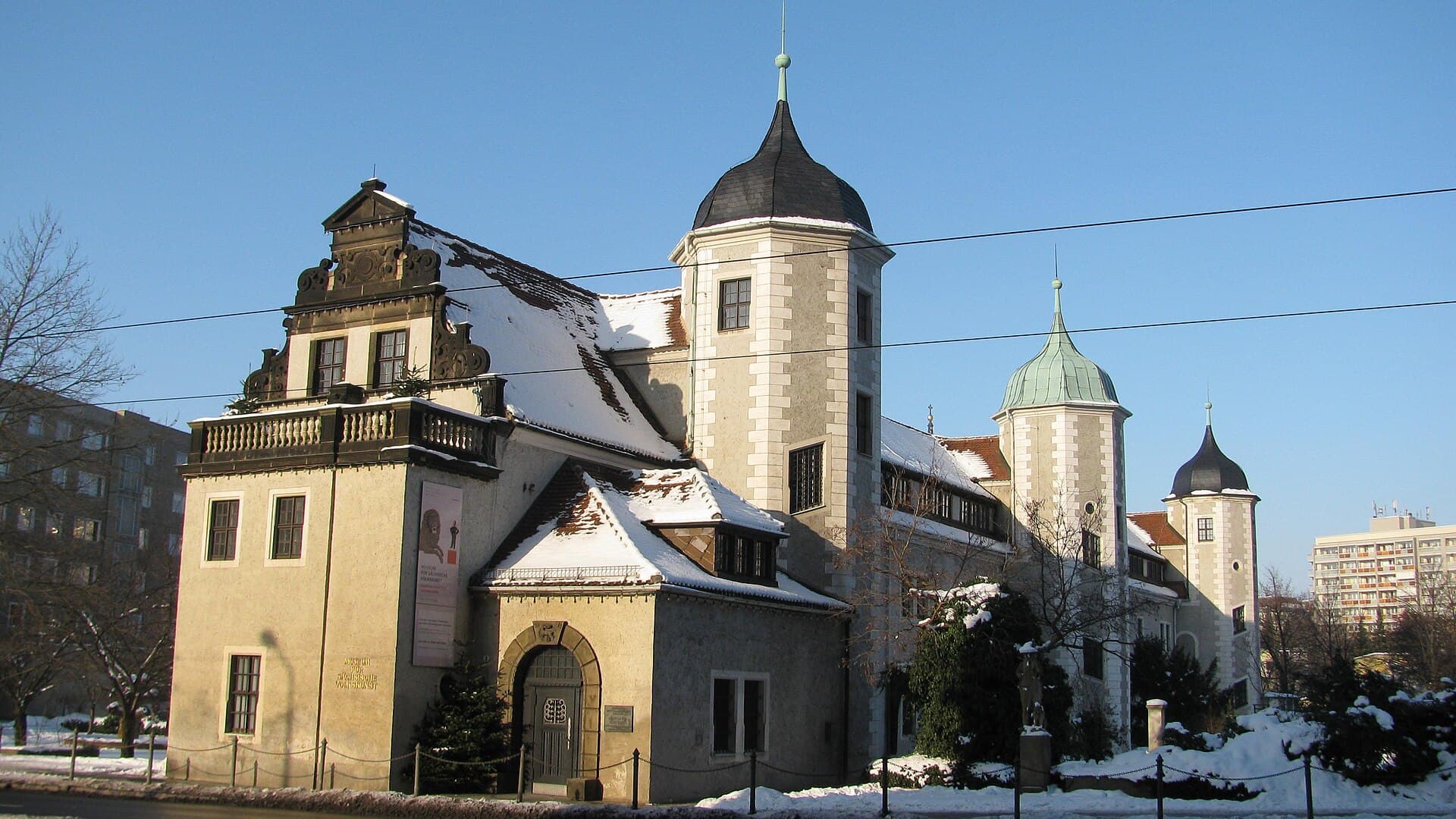 Museum of Saxon Folk ArtThe museum occupies the Jaegerhof, a princely hunting lodge begun in fifteen six3 minutes walk4.5
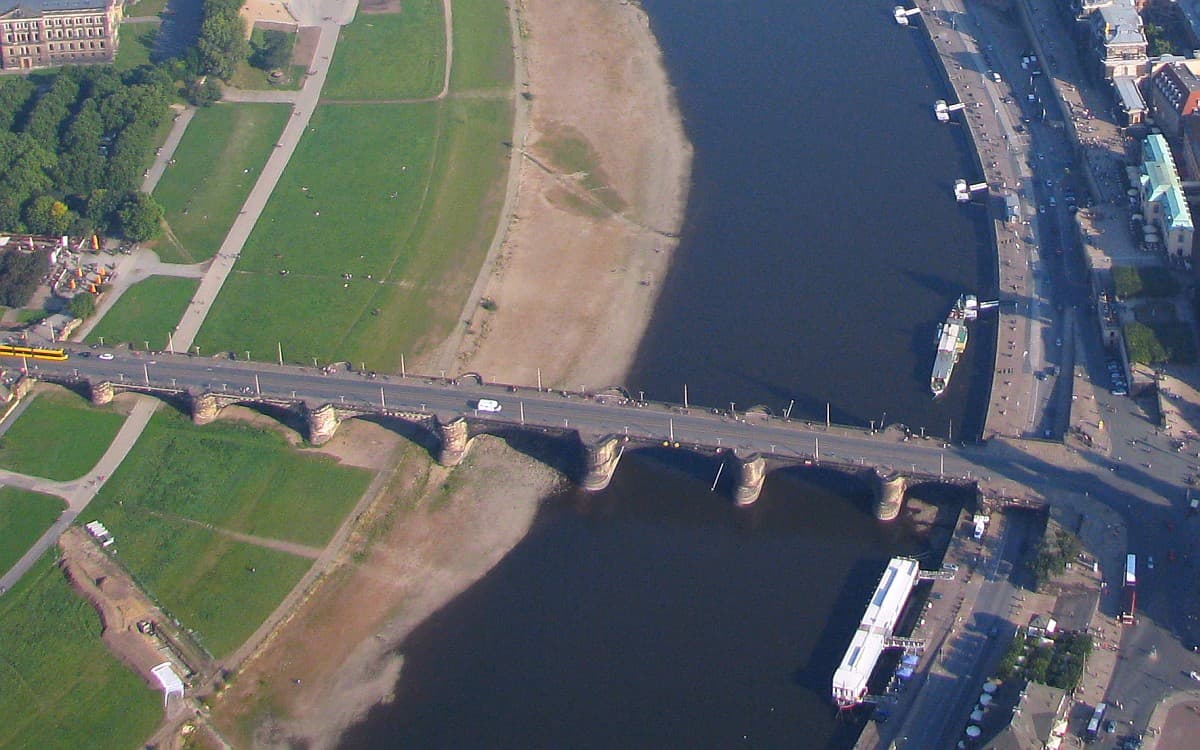 Augustus BridgeThe Augustusbrücke is Dresden's oldest bridge, linking the old town with the Neu3 minutes walk4.5
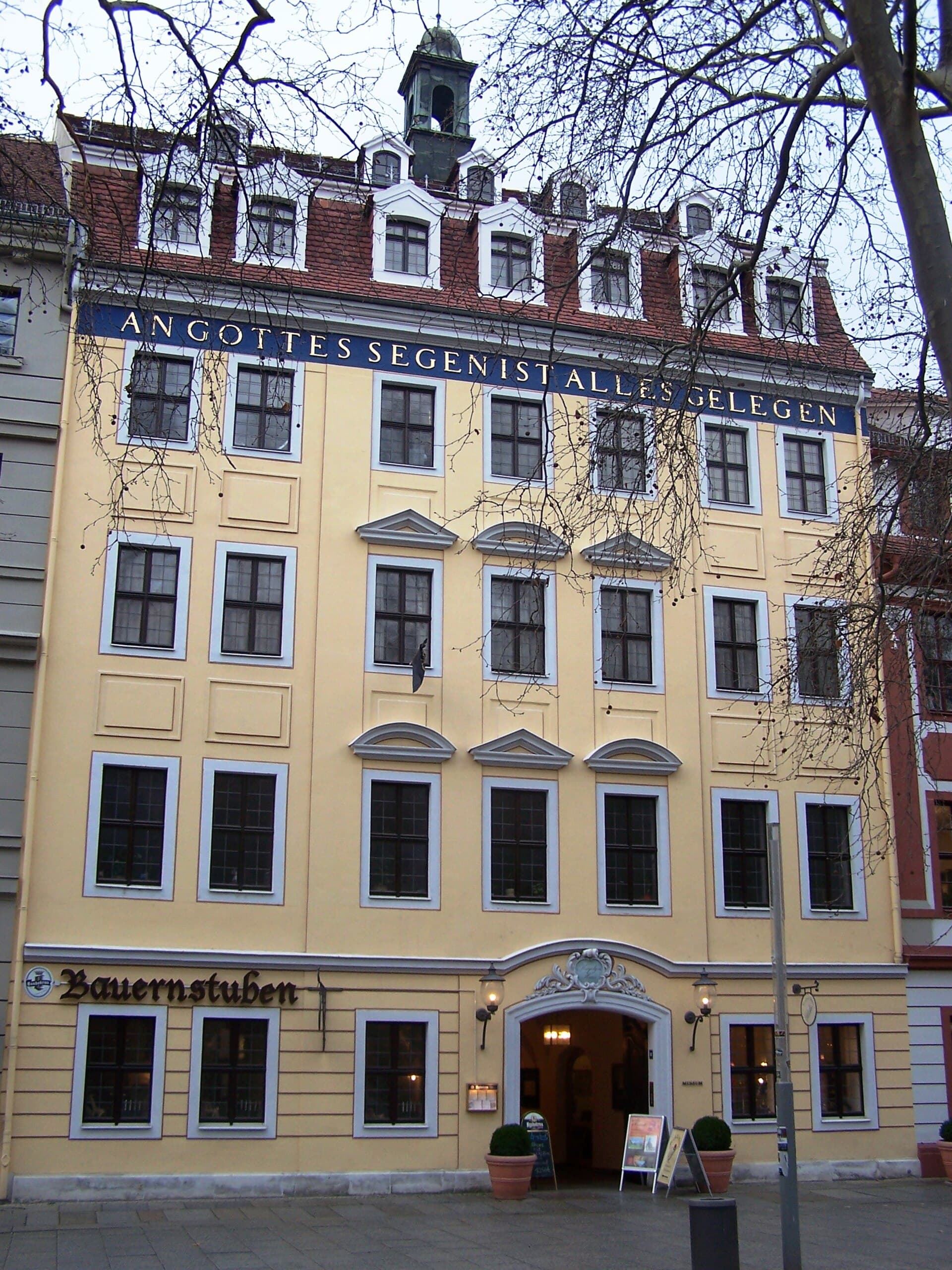 Museum of Dresden RomanticismThe Kügelgenhaus is a baroque merchant's house on the main street of the Neustad4 minutes walk4.5
Yes, for two reasons: the building itself is an architectural experience you grasp without art background, and the exhibitions are usually built around an explained theme rather than raw document display. But be realistic — this is an archive, not a picture gallery: expect papers, plans and small models more than large works on walls. If you are after classical art, the Old Masters gallery in the Zwinger is your destination.