
The original rooms
Period furniture in a baroque merchant's house.
X-Weinzar — CC BY-SA 2.5 · Derbrauni — CC BY-SA 4.0 · Derbrauni — CC BY-SA 4.0 · Derbrauni — CC BY-SA 4.0
The Kügelgenhaus is a baroque merchant's house on the main street of the Neustadt, and one of the few to survive the February 1945 bombing that burned the heart of Dresden. It now holds a museum on German Romanticism as it arose in this city in particular. The choice of house is not arbitrary: the painter Gerhard von Kügelgen lived here between 1808 and 1820, and his home was the meeting point of an extraordinary circle — Caspar David Friedrich, the greatest of the Romantic painters, the poet Ludwig Tieck, Heinrich von Kleist, and philosophers and musicians besides. Dresden in those years was the movement's centre, not its margin. The museum is small, arranged through the house's original rooms with period furniture, and it explains what Romanticism actually was: not simply heightened feeling but a stance towards nature, religion and history that arose in reaction to Enlightenment rationalism and the Napoleonic wars. Anyone who has seen the Friedrich paintings in the Albertinum will find their whole social context here.
Period furniture in a baroque merchant's house.
The social background to the Albertinum paintings.
Hauptstrasse 13, 01097 Dresden
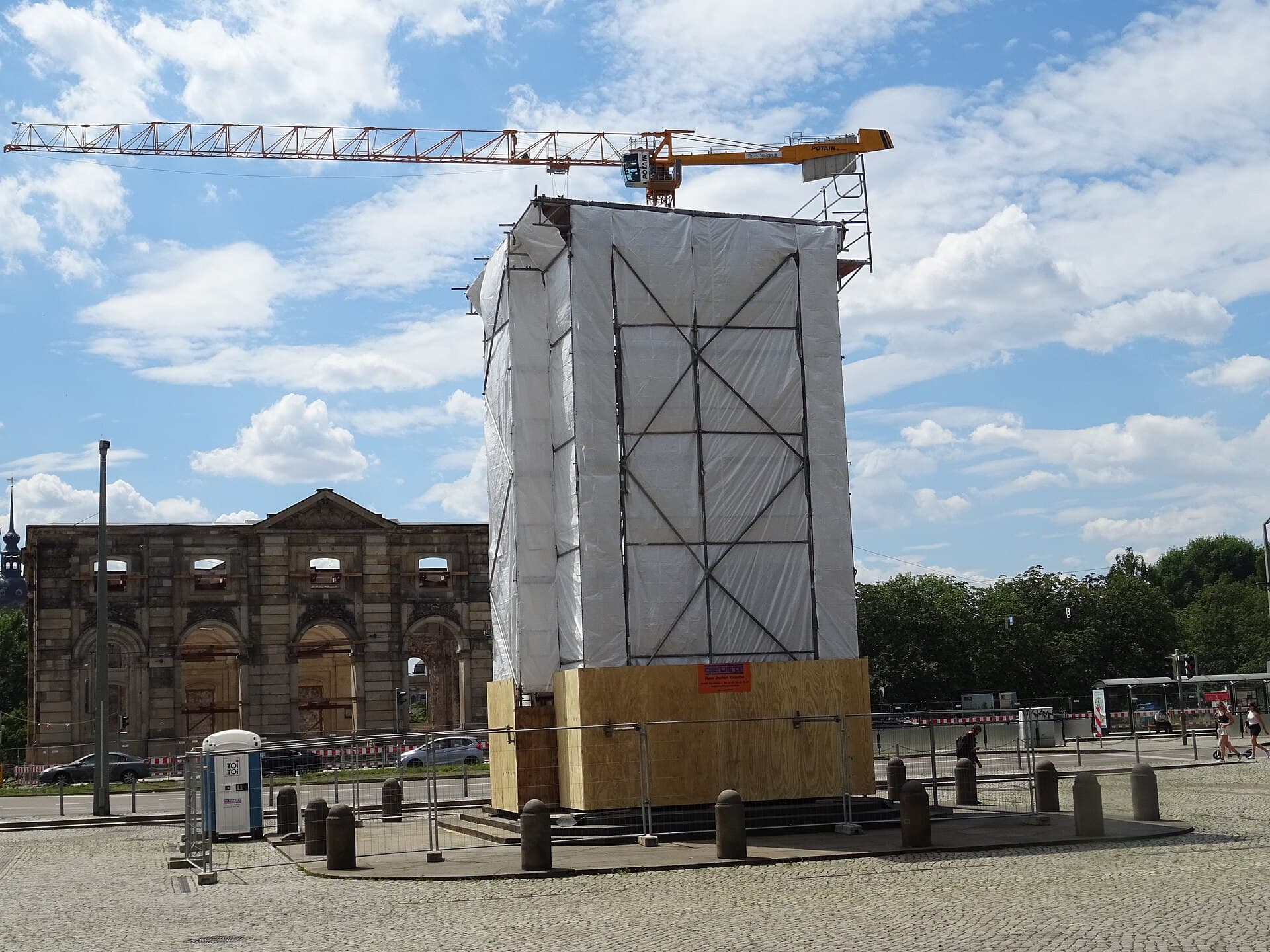 Golden RiderThe Golden Rider is a gilded equestrian statue of Augustus the Strong, ruler of 3 minutes walk4.5
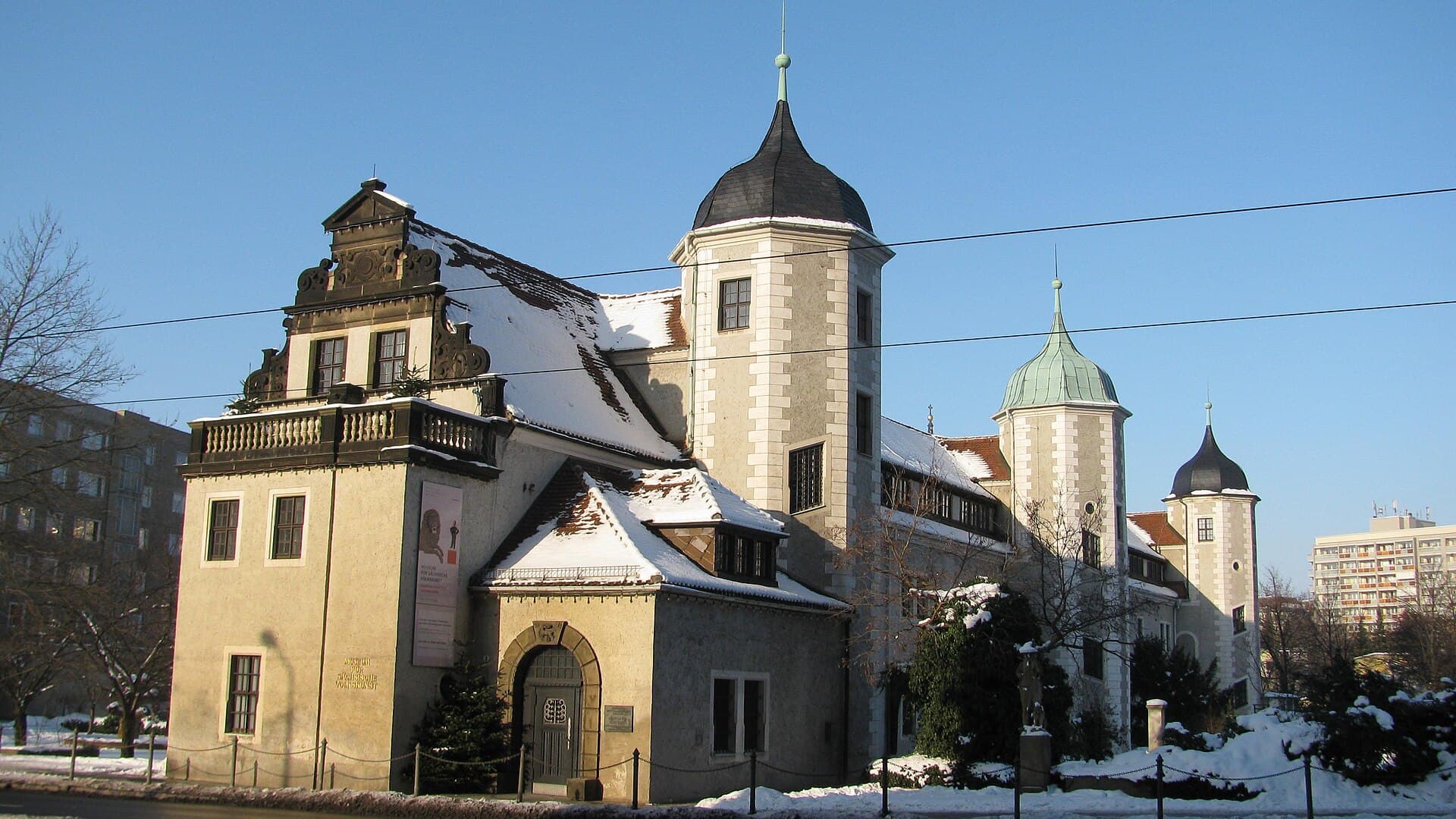 Museum of Saxon Folk ArtThe museum occupies the Jaegerhof, a princely hunting lodge begun in fifteen six3 minutes walk4.5
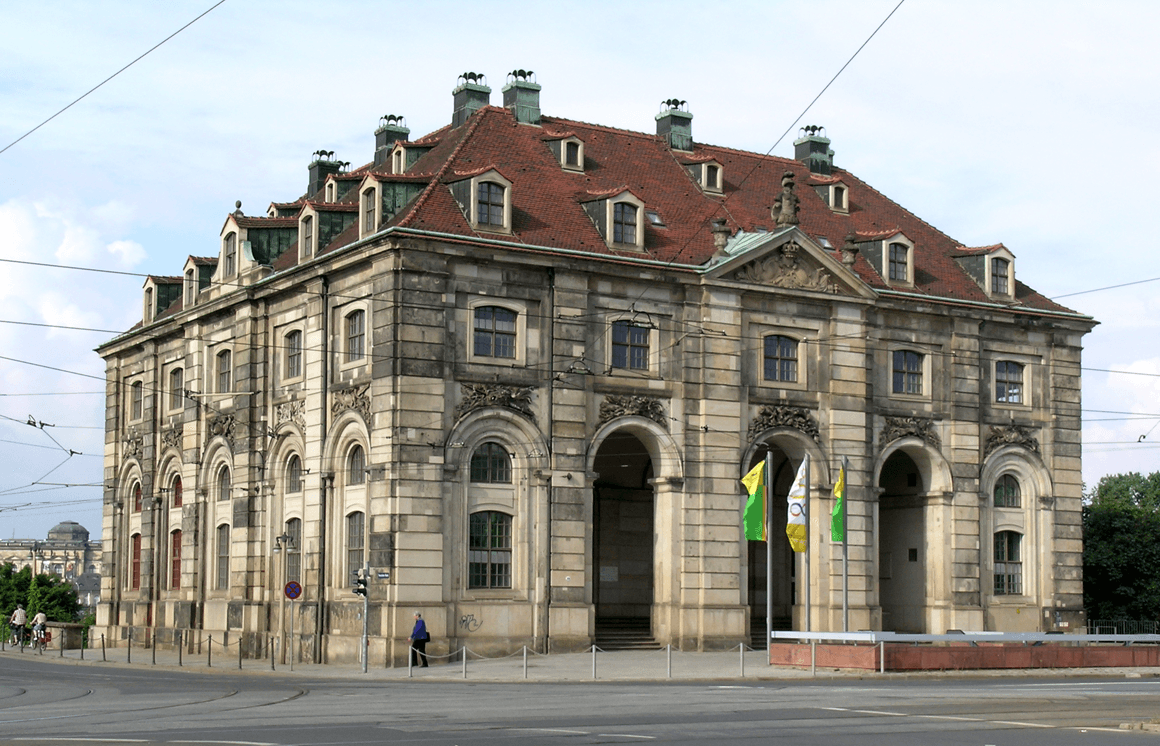 The Archive of the Avant-Gardes at the BlockhausThe Blockhaus is an eighteenth-century baroque guardhouse at the northern end of4 minutes walk4.0
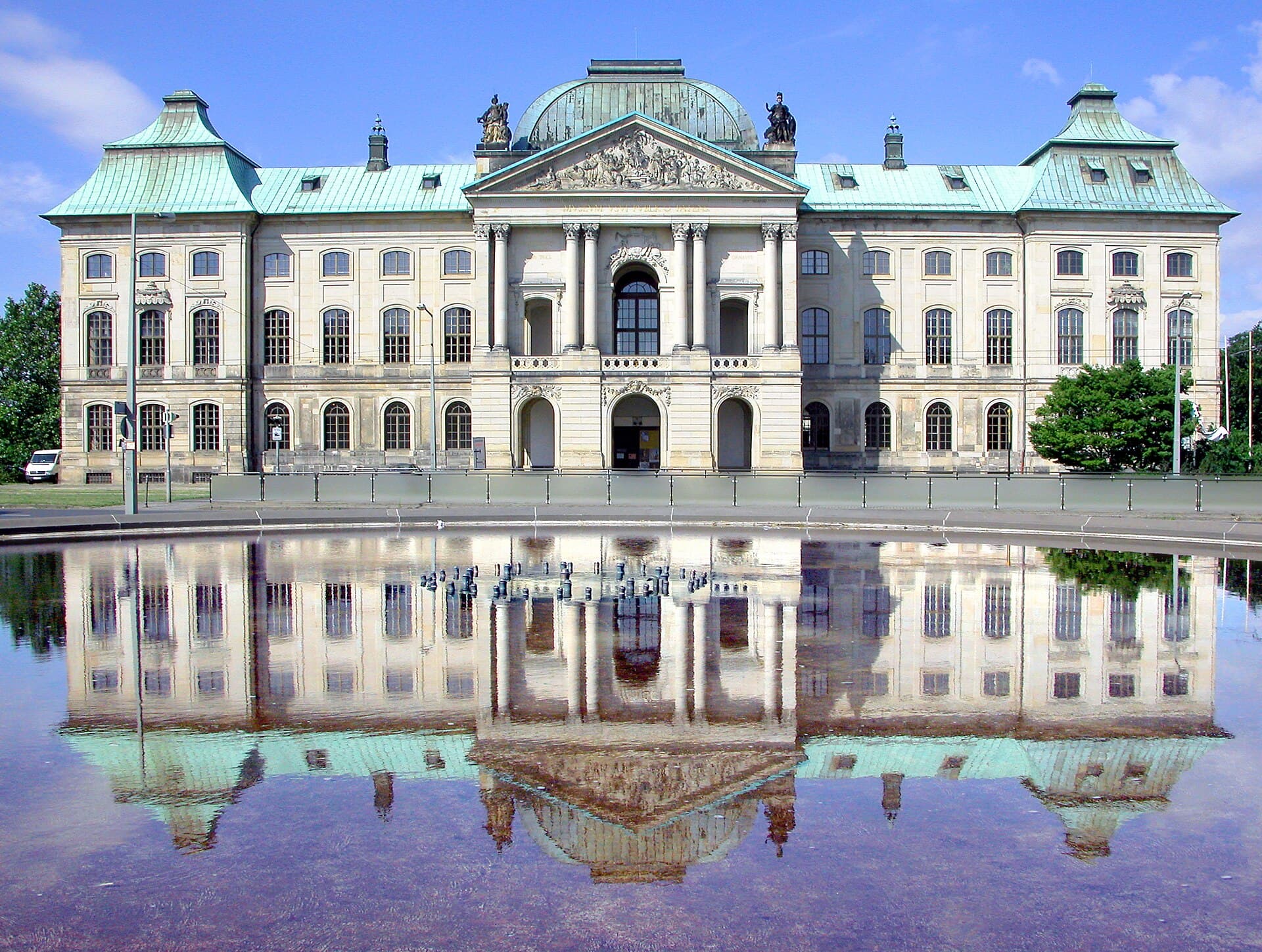 Japanese Palace (Japanisches Palais)The Japanese Palace witnesses Europe's eighteenth-century obsession with the Far5 minutes walk4.3
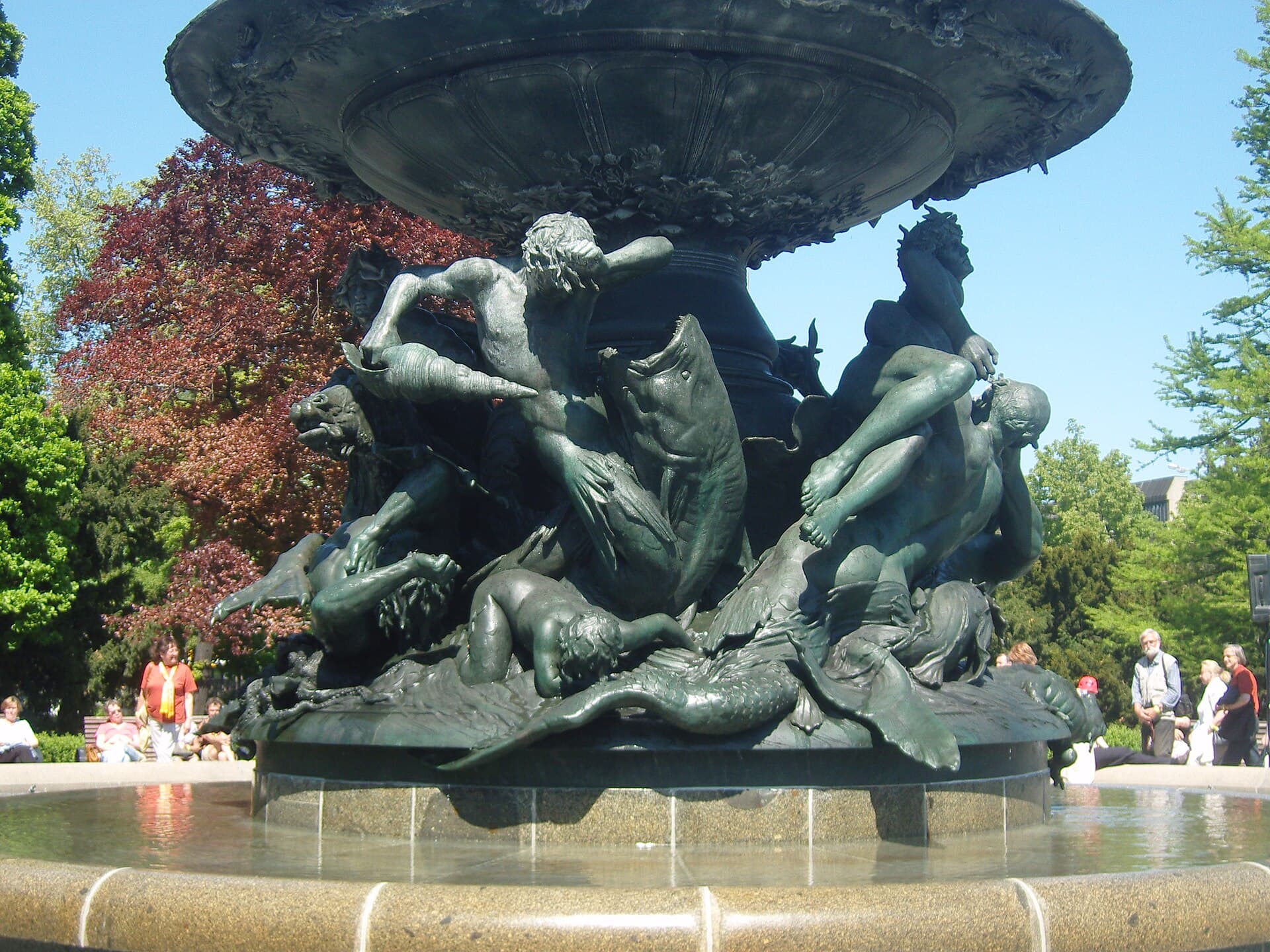 The Stormy Waves FountainsA pair of fountains in northern Dresden known together as Stormy Waves and Calm 5 minutes walk4.5
Before, if you know little about Romanticism, because the museum explains the movement and its people in an hour and makes the paintings legible rather than merely handsome landscapes. After, if you already know it, since you will then read about people whose work you have just seen. The two are about twenty minutes apart on foot across the Augustus Bridge.