
The puppet collection
One of the world's largest puppet theatre holdings.
DynaMoToR — CC BY-SA 3.0 · Daderot — Public domain · Daderot — Public domain · Daderot — Public domain
The museum occupies the Jaegerhof, a princely hunting lodge begun in fifteen sixty-eight and worked on into the early sixteen hundreds. It was planned as four wings around a courtyard; only one wing survives, and it is the oldest Renaissance building left on the Neustadt bank. It became a museum of folk art in nineteen thirteen, built on a collection assembled by Oskar Seyffert. What is on show is the craft of the Ore Mountains and the Saxon countryside: carved wood, candle arches, nutcrackers, mechanical Christmas mountains and hanging spinning pyramids, alongside painted rural furniture, textiles, pottery and traditional dress. Anyone who knows German Christmas decoration from the markets will understand here where it came from, and why it took this particular form in a region that lived off mining and turned to carving when the seams ran out. Since two thousand and five the building has also housed the puppet theatre collection, one of the largest of its kind in the world: hand puppets, marionettes and complete miniature stages. The single most important practical fact, and the one visitors get wrong, is the opening pattern: the museum is open Friday to Sunday only, from ten to five. Entry is five euros, the door on Koepckestrasse has no steps, and it stands a few minutes from the Augustus bridge.
One of the world's largest puppet theatre holdings.
Christmas mountains, nutcrackers and candle arches.
Koepckestrasse 1, 01097 Dresden
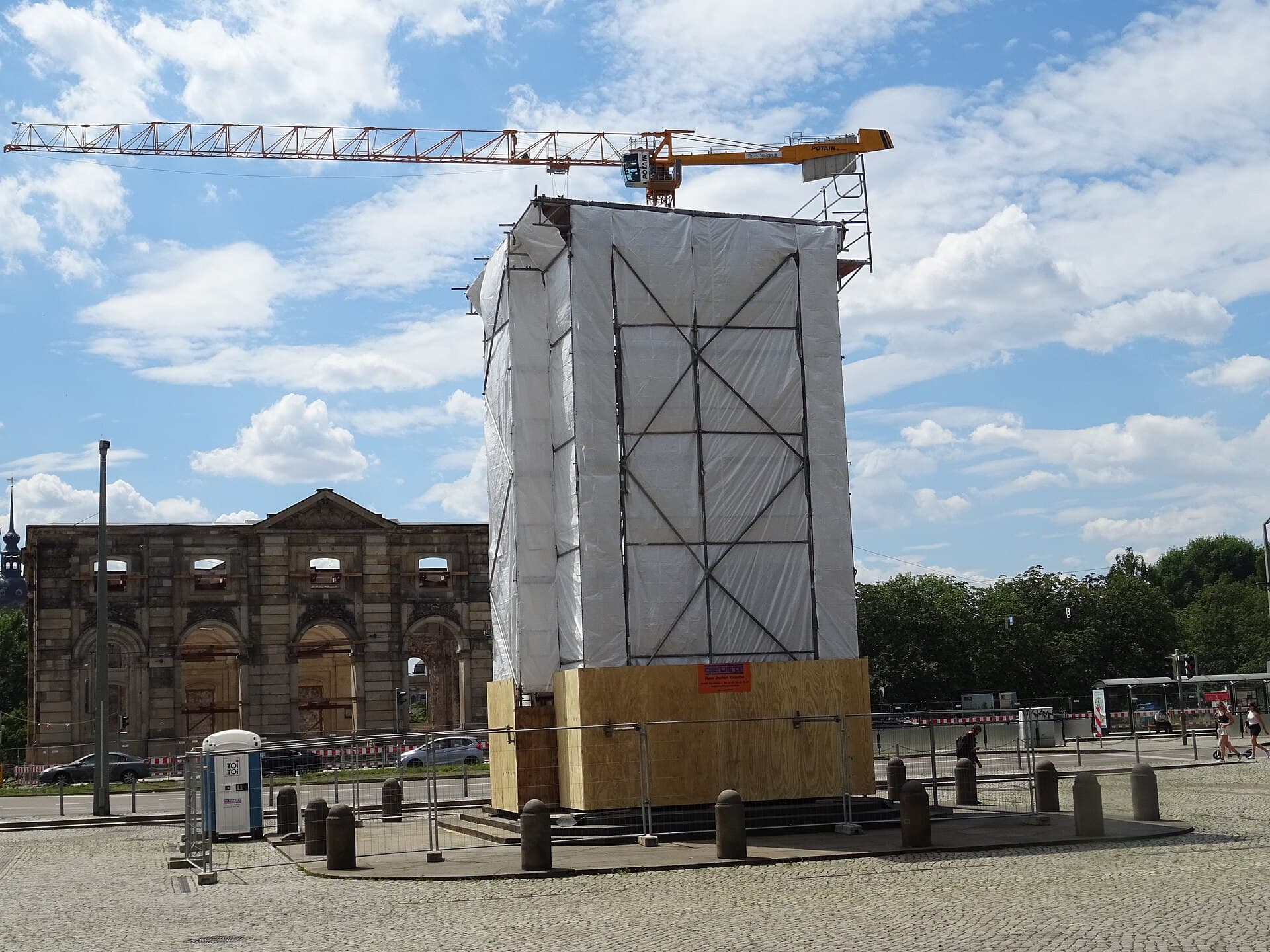 Golden RiderThe Golden Rider is a gilded equestrian statue of Augustus the Strong, ruler of 2 minutes walk4.5
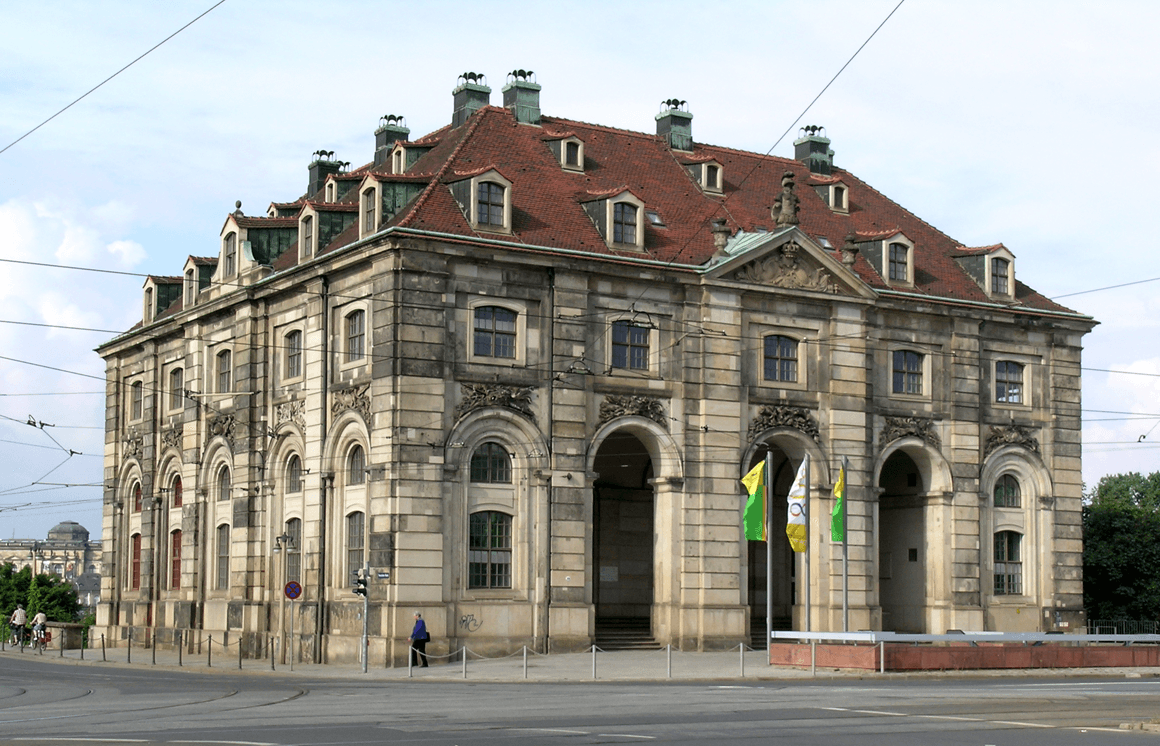 The Archive of the Avant-Gardes at the BlockhausThe Blockhaus is an eighteenth-century baroque guardhouse at the northern end of3 minutes walk4.0
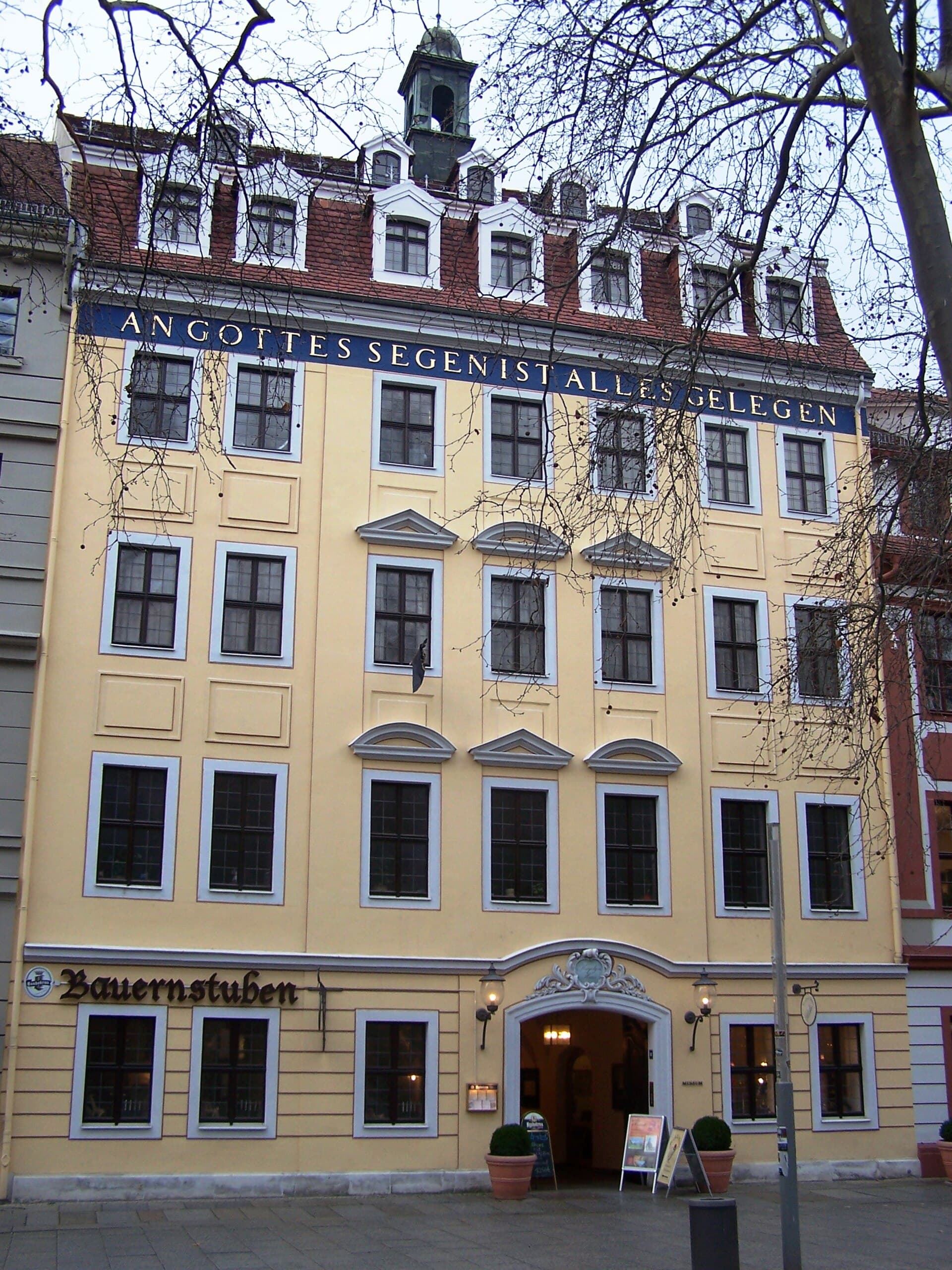 Museum of Dresden RomanticismThe Kügelgenhaus is a baroque merchant's house on the main street of the Neustad3 minutes walk4.5
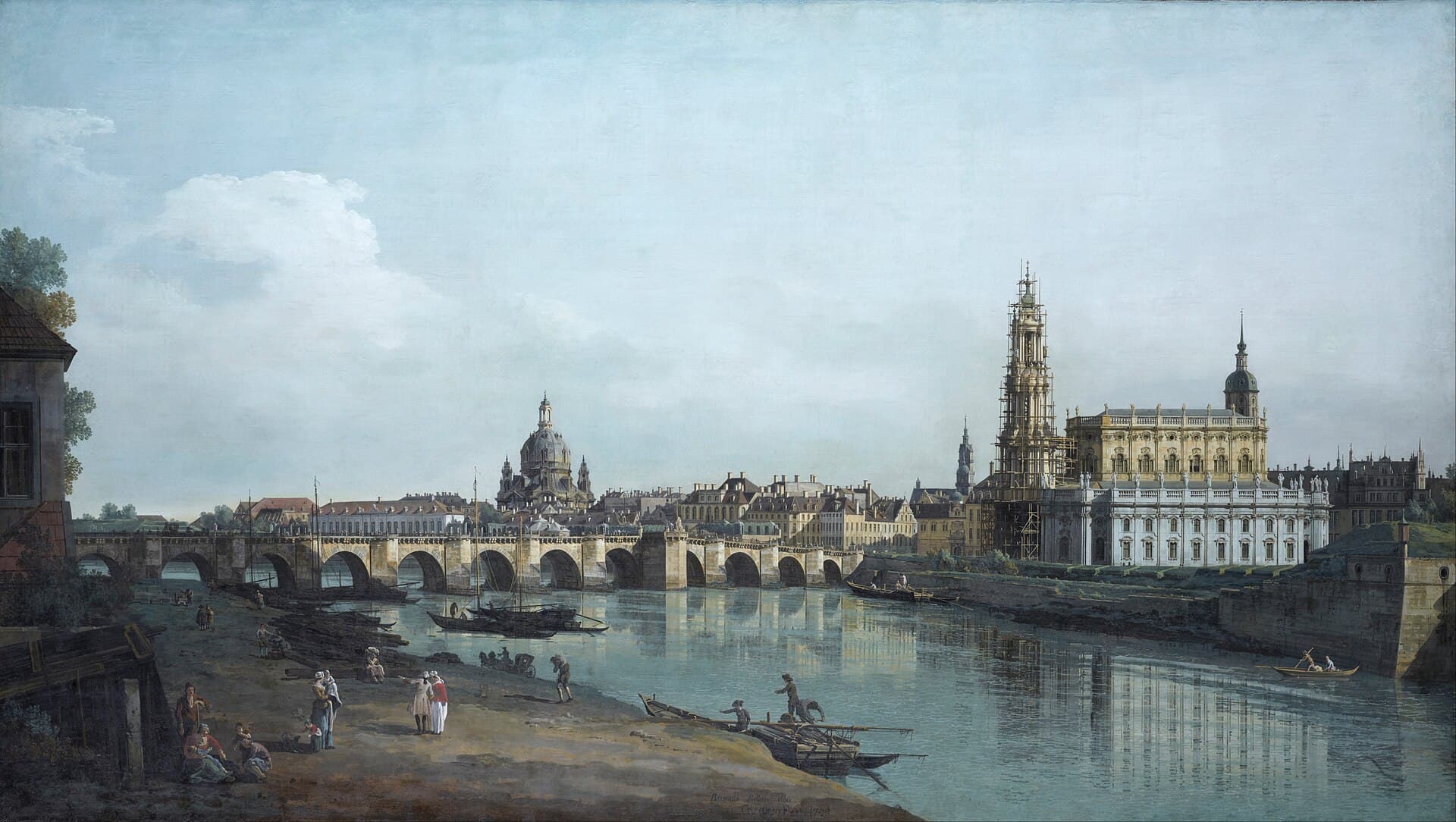 Canaletto ViewThe Canaletto View is not a building but an angle. You stand on the north bank o5 minutes walk4.7
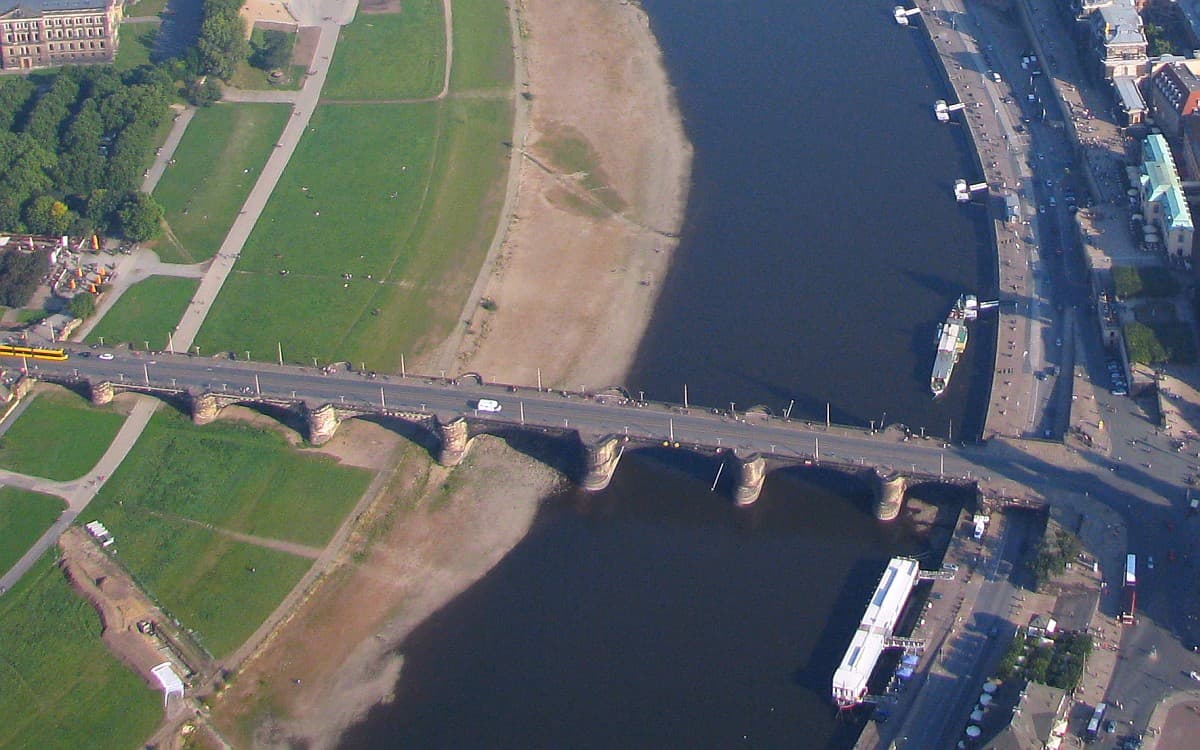 Augustus BridgeThe Augustusbrücke is Dresden's oldest bridge, linking the old town with the Neu5 minutes walk4.5
November to January if you can manage it. The Christmas carving is then in its own season, the museum runs puppet performances and carving demonstrations, and the city is in market mode. The collection is the same the rest of the year, but it lands with less force.