
Hébrard's half-circle
The European face born of the fire.
User:JFKennedy — Public domain · re:publica from Germany — CC BY-SA 2.0 · Jean Housen — CC BY-SA 4.0 · Jean Housen — CC BY-SA 4.0
Aristotelous is Thessaloniki's formal salon: a solemn half-circle opening to the sea, drawn by the Frenchman Ernest Hébrard after the 1917 fire to give the burnt city a European face — Byzantine-modern arches and arcades lining historic cafés (the cinematic Olympion most famous), the axis climbing from it as garden-street Aristotelous up to Egnatia. Its value is life, not relic: morning coffee facing the sea, the city's great gatherings from festivals to protests, the arcade evenings — and bronze Aristotle seated (his toe polished by students rubbing luck before exams). From its upper head you step straight into Modiano: the city's covered market (1922) of fish, olives, cheese and spice — lately revived with young eateries between the stalls: market lunch after square coffee is Thessaloniki's proper opening.
The European face born of the fire.
Fish, olive and spice under a 1922 roof.
Aristotelous Square, 54623 Thessaloniki
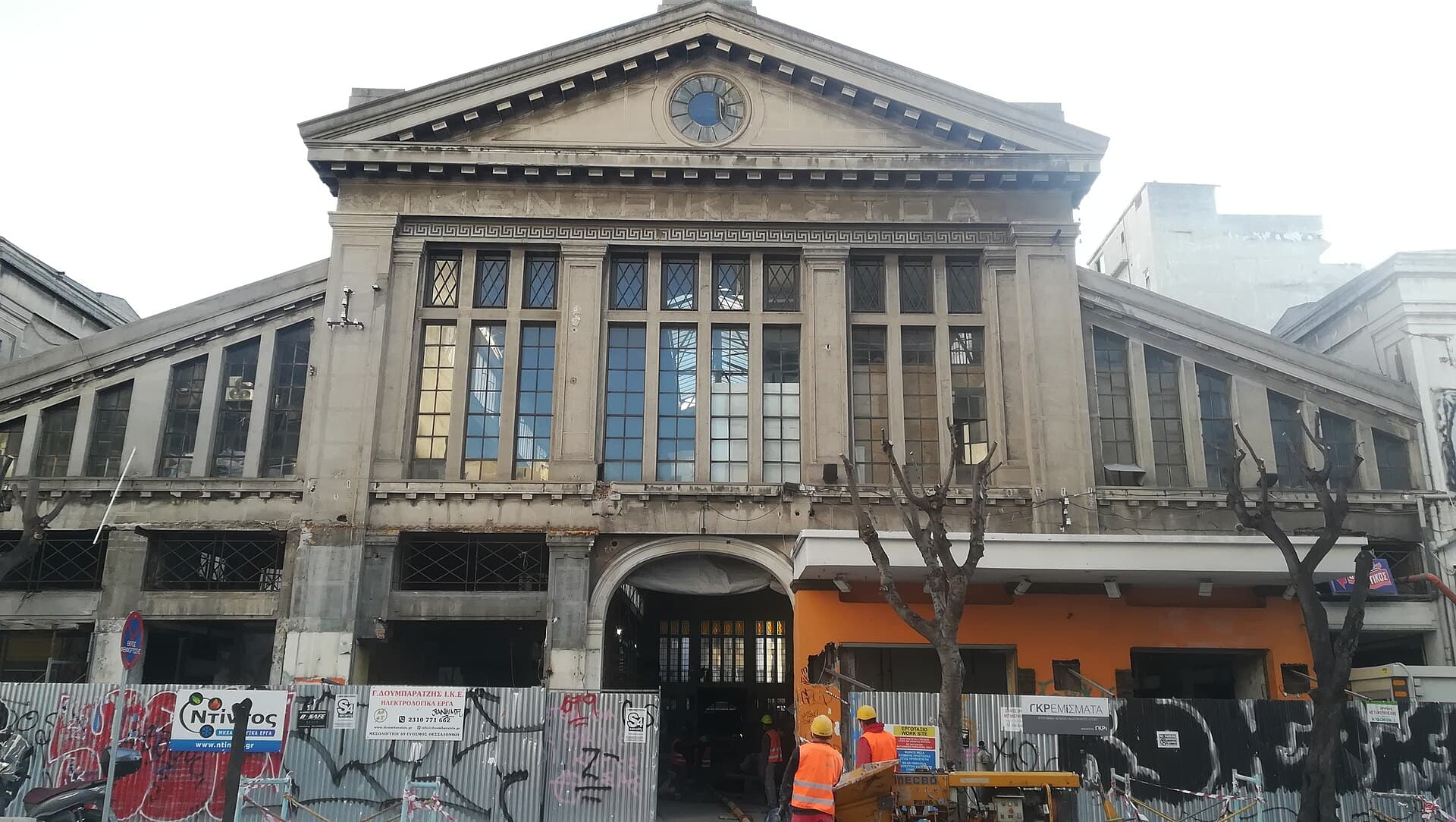 Modiano MarketA covered market in the middle of Thessaloniki under a long glass and steel roof3 minutes walk4.2
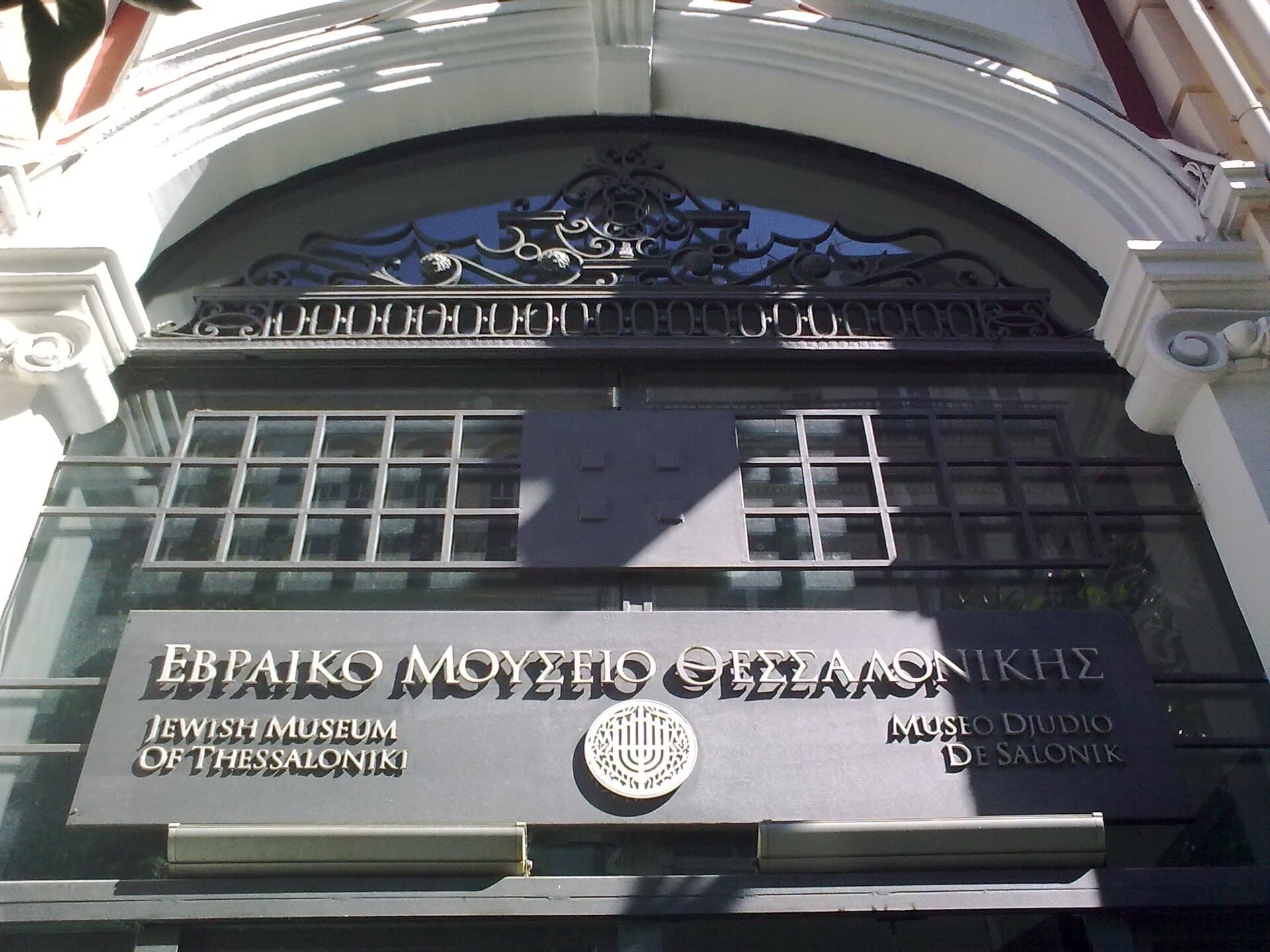 Jewish Museum of ThessalonikiThe museum that explains the most important and most absent layer in this city's4 minutes walk4.6
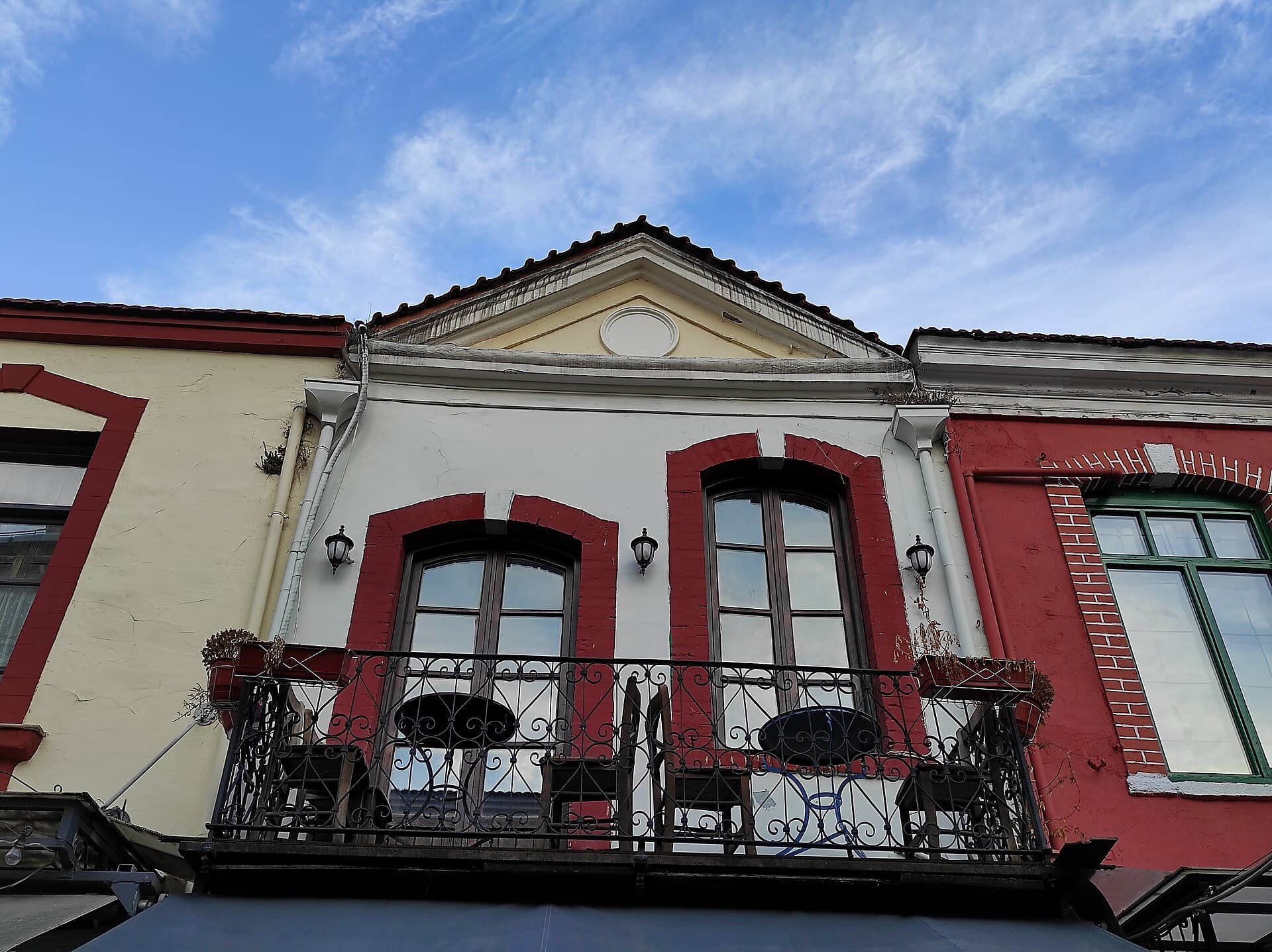 LadadikaThe oldest surviving quarter of Thessaloniki and the centre of its nightlife tod6 minutes walk
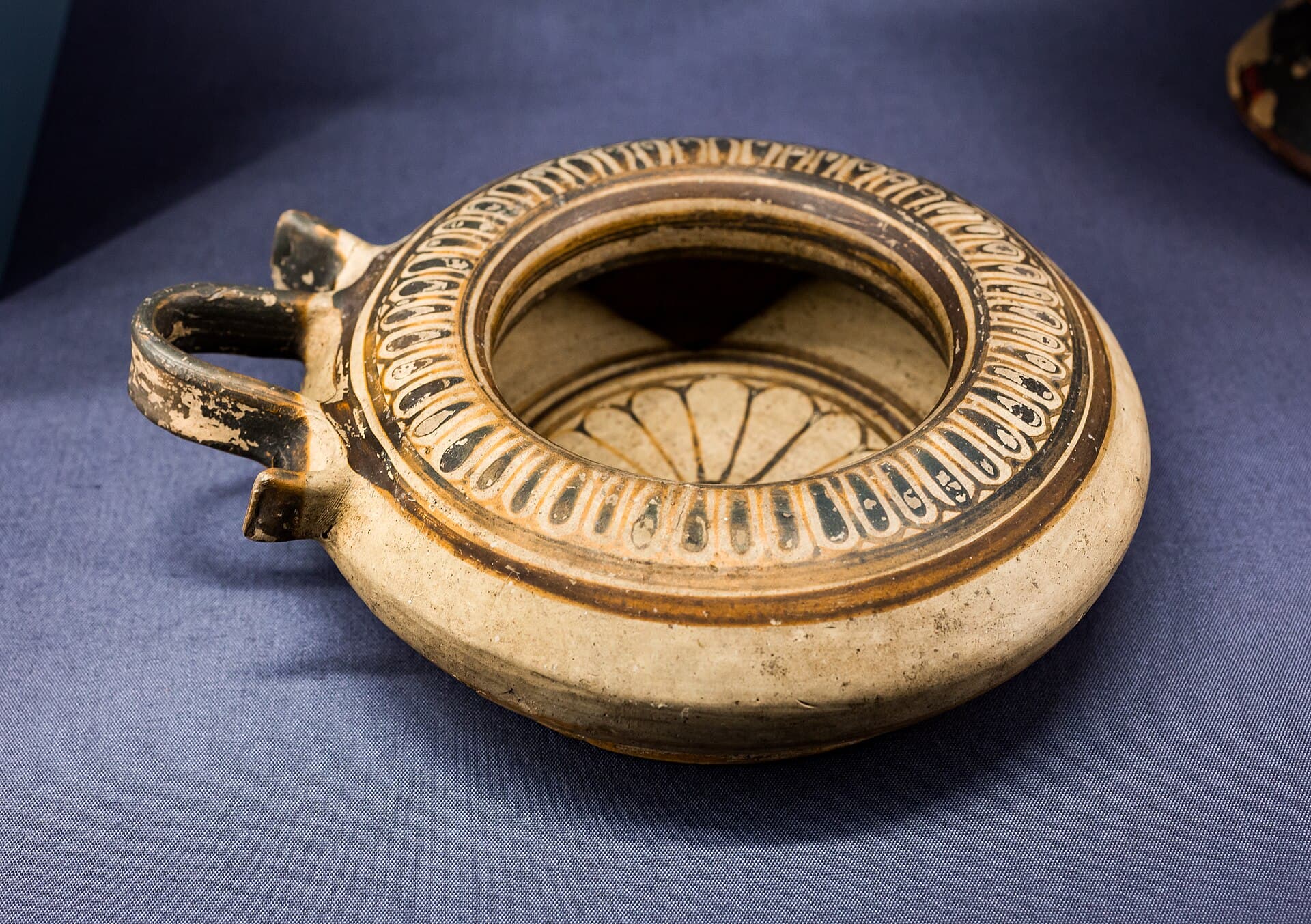 Thessaloniki Museum of Photography**The only state museum of photography in Greece**, occupying **Warehouse A** in6 minutes walk4.5
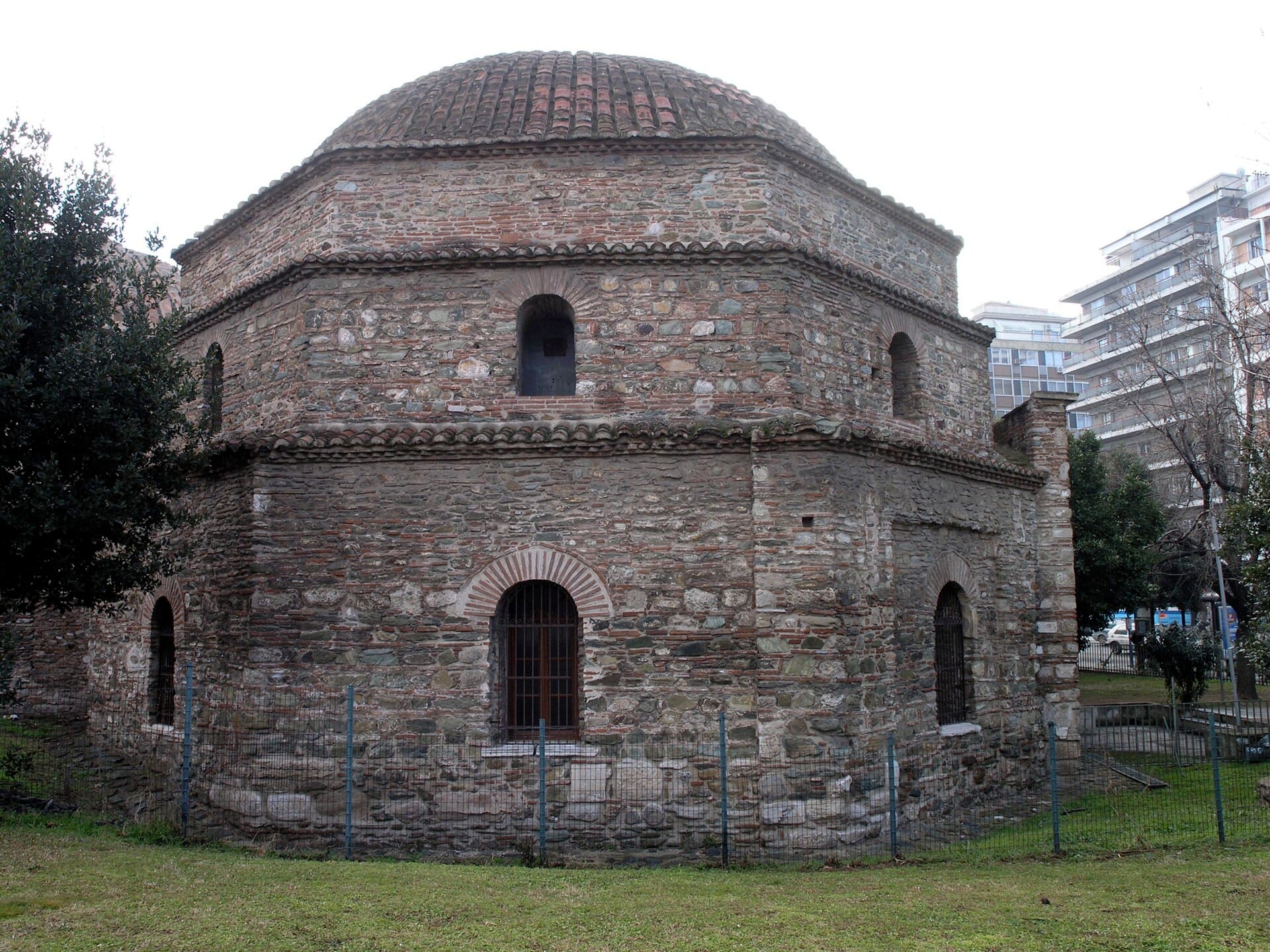 Bey Hamam (the Paradise Baths)It stands on the main **Egnatia** street in the middle of the city, and is the *6 minutes walk4.3
The golden circle around Modiano: inside the market, its rim, and restored Ladadika streets south — Macedonia cooks Greece's richest kitchen (eastern spice, shaped by 1922's refugees). Ask for soutzoukakia, and bougatsa at morning — seafood tavernas serve the halal-minded with relative ease.