
The glass roof
The 1925 steel-and-glass structure, restored.
Geraki — CC BY-SA 4.0 · Ymblanter — CC BY-SA 4.0 · Ymblanter — CC BY-SA 4.0 · Ymblanter — CC BY-SA 4.0
A covered market in the middle of Thessaloniki under a long glass and steel roof, built by the Jewish architect **Eli Modiano** in **1925** on the ruins of a Jewish quarter burned in the 1917 fire — and his family's name has stayed on it since. For decades it was **the city's stomach**: rows of fish, meat, cheese, olive, spice and vegetable stalls, with the traders' calls echoing under the metal roof. It then declined over recent decades until it stood half empty and closed for restoration. It reopened in **2022** after a major restoration, in a different form: the **traditional food stalls** remain — fish, cheese, olives, spices — and **small restaurants and bars** have been added under the same roof. So it is now market and eating place at once, in the manner of revived European market halls. It works as a market by day and as a place to eat and drink in the evening — and the two visits differ considerably. ⚠ Don't confuse it with the adjoining **Kapani market**: that one is older, rougher, less restored — and more genuine.
The 1925 steel-and-glass structure, restored.
Fish, cheese, olives and spices kept through the restoration.
Small restaurants and bars under the same roof.
Ermou & Vasileos Irakleiou, 54624 Thessaloniki
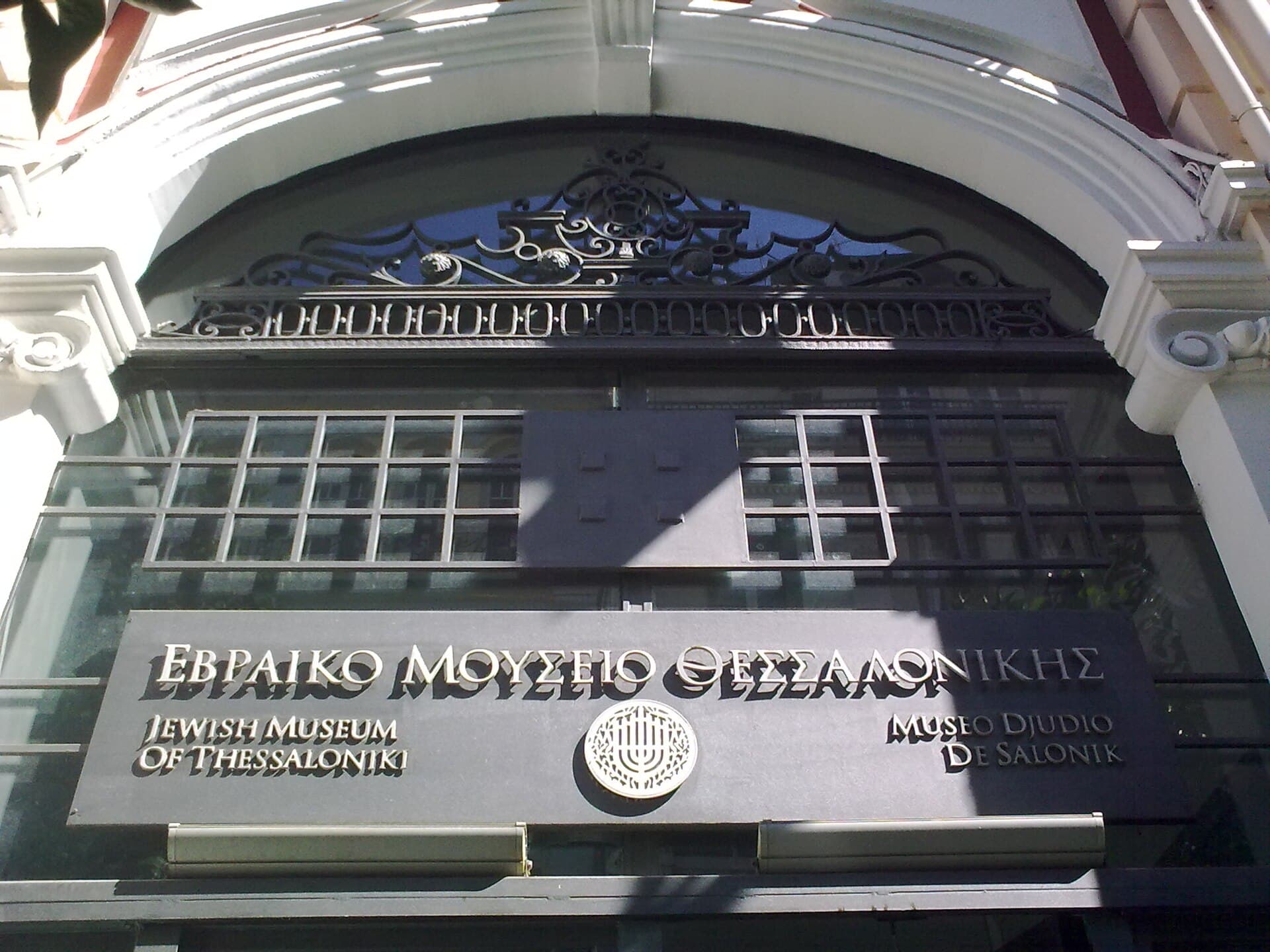 Jewish Museum of ThessalonikiThe museum that explains the most important and most absent layer in this city's2 minutes walk4.6
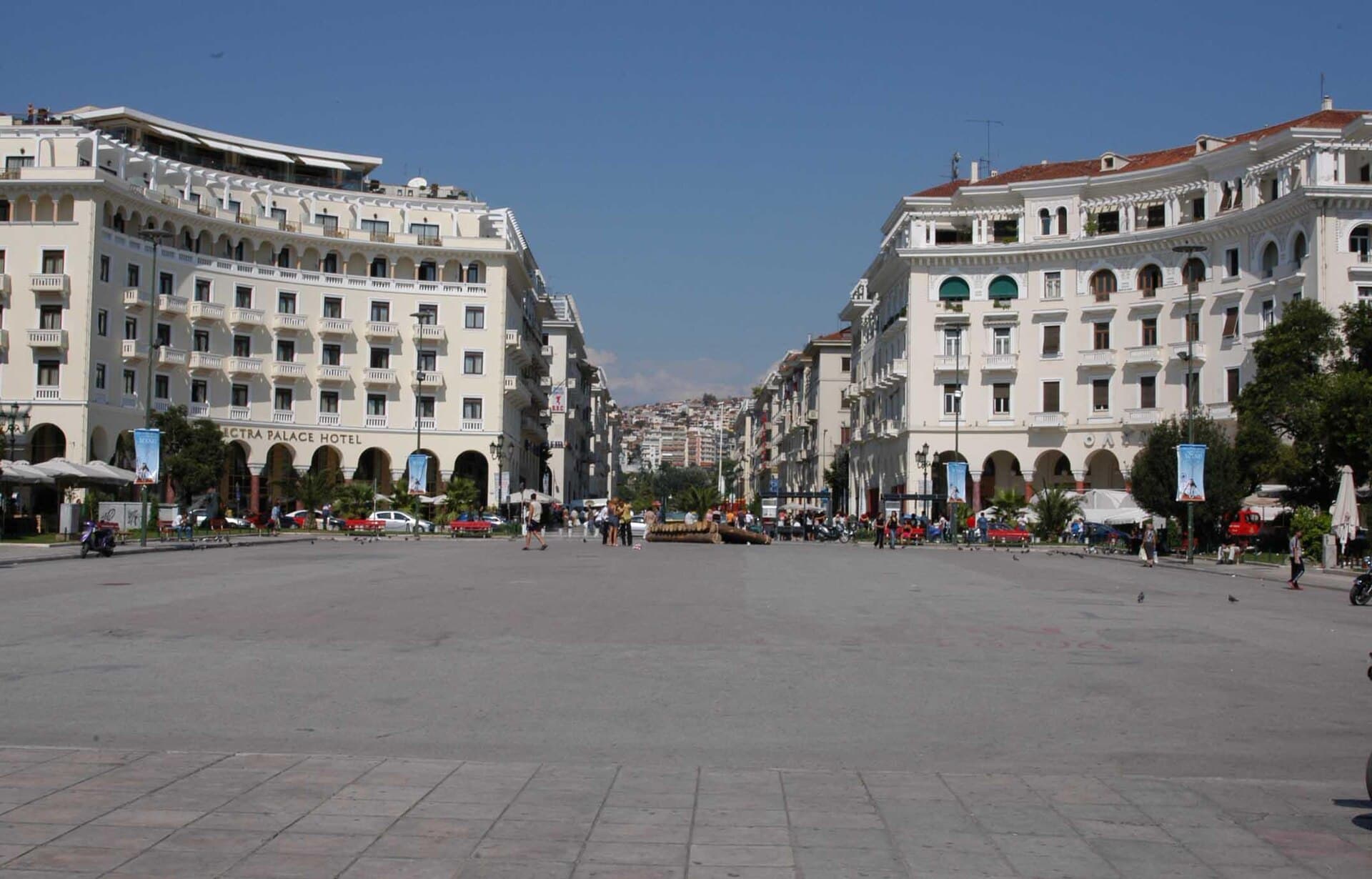 Aristotelous Square & Modiano MarketAristotelous is Thessaloniki's formal salon: a solemn half-circle opening to the3 minutes walk4.8
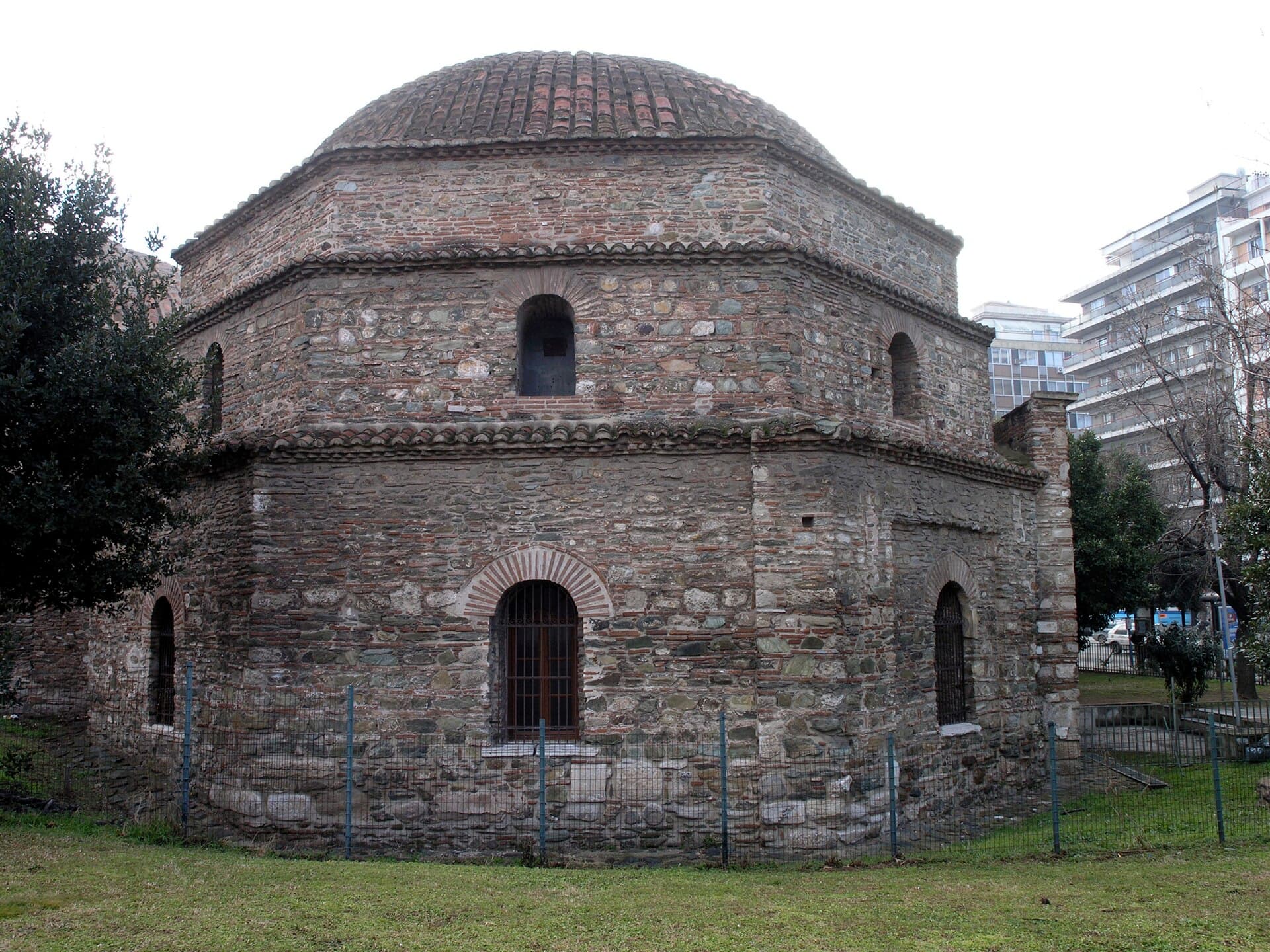 Bey Hamam (the Paradise Baths)It stands on the main **Egnatia** street in the middle of the city, and is the *4 minutes walk4.3
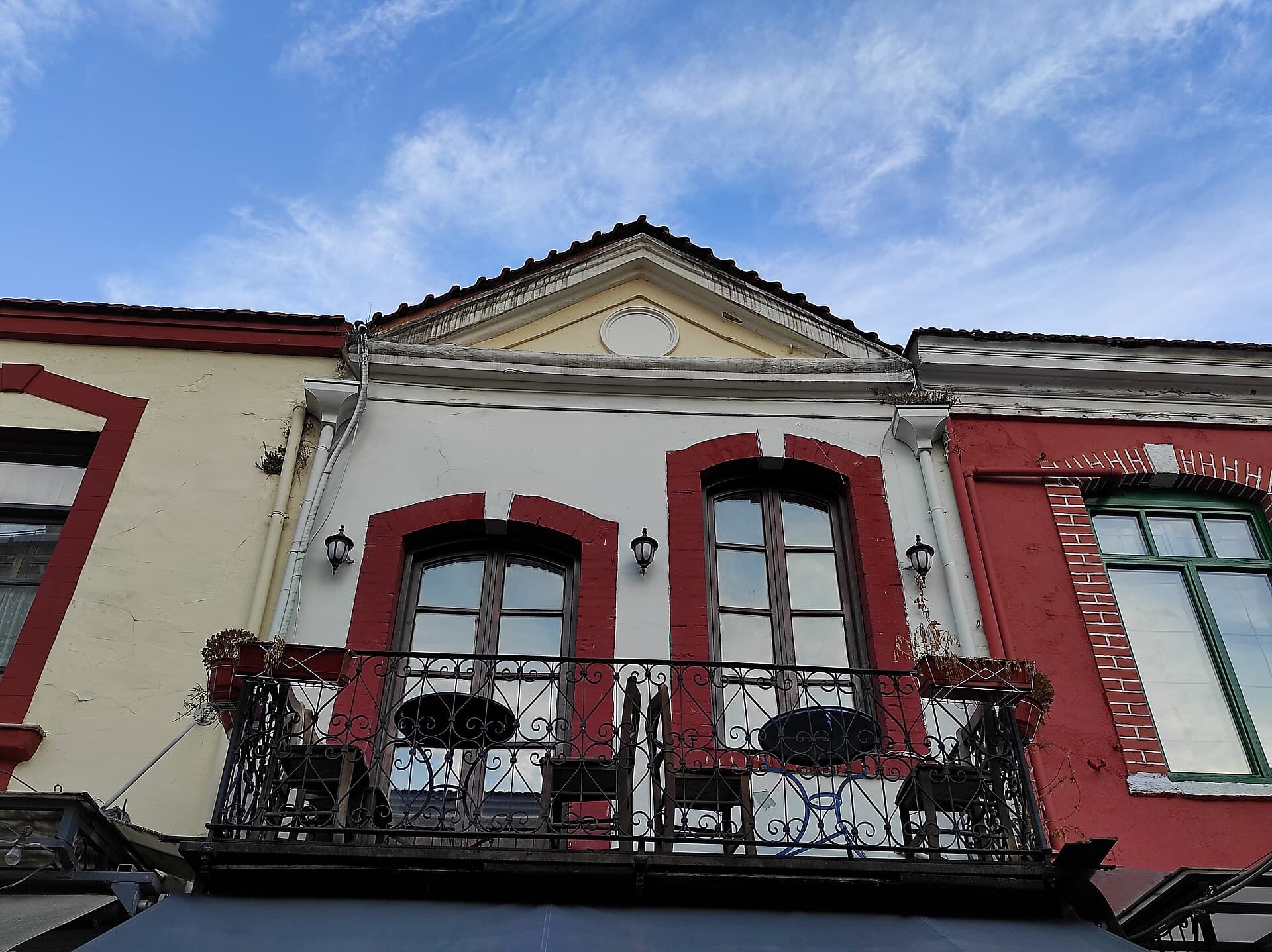 LadadikaThe oldest surviving quarter of Thessaloniki and the centre of its nightlife tod5 minutes walk
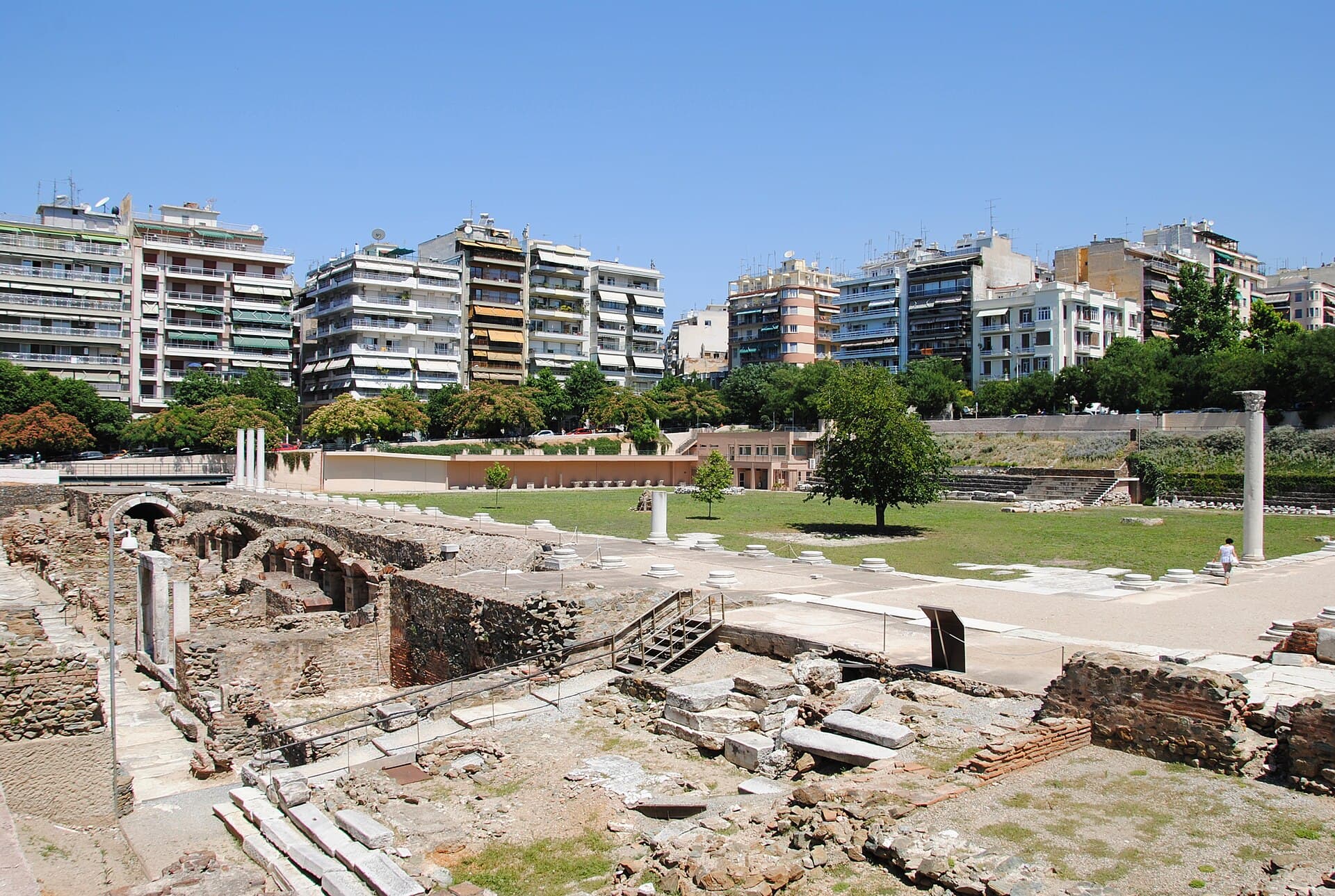 The Roman Forum (Ancient Agora)The Forum is Roman Thessaloniki's accidentally found heart: car-park excavations6 minutes walk4.5
**See both** — they adjoin and take an hour together, and the difference between them is the point. **Modiano** is covered, recently restored (2022), clean and organised, with restaurants and bars alongside the food stalls — comfortable, handsome and good for sitting and eating. Adjoining **Kapani** is **the city's older market**: open lanes, trestles, crates, shouting and strong smells, with scarcely any restoration — less comfortable and far more genuine, and where the people of Thessaloniki actually shop. Start at Kapani in the morning, then move to Modiano for lunch.
It depends what you want. **Early morning** (before ten) to see the market actually working: the fish, cheese and spice stalls at their busiest — the traditional face. **The afternoon** is quiet and many stalls close. **The evening** is another thing entirely: the restaurants and bars fill and it turns loud and sociable until late. ⚠ Avoid **Sunday** — most of Greece is closed, and so, or nearly so, is the market.