
Ladino
The Judaeo-Spanish spoken here for four hundred years.
Sam. SALTIEL — CC BY-SA 3.0 · U.S. Department of State from United States — Public domain · U.S. Department of State from United States — Public domain · U.S. Department of State from United States — Public domain
The museum that explains the most important and most absent layer in this city's history. For four centuries Thessaloniki was a **majority-Jewish city**, called by Jews "the Mother of Israel" and "the Jerusalem of the Balkans". The story begins in **1492**, when the Jews were expelled from Spain and the Ottoman state received them here in large numbers. They brought their language, **Ladino** — Judaeo-Spanish — and it was spoken in the city's streets for four hundred years. In the early twentieth century Jews were **more than half the population**, and the port of Thessaloniki closed on Saturdays. Then it ended in months: in **1943** the German occupation deported around **forty-five thousand** of the city's Jews to Auschwitz in successive trains, and few returned. That is about **96 per cent** of the community. The museum occupies a house that survived the 1917 fire and presents the whole story: the life, the trade, the Ladino press, the schools and synagogues, then the deportation. It holds gravestones from the **great Jewish cemetery**, demolished in 1942 with the university built over it.
The Judaeo-Spanish spoken here for four hundred years.
From the great cemetery demolished and built over by the university.
A whole community's life before 1943.
Agiou Mina 13, 54624 Thessaloniki
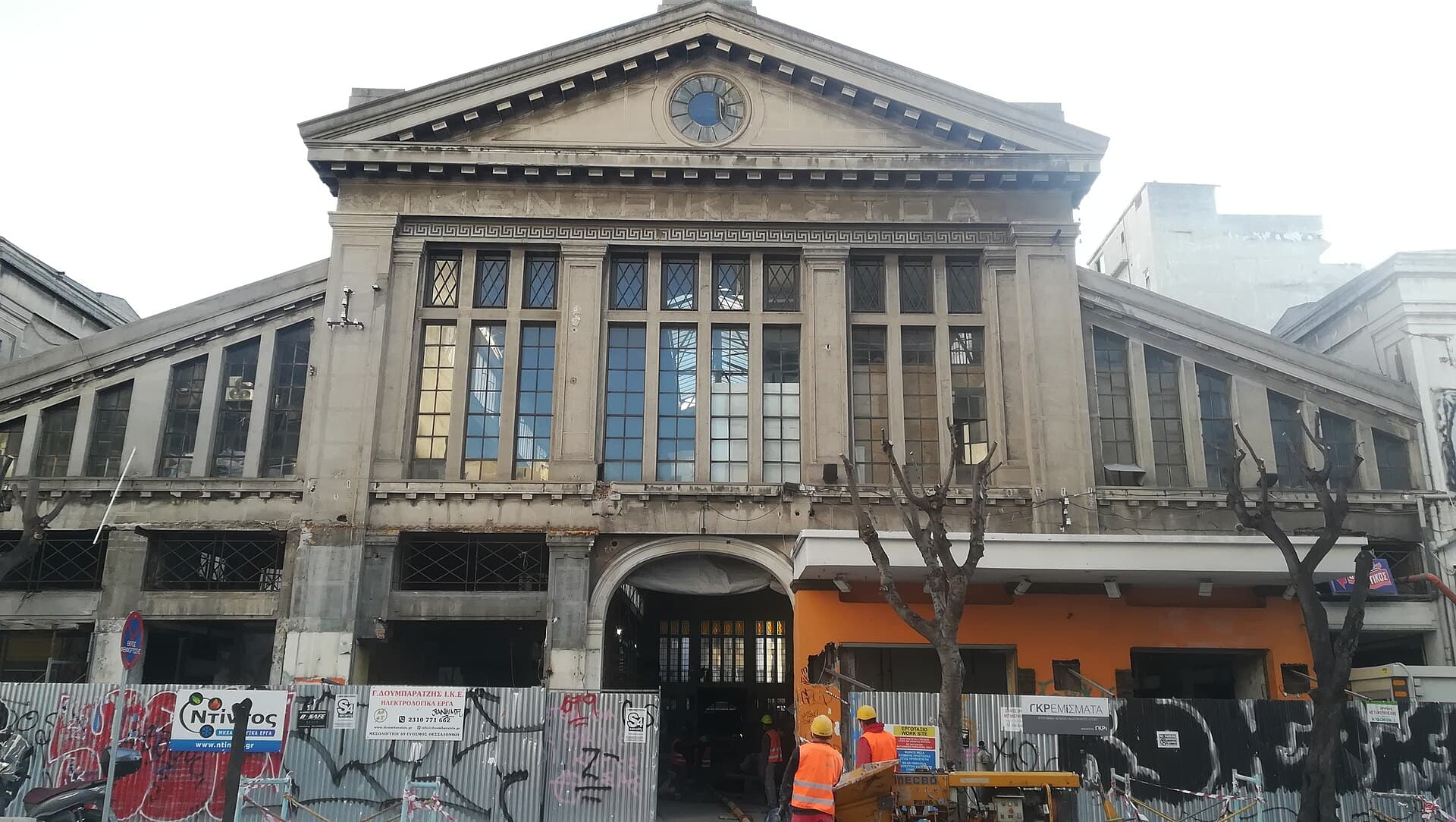 Modiano MarketA covered market in the middle of Thessaloniki under a long glass and steel roof2 minutes walk4.2
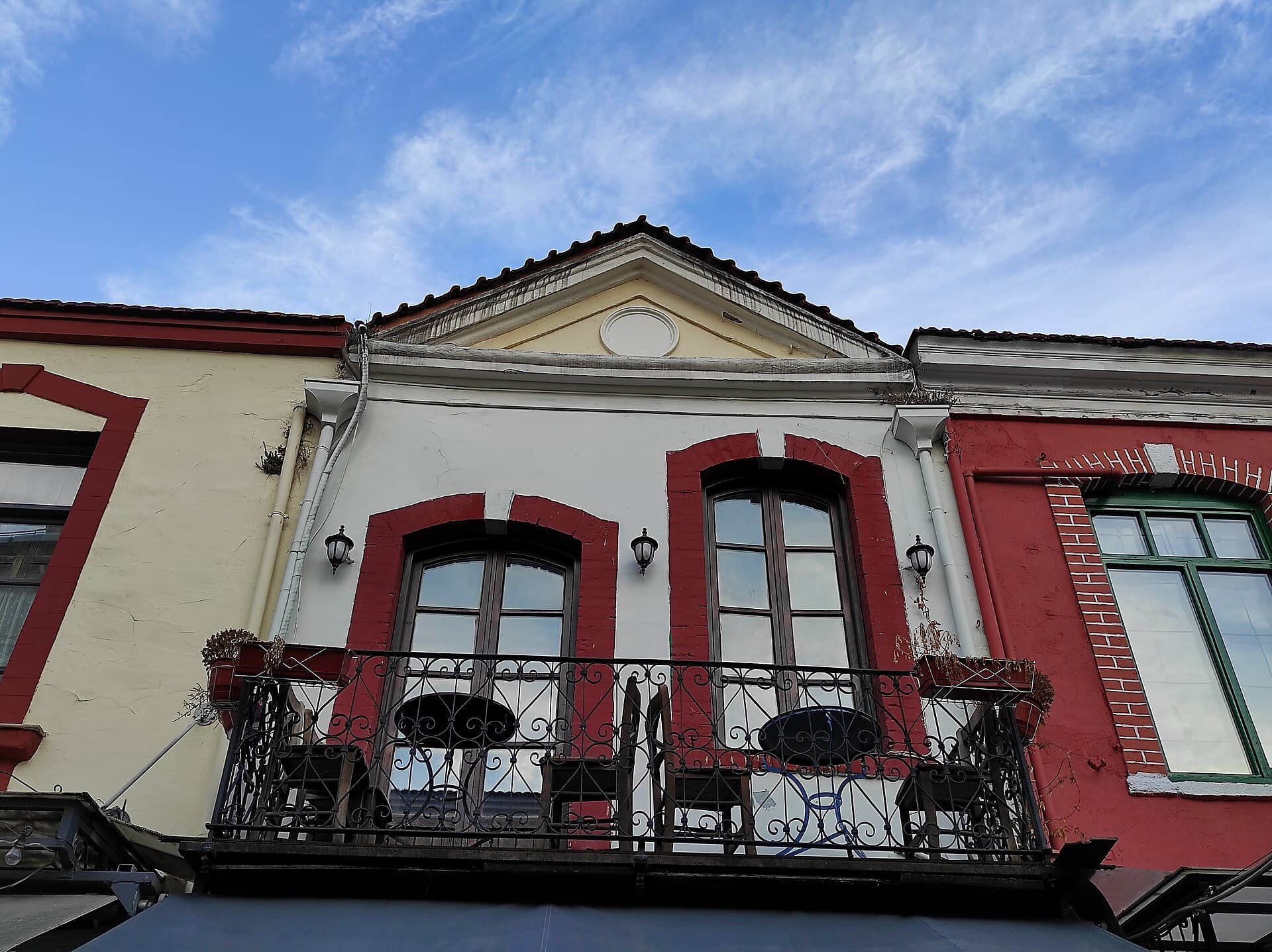 LadadikaThe oldest surviving quarter of Thessaloniki and the centre of its nightlife tod3 minutes walk
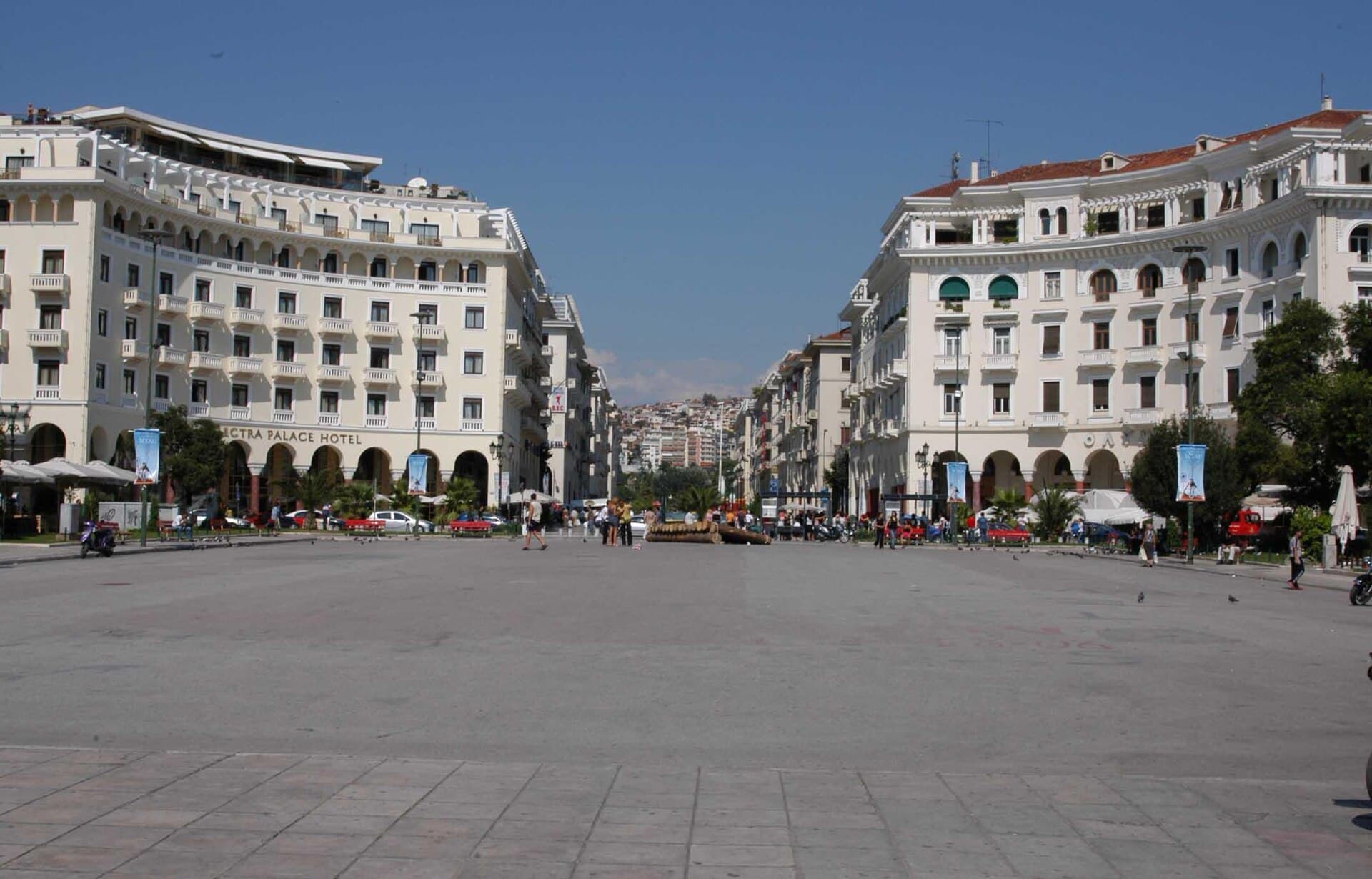 Aristotelous Square & Modiano MarketAristotelous is Thessaloniki's formal salon: a solemn half-circle opening to the4 minutes walk4.8
 Thessaloniki Museum of Photography**The only state museum of photography in Greece**, occupying **Warehouse A** in6 minutes walk4.5
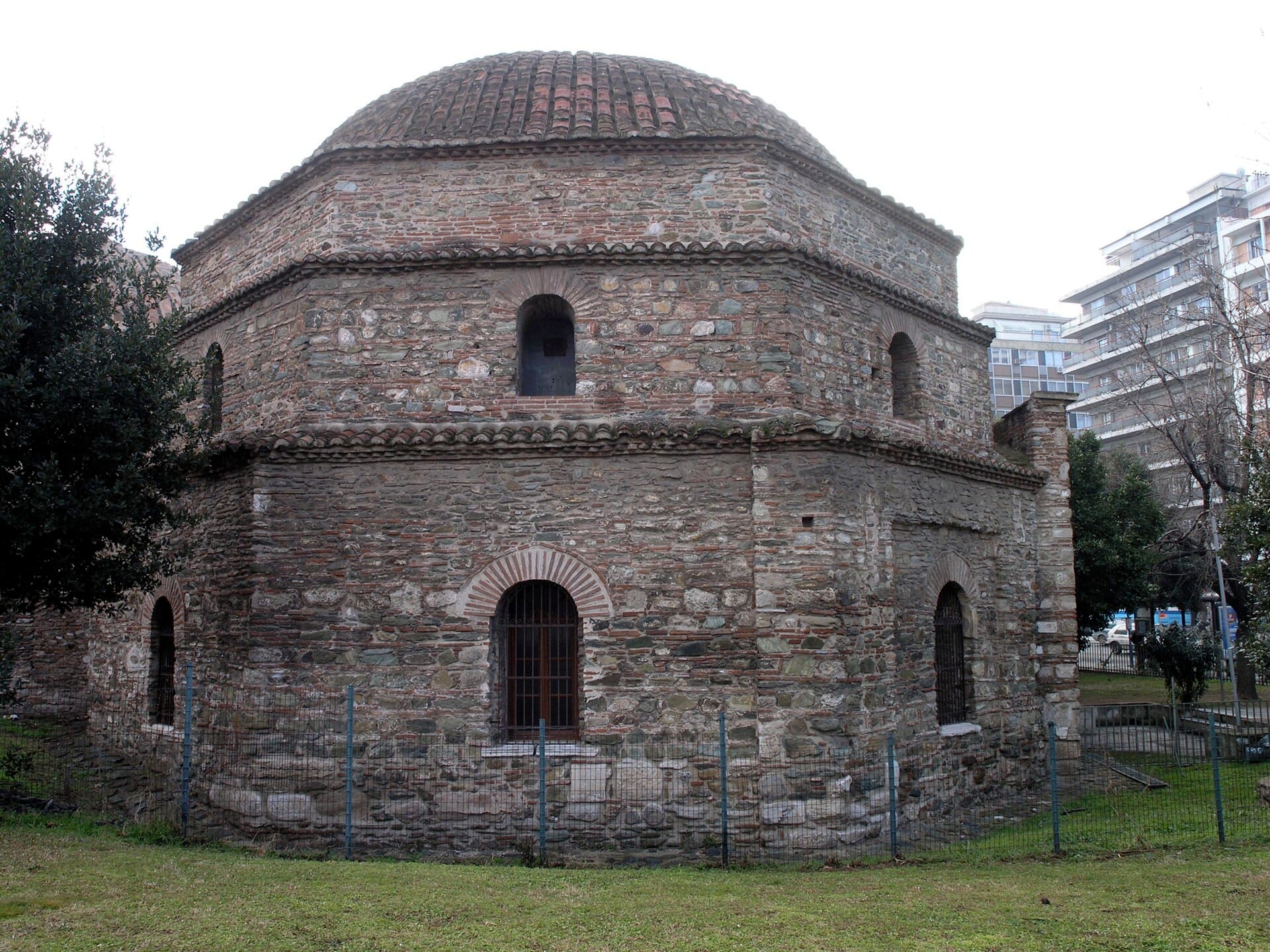 Bey Hamam (the Paradise Baths)It stands on the main **Egnatia** street in the middle of the city, and is the *6 minutes walk4.3
Because **the trace was removed twice**. First, the **1917 fire** consumed the city's heart including most of the Jewish quarters, synagogues and schools, and they were not rebuilt. Second, the **1943 extermination** ended the community itself; then the **great Jewish cemetery** — among the largest in the world, with hundreds of thousands of graves — was demolished in 1942, its stones used as building material, and **Aristotle University** built on its ground. What survives is little and scattered: this museum, a memorial in Eleftherias Square, and one or two synagogues. Which is why the museum is necessary to understand the city.
**Not for young ones.** The final section deals with deportation and extermination through documents, photographs and lists of names, and is inherently heavy. For **older children** it may be among the most important things they see in Greece, on two conditions: **preparation before going in** — that they know this city was half Jewish and that it ended in months — and **time to talk afterwards**. The museum is small and the visit an hour, and most of it is about **life** rather than death: trade, the press, schools and language.