
The work goes to people
An inversion of the museum relationship: art is lent, not only visited.
Raimond Spekking — CC BY-SA 4.0 · MeCorbeau — CC0 · Thomas Kemper — CC BY-SA 4.0
A municipal art institution in central Cologne working on an unusual principle: residents can borrow original works of art and hang them in their homes for a period, as books are borrowed from a library. The idea — the artothek — arose in twentieth-century Europe as a way of making the experience of owning art possible for people who cannot buy it. A borrower takes an original painting, print or photograph home for weeks or months for a nominal fee, then returns it and takes another. The institution also works as a contemporary art gallery, concentrating on young artists at the start of their careers, and that is what a passing visitor sees. The idea rewards pausing over in itself: it is a practical answer to the question of who is entitled to live with art, and it inverts the museum's relationship with its public — instead of people going to the work, the work goes to them. Practical points: entry to the gallery is normally free. Lending is for local residents rather than visitors. Hours are limited — check before going.
An inversion of the museum relationship: art is lent, not only visited.
The idea is a practical answer to a distributive question, not an aesthetic one.
The gallery concentrates on young artists beginning their careers.
Central Cologne
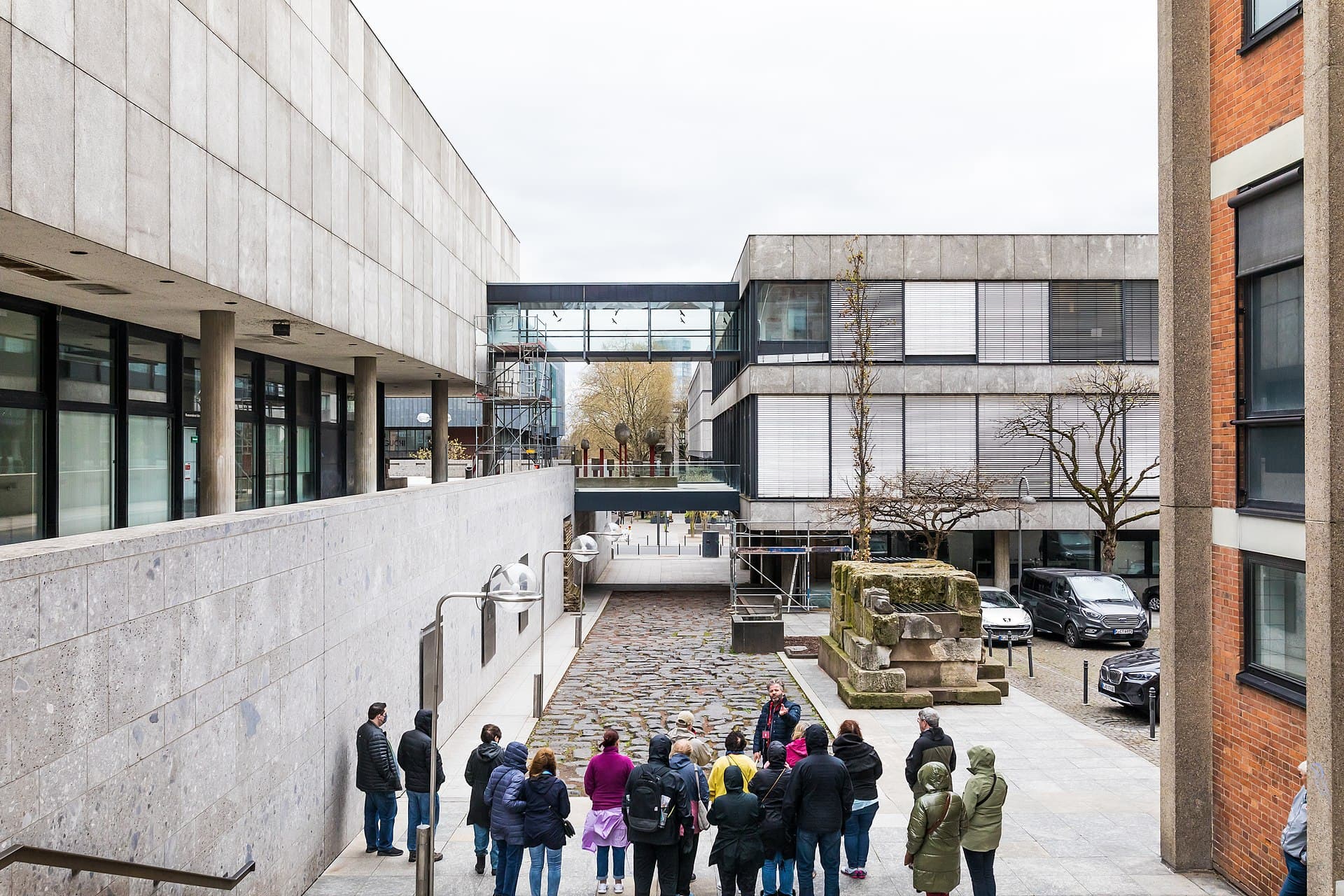 The Roman Harbour StreetThe Roman harbour street is the remains of a paved road that connected Roman Col1 minute walk4.7
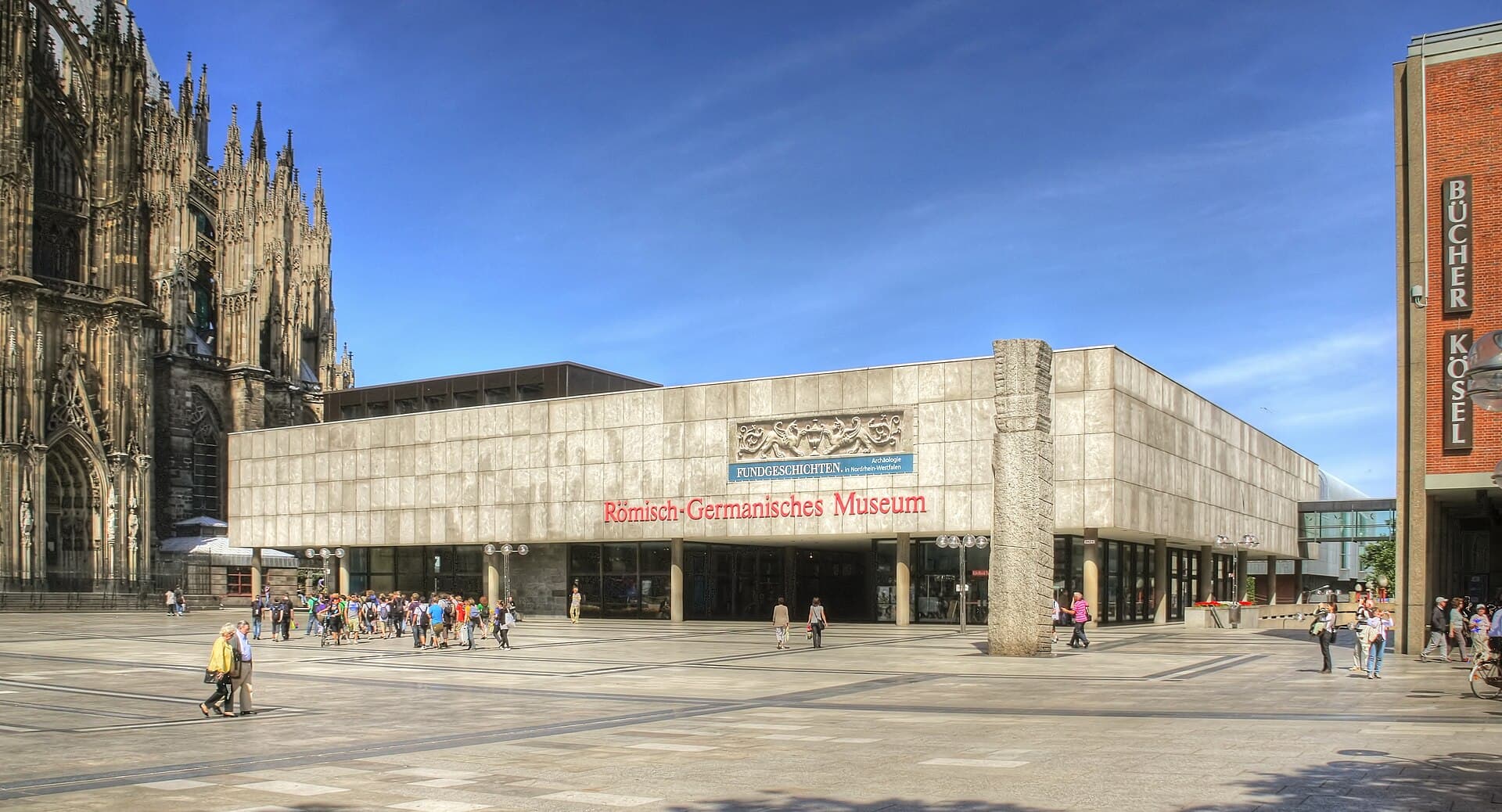 Romano-Germanic MuseumCologne is a Roman city before it is anything else: the Romans founded it as a c1 minute walk3.9
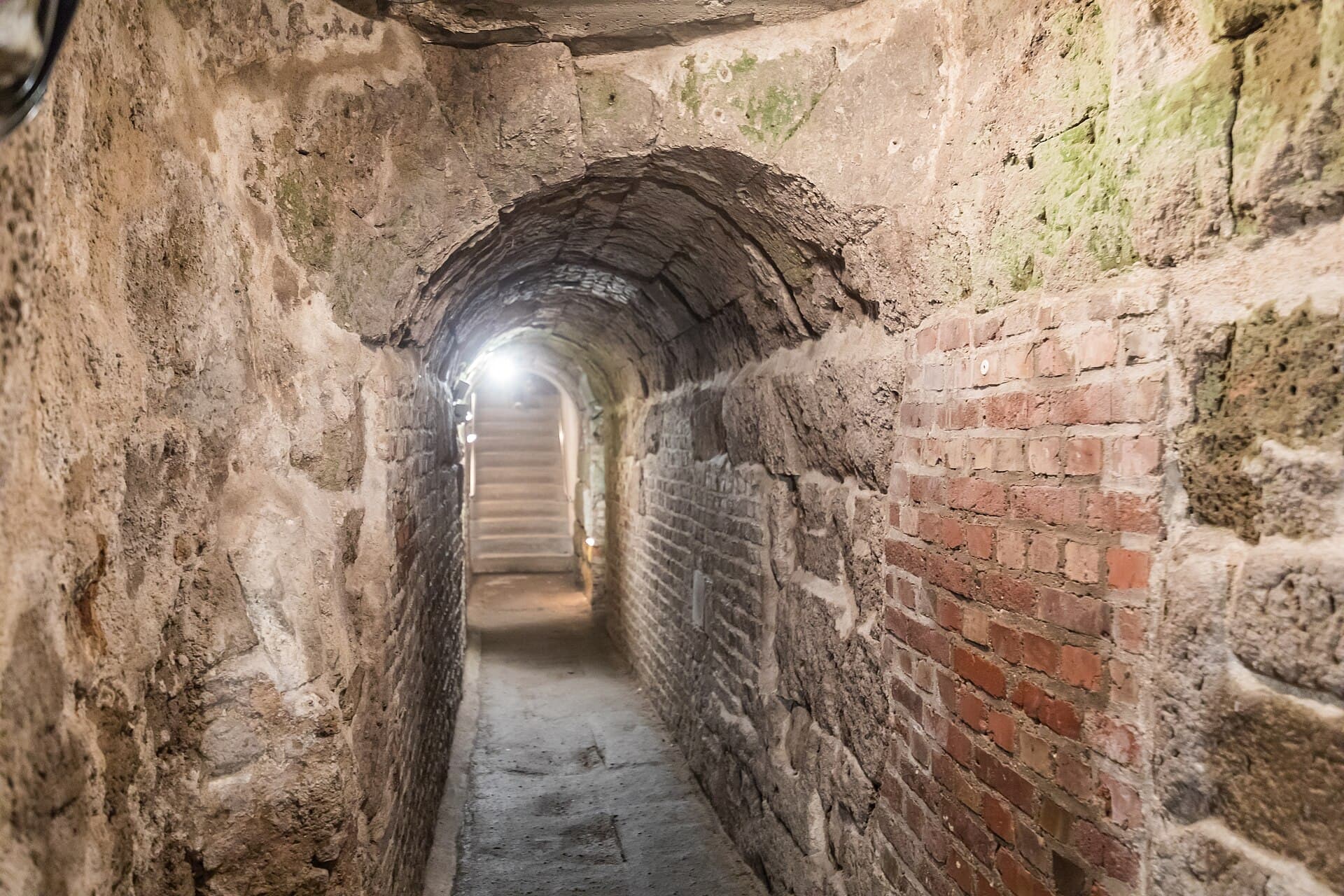 The Roman SewerBeneath the old streets of Cologne runs a Roman stone passage still standing aft1 minute walk4.3
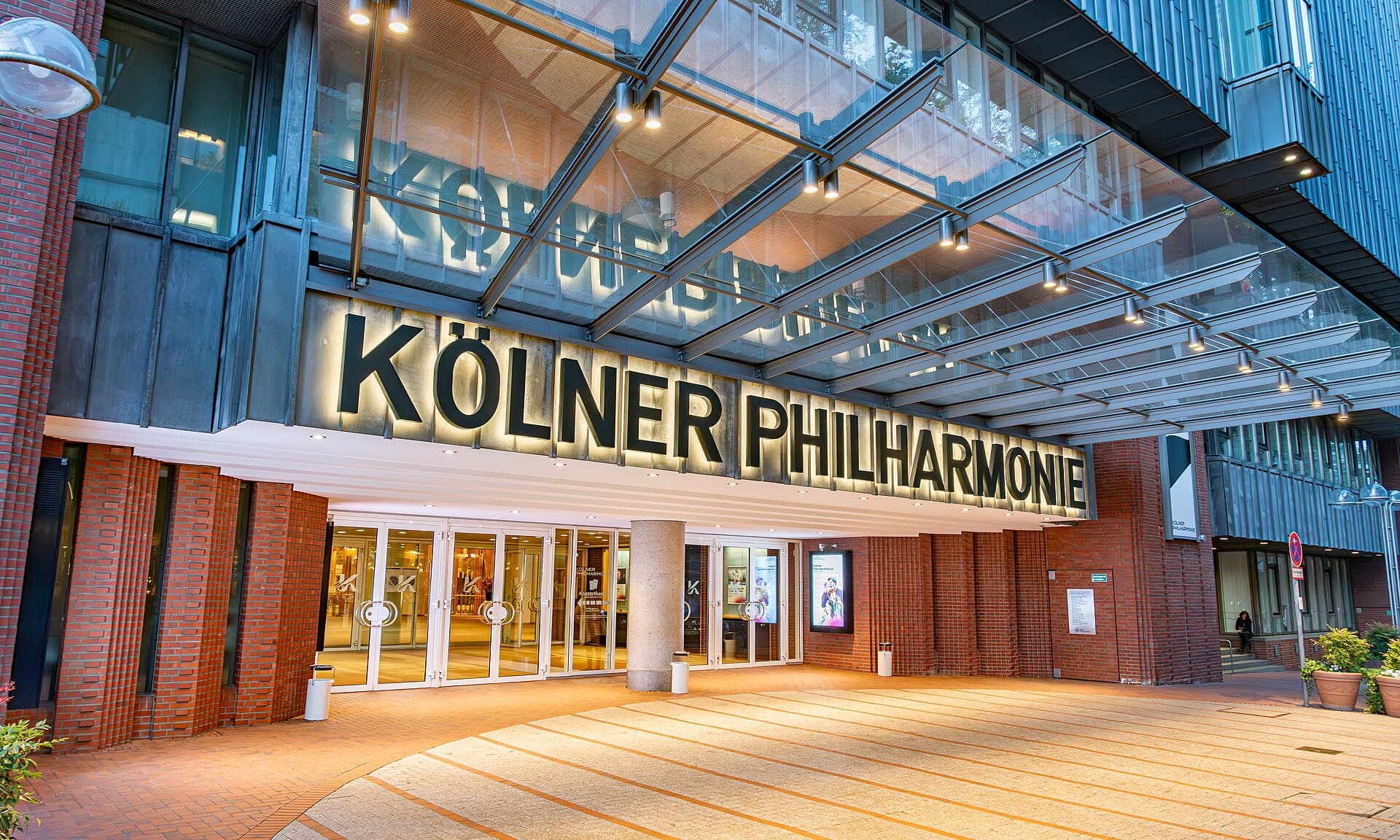 Cologne PhilharmonieCologne's principal concert hall opened in nineteen eighty-six, sunk into the gr1 minute walk4.7
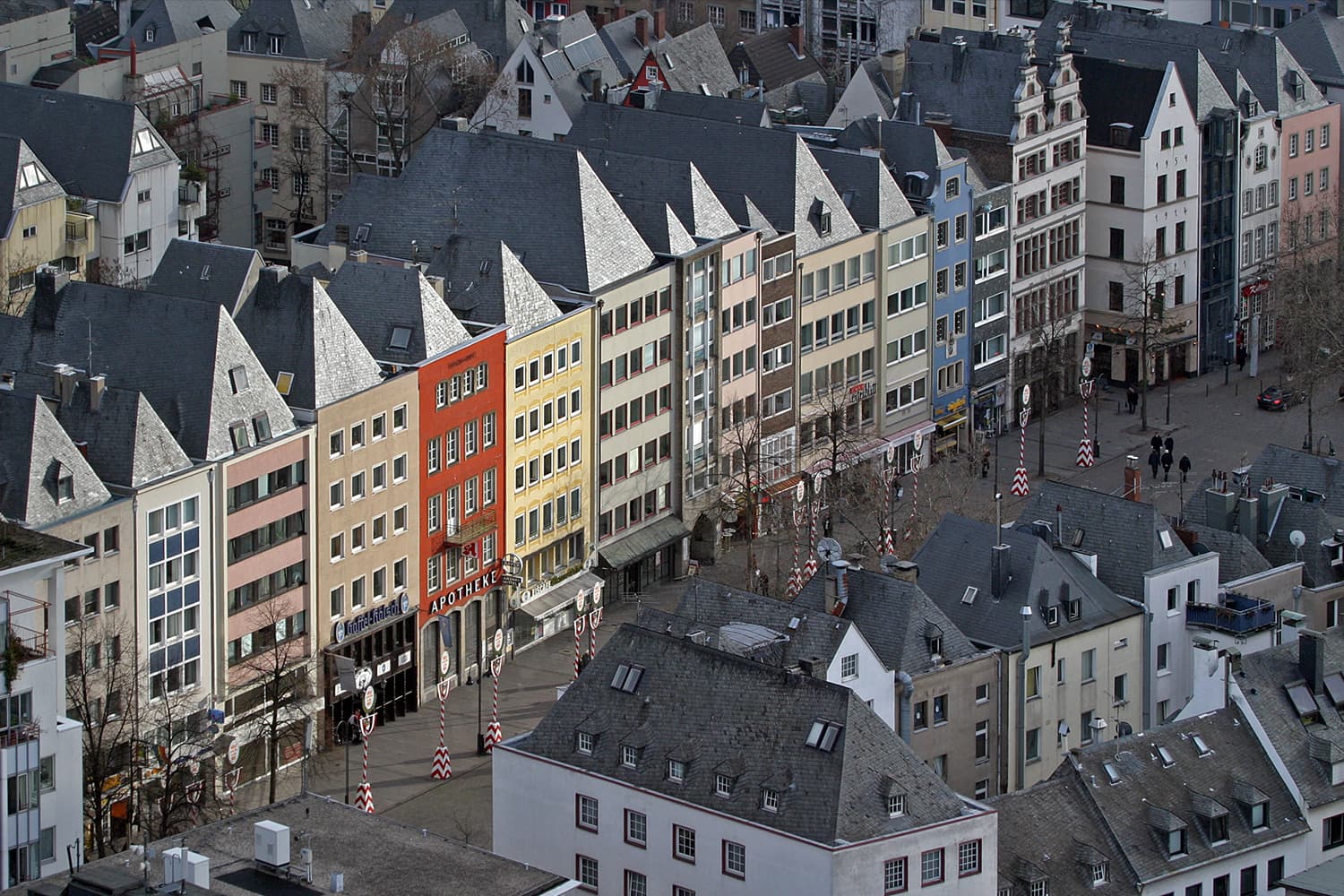 Alter MarktThe Alter Markt is Cologne's oldest square and was the city's trading centre fro2 minutes walk4.4
Not in practice. Lending is designed for city residents and requires registration and a local address, exactly like a library card. What is open to a visitor is the gallery, normally free and worth half an hour if its hours align.
The cathedral first, among the most important Gothic buildings in the world and free to enter; the Museum Ludwig for modern art, with an exceptional collection of pop art and German expressionism; and the Romano-Germanic Museum for Roman remains. Cologne is Roman in origin and its underground layers are a fundamental part of it.