
Four kings facing four ways
Asen, Peter, Kaloyan and Ivan Asen II.
Klearchos Kapoutsis — CC BY 2.0 · Ttaanya — CC BY-SA 4.0 · Ttaanya — CC BY-SA 4.0 · Mister No — CC BY 3.0
A monumental sculpture on a bend of the Yantra river in Veliko Tarnovo, raised in 1985 for the eight hundredth anniversary of the uprising of the brothers Asen and Peter. The composition is four bronze horsemen facing outward in four directions, with a giant sword rising about twenty-five metres between them, driven into the base. The horsemen are the kings of the Second Bulgarian Empire: Asen, Peter, Kaloyan and Ivan Asen II. The monument belongs to the monumental manner that dominated the socialist decades — heroic scale, simplified forms and deliberate drama. But unlike many monuments of that period it was not abandoned after 1989, because its subject is national rather than party. Veliko Tarnovo was the capital of the Second Bulgarian Empire between 1185 and 1393, and this monument stands at its historic entrance below Tsarevets hill, which carried the royal fortress. An open public space, free to see.
Asen, Peter, Kaloyan and Ivan Asen II.
Its subject is national rather than party, so it was not abandoned.
Veliko Tarnovo ruled Bulgaria between 1185 and 1393.
The Yantra river peninsula, Veliko Tarnovo
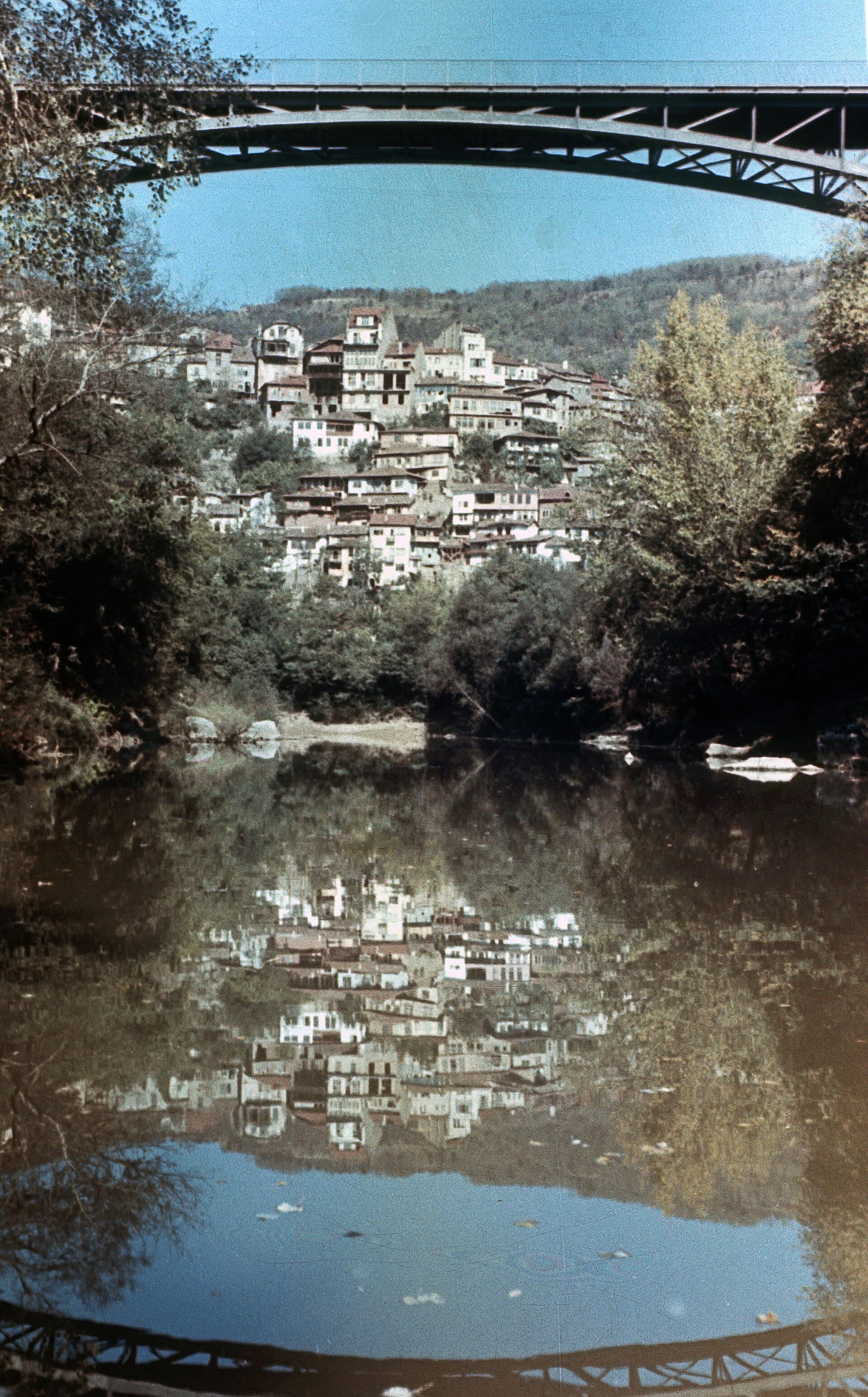 The Stambolov BridgeA stone bridge over the Yantra river in Veliko Tarnovo, built in the late ninete1 minute walk4.8
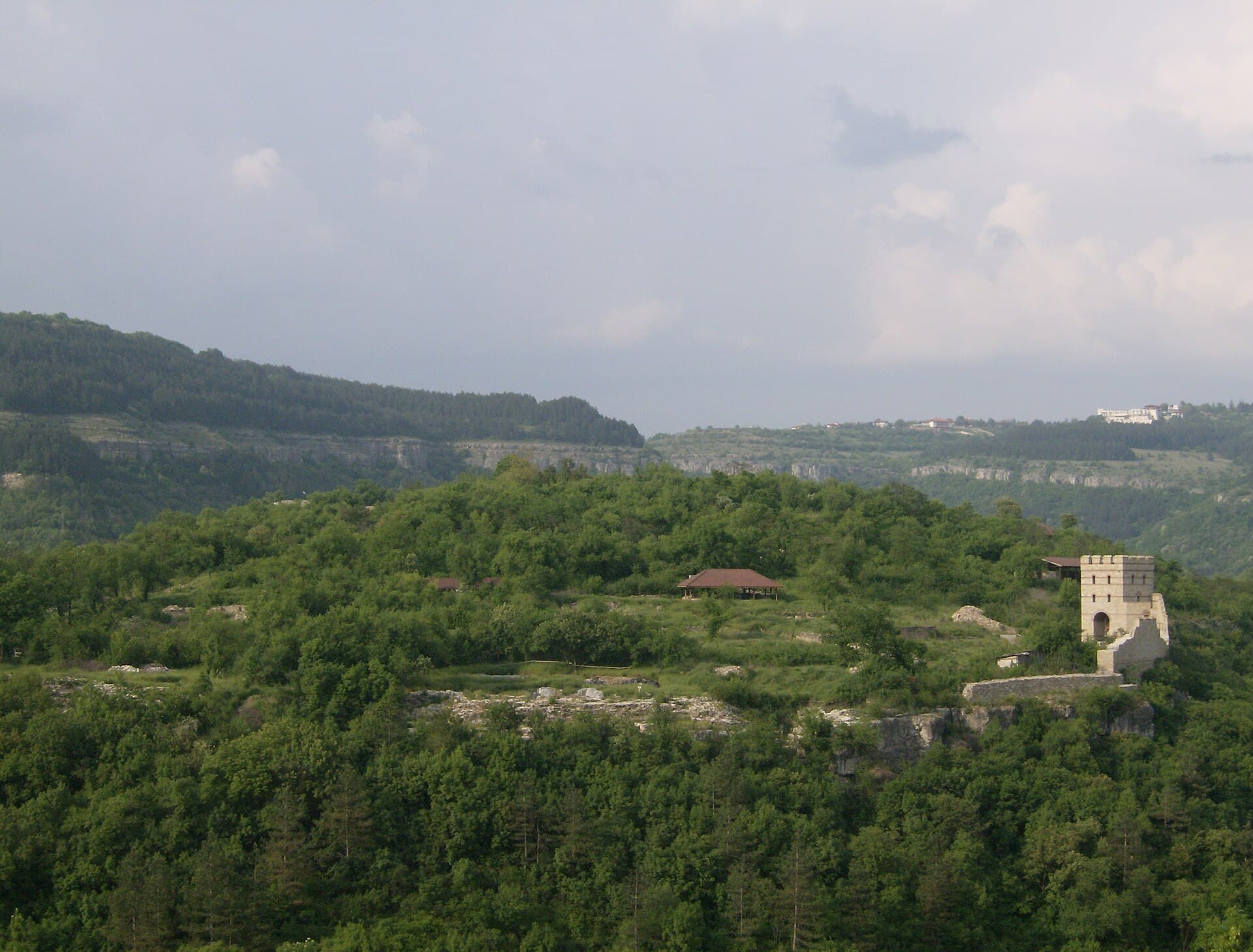 Trapezitsa FortressTrapezitsa is Veliko Tarnovo's second hill, facing Tsarevets across the river, a11 minutes walk4.7
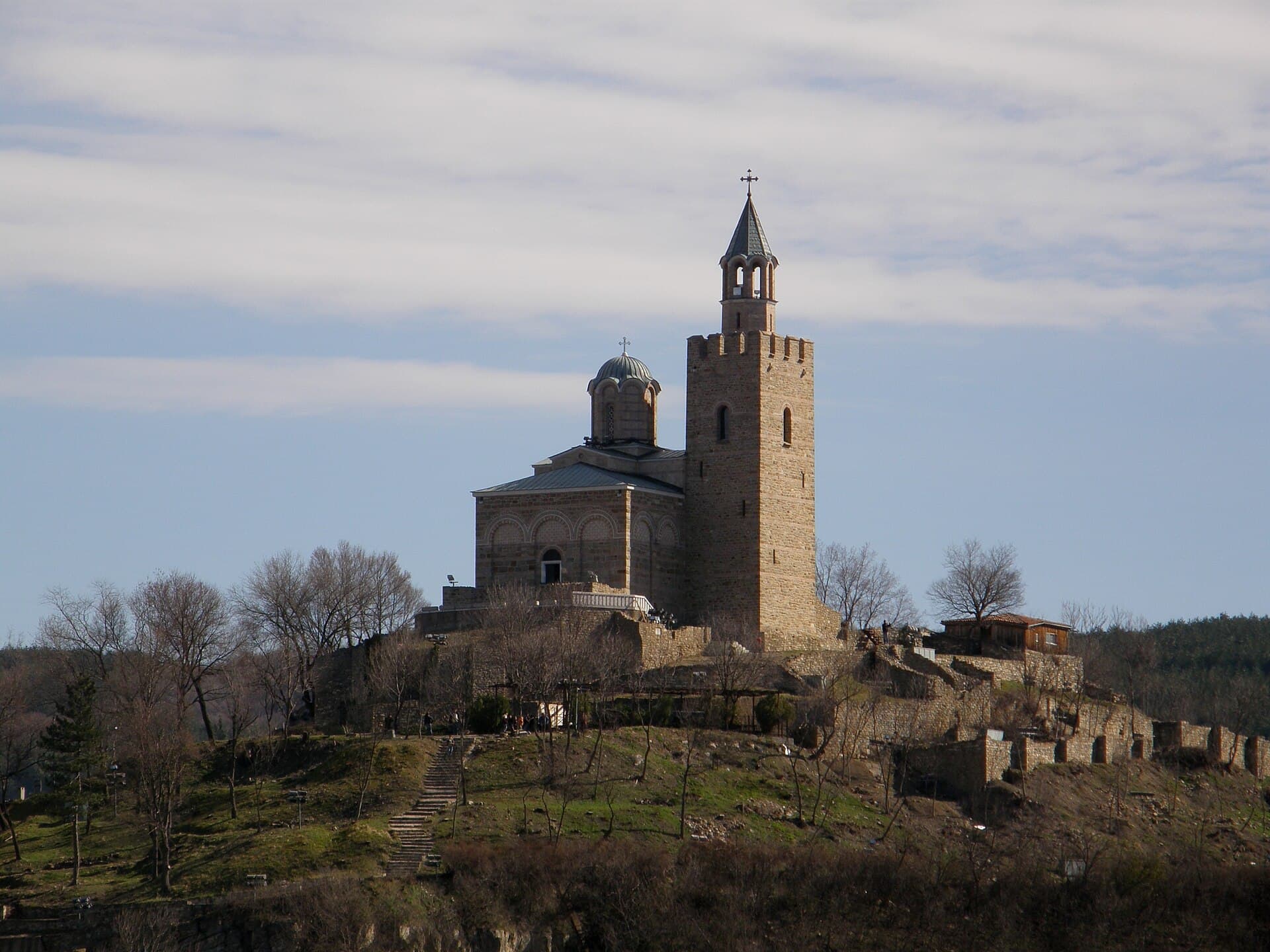 The Patriarchal Cathedral of the AscensionA church on the summit of Tsarevets hill in Veliko Tarnovo, on the site of the p15 minutes walk4.7
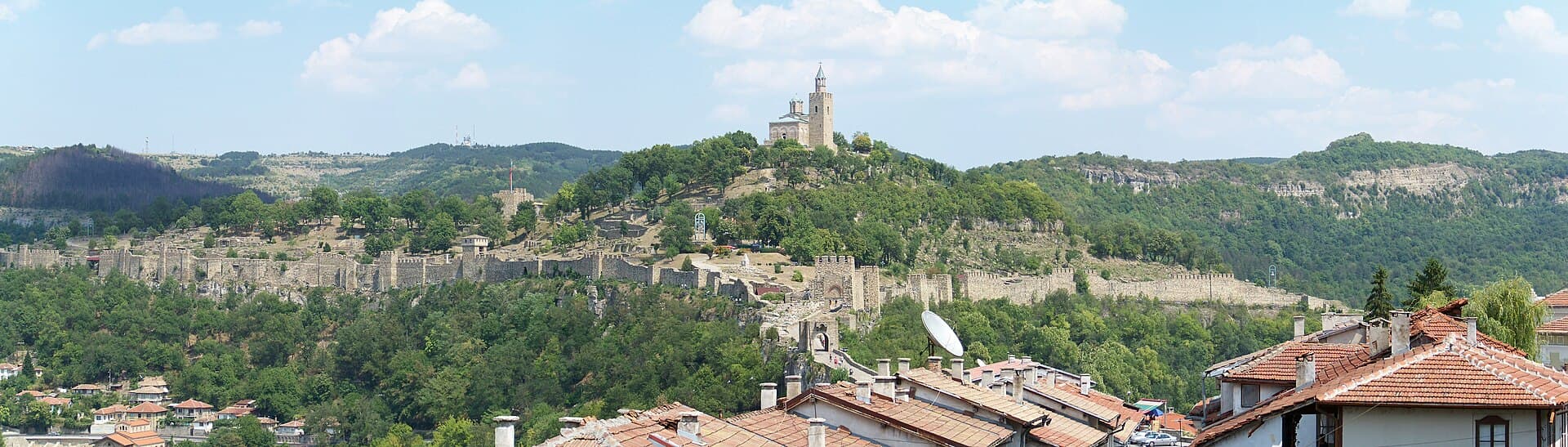 Tsarevets FortressTsarevets is a hill the river Yantra wraps on three sides in an almost complete 15 minutes walk4.8
A state founded in 1185 after the uprising of the brothers Asen and Peter against Byzantine rule, with Veliko Tarnovo as its capital. It reached its height under Ivan Asen II in the first half of the thirteenth century, when it stretched from the Black Sea to the Adriatic. Divisions and invasions then weakened it until Tarnovo fell to the Ottomans in 1393, beginning five centuries of Ottoman rule.
Tsarevets fortress is the main sight: a whole walled hill holding the remains of the royal palace and the patriarchate, needing at least two hours. The Samovodska Charshia craftsmen's quarter with its traditional workshops. And the houses hanging on the river cliff that make the city's image distinctive. Add Arbanasi on the opposite hill, a village of fortified seventeenth-century stone houses.