
The patriarchal church
On the summit, with contested modern paintings.
www.vacacionesbulgaria.com — CC BY-SA 4.0 · Dennis G. Jarvis — CC BY-SA 2.0 · Mister No — CC BY 3.0 · Mister No — CC BY 3.0
Tsarevets is a hill the river Yantra wraps on three sides in an almost complete loop, and on it stood the **capital of the Second Bulgarian Empire** from 1185 to 1393 — this hill was the centre of the Slavic Balkans for two centuries. It held the palace of the tsars, the patriarchal church on the summit, and at its height more than four hundred houses and eighteen monasteries. The entrance is by a narrow bridge over a rock neck and three successive gates, which made it close to impregnable — it fell to the Ottomans in 1393 after a three-month siege. At the northern end is **Execution Rock**, from which traitors were thrown into the river. The walls and towers were rebuilt in the twentieth century, and the patriarchal church on the summit was restored with modern wall paintings that are **contested** — an expressionist style of the 1970s rather than a Byzantine one. In the evening a sound and light show is played over the whole fortress on set dates.
On the summit, with contested modern paintings.
At the northern end, above the river.
Tsarevets hill, Veliko Tarnovo
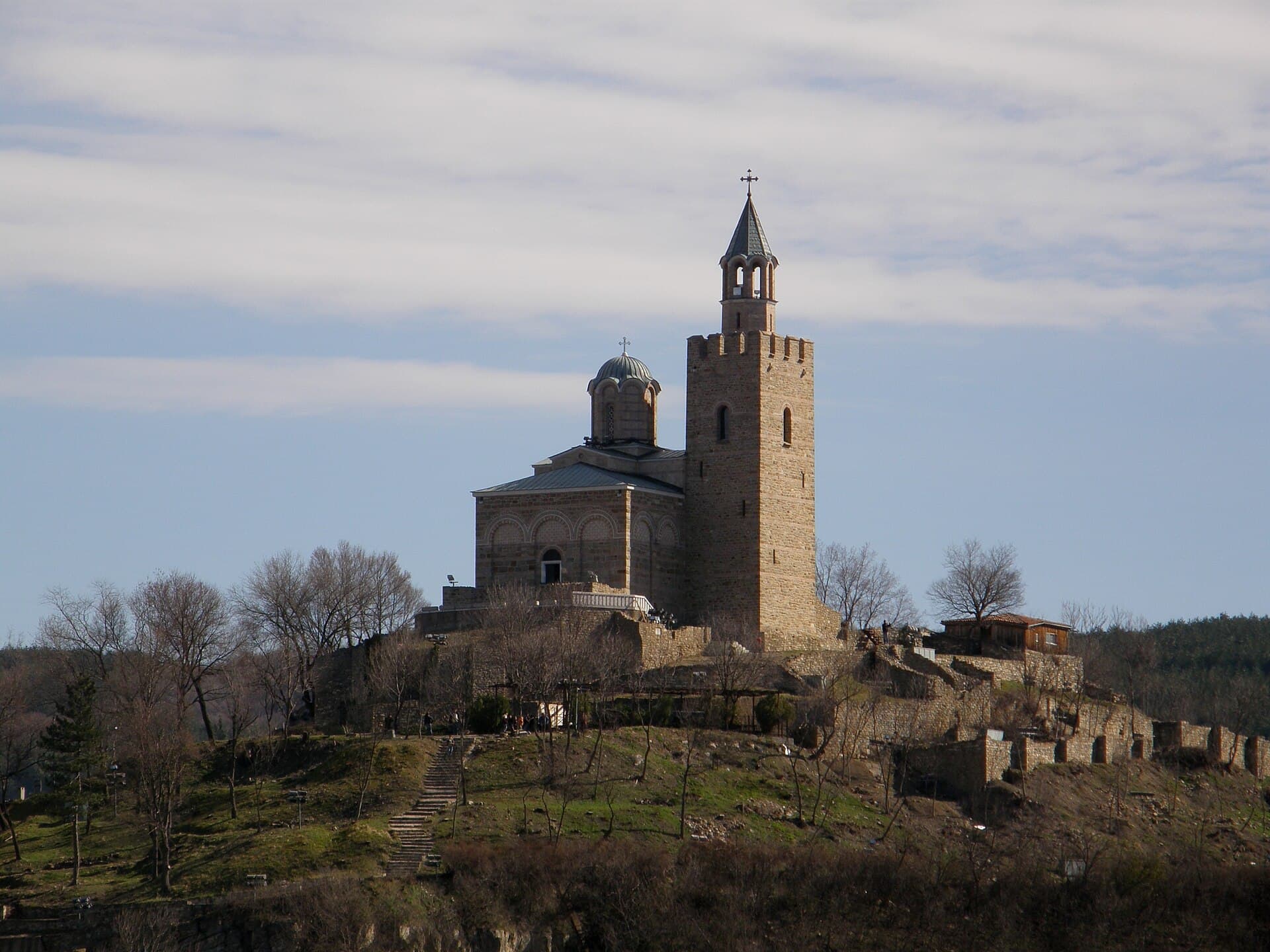 The Patriarchal Cathedral of the AscensionA church on the summit of Tsarevets hill in Veliko Tarnovo, on the site of the p1 minute walk4.7
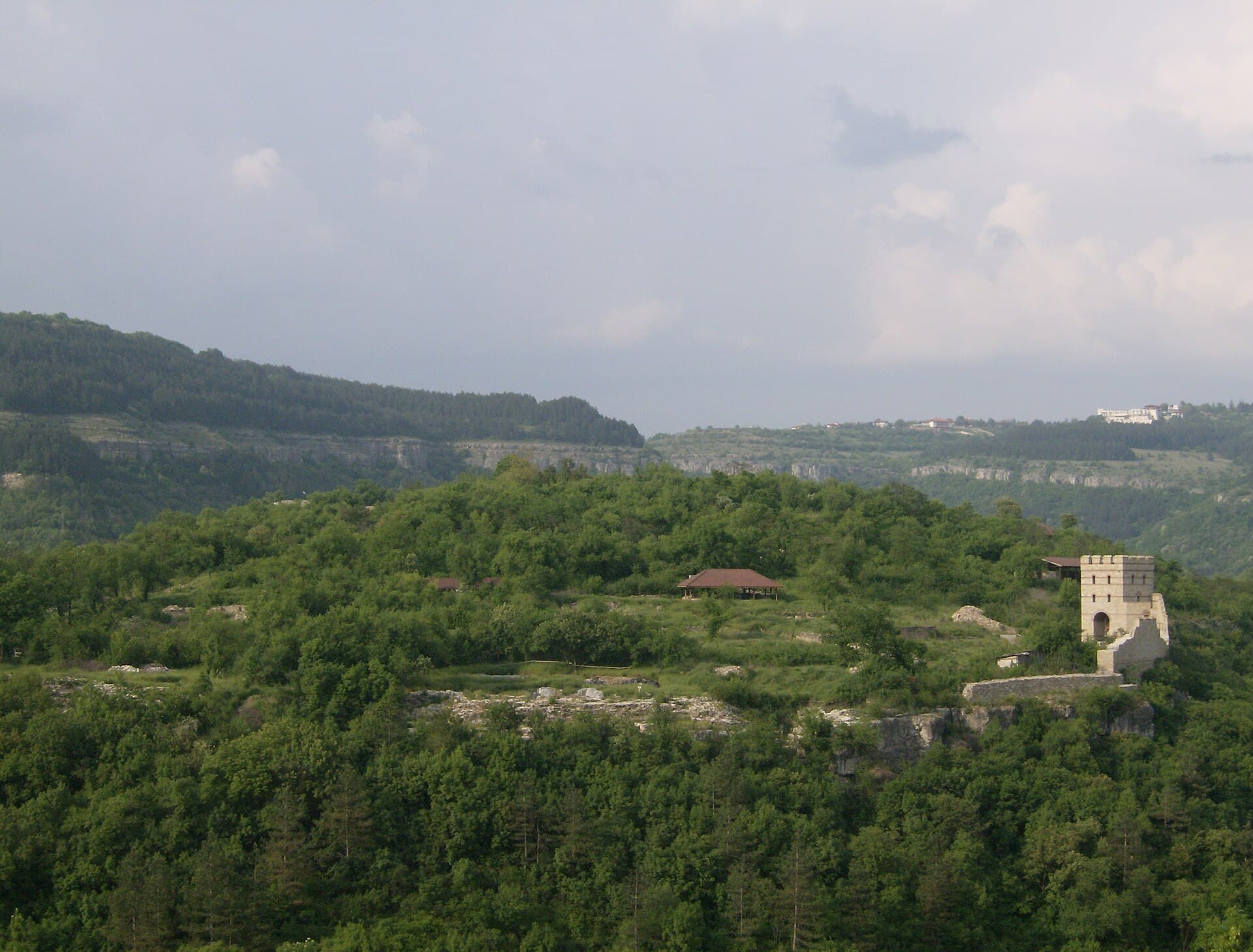 Trapezitsa FortressTrapezitsa is Veliko Tarnovo's second hill, facing Tsarevets across the river, a7 minutes walk4.7
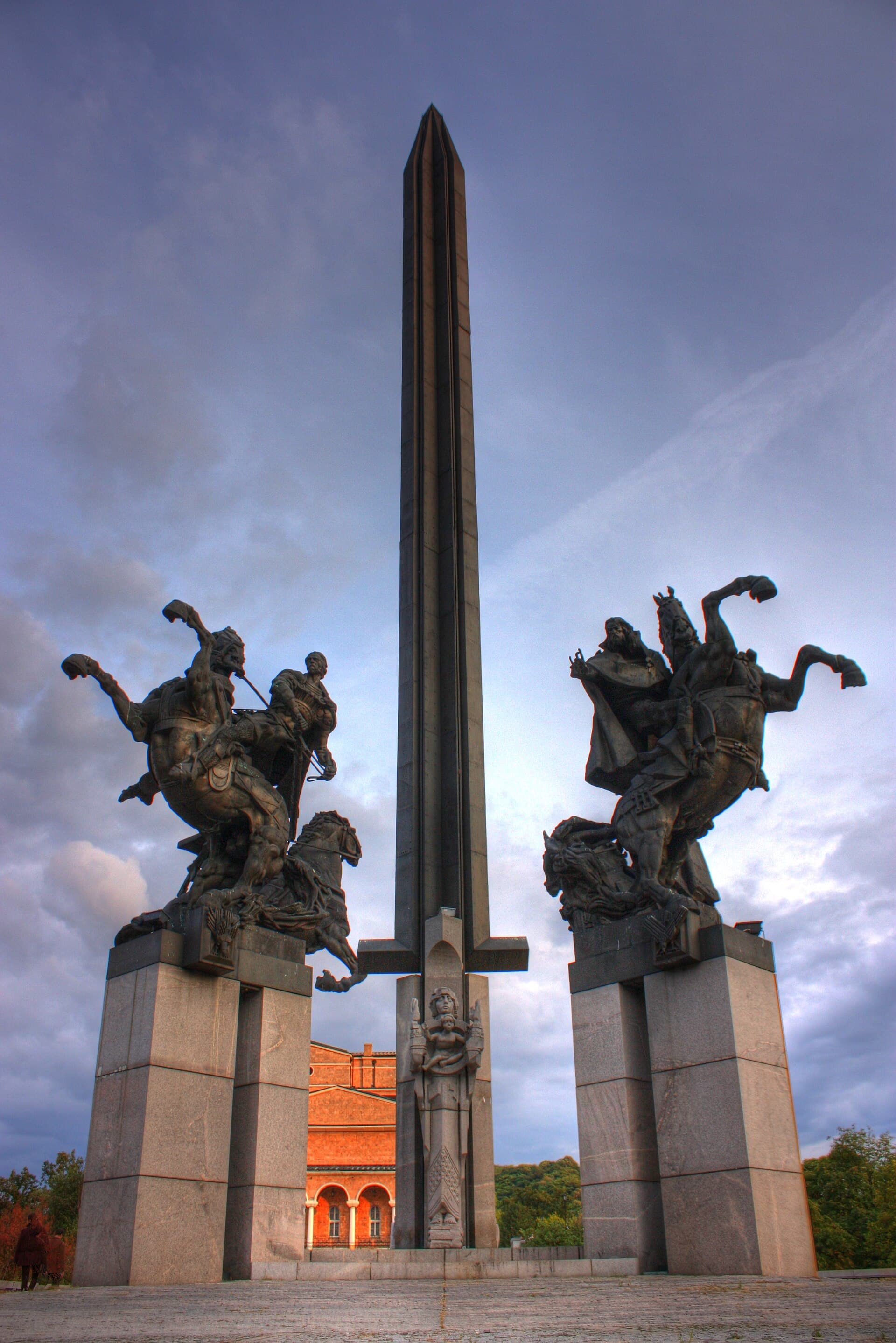 The Asen Dynasty MonumentA monumental sculpture on a bend of the Yantra river in Veliko Tarnovo, raised i15 minutes walk4.9
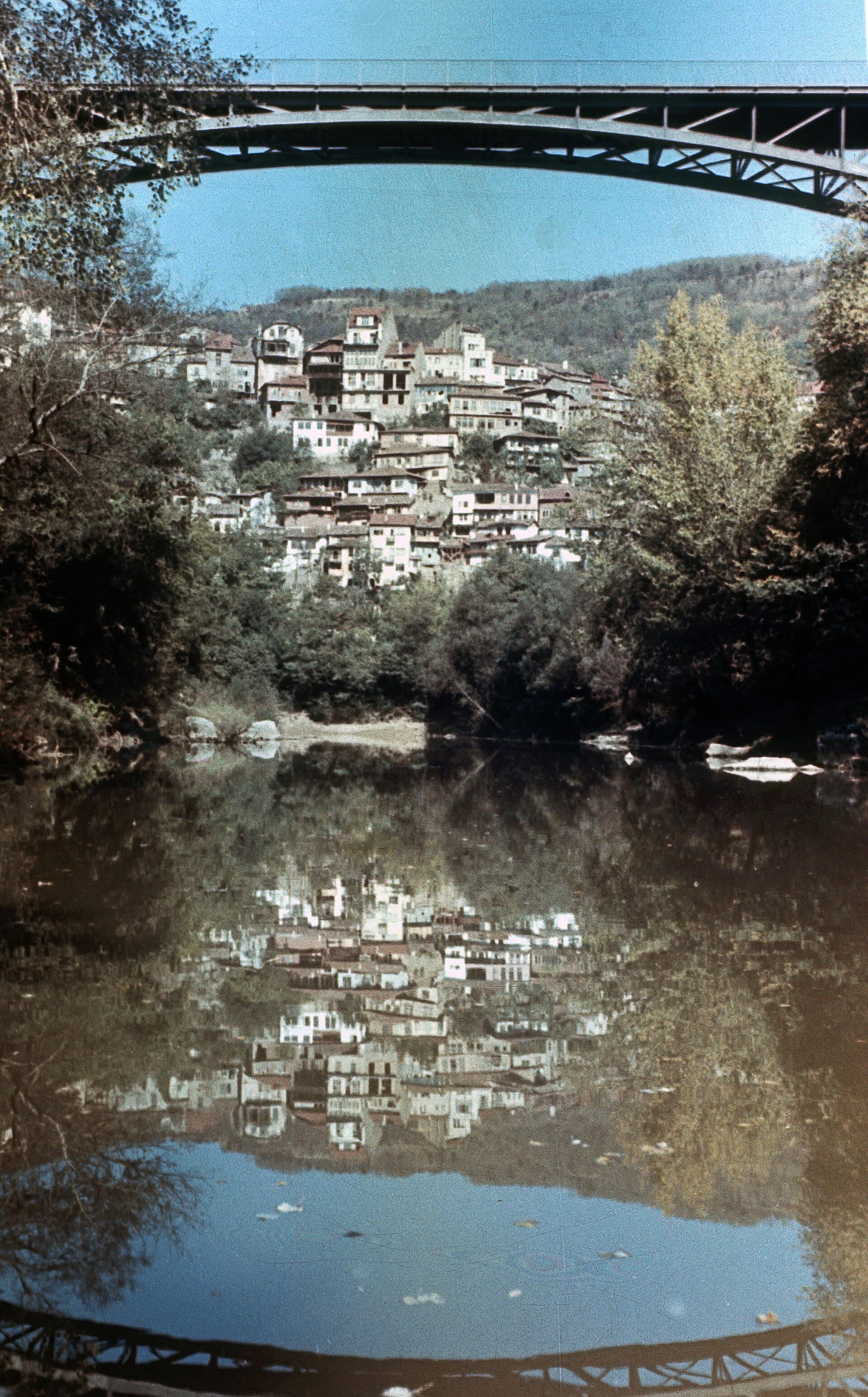 The Stambolov BridgeA stone bridge over the Yantra river in Veliko Tarnovo, built in the late ninete16 minutes walk4.8
A state founded in 1185 when the brothers Asen and Peter rose against Byzantine rule and recovered Bulgarian independence after a century and a half of subjection, taking Tarnovo as their capital. It reached its height under Tsar Ivan Asen II in the thirteenth century, running from the Black Sea to the Adriatic. Its cultural importance is greater than its military: the Tarnovo literary school formed here and reformed Church Slavonic, and its influence spread to Serbia, Russia and Romania — so part of what is read in Slavic Orthodox churches today goes back to this hill. It fell to the Ottomans in 1393.