
Modern murals, not icons
Dark abstract paintings depicting Bulgarian history.
Klearchos Kapoutsis from Santorini, Greece — CC BY 2.0 · MrPanyGoff — CC BY-SA 3.0 · MrPanyGoff — CC BY-SA 3.0 · Mister No — CC BY 3.0
A church on the summit of Tsarevets hill in Veliko Tarnovo, on the site of the patriarchal cathedral of the Second Bulgarian Empire, rebuilt in 1981. The rebuilding is the most contested matter about it. The original twelfth-century church was destroyed with the fall of the city in 1393 and only its foundations remained. The present building was raised on them for the thirteen hundredth anniversary of the Bulgarian state's founding. What makes it unusual is the interior: instead of traditional Orthodox frescoes, the artist Teofan Sokerov covered the walls in modern, dark, abstract and expressionist paintings depicting Bulgarian history — scenes of war, fall and resurrection, in a manner closer to modern art than to iconography. This drew objections from the Orthodox Church, and so the church was never consecrated and no services are held in it: it is a historical and artistic building visited on a ticket, not a place of worship. The view from the summit over the city and the river is among the finest in Bulgaria.
Dark abstract paintings depicting Bulgarian history.
Church objections to the art left it a building, not a temple.
The city and river, among Bulgaria's finest outlooks.
The summit of Tsarevets hill
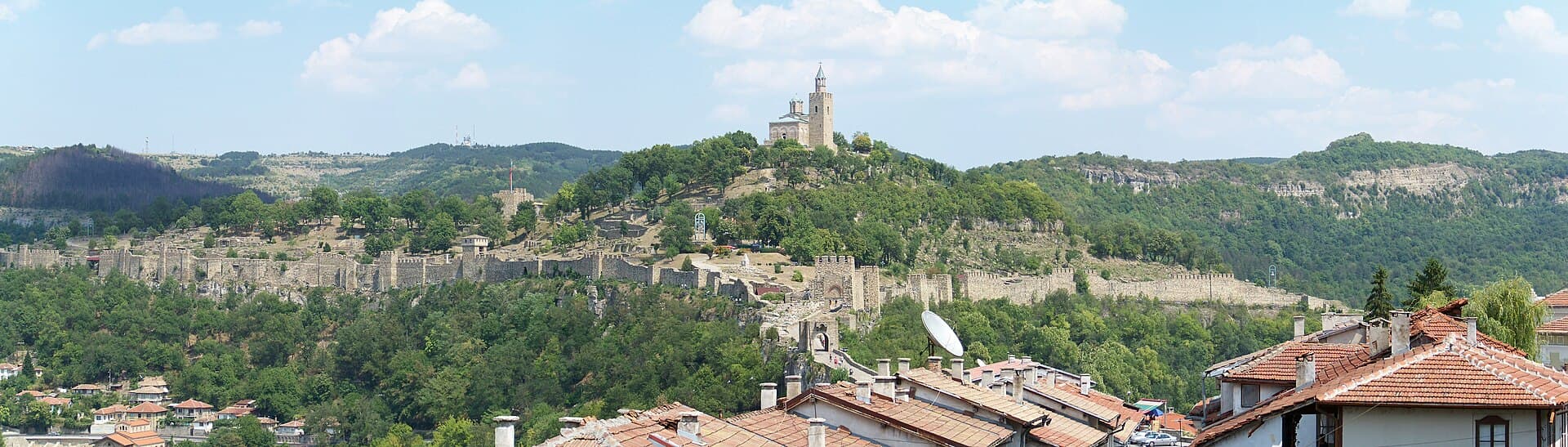 Tsarevets FortressTsarevets is a hill the river Yantra wraps on three sides in an almost complete 1 minute walk4.8
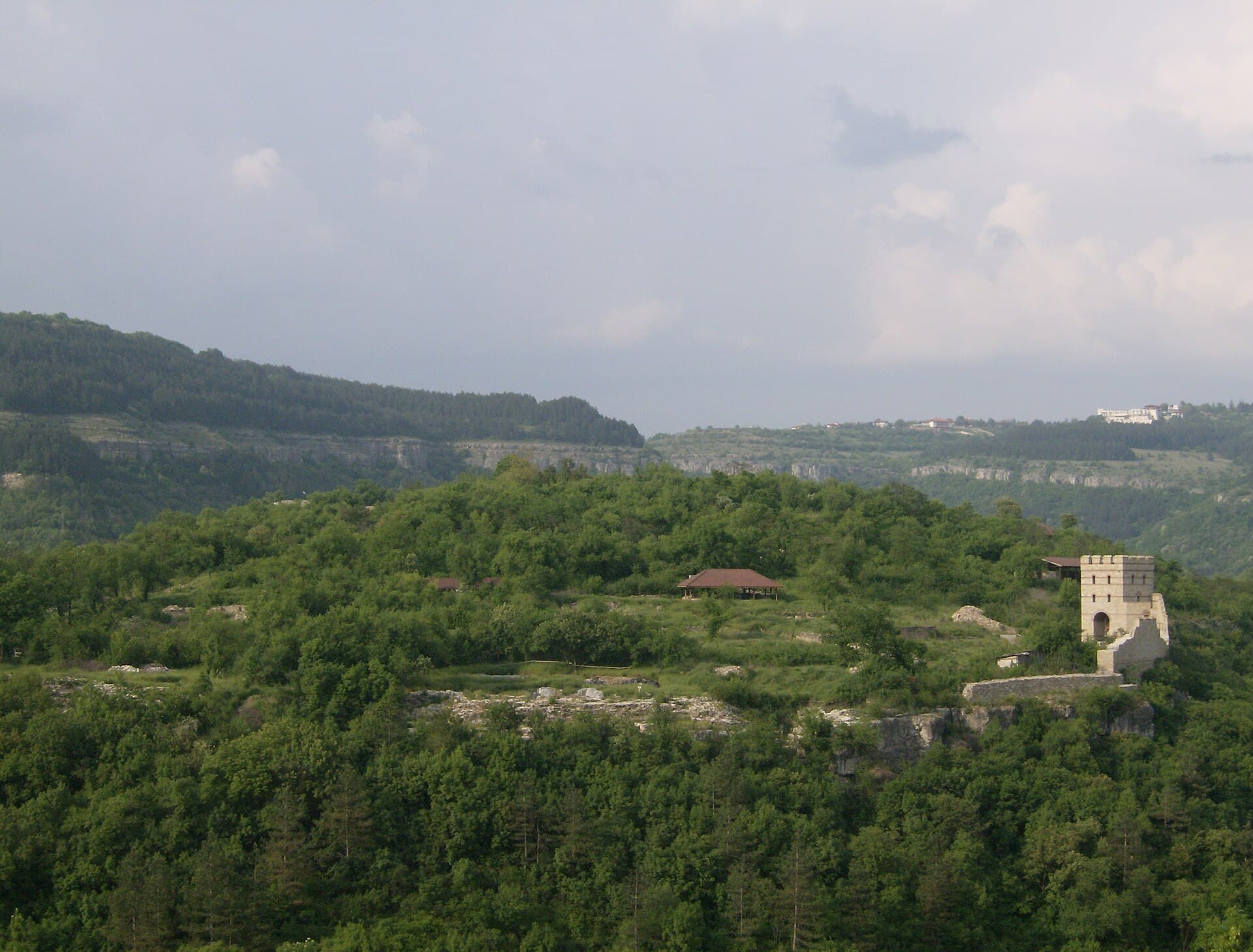 Trapezitsa FortressTrapezitsa is Veliko Tarnovo's second hill, facing Tsarevets across the river, a8 minutes walk4.7
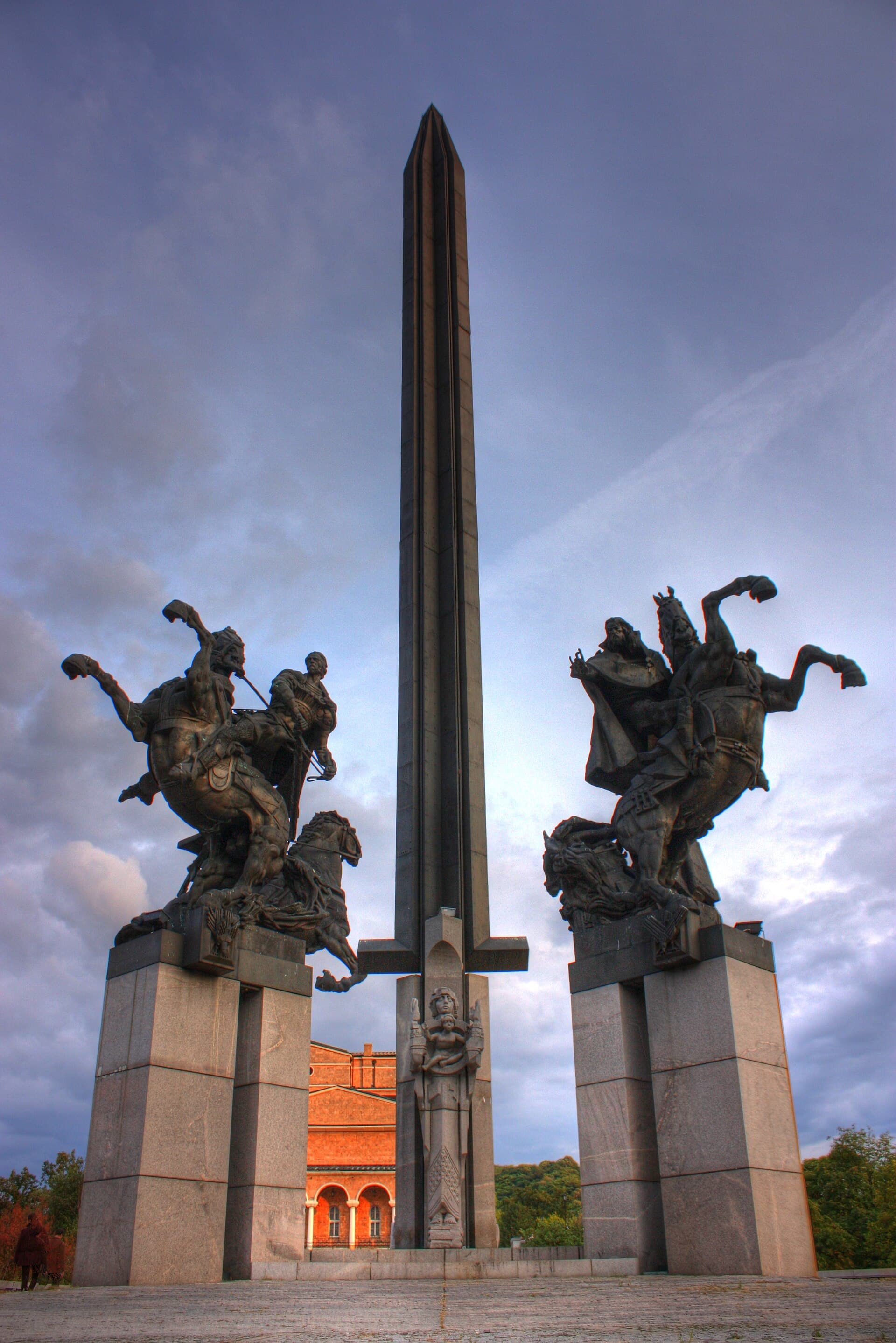 The Asen Dynasty MonumentA monumental sculpture on a bend of the Yantra river in Veliko Tarnovo, raised i15 minutes walk4.9
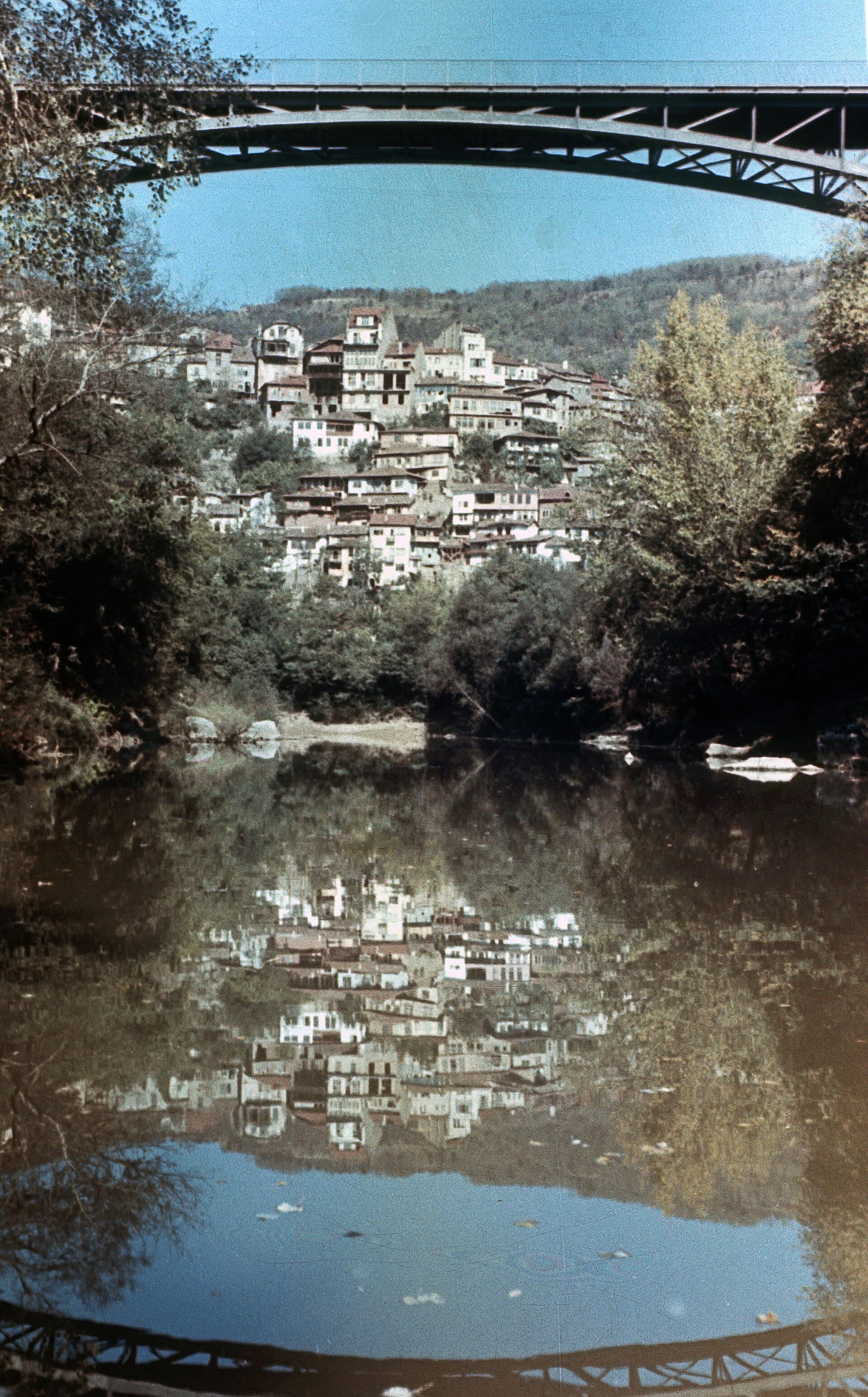 The Stambolov BridgeA stone bridge over the Yantra river in Veliko Tarnovo, built in the late ninete15 minutes walk4.8
A fortified hill that was the centre of the Second Bulgarian Empire: the royal palace, the patriarchate, the nobles' houses and several churches inside walls a kilometre and a half around. It fell to the Ottomans in 1393 after a three-month siege and was destroyed. What you see today is exposed foundations, walls and towers partly rebuilt. The site is large and needs two hours, and there is an evening sound and light show in certain seasons.
Because the Orthodox Church has a strict iconographic tradition: a mural follows theological rules in subject, arrangement and manner, and is not an individual expression by the artist. Sokerov's work is entirely modern — distorted forms, sombre colour and expressionist composition — and the Church saw in it a departure from tradition unfitting for a sacred place. The socialist state at the time was not concerned with the Church's view, so the work remained as it is.