
Three sights at once
The fortress above, the cliff houses, and the river below.
Bin im Garten — CC BY-SA 3.0 · Mark Ahsmann — CC BY-SA 4.0 · Mark Ahsmann — CC BY-SA 4.0 · Mark Ahsmann — CC BY-SA 4.0
A stone bridge over the Yantra river in Veliko Tarnovo, built in the late nineteenth century and named after Stefan Stambolov, the Bulgarian prime minister of that period. Its position is what makes it worth stopping on: it crosses the river at the sharp bend that wraps around Tsarevets hill, so from it you see the fortress above you, the houses hanging on the cliff, and the river below at once. Most of the familiar images of Veliko Tarnovo are taken from here or near it. Stambolov himself is a contested figure in Bulgarian history: he led the country with a strong hand in its first years after independence, defended its independence from Russian influence, and suppressed his opponents severely. He was assassinated in Sofia in 1895. The whole city is built on steep slopes around three bends of the river, which is why its streets are stepped and its houses appear to hang above one another. A public bridge, open and free to cross.
The fortress above, the cliff houses, and the river below.
He defended Bulgaria's independence and crushed opponents, and was assassinated in 1895.
Three curves explain its stepped streets.
Over the Yantra river, below Tsarevets hill
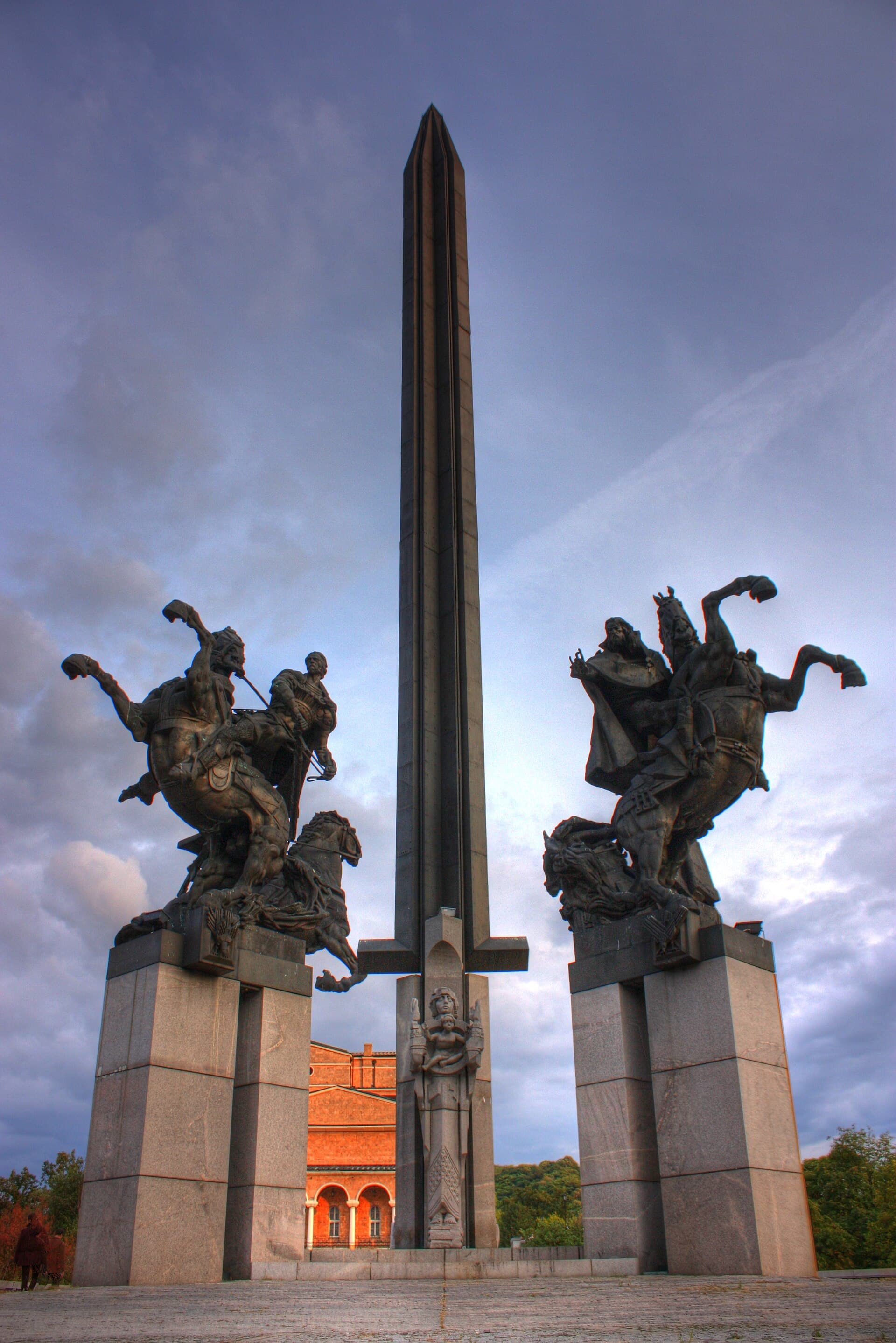 The Asen Dynasty MonumentA monumental sculpture on a bend of the Yantra river in Veliko Tarnovo, raised i1 minute walk4.9
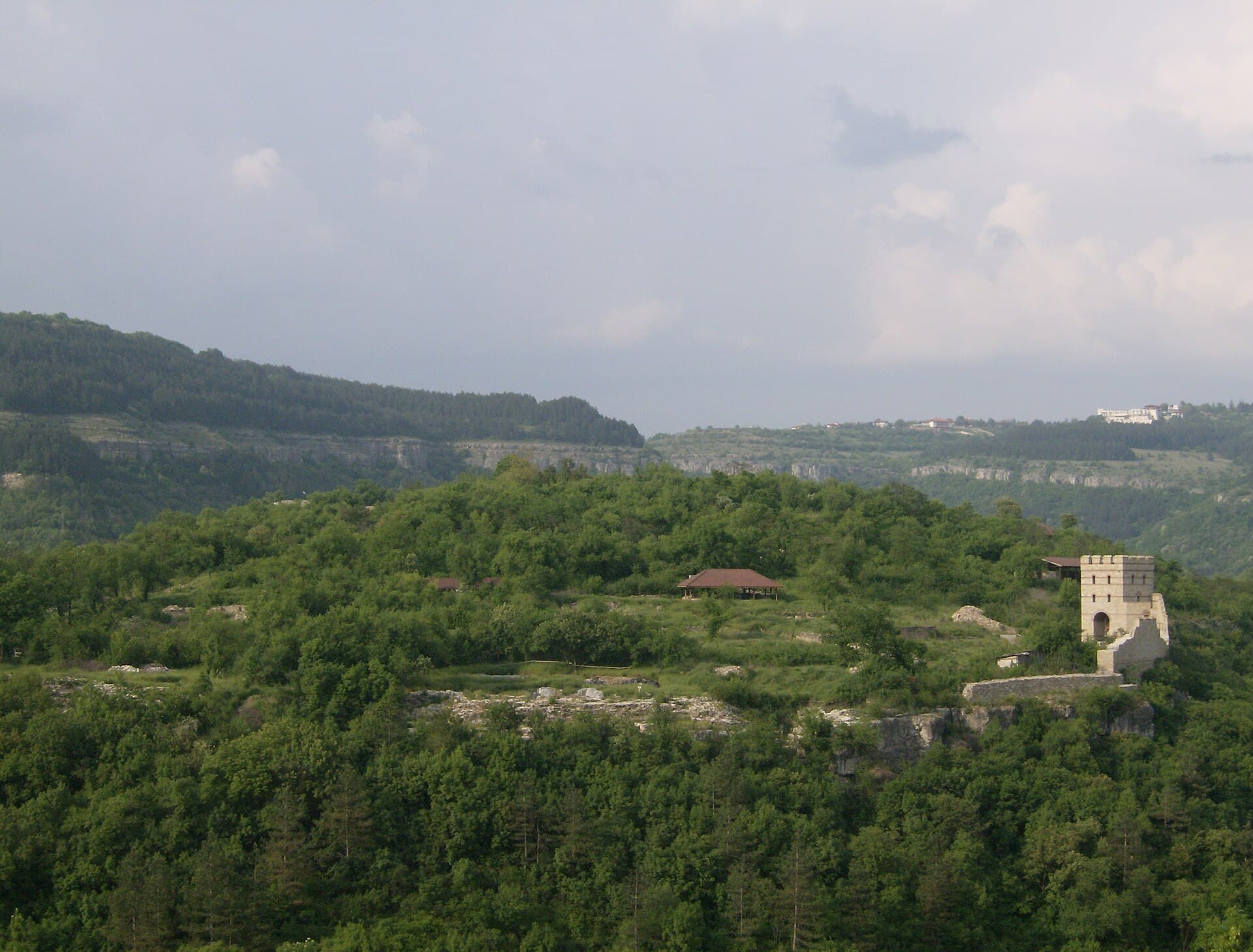 Trapezitsa FortressTrapezitsa is Veliko Tarnovo's second hill, facing Tsarevets across the river, a12 minutes walk4.7
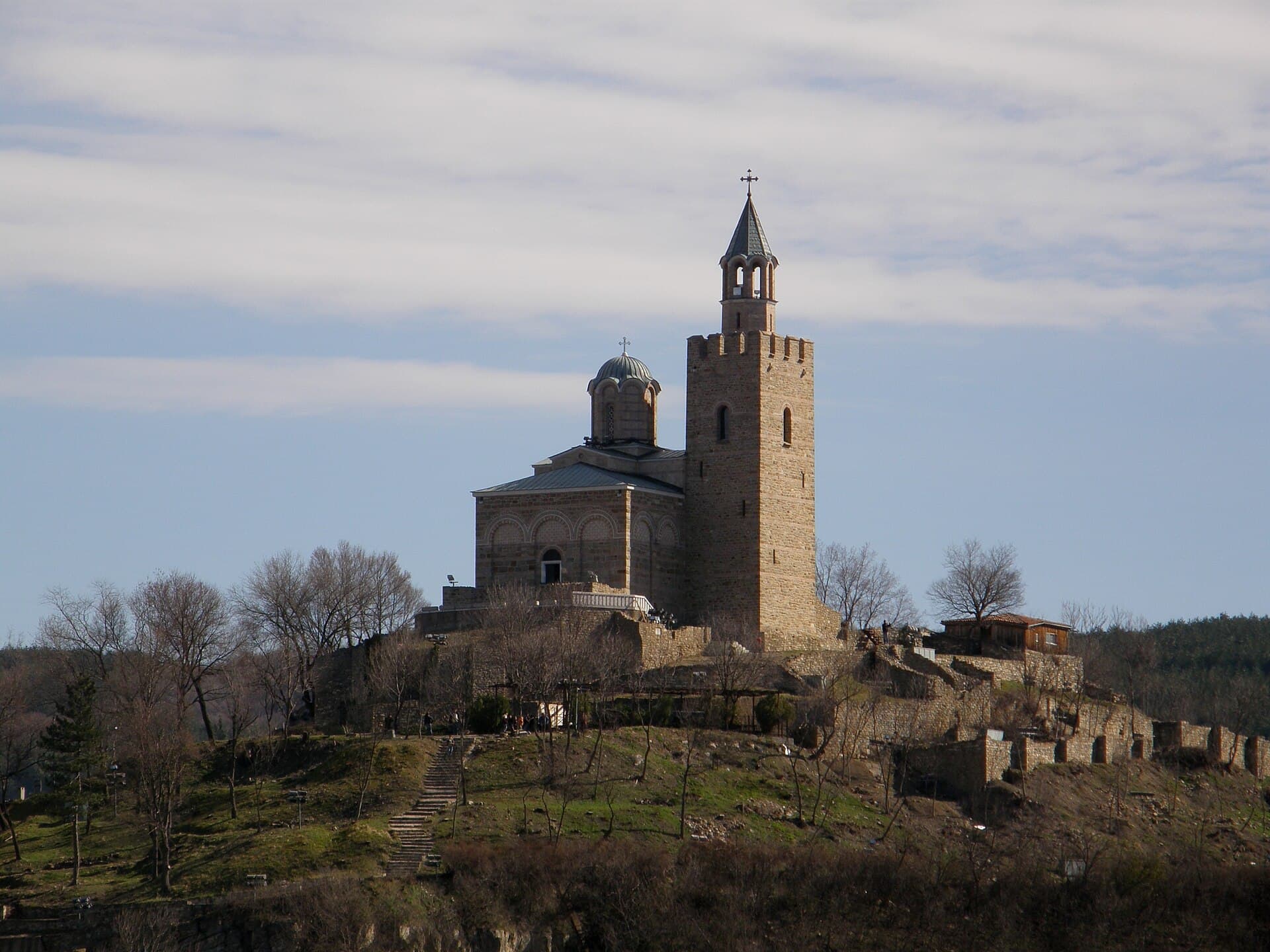 The Patriarchal Cathedral of the AscensionA church on the summit of Tsarevets hill in Veliko Tarnovo, on the site of the p15 minutes walk4.7
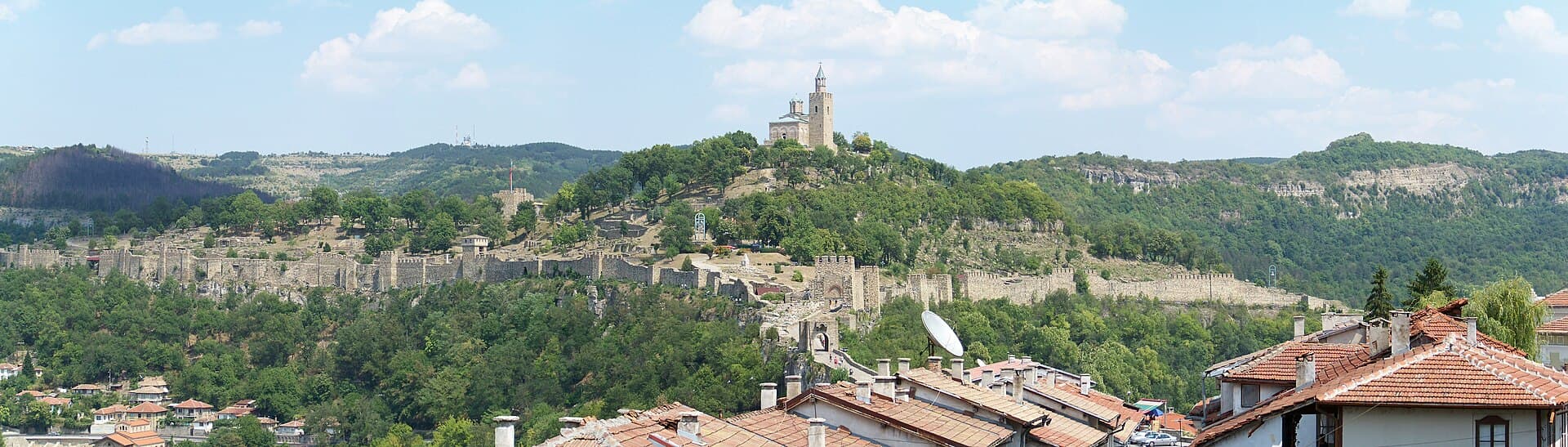 Tsarevets FortressTsarevets is a hill the river Yantra wraps on three sides in an almost complete 16 minutes walk4.8
Because it is built on steep slopes around the river, so the height difference between one street and the next can be tens of metres, crossed by steps or very steep streets. Horizontal distances are short but the effort is considerable. The practical rule is to plan your route downhill rather than up, and take a taxi up to Tsarevets if your knees object.
Spring and autumn: the weather is mild, the slopes easier, and the colours around the river in October particularly fine. Summer is very hot and the climb to the fortress at midday is punishing. Check the schedule of the Tsarevets sound and light show if you are staying overnight — it runs on set nights rather than daily.