
The sail roof
Three volumes under one curved glass roof, with a water channel between them.
Vidar Iversen — CC BY-SA 3.0 · Holger Uwe Schmitt — CC BY-SA 4.0 · Holger Uwe Schmitt — CC BY-SA 4.0 · Holger Uwe Schmitt — CC BY-SA 4.0
A private museum of contemporary art on the tip of the Tjuvholmen peninsula, in a building by the Italian architect Renzo Piano that opened in 2012. The building is among the boldest things built in Oslo recently: three timber and glass volumes under a single curved glass roof shaped like a sail, with a water channel running between them. The collection concentrates on international contemporary art since the 1980s and holds work by major names in the field. The programme turns on large temporary exhibitions, so what you see depends on when you visit. What makes the site worthwhile even for those uninterested in contemporary art is its surroundings: an open, free sculpture park on the water, a small beach, and a waterfront promenade linking it to the Aker Brygge district. The whole area is newly built and shows how Oslo turned its waterfront from an industrial port into an extension of the city, a transformation much like the ones in Bilbao and Barcelona.
Three volumes under one curved glass roof, with a water channel between them.
Outdoor works on the water that can be seen without entering the museum.
The district shows how Oslo turned its industrial port into an extension of the city.
Tjuvholmen peninsula, Oslo
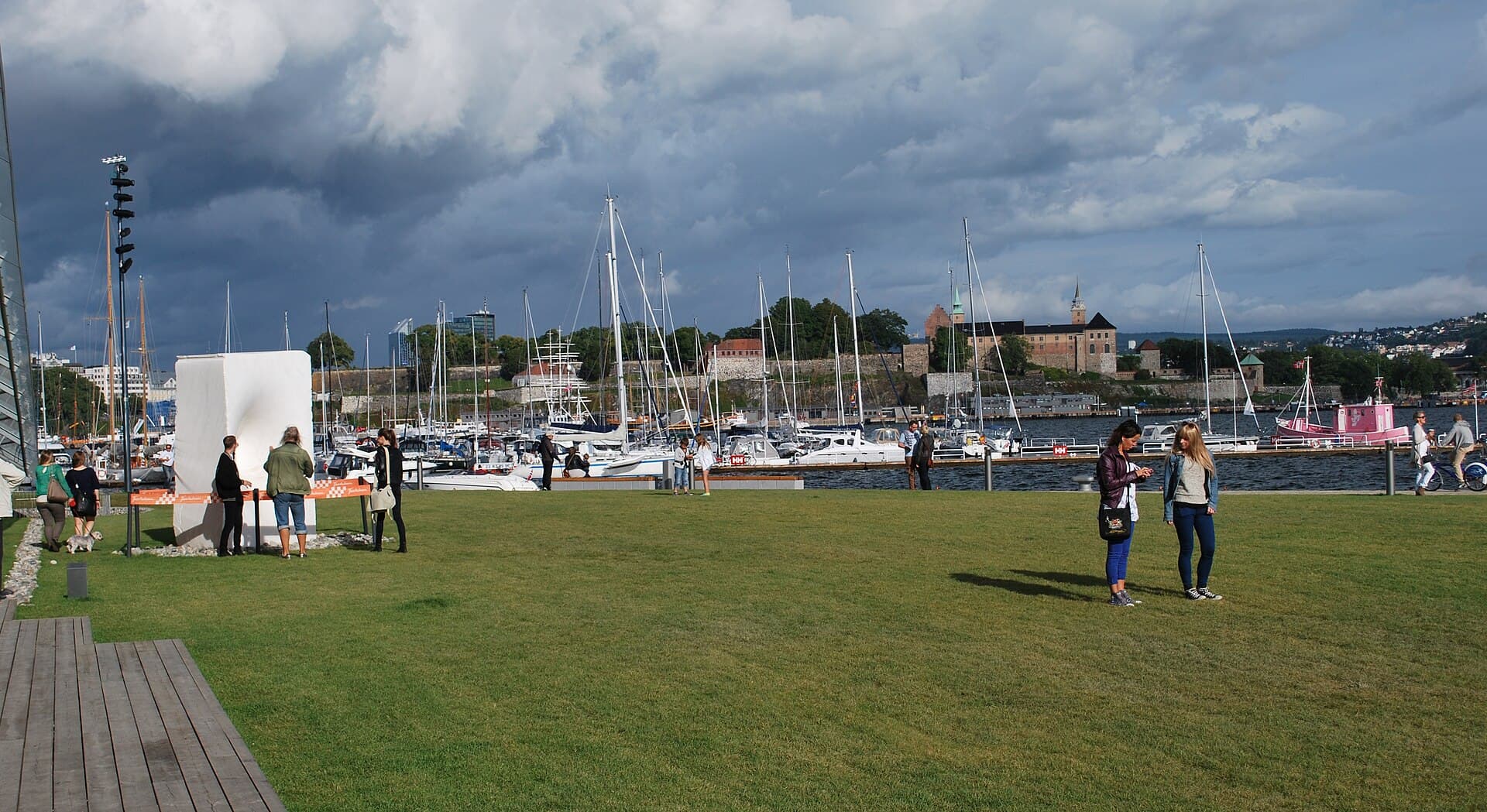 Tjuvholmen Sculpture ParkA small sculpture park at the tip of the Tjuvholmen peninsula on Oslo's waterfro1 minute walk4.5
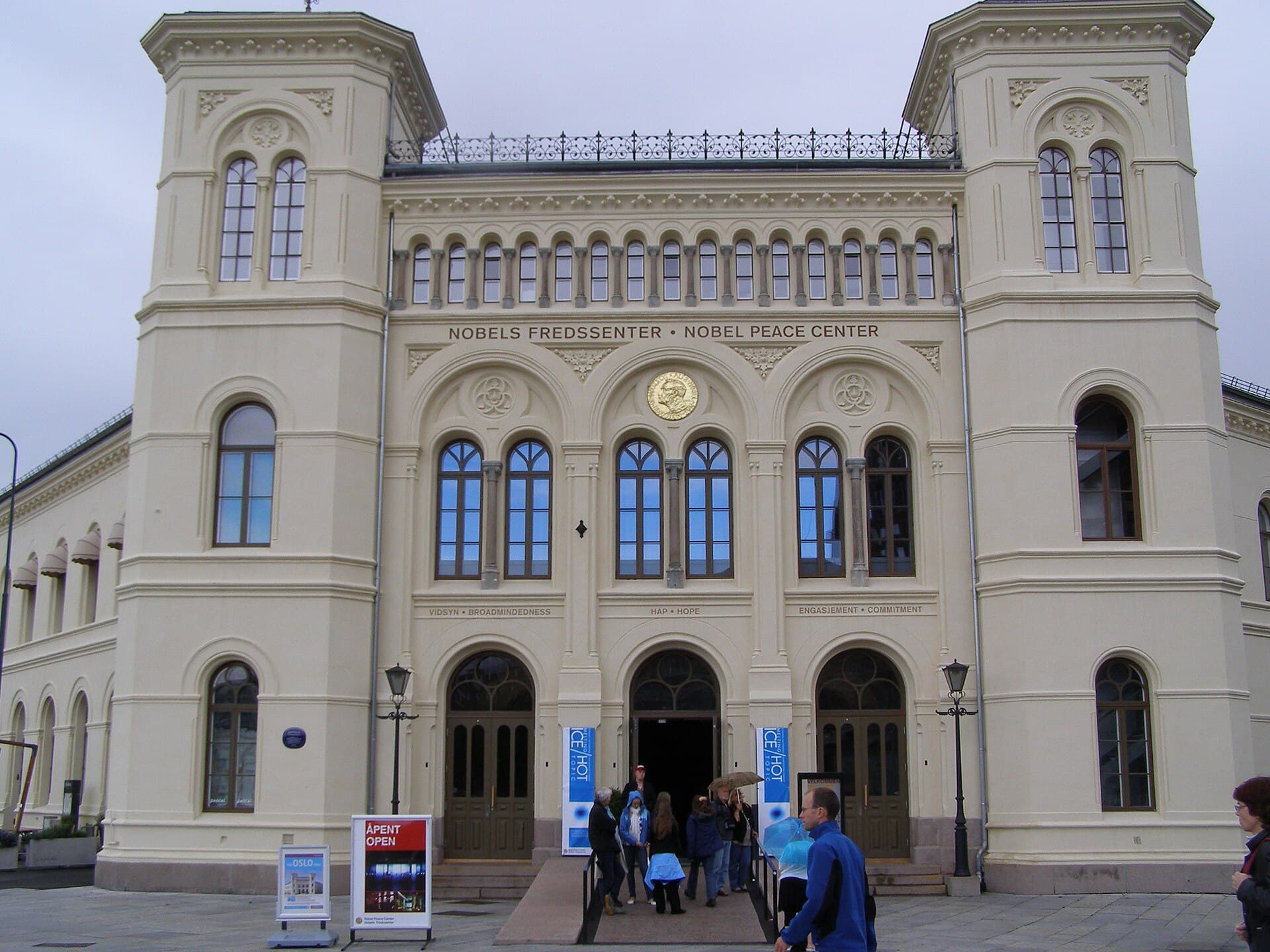 The Nobel Peace CenterThe Nobel Peace Center is the one house telling history's strangest bequest: Alf9 minutes walk4.3
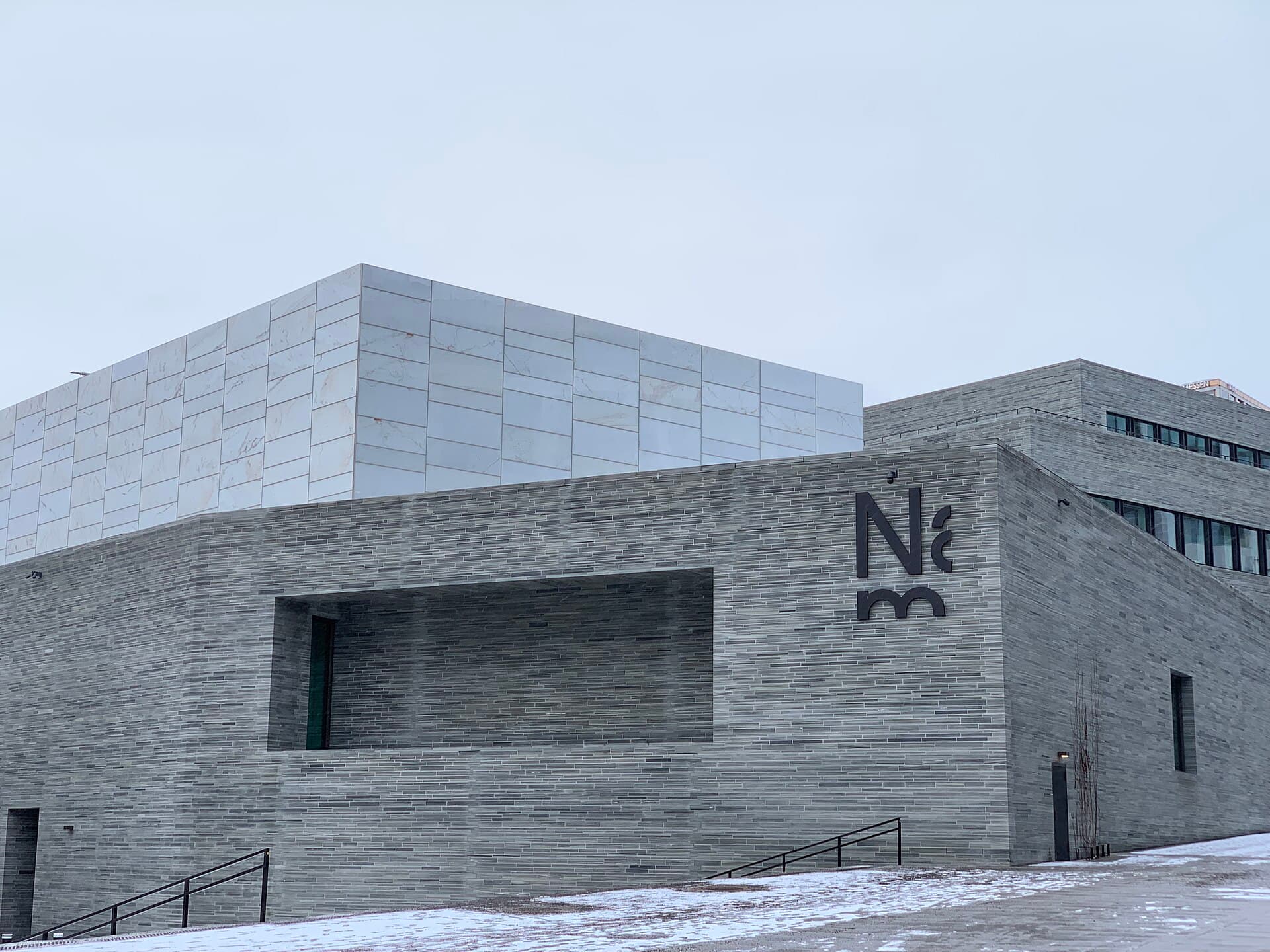 The National Museum of Art, Architecture and DesignNorway's National Museum is all Nordic Europe's largest: opened (2022) in a mass10 minutes walk4.5
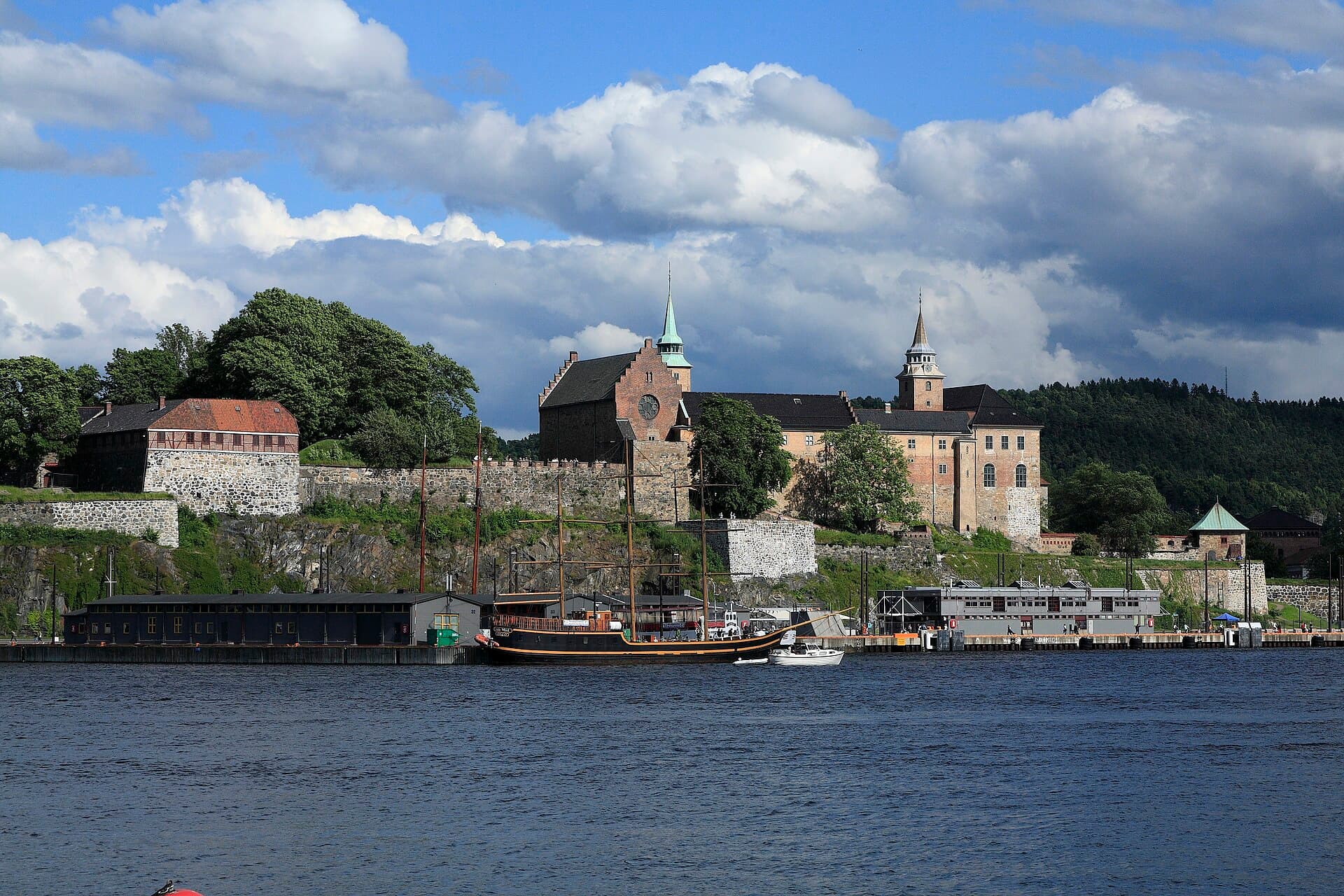 Akershus FortressAkershus is the fortress that guarded Oslo seven hundred years without ever fall10 minutes walk4.4
 The Ibsen Museum and TheatreThe Ibsen Museum occupies the apartment where Henrik Ibsen spent the last eleven12 minutes walk4.4
Probably not for the interior, but the surroundings are worth the trip without one: the building from outside, the sculpture park and the waterfront promenade are all free. Oslo is an expensive city and this is a good way to spend time well without spending money.
Walking the waterfront from Aker Brygge to Tjuvholmen is the natural arrangement, and it can end at the opera house to the east, whose sloping roof you can walk up for free. The three together make a half day on the water.