
Auditory illusion
Experiments proving the brain invents what it heard.
AUDIOVERSUM / daniel zangerl photographer — CC BY-SA 4.0 · Pete mk — CC BY-SA 4.0 · Simon Legner (User:simon04) — CC BY-SA 4.0 · AUDIOVERSUM / daniel zangerl photographer — CC BY-SA 4.0
AUDIOVERSUM is a science centre devoted to a single subject: hearing. Not a general science museum but a complete interactive exhibition on how sound reaches the ear and how the brain turns it into meaning. The stations are all experimental: rooms testing your ability to locate the direction of a sound, a simulation of what someone with impaired hearing hears, experiments in auditory illusion proving that the brain invents what it thinks it heard, and enlarged models of the three bones of the middle ear — the smallest bones in the body. The background explains why this centre is in Innsbruck in particular: MED-EL is headquartered here, one of the world leaders in cochlear implants for the deaf, and it founded the centre. The result is an exhibition both scientifically precise and clear, and among the most successful things to do in Innsbruck with children on a wet day.
Experiments proving the brain invents what it heard.
The world as someone with hearing loss hears it.
Wilhelm-Greil-Strasse 23, 6020 Innsbruck
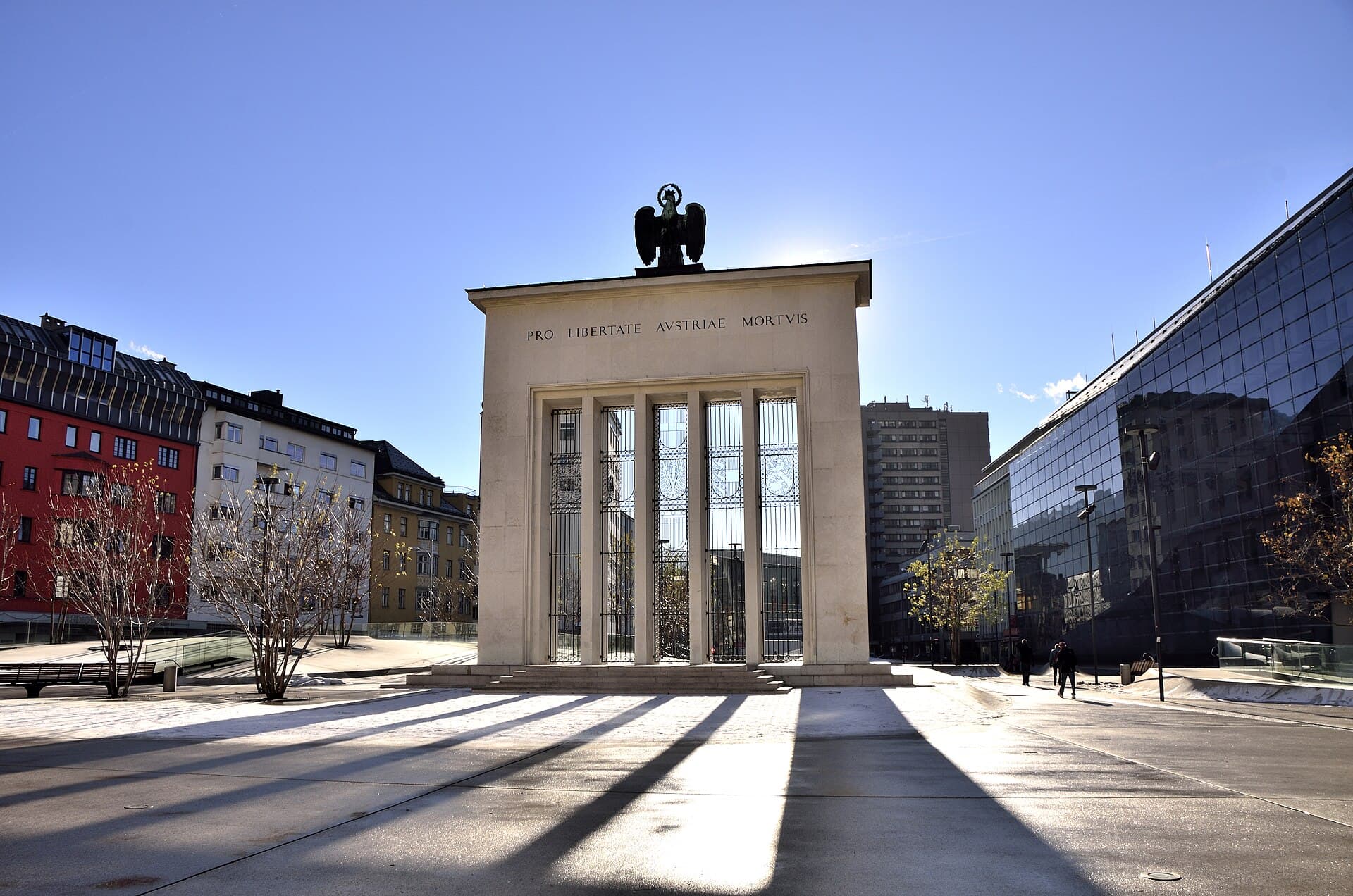 Eduard-Wallnöfer-PlatzA large square south of the old town, known locally as Landhausplatz, redesigned1 minute walk4.2
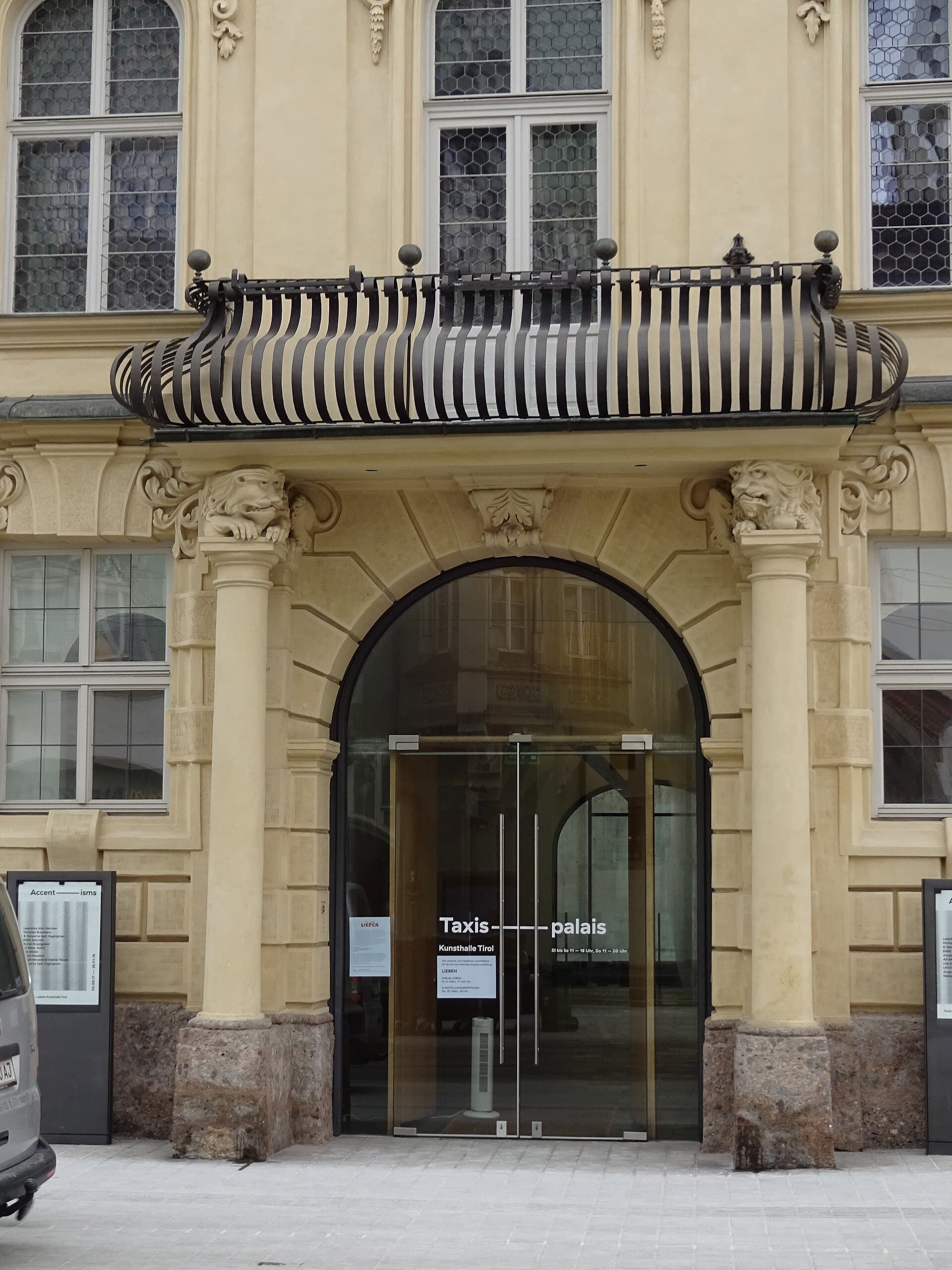 Taxispalais — Kunsthalle TirolA Baroque palace on Maria-Theresien-Straße, Innsbruck's main street, working tod2 minutes walk4.2
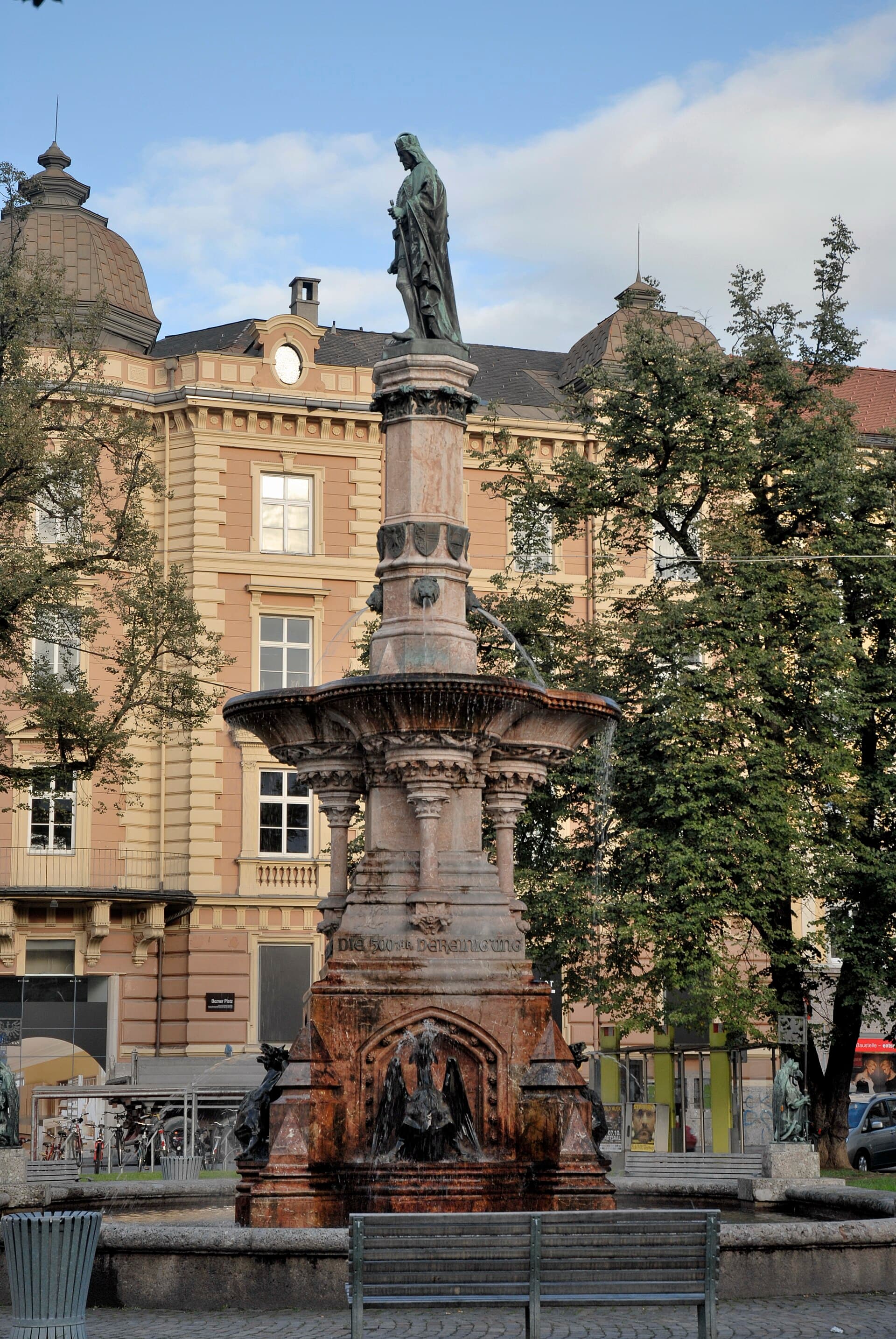 The Rudolf FountainA commemorative fountain on Bozner Platz near the railway station, raised in the2 minutes walk4.5
 The Triumphal ArchThe Triumphal Arch closes the southern end of Maria-Theresien-Strasse, Innsbruck2 minutes walk4.4
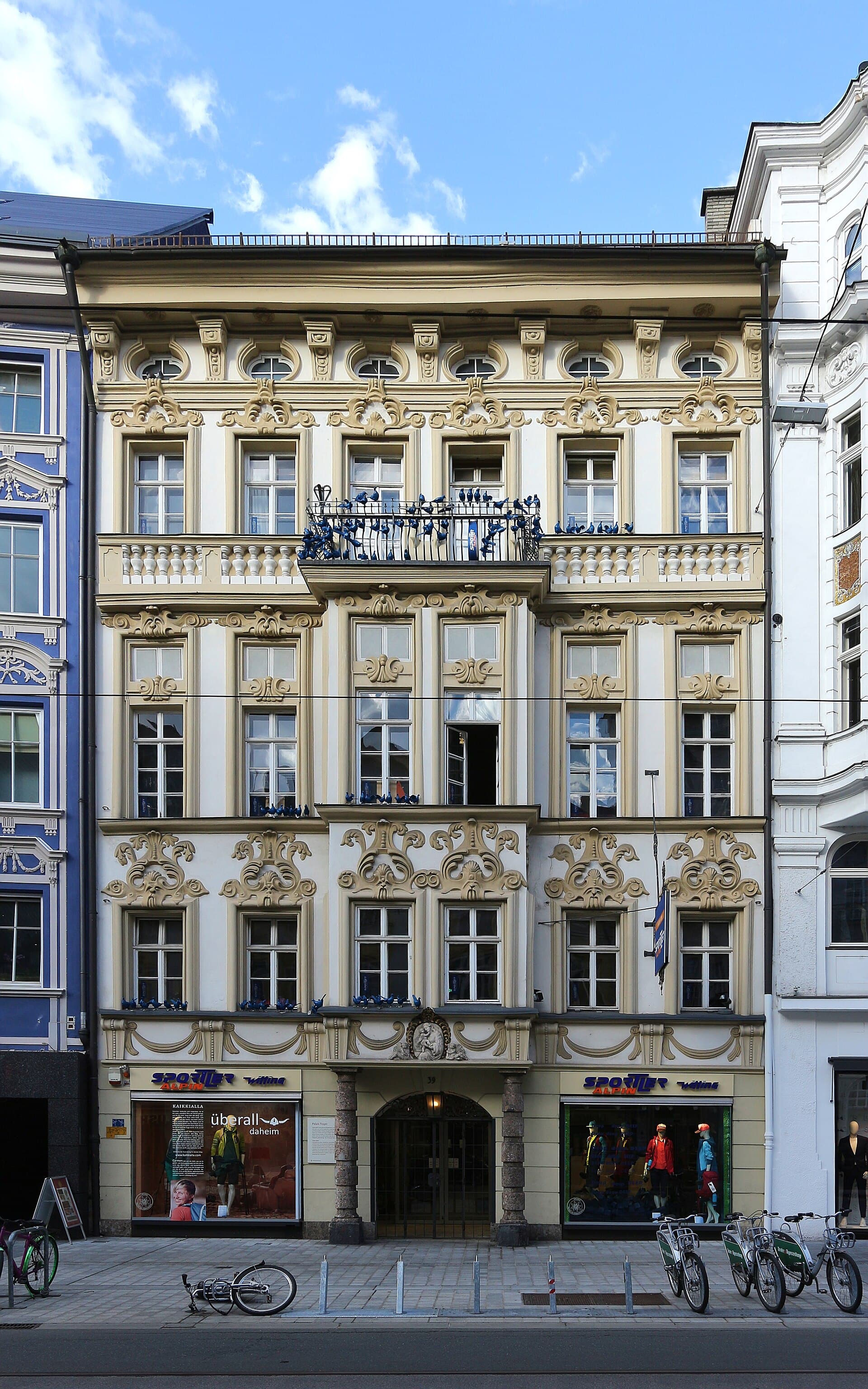 Palais Troyer-SpaurA Baroque town palace near Maria-Theresien-Straße, carrying the names of two Tyr3 minutes walk4.4
Largely yes — most stations are experimental and understood by doing rather than reading, and the explanations are bilingual in German and English. The deeper layer of scientific text is more German, but a child working through the stations does not need it. There is no Arabic, so an accompanying adult will translate the general idea.