
The founding event
The 1363 transfer is the origin of everything Habsburg you see in the city.
Haneburger — Public domain · Simon Legner (User:simon04) — CC BY-SA 4.0 · Simon Legner (User:simon04) — CC BY-SA 4.0 · Simon Legner (User:simon04) — CC BY-SA 4.0
A commemorative fountain on Bozner Platz near the railway station, raised in the nineteenth century to mark five hundred years since Tyrol passed to the Habsburgs in 1363. The fountain carries a statue of Duke Rudolf IV, the Austrian ruler to whom Tyrol passed from Margaret, the last countess of Tyrol of her line. That transfer is the founding event of the relationship between Tyrol and Austria, and everything Habsburg you see in Innsbruck — the Hofburg, the Hofkirche, the Golden Roof — ultimately traces back to it. The fountain's position explains its function: a broad square between the railway station and the city centre, historically the first thing an arriving traveller saw. A monument in such a place is a political statement as much as decoration. Practical point: free and always open, with a visit of minutes. You pass it if you arrive by train or walk from the station into the centre.
The 1363 transfer is the origin of everything Habsburg you see in the city.
Its place between station and centre made it the arriving traveller's first sight — deliberately.
The ruler to whom Tyrol passed from its last countess.
Bozner Platz, Innsbruck
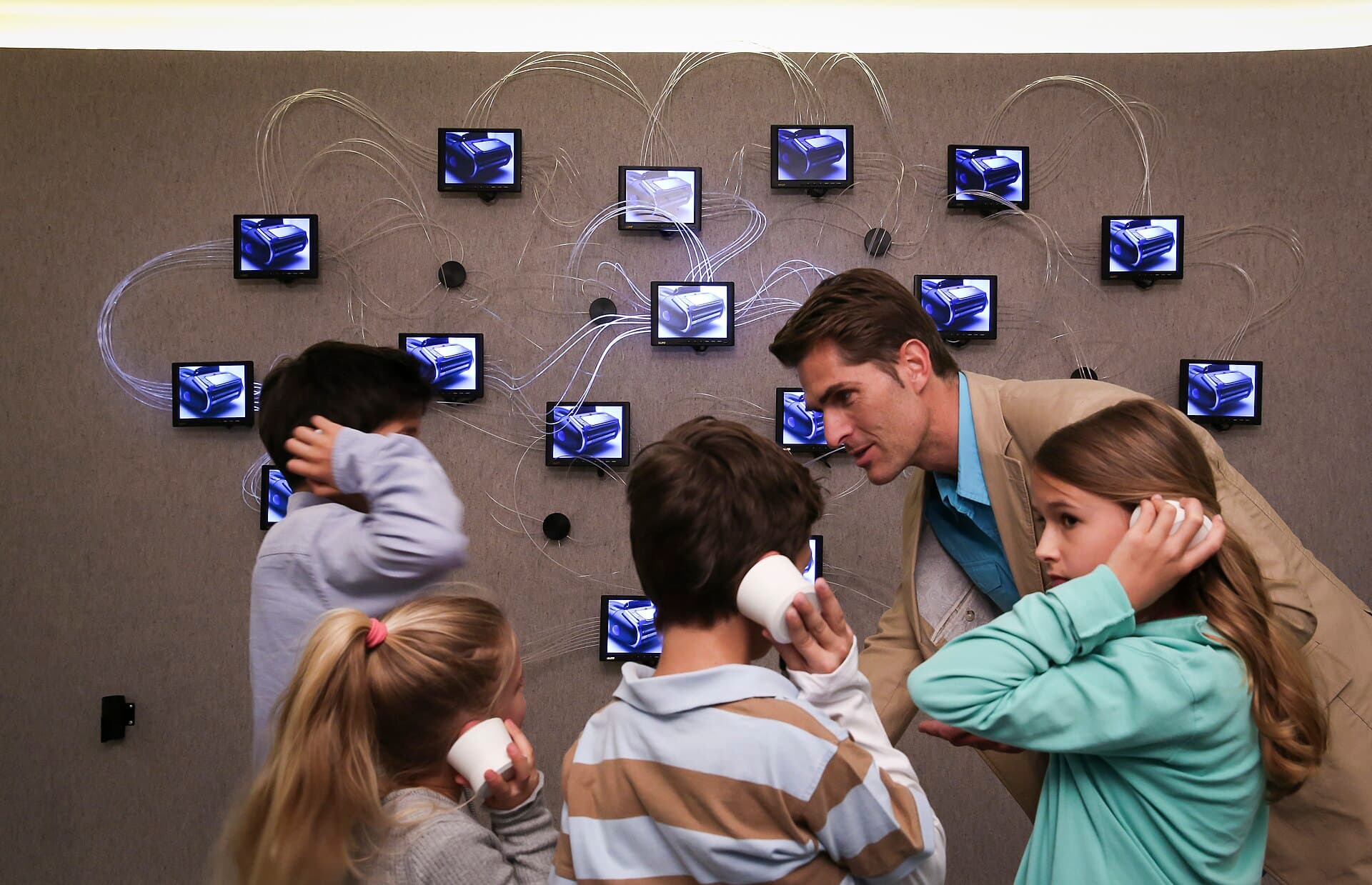 AUDIOVERSUMAUDIOVERSUM is a science centre devoted to a single subject: hearing. Not a gene2 minutes walk4.5
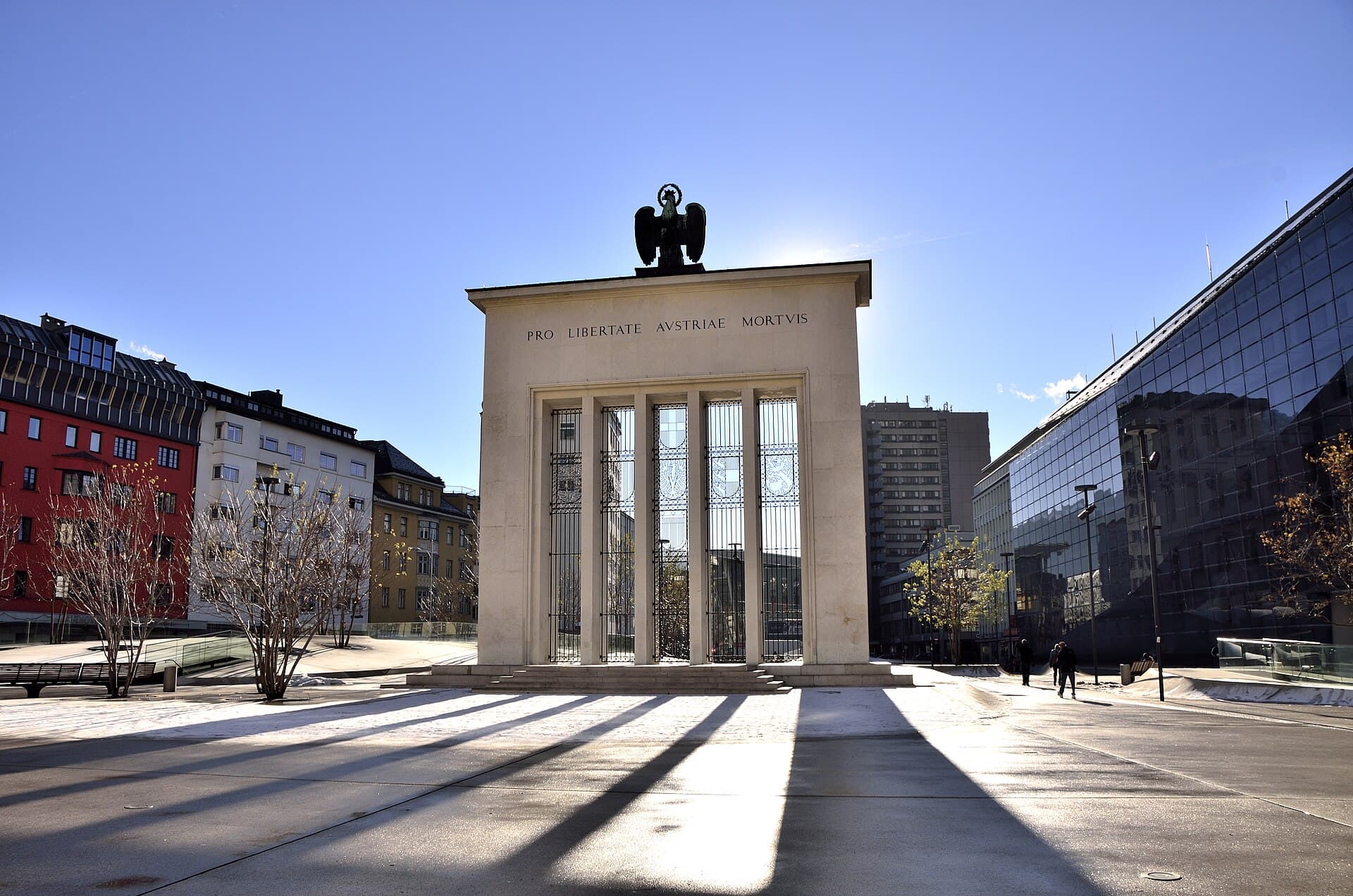 Eduard-Wallnöfer-PlatzA large square south of the old town, known locally as Landhausplatz, redesigned2 minutes walk4.2
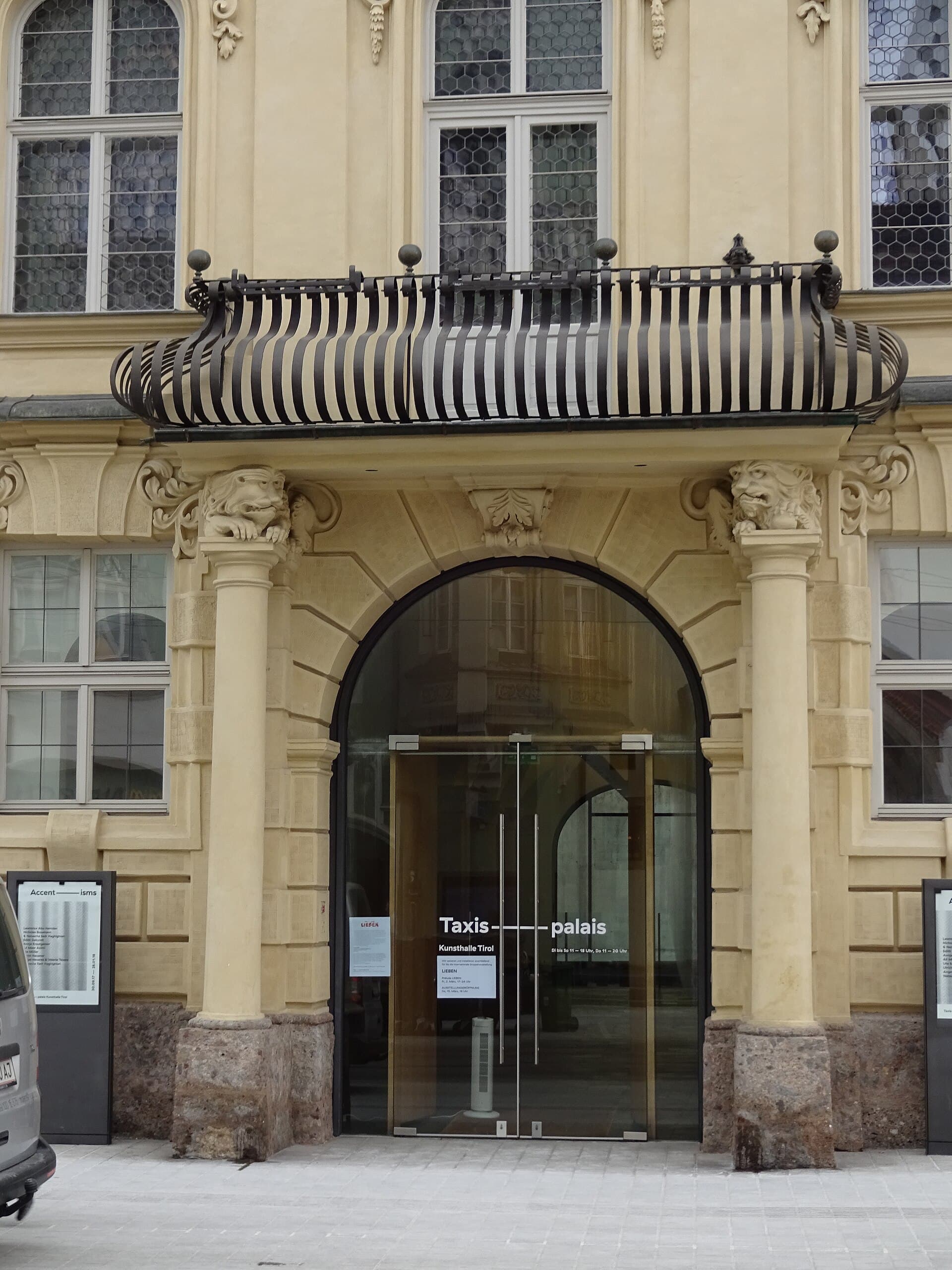 Taxispalais — Kunsthalle TirolA Baroque palace on Maria-Theresien-Straße, Innsbruck's main street, working tod2 minutes walk4.2
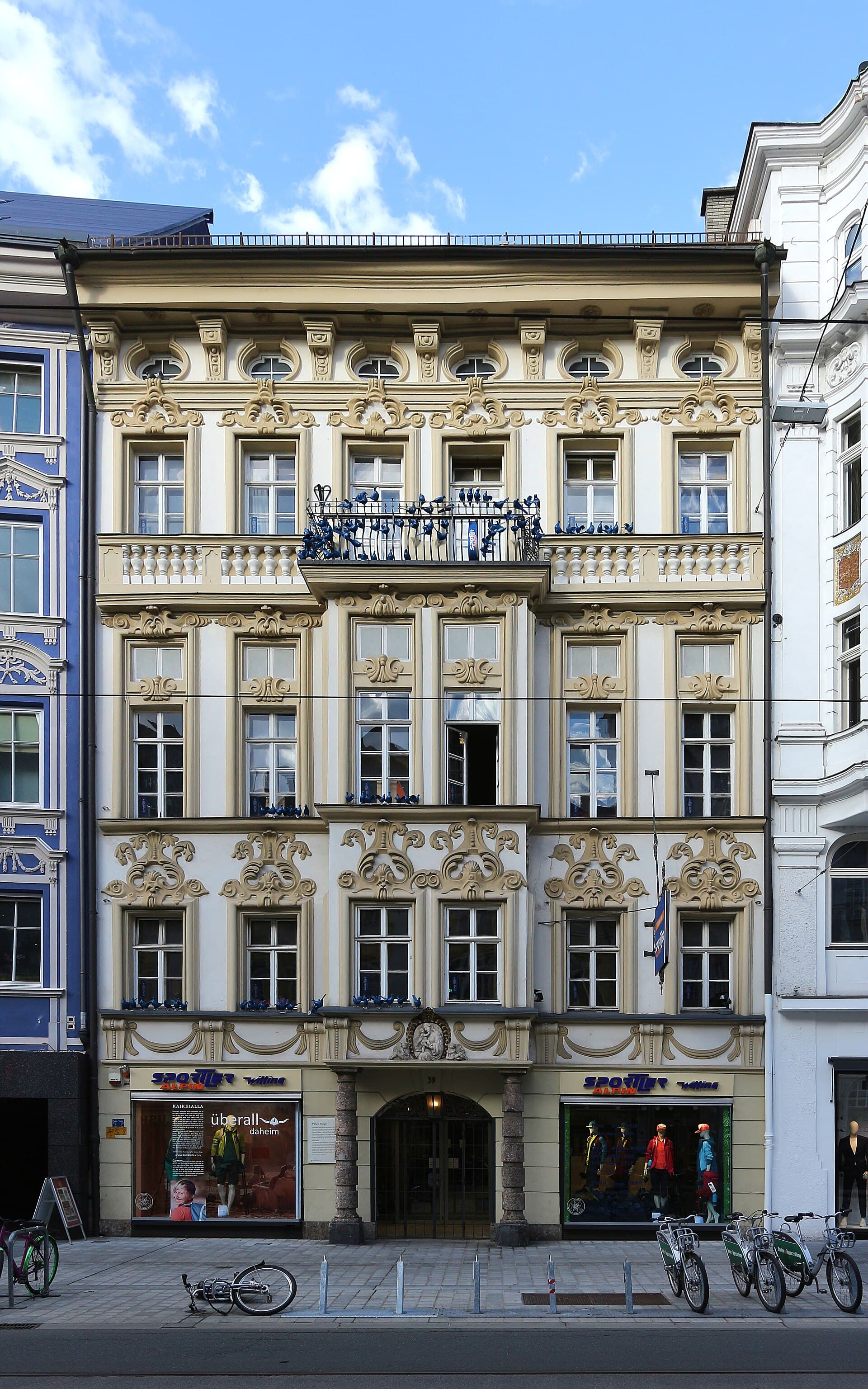 Palais Troyer-SpaurA Baroque town palace near Maria-Theresien-Straße, carrying the names of two Tyr3 minutes walk4.4
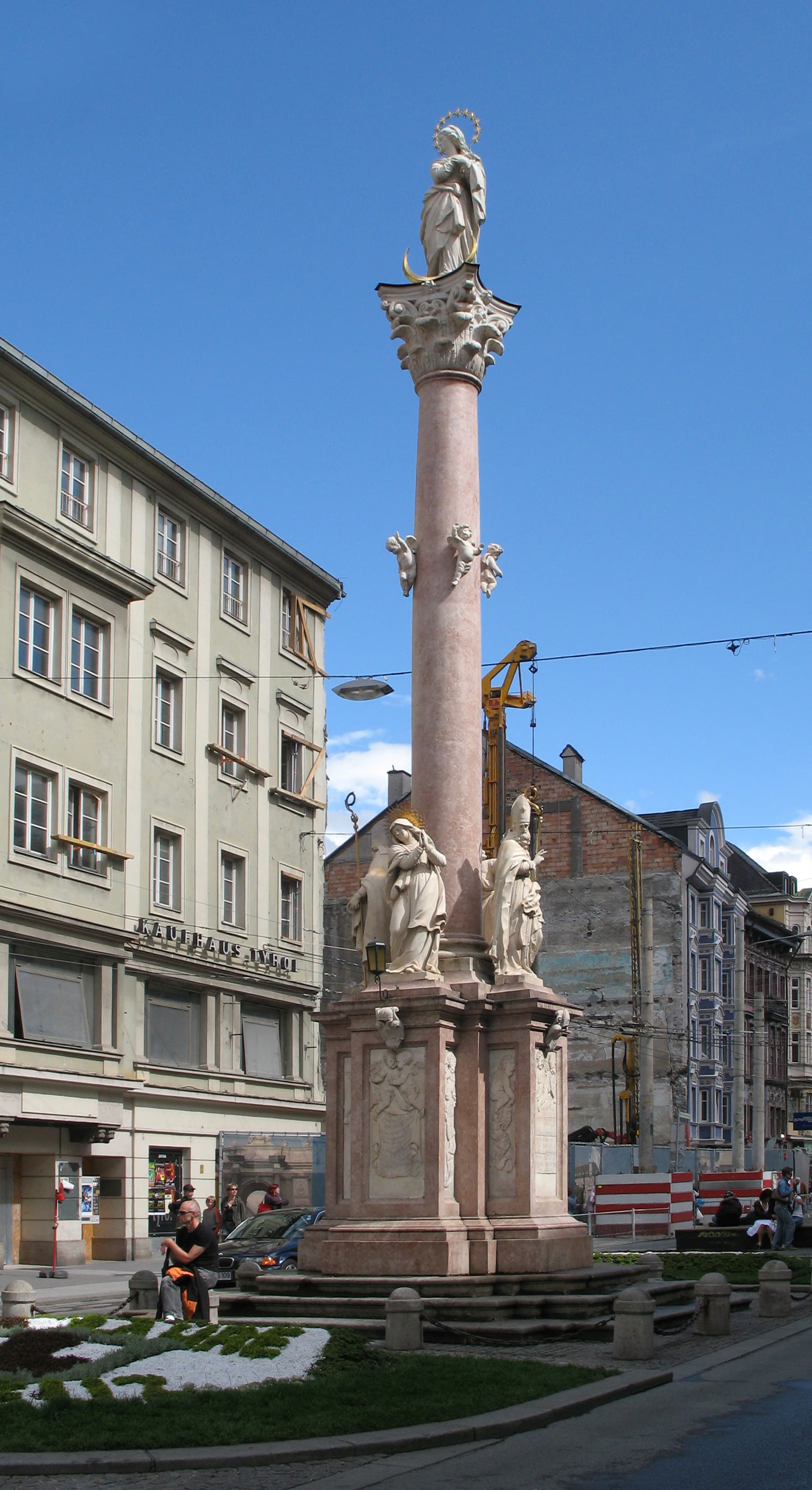 St Anne's ColumnSt Anne's Column stands in the middle of Maria-Theresien-Strasse, some thirteen 3 minutes walk4.4
Margaret, countess of Tyrol and the last ruler of her line, transferred the territory to Duke Rudolf IV of Habsburg after her son and heir died. Tyrol thereby entered Austrian rule and stayed there, which is what later made Innsbruck an imperial seat under Maximilian I.
No. It is on your route between the station and the centre, so pause for two minutes in passing. The story is worth knowing; the monument is not worth a trip.