
The stone portal
The clearest thing separating town palaces from ordinary houses at street level.
Simon Legner (User:simon04) — CC BY-SA 4.0 · Luftschiffhafen — CC BY-SA 4.0 · Simon Legner (User:simon04) — CC BY-SA 4.0 · Simon Legner (User:simon04) — CC BY-SA 4.0
A Baroque town palace near Maria-Theresien-Straße, carrying the names of two Tyrolean noble families that owned it in succession. Town palaces like this differ from country ones: built into the urban fabric on limited plots, their display went into the facade, the gateway and the internal staircase rather than into gardens. The carved stone portal is usually the clearest thing that marks them out from the street. Maria-Theresien-Straße and its surroundings are where the Tyrolean nobility moved once the old town grew too tight, and the row of palaces there makes that shift visible: from narrow lanes inside the wall to a broad street of regular Baroque fronts. A plain practical point: the building is in administrative and office use and is not visitable inside. The visit means looking at the facade and portal from the street — minutes on a walk you take anyway along Innsbruck's busiest street.
The clearest thing separating town palaces from ordinary houses at street level.
The street grew when the old town became too tight for anyone wanting more space.
Troyer and Spaur, Tyrolean noble houses that owned it in succession.
Near Maria-Theresien-Straße, Innsbruck
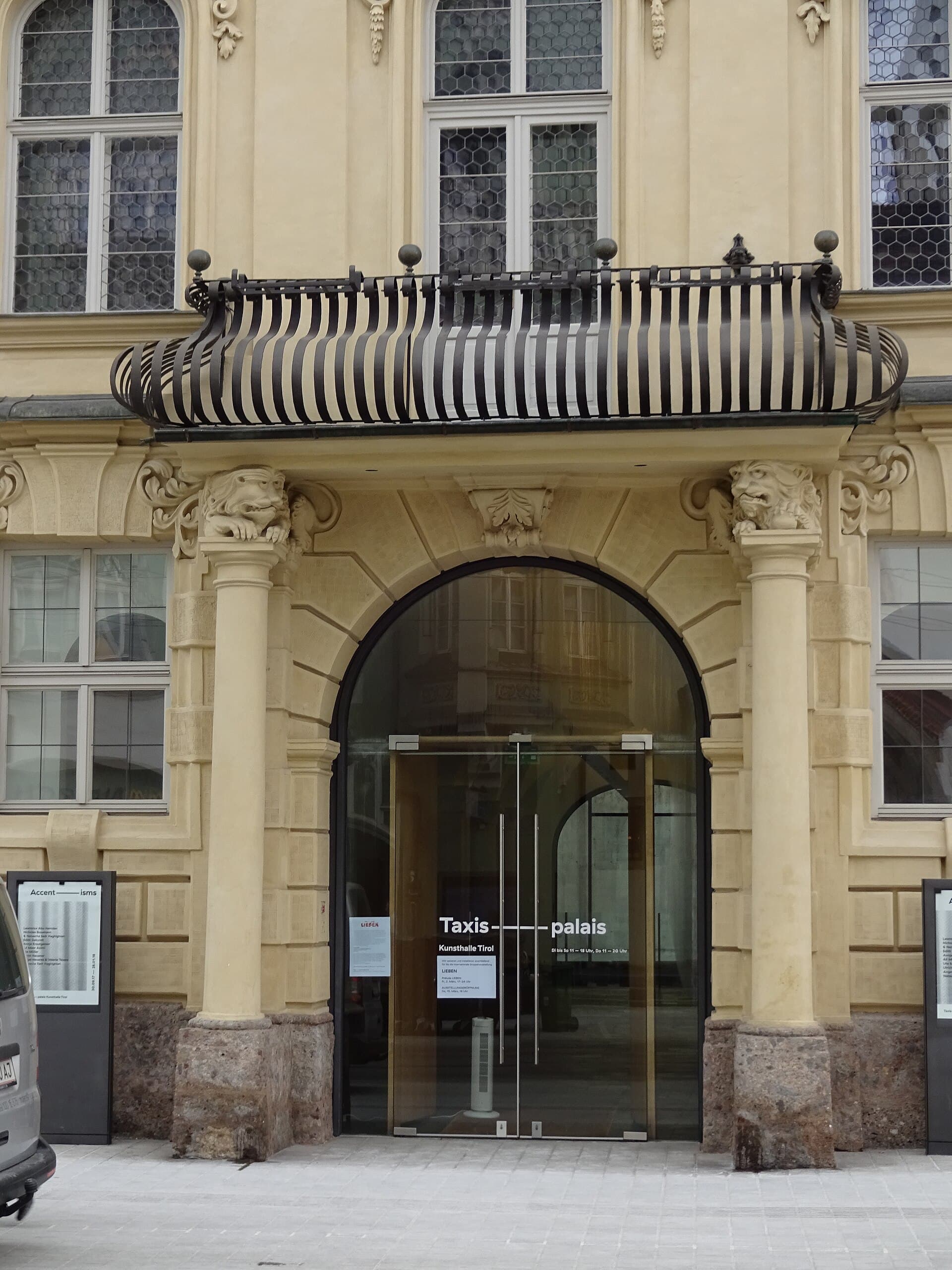 Taxispalais — Kunsthalle TirolA Baroque palace on Maria-Theresien-Straße, Innsbruck's main street, working tod1 minute walk4.2
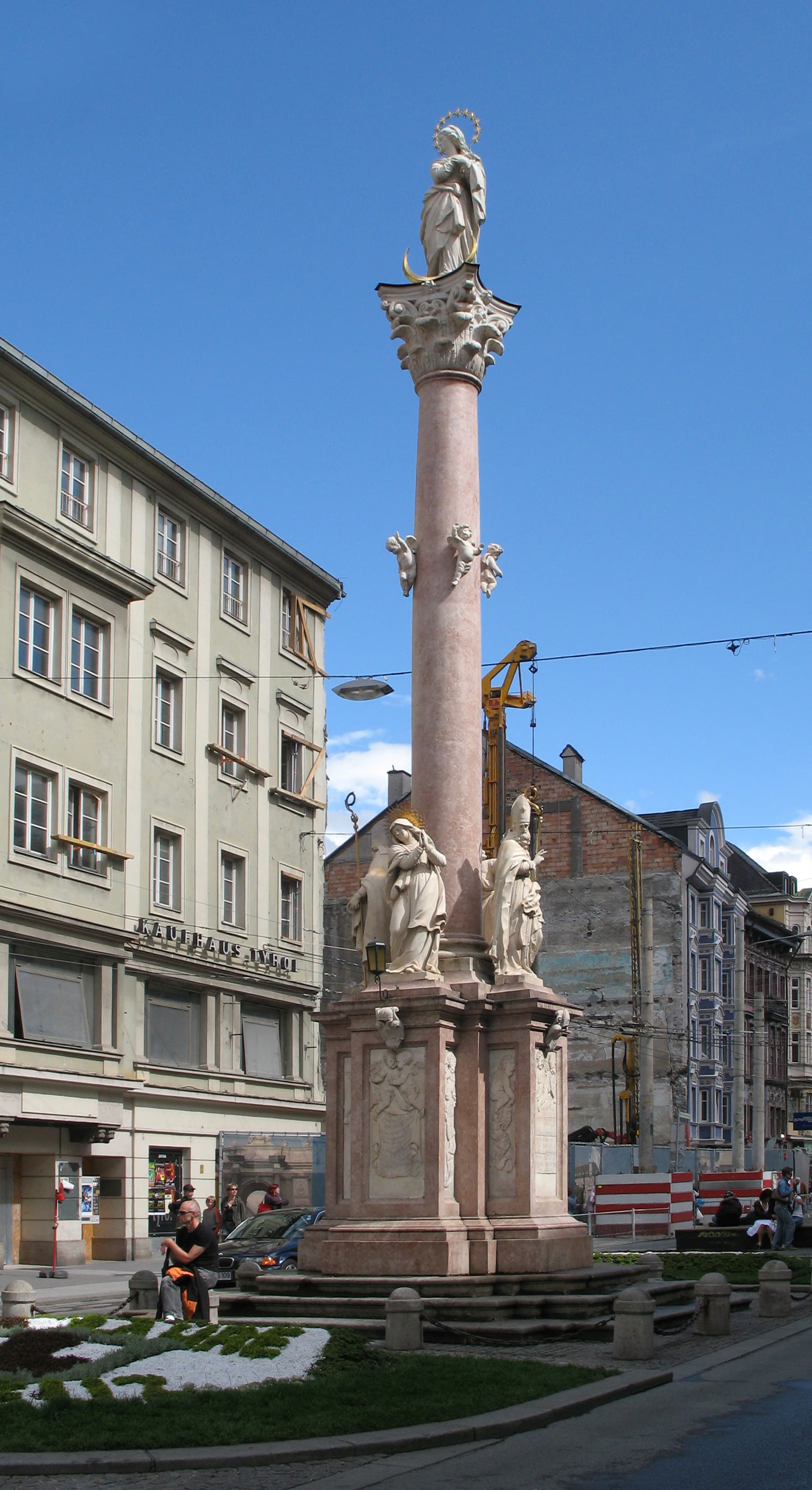 St Anne's ColumnSt Anne's Column stands in the middle of Maria-Theresien-Strasse, some thirteen 1 minute walk4.4
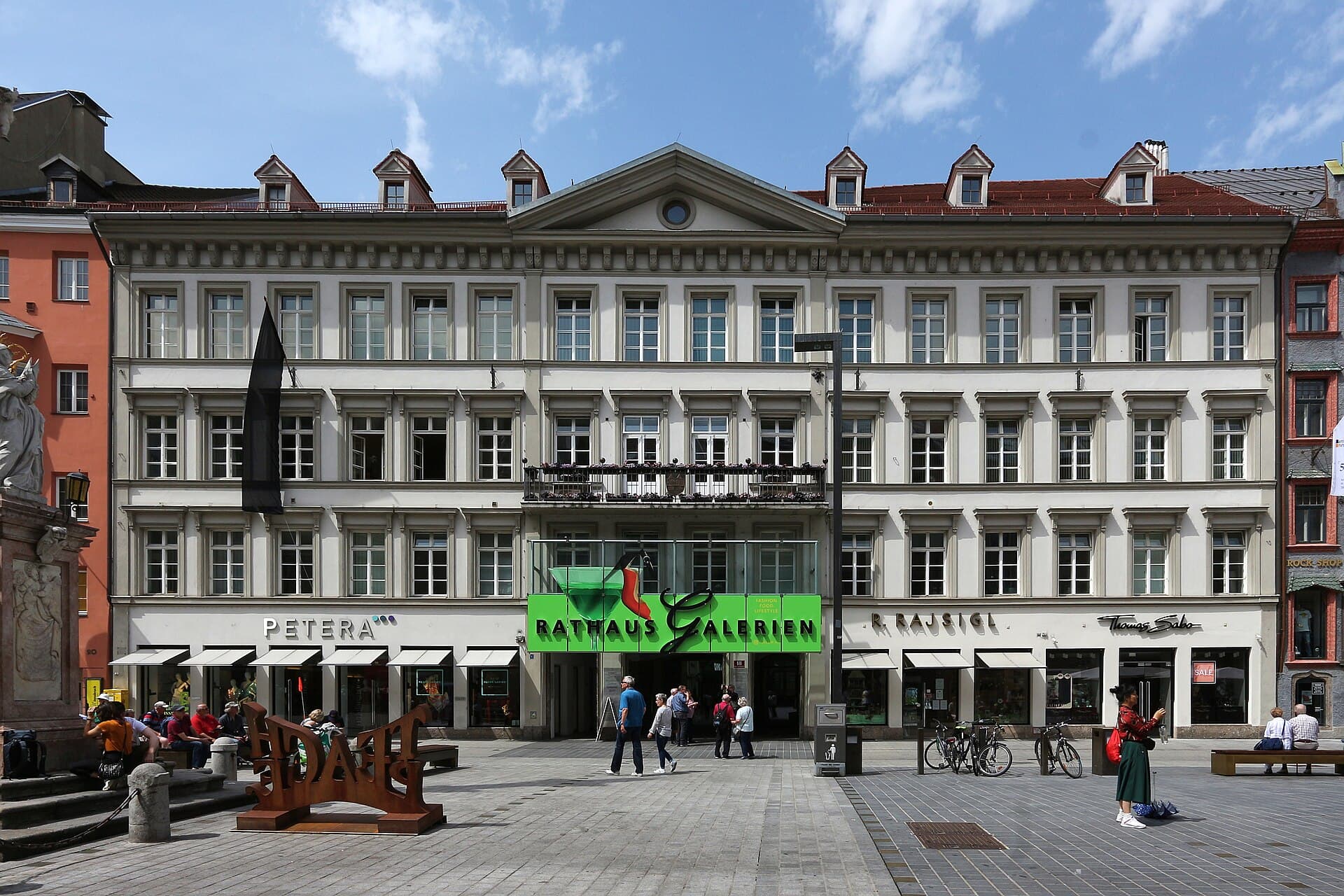 Innsbruck Town HallInnsbruck's town hall in the city centre, a complex combining historic buildings1 minute walk3.8
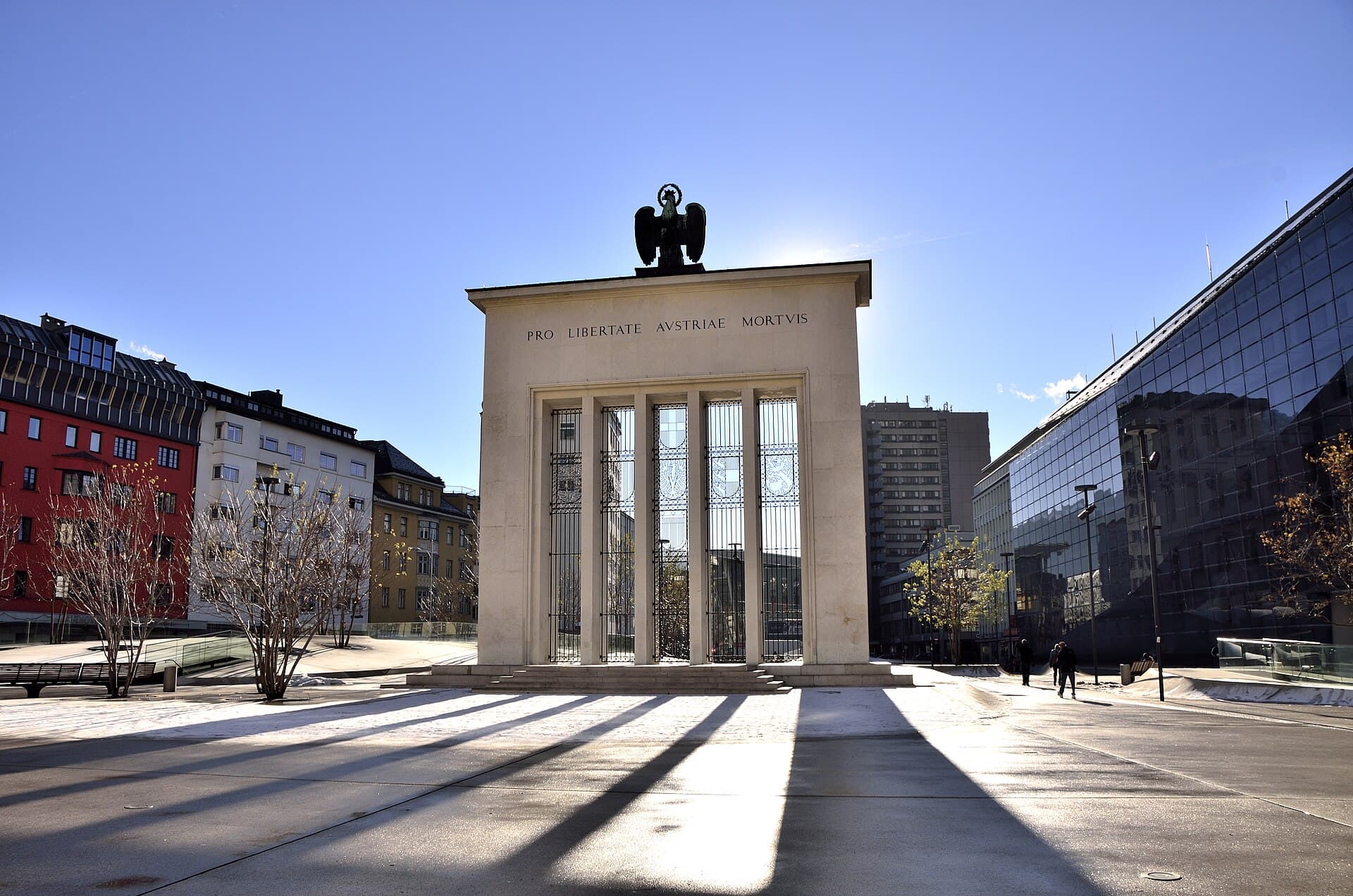 Eduard-Wallnöfer-PlatzA large square south of the old town, known locally as Landhausplatz, redesigned2 minutes walk4.2
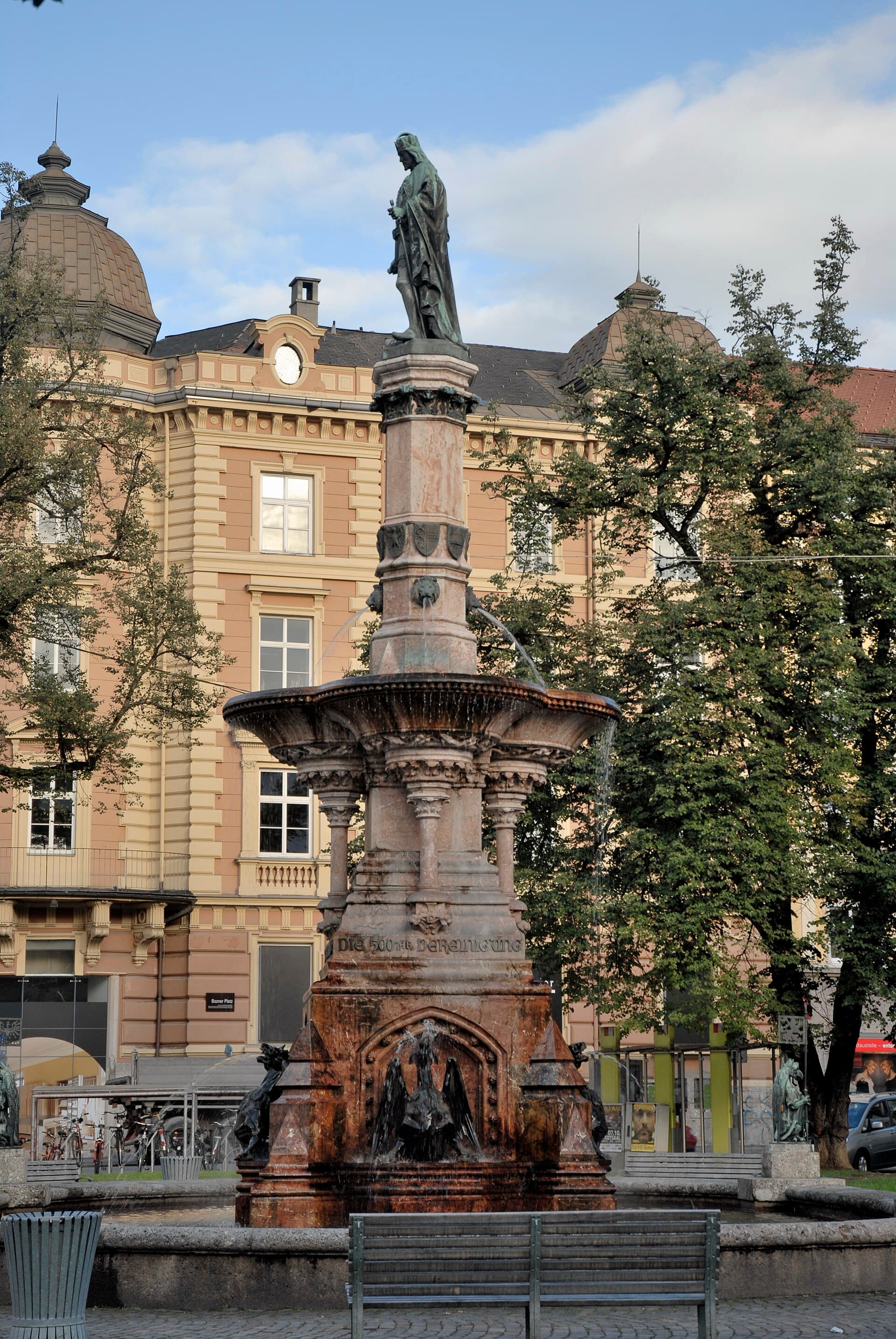 The Rudolf FountainA commemorative fountain on Bozner Platz near the railway station, raised in the3 minutes walk4.5
Usually not. The building is in administrative and office use with entry for those who work there. If you want to see a Baroque staircase in Innsbruck, the Hofburg and the Taxispalais open theirs to visitors.
Space. A country palace owns land, gardens and a view, so its display spreads across the whole setting. A town palace is squeezed between neighbours on a tight plot, so its display concentrates in three things: facade, portal and staircase. That is why the portals here look so emphatic.