
Vanished instruments
Whole families of Renaissance and Baroque instruments no longer in use.
Photo: Andreas Praefcke — CC BY 3.0 · Photo: Andreas Praefcke — Public domain · Photo: Andreas Praefcke — Public domain · Photo: Andreas Praefcke — Public domain
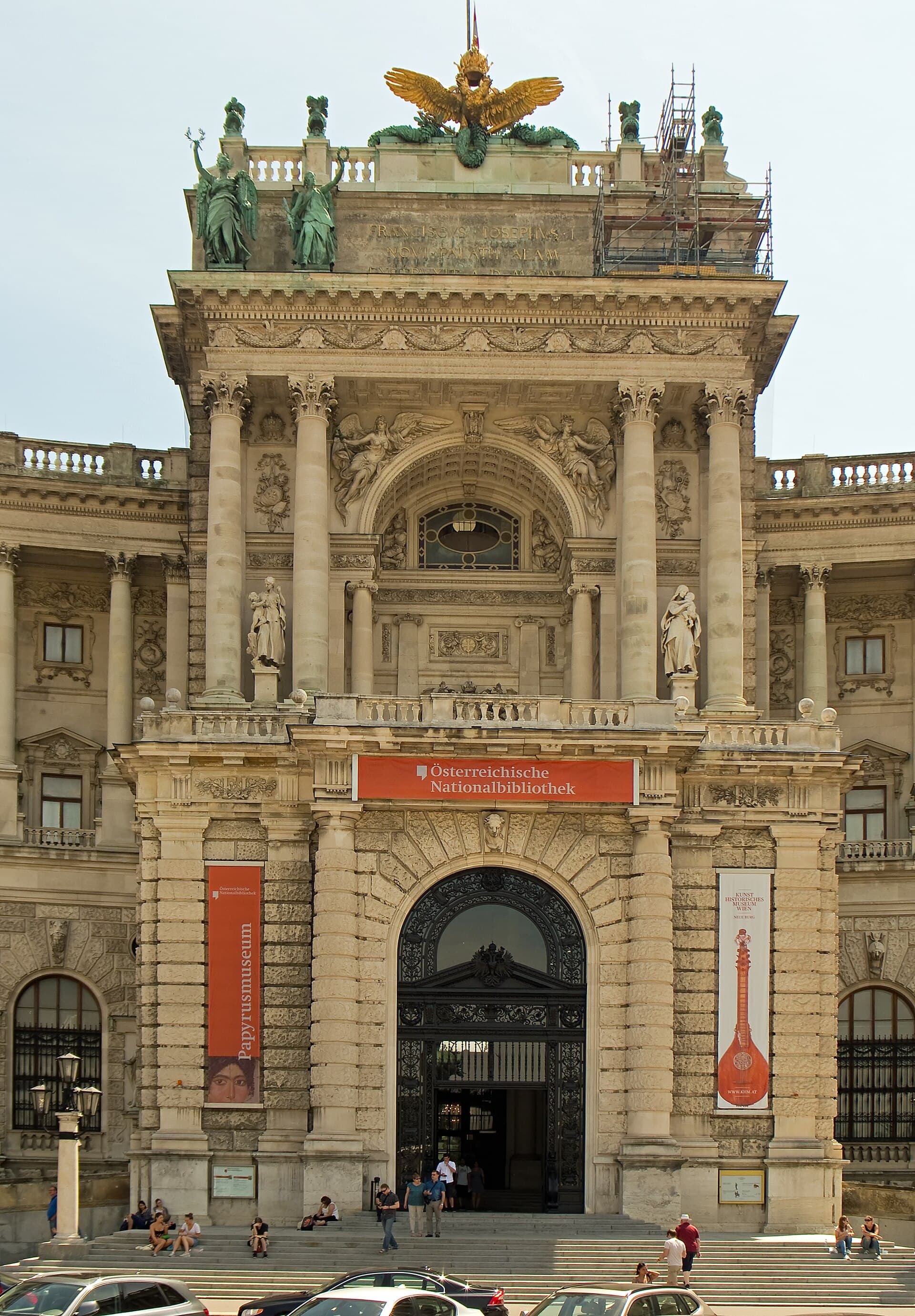
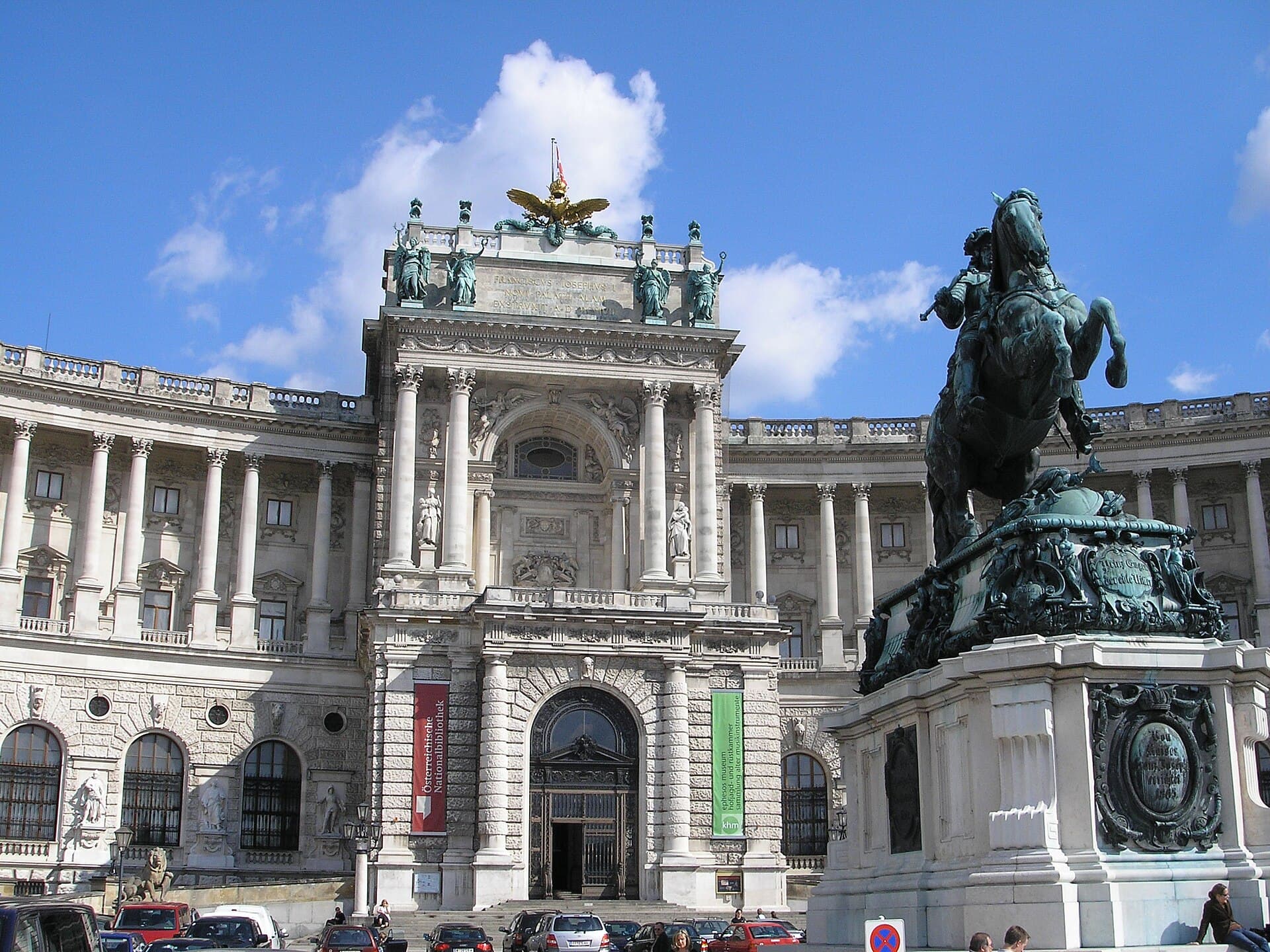
One of the world's most important collections of historic musical instruments, in the Neue Burg wing of the Hofburg and belonging to the Kunsthistorisches Museum. Its strength is Renaissance and Baroque instruments: whole families of wind and string instruments that have vanished from modern music, shown in the strange shapes that explain how the sound of that period differed from what we imagine. The section that draws most visitors is the keyboard instruments tied to names everyone knows: pianos and clavichords from the era of the Viennese classics, some used or owned by musicians who worked in this city. Vienna was the centre of piano manufacture in the nineteenth century, and the collection shows the instrument developing generation by generation. Practical points: the ticket is usually shared with the Imperial Armoury and the Ephesos Museum in the same building. The audio guide is worth taking because it plays recordings of instruments on display — seeing an instrument and hearing its sound is an entirely different experience from reading a label about it.
Whole families of Renaissance and Baroque instruments no longer in use.
It was the centre of piano making, and the collection shows the instrument evolving.
Hearing an instrument on display changes the visit entirely from reading its label.
Neue Burg, Heldenplatz, Vienna
 House of Austrian HistoryA museum opened in 2018 inside the Neue Burg wing of the Hofburg palace, coverin1 minute walk4.4
 Ephesos MuseumA small museum inside the Hofburg's Neue Burg showing what Austrian expeditions 1 minute walk4.5
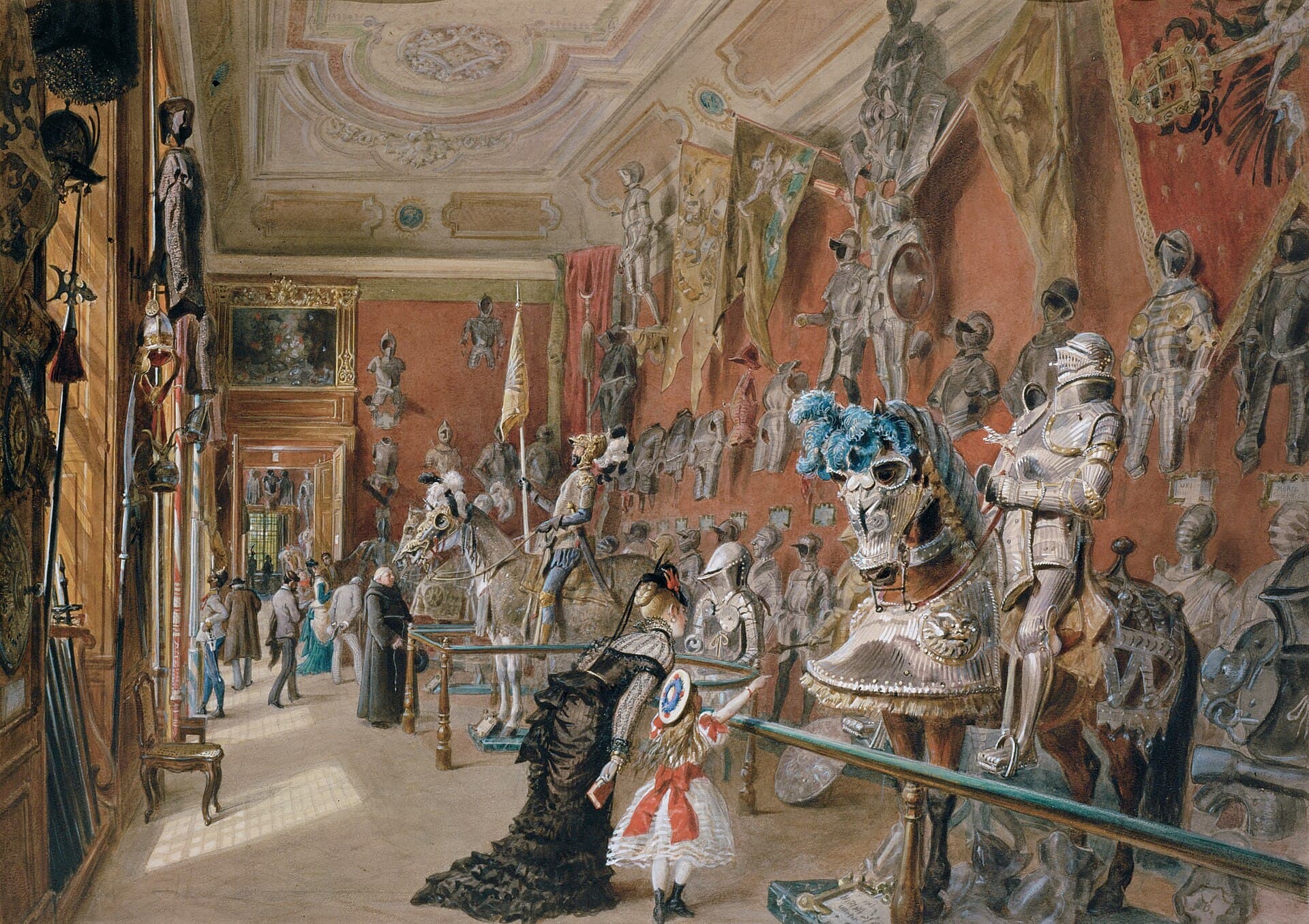 The Imperial ArmouryOne of the world's most important collections of arms and armour, shown in the N1 minute walk4.9
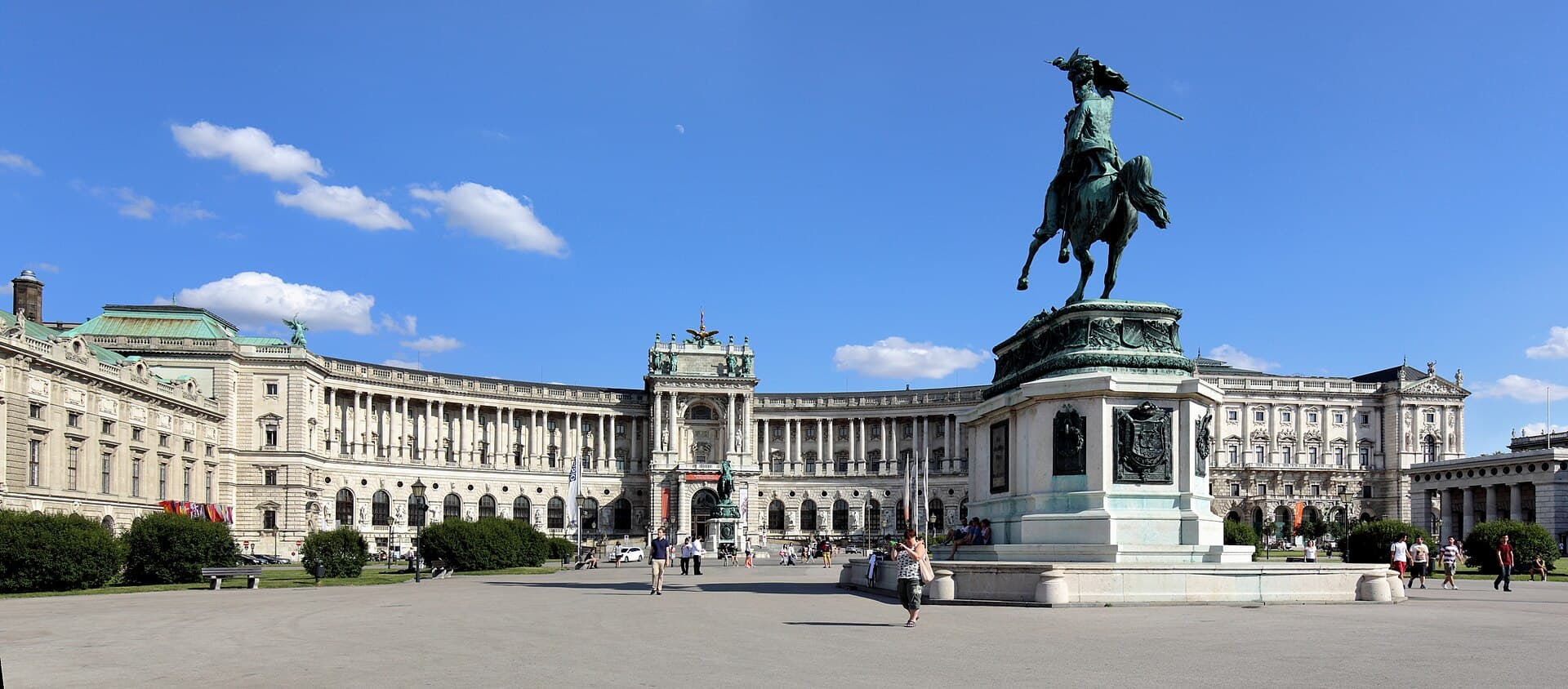 Hofburg PalaceThe Habsburgs' winter residence in the heart of Vienna — not one building but a 2 minutes walk4.6
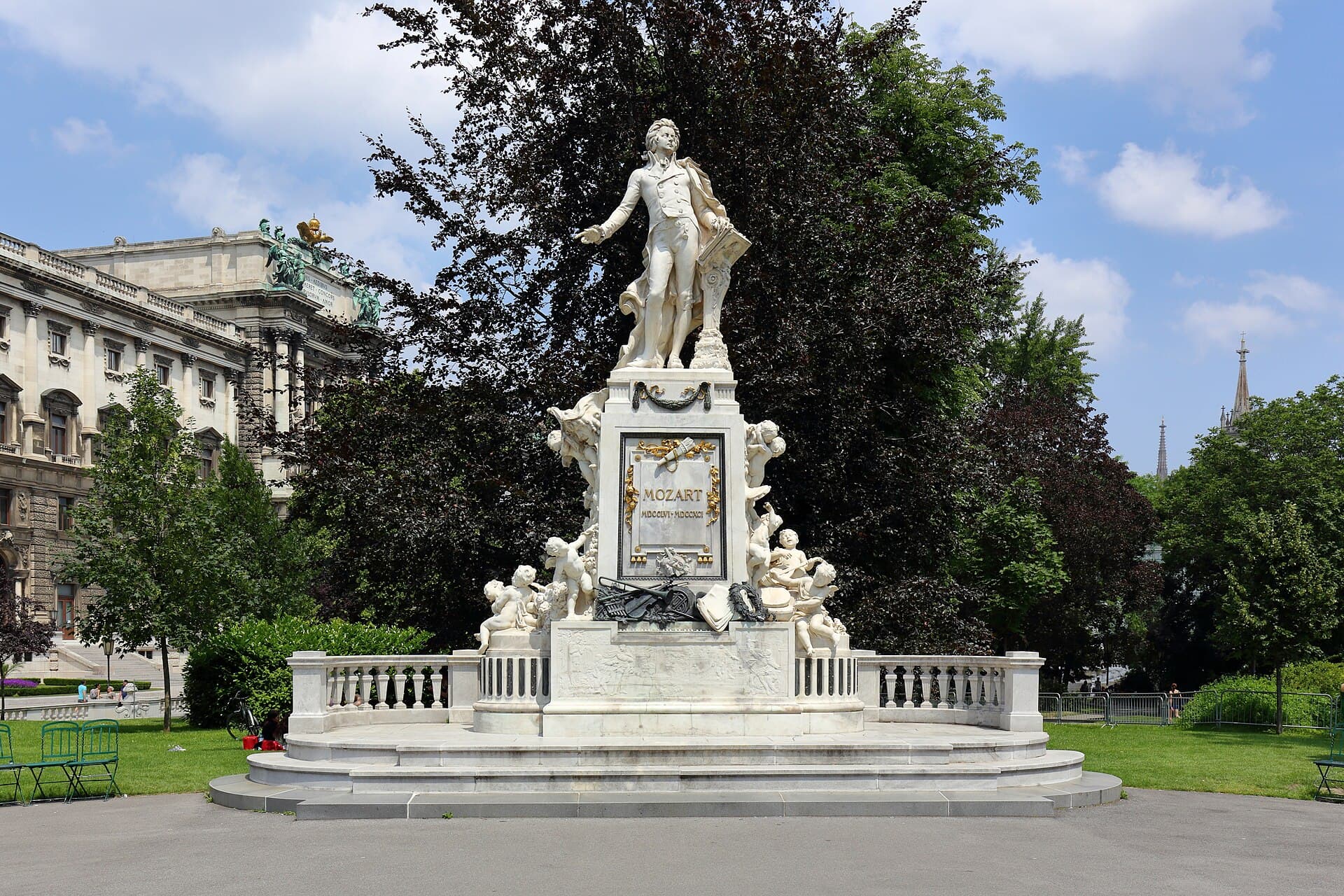 Mozart Monument, ViennaMozart's marble monument in the Burggarten: the composer standing on a tall plin2 minutes walk4.8
Entirely. The collection is visual and aural rather than theoretical: strange shapes of instruments you have never seen, and recordings that play their sound. No musical background is needed, only curiosity about what music sounded like three centuries ago.
If music matters to you, this one; otherwise the armoury is visually stronger. All three are on one ticket in the same building, so moving between them costs almost no time — you can pass quickly through two and concentrate on one.