
The tunnels
A mystery below.
Hermann Luyken — CC0 · Robert2183 — CC BY-SA 3.0 · Hermann Luyken — CC0 · Hermann Luyken — CC0 · Lucio Grinspan — CC BY-SA 4.0
The Manzana de las Luces, the «Block of Enlightenment», is a historic complex filling a whole city block near Plaza de Mayo. The Jesuits settled here from 1661, building a school, residences and offices to run the Guaraní missions; after their expulsion in 1767 it became home to the city's leading places of learning, including the Colegio Nacional de Buenos Aires and the university's first building. The newspaper El Argos gave it its name in 1821 for its many institutions of learning. Visitors walk through courtyards, cloisters and old buildings, including the hall of the province's first legislature and the Jesuit mission offices dating from 1730. Its best-known feature is a set of historic underground tunnels, whose origin and purpose historians still debate, part of which can be visited. Guided tours and tunnel visits have been free in recent seasons: the tunnels at weekends, booked ahead, for ages 16 and over, in small groups.
A mystery below.
From the 1600s.
Provincial history.
Perú 222, between Alsina, Bolívar and Moreno, central Buenos Aires
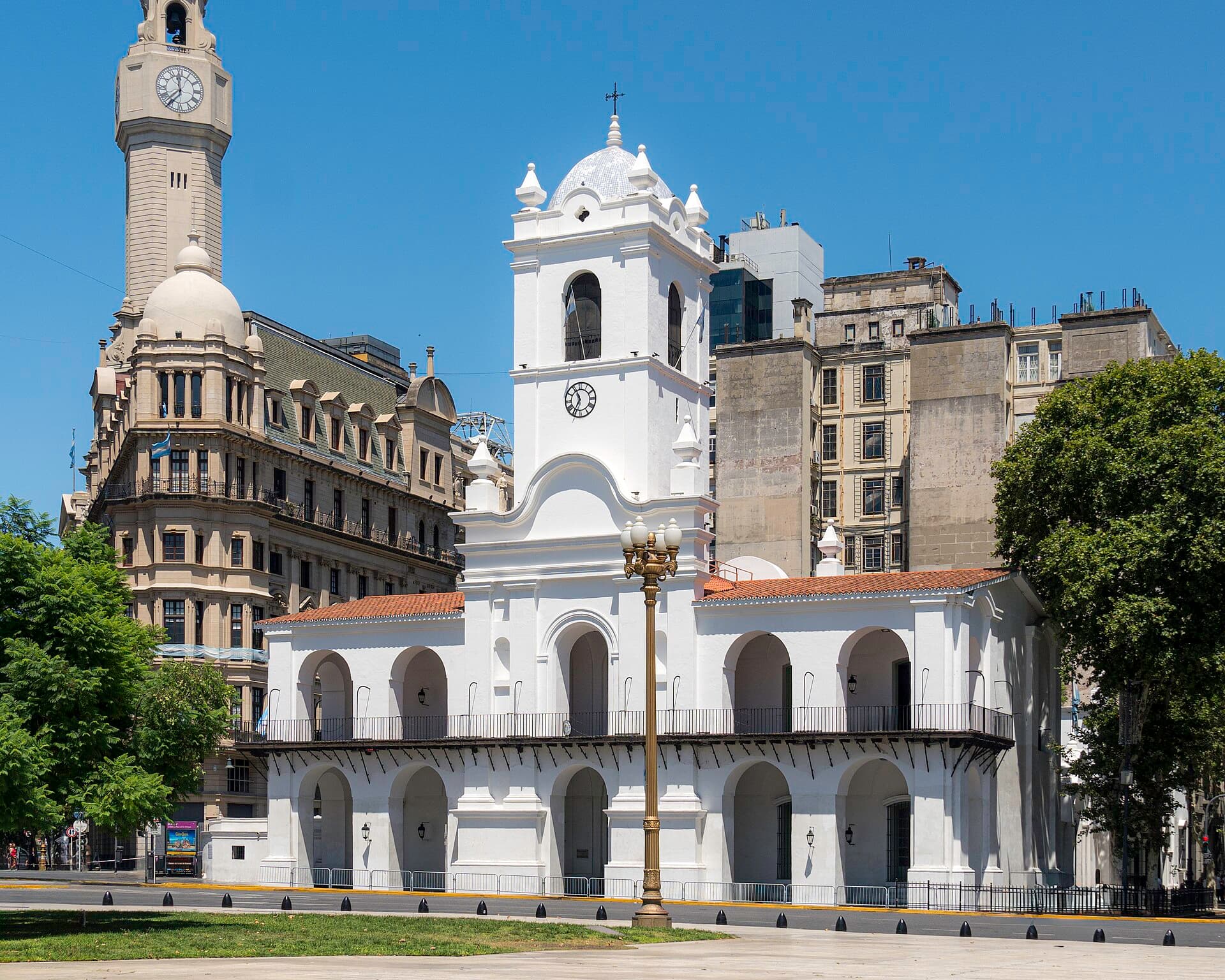 Cabildo of Buenos AiresThe Cabildo is a white arcaded building with a small tower facing Plaza de Mayo.3 minutes walk4.7
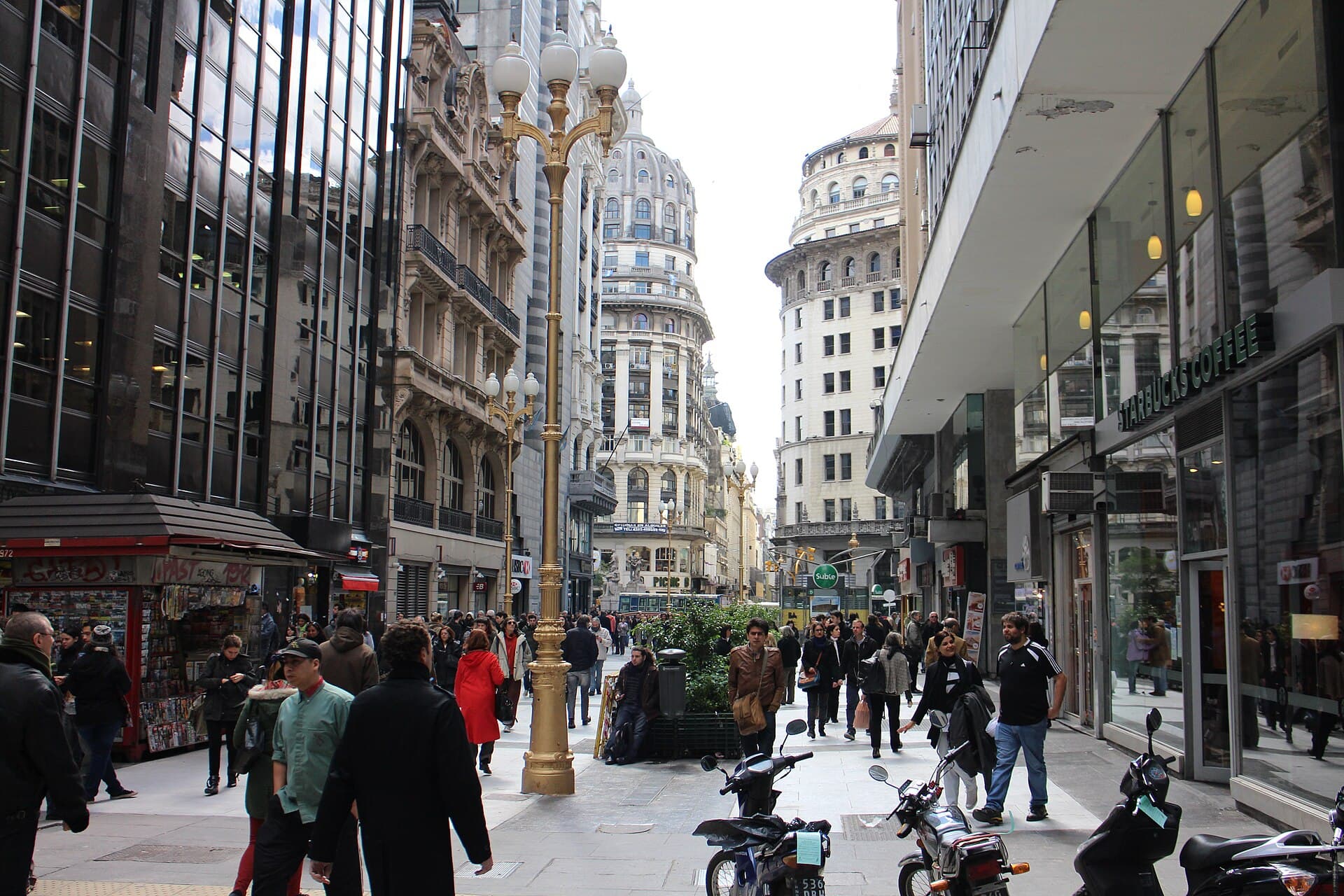 Calle FloridaCalle Florida is Argentina's best-known shopping street, a pedestrian way runnin4 minutes walk
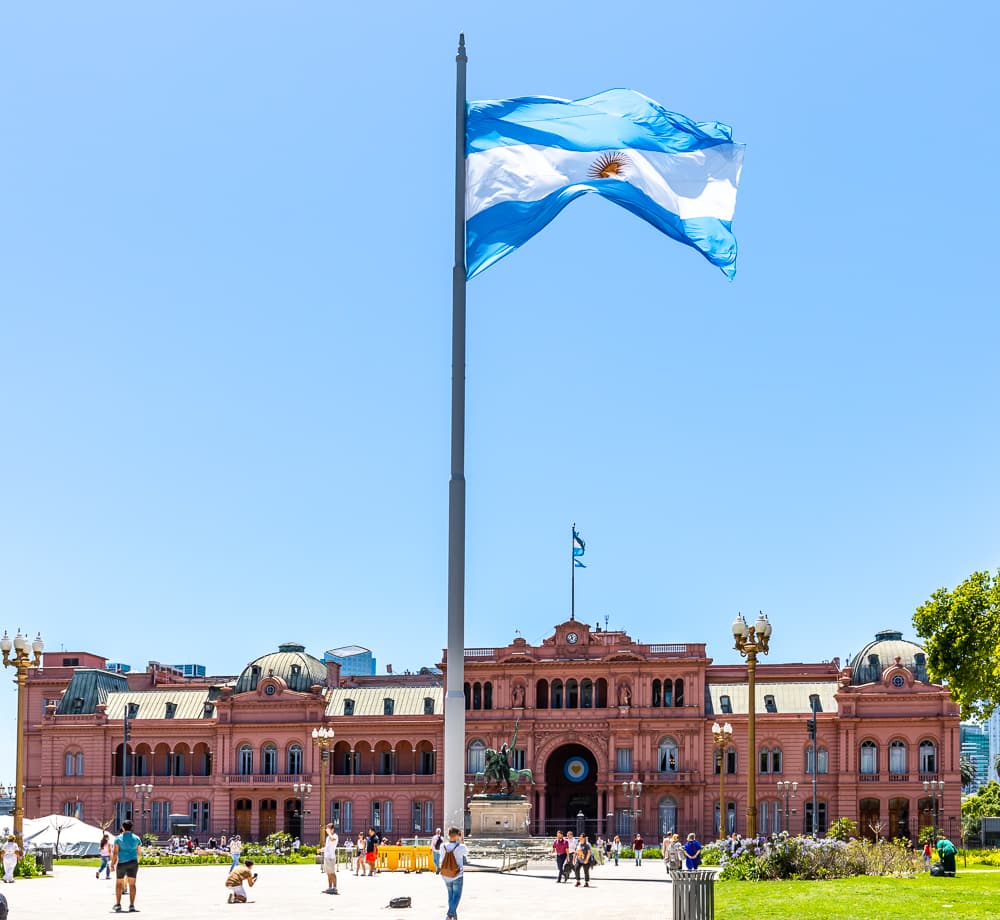 Plaza de Mayo and the Casa RosadaPlaza de Mayo is the main square of Buenos Aires and its historic heart since th4 minutes walk4.5
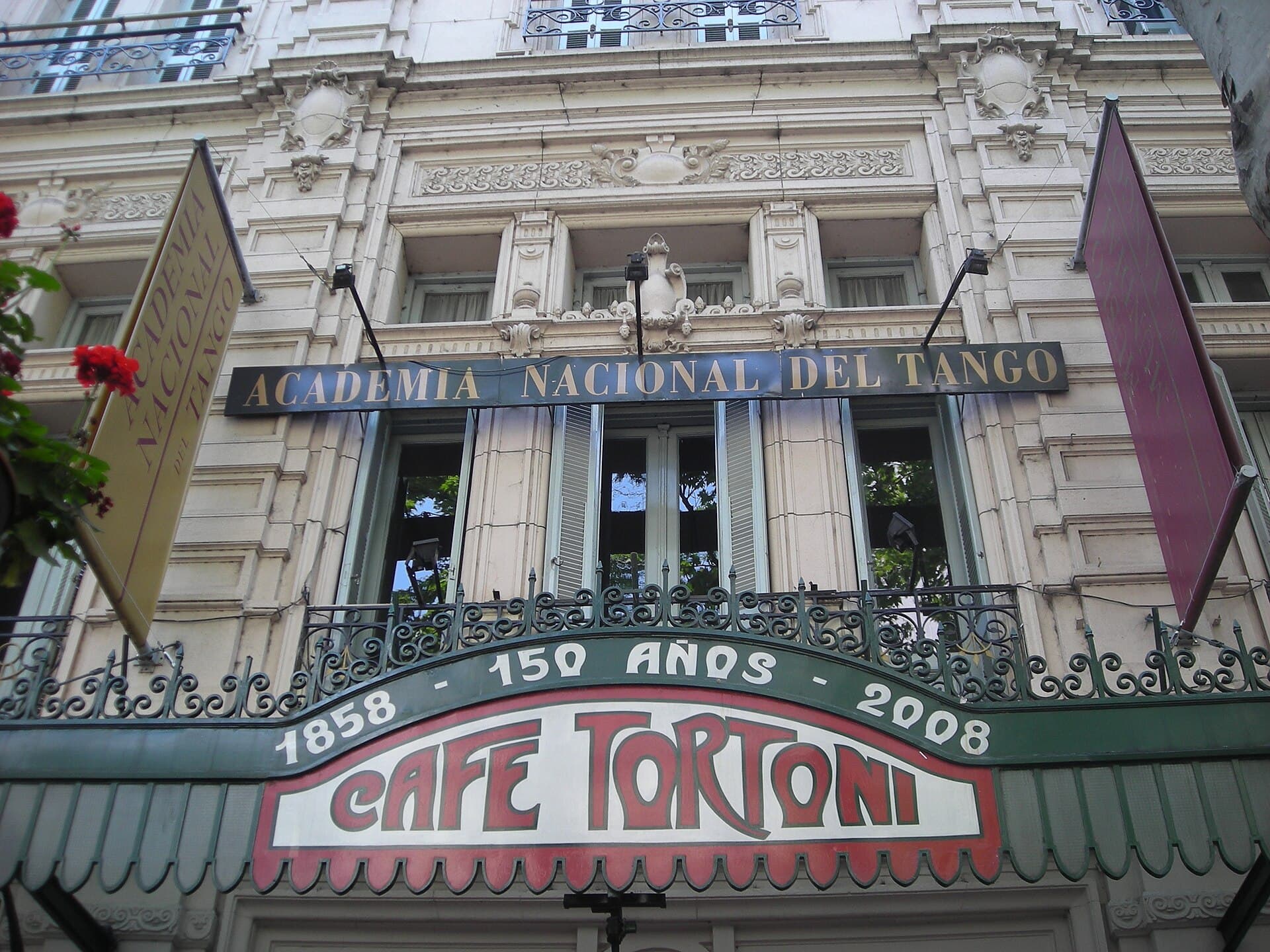 Café TortoniCafé Tortoni is Buenos Aires' oldest and best-known café, opened in 1858 by a Fr5 minutes walk4.6
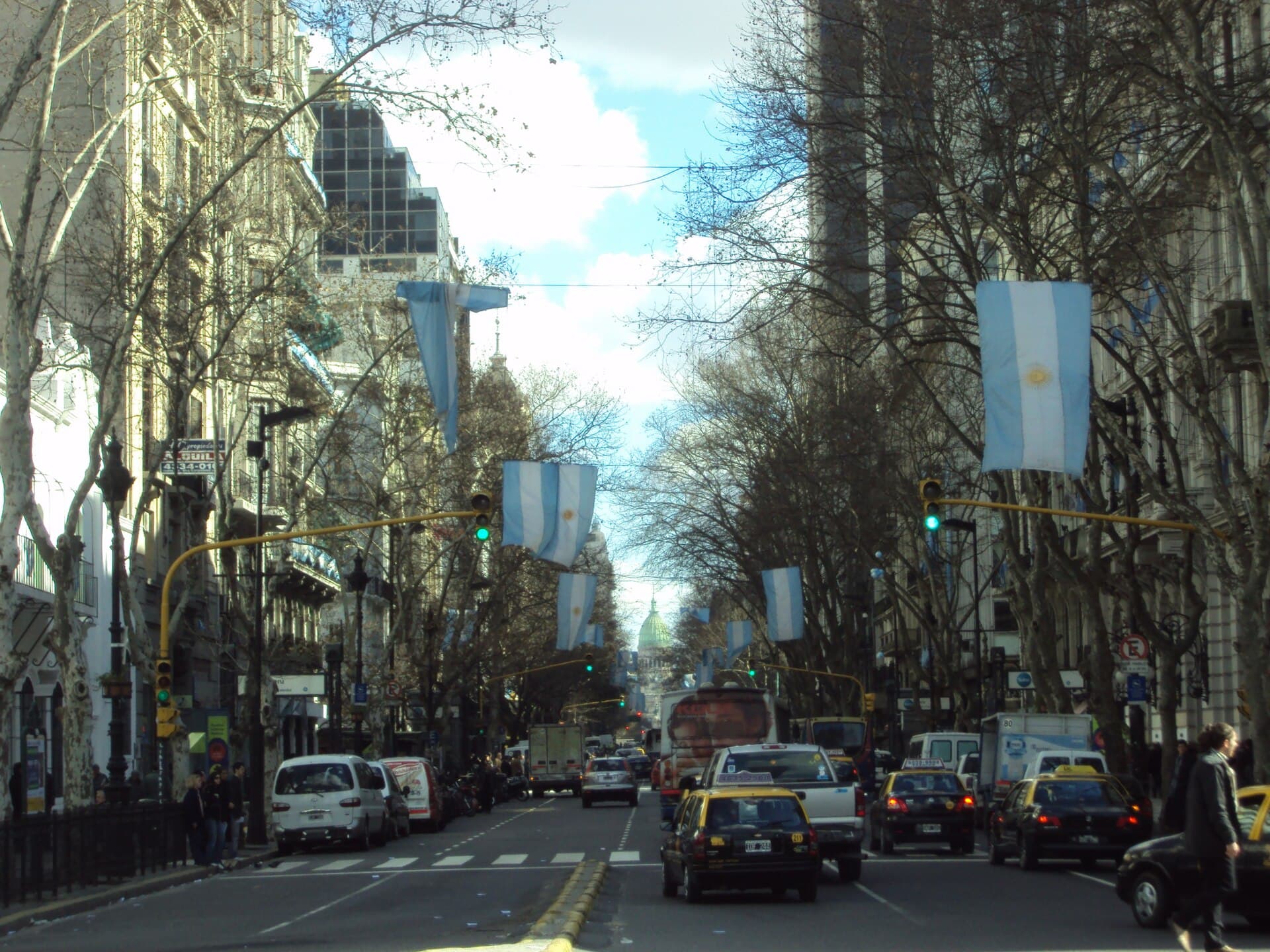 Avenida de MayoAvenida de Mayo was Buenos Aires's first grand boulevard, opened on 9 July 1894,5 minutes walk
At weekends, booked ahead, ages 16+, in small groups; they have been free in recent seasons.