
The Pink House
And its balcony over the square.
Julia Sumangil — CC BY-SA 4.0 · ProtoplasmaKid — CC BY-SA 4.0 · Felipe Restrepo Acosta — CC BY-SA 4.0 · Roberto Fiadone — CC BY-SA 4.0
Plaza de Mayo is the main square of Buenos Aires and its historic heart since the city's founding in 1580; it took its present shape in 1884, when a colonnade dividing it into two squares was pulled down. It is named after the May Revolution of 1810, and at its centre stands the May Pyramid of 1811, the city's first national monument; the square has witnessed the great events of Argentine history and its largest popular gatherings. On its eastern side is the Casa Rosada, the Pink House, the Argentine president's office, with its pink walls and famous balcony over the square. Around the square stand the colonial Cabildo, the cathedral, City Hall and the National Bank, and from it runs the elegant Avenida de Mayo. The square is always open and is the country's main stage for political demonstrations, so keep an eye on the news. Visits inside the Casa Rosada for individuals are suspended in 2026, with only school groups admitted; the Casa Rosada Museum behind it stays open and free.
And its balcony over the square.
First national monument, 1811.
A colonial-era building.
Monserrat, central Buenos Aires
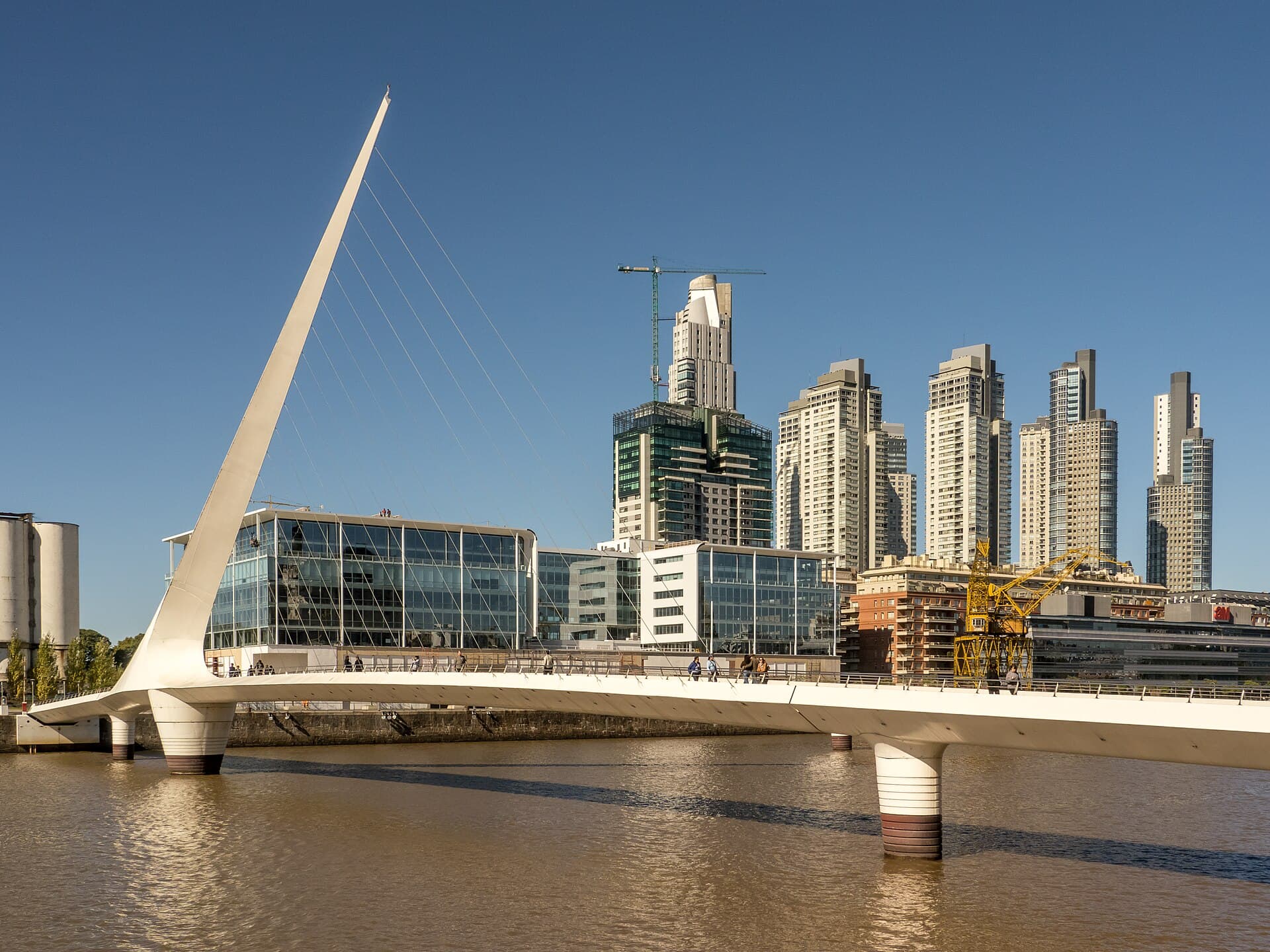 Puente de la Mujer and Puerto MaderoThe Puente de la Mujer, the Woman's Bridge, is a footbridge over Dock 3 in Puert8 minutes walk4.8
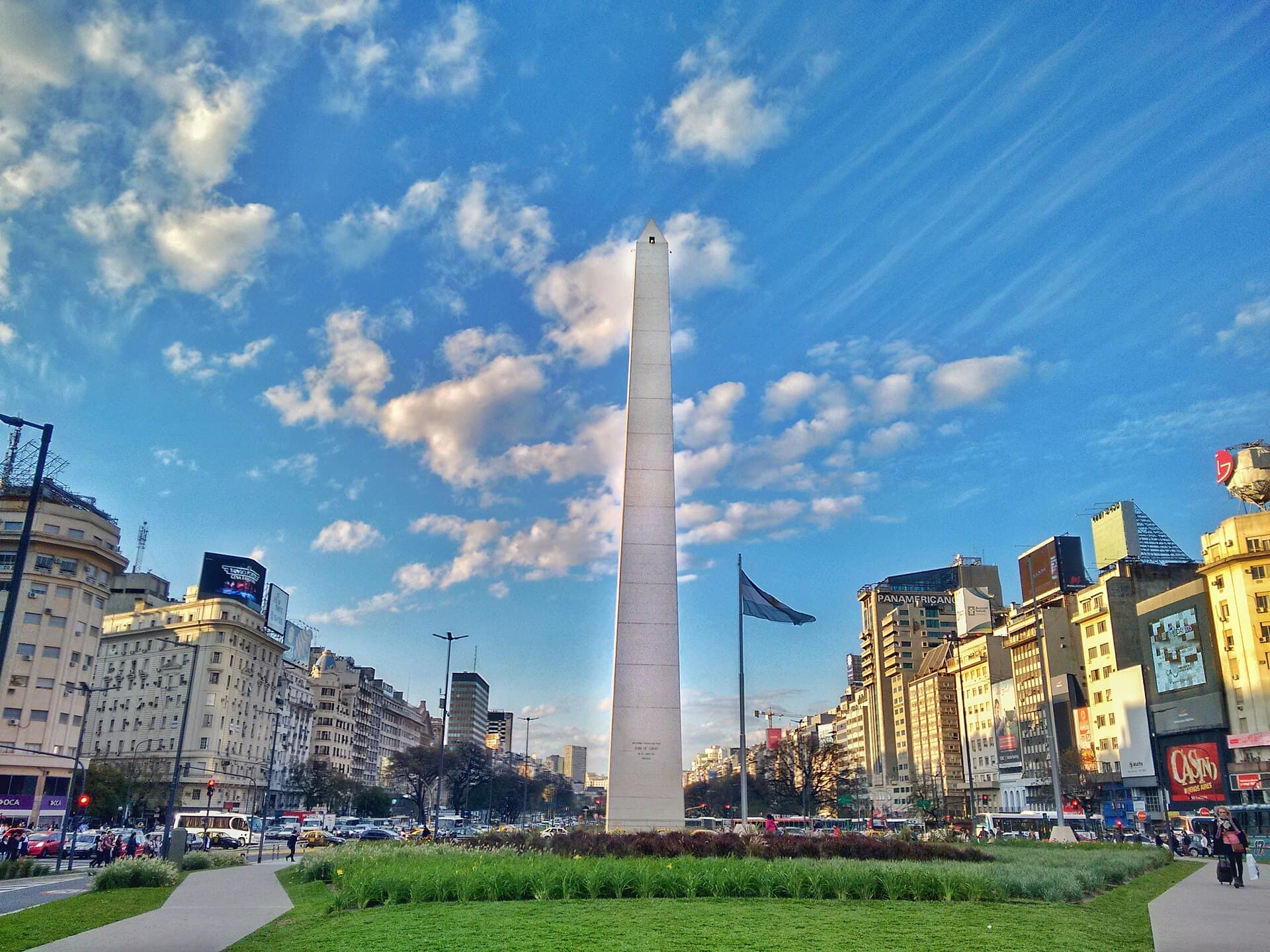 Obelisco de Buenos AiresThe Obelisco is the symbol of Buenos Aires, a white obelisk 67.5 metres high whe13 minutes walk4.5
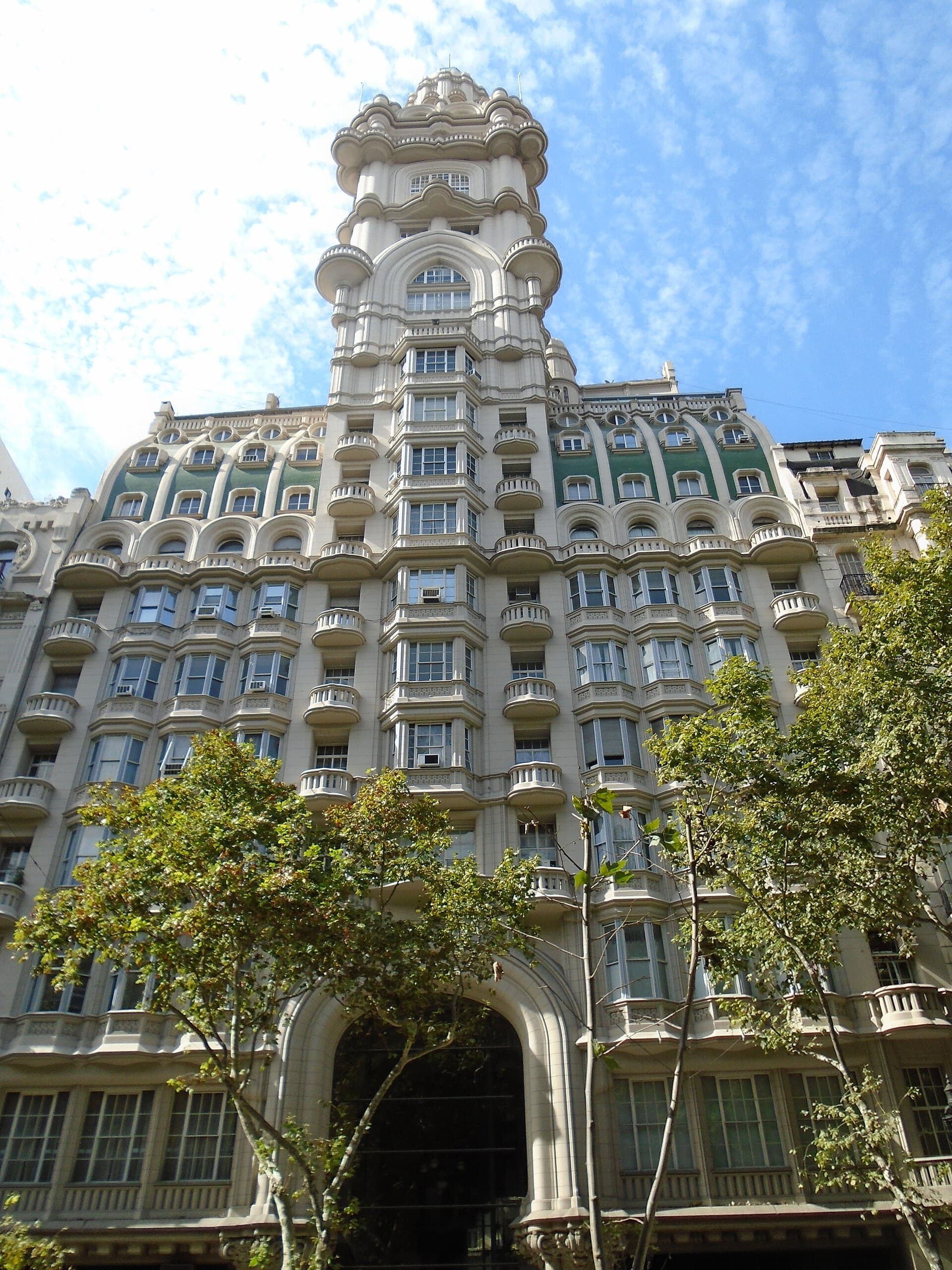 Palacio BaroloPalacio Barolo is an office building on Avenida de Mayo that was, on completion 16 minutes walk4.7
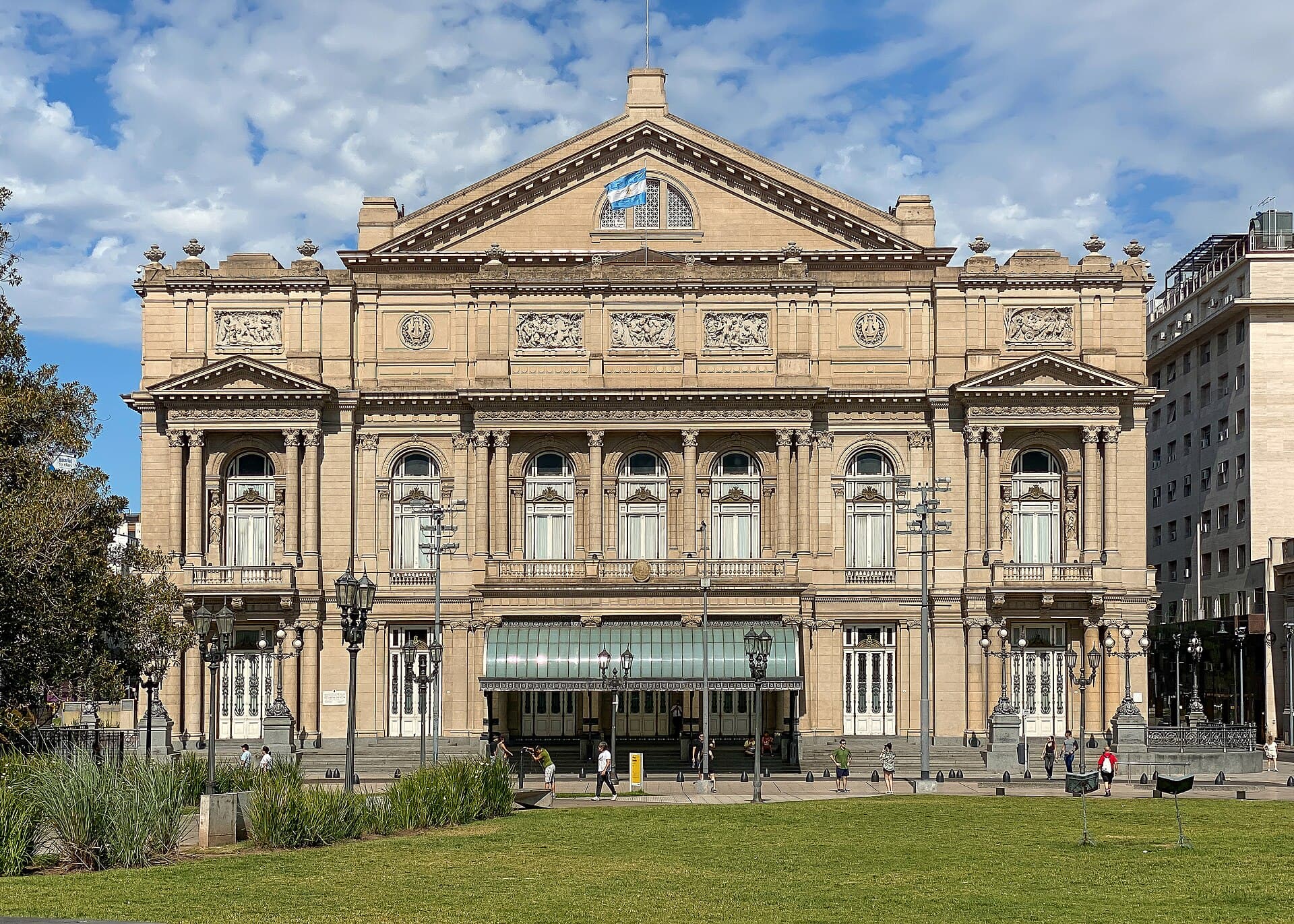 Teatro ColónThe Teatro Colón is Buenos Aires's great opera house and one of the finest-sound16 minutes walk4.7
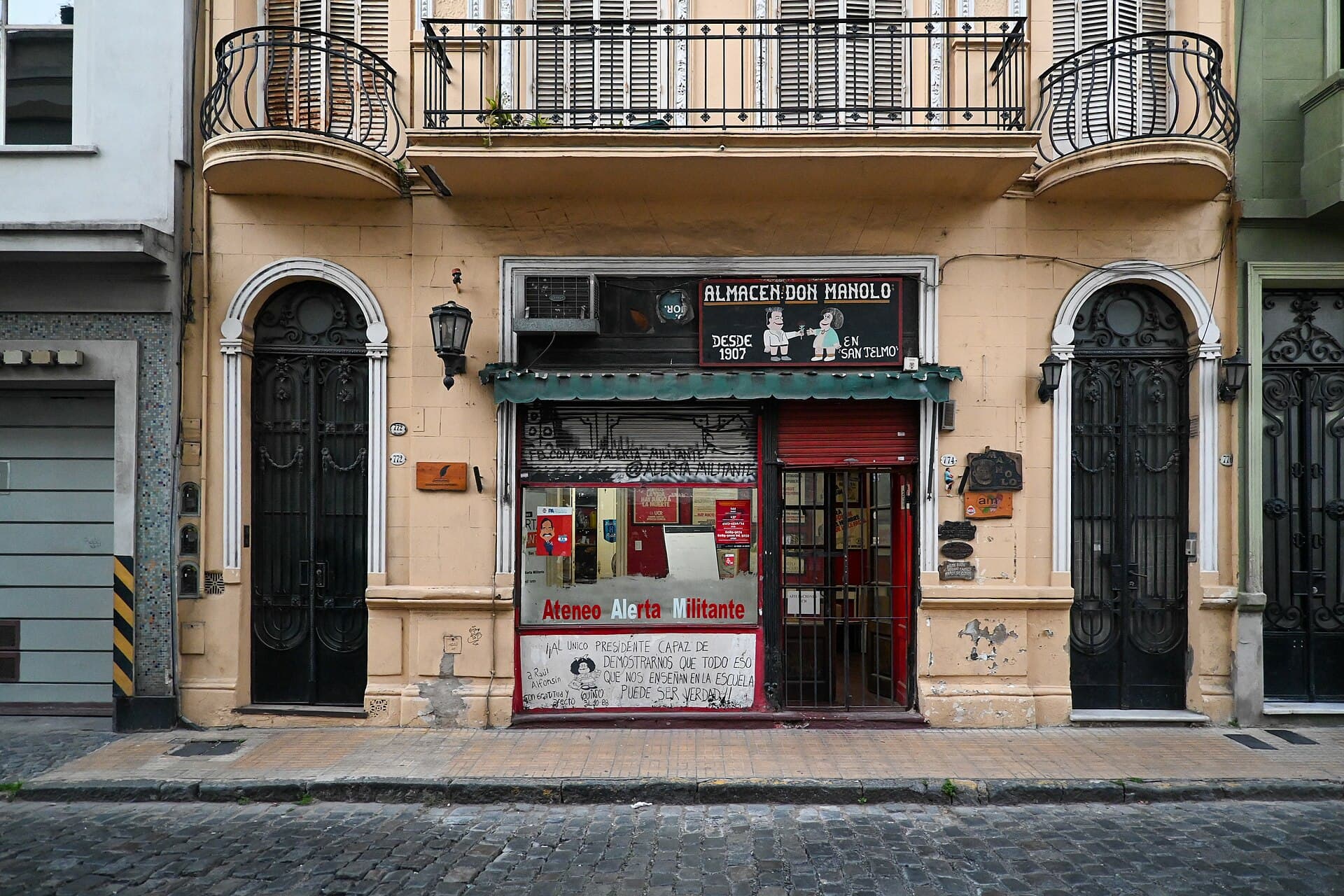 San TelmoSan Telmo is the oldest district of Buenos Aires, with cobbled streets, old hous17 minutes walk4.3
Individual visits are suspended in 2026, with only pre-booked school groups admitted, but the Casa Rosada Museum behind the building is open and free.