
The bare ribs
Gothic open to the sky since 1755.
Ingo Mehling — CC BY-SA 4.0 · Jan Helebrant — CC0 · Jan Helebrant — CC0 · Jan Helebrant — CC0
Carmo is 1755's deliberately kept wound: Lisbon's greatest Gothic church (1389) whose roof fell on All Saints' mass-goers the morning of the quake — its bare arches left piercing the sky as an intended monument: the whole city's most eloquent trace of the catastrophe. Walking beneath the stone ribs open to heaven resembles neither church nor ruin — and the surviving chancel is a small, deliberately curious archaeological museum: royal tombs, azulejo, two Peruvian mummies, a wax head. The place holds a second chapter: in its quiet square (Chiado's loveliest) the Carnation Revolution's tanks sheltered (1974) and the regime fell at its barracks — the arches twice midwife to modern Portugal. The iron Santa Justa lift adjoins it: its upper walkway is the arches' best angle (and the famous lift ticket is skipped free via the neighbouring Chiado stairs).
Gothic open to the sky since 1755.
Where the regime fell, 1974, nearly bloodless.
Largo do Carmo, 1200-092 Lisbon
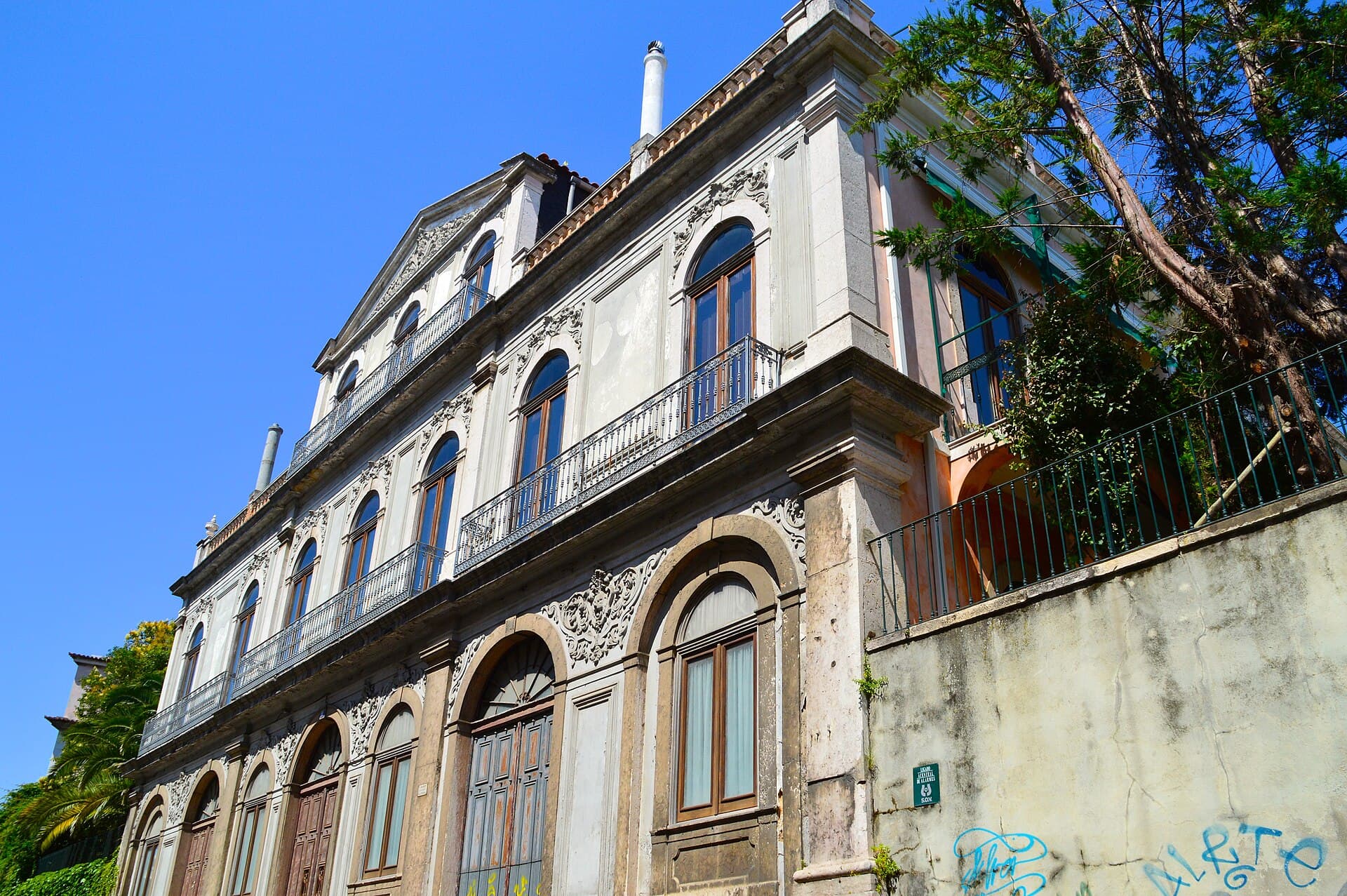 Bairro Alto & ChiadoThe twins Bairro Alto and Chiado are western Lisbon's two faces: Chiado the eleg6 minutes walk4.5
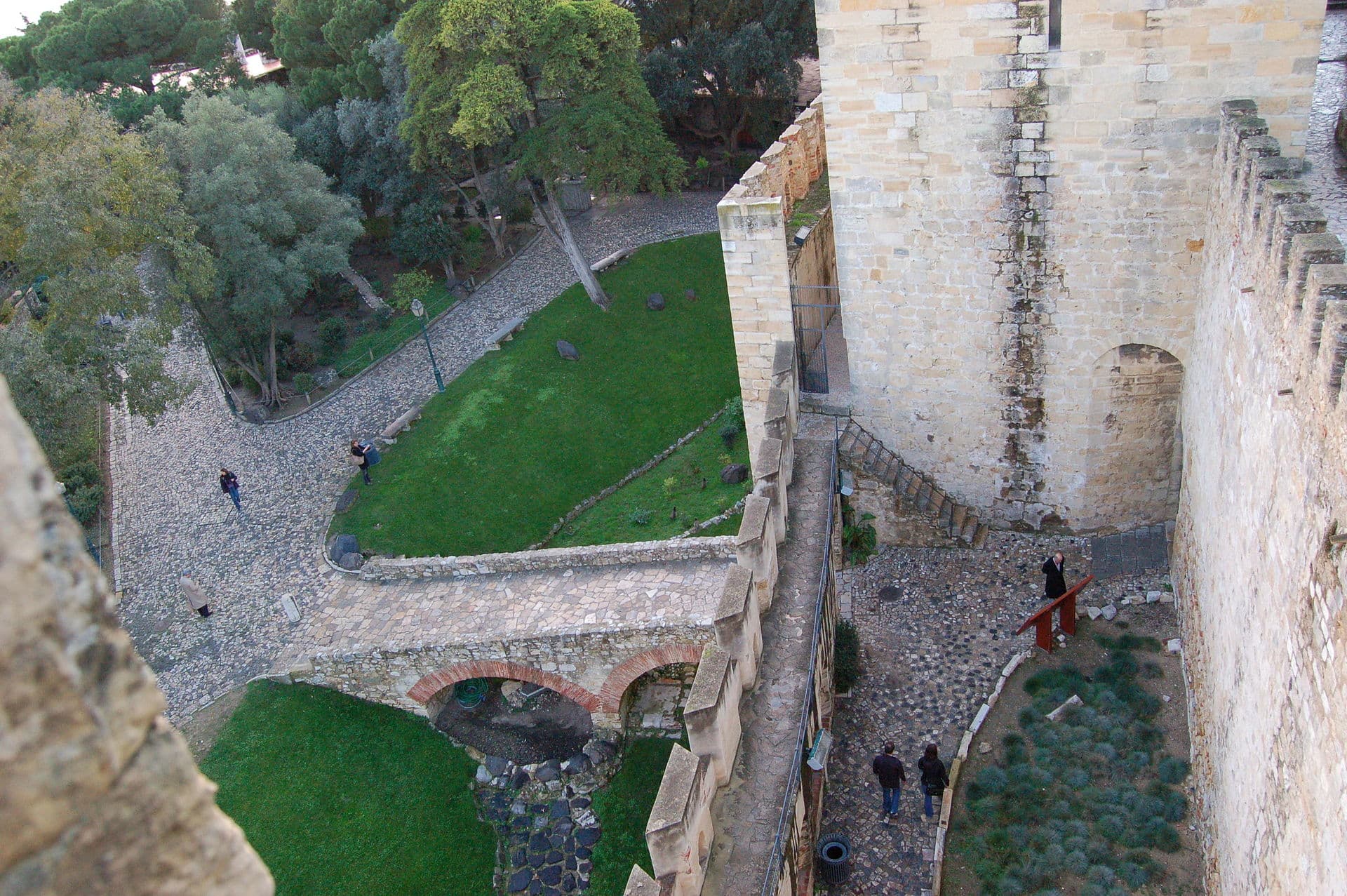 São Jorge CastleSão Jorge Castle is Lisbon's crown and origin: on its highest hill the Almoravid8 minutes walk4.4
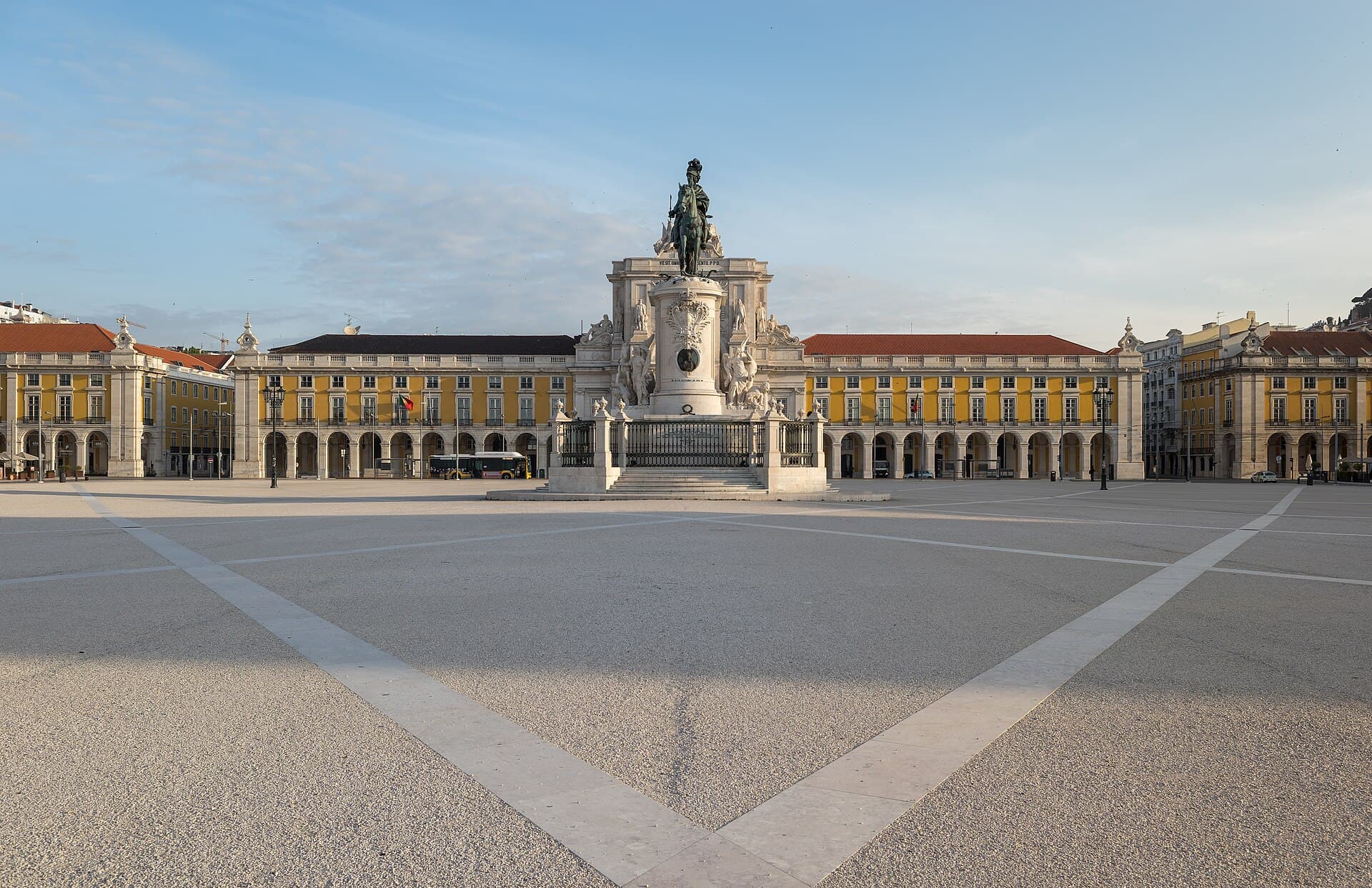 Praça do Comércio & the BaixaThe Praça do Comércio is Lisbon's royal sea gate: here stood the kings' palace t8 minutes walk4.8
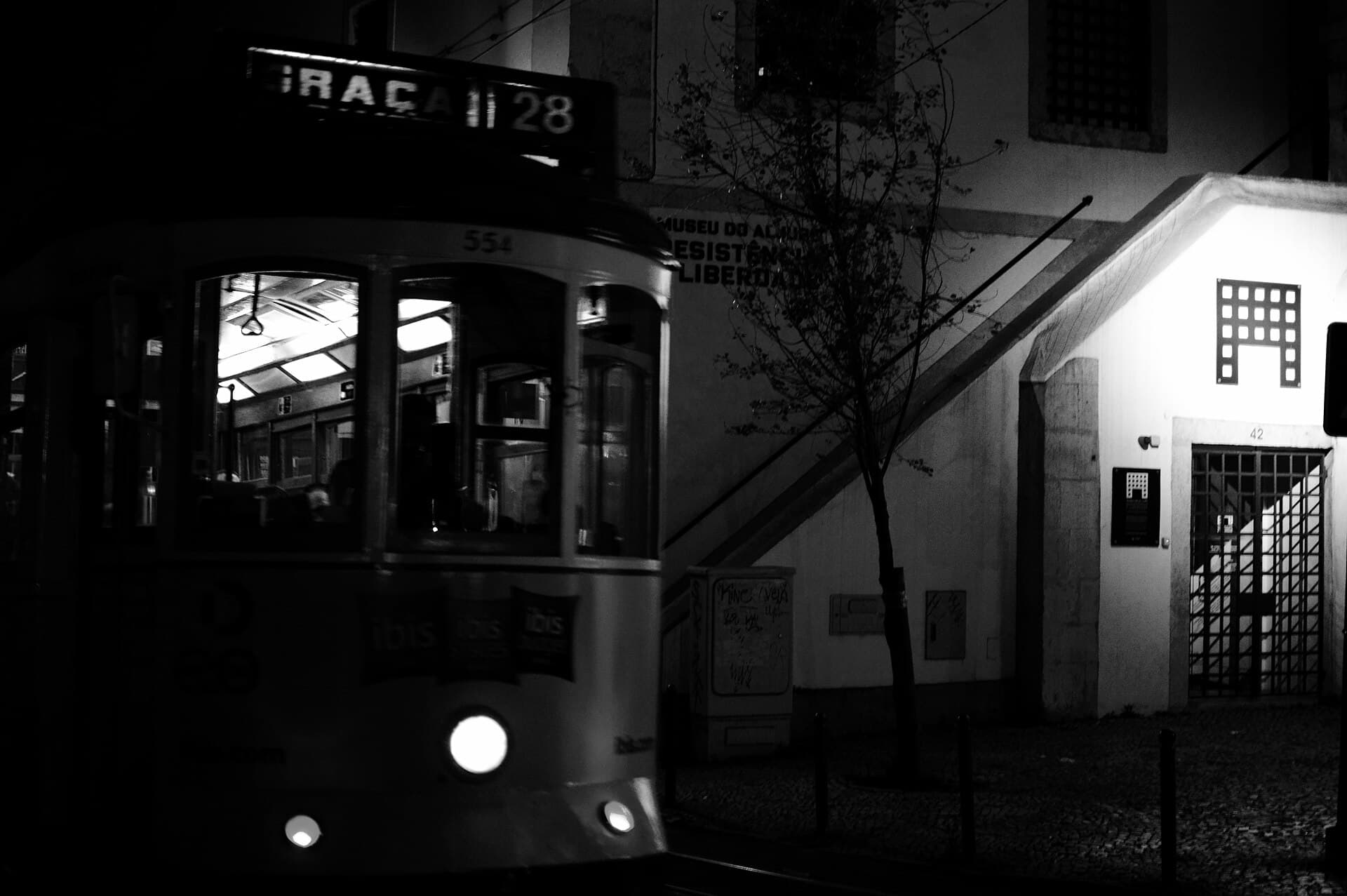 Aljube Museum of Resistance and FreedomA museum about the Portuguese dictatorship and the resistance to it, in a buildi8 minutes walk4.6
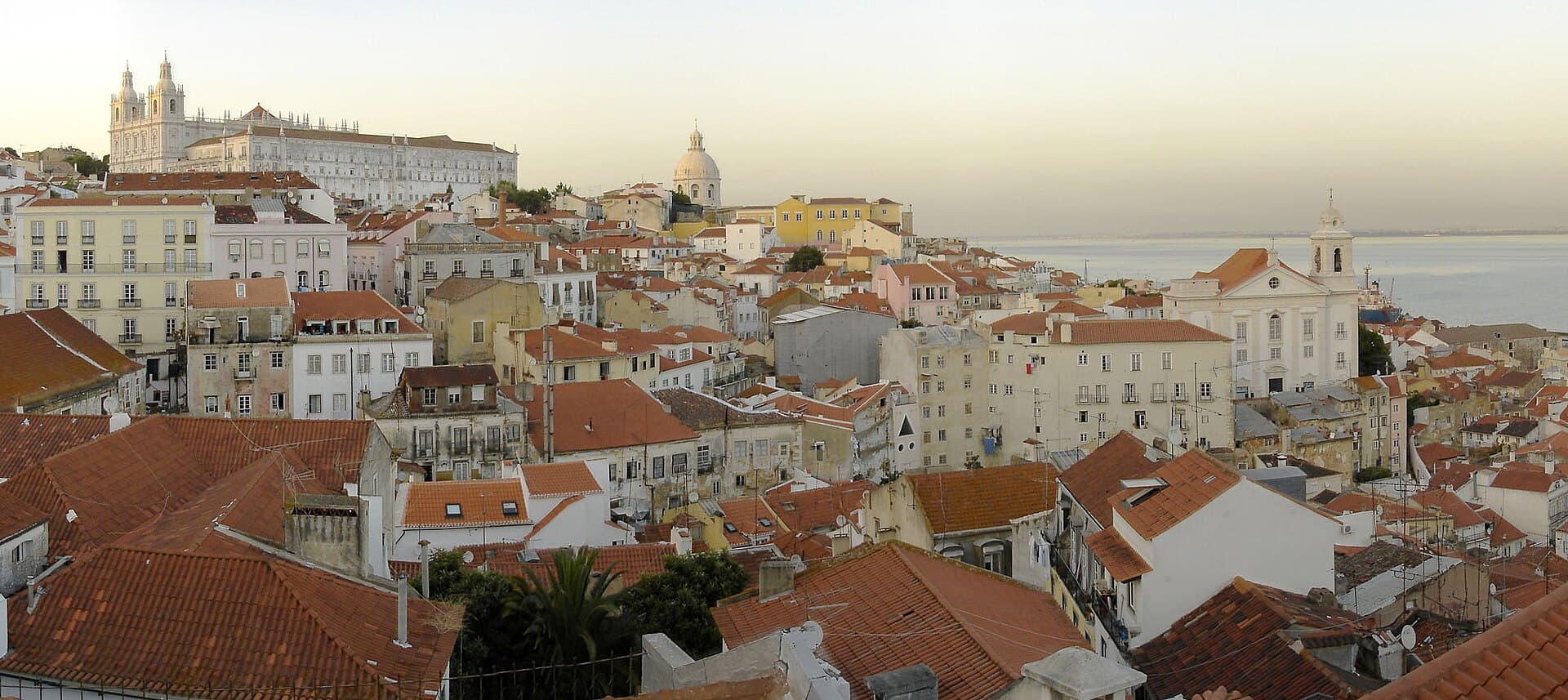 Alfama & its MiradourosAlfama is Lisbon's oldest soul: the quarter that survived the 1755 quake keeping9 minutes walk4.5
The officers' coup of 25 April 1974 against western Europe's longest dictatorship — crowds slid carnations into rifle muzzles, the regime fell with only four dead and the colonial wars ended: among history's cleanest revolutions. Carmo square, where the regime's chief was cornered, is its heart — and the carnation Portugal's dearest national day.