
The attached museum
Embroidered robes, floats and silverwork that explain the scale of Holy Week to an outsider.
Pirado — Public domain · Suicasmo — CC BY-SA 4.0 · José Luiz — CC BY-SA 3.0 · José Luiz — CC BY-SA 3.0
A church in the Macarena district north of the historic centre, home to the statue of the Virgin known as La Macarena, among the most famous images of Spain's religious brotherhoods and the one most bound up with Seville's sense of itself. The building is relatively modern, built in the twentieth century to replace an earlier church, and neo-Baroque in style. Anyone coming for historic architecture will find it at the cathedral or Santa María la Blanca rather than here; the value lies in the statue and in what it represents socially. Beside the church is a small museum showing the statue's embroidered robes, the processional floats and the silverwork used in Holy Week, and that is the part which explains the scale of the phenomenon to a non-local visitor. Directly in front of the church stands the Macarena gate and the longest surviving stretch of Seville's Islamic walls, so the two visits combine in one stop.
Embroidered robes, floats and silverwork that explain the scale of Holy Week to an outsider.
The longest surviving stretch of Seville's Islamic wall stands directly opposite.
The building is twentieth-century; the value is in the statue and its social meaning, not the stonework.
Calle Bécquer, Macarena district, northern Seville
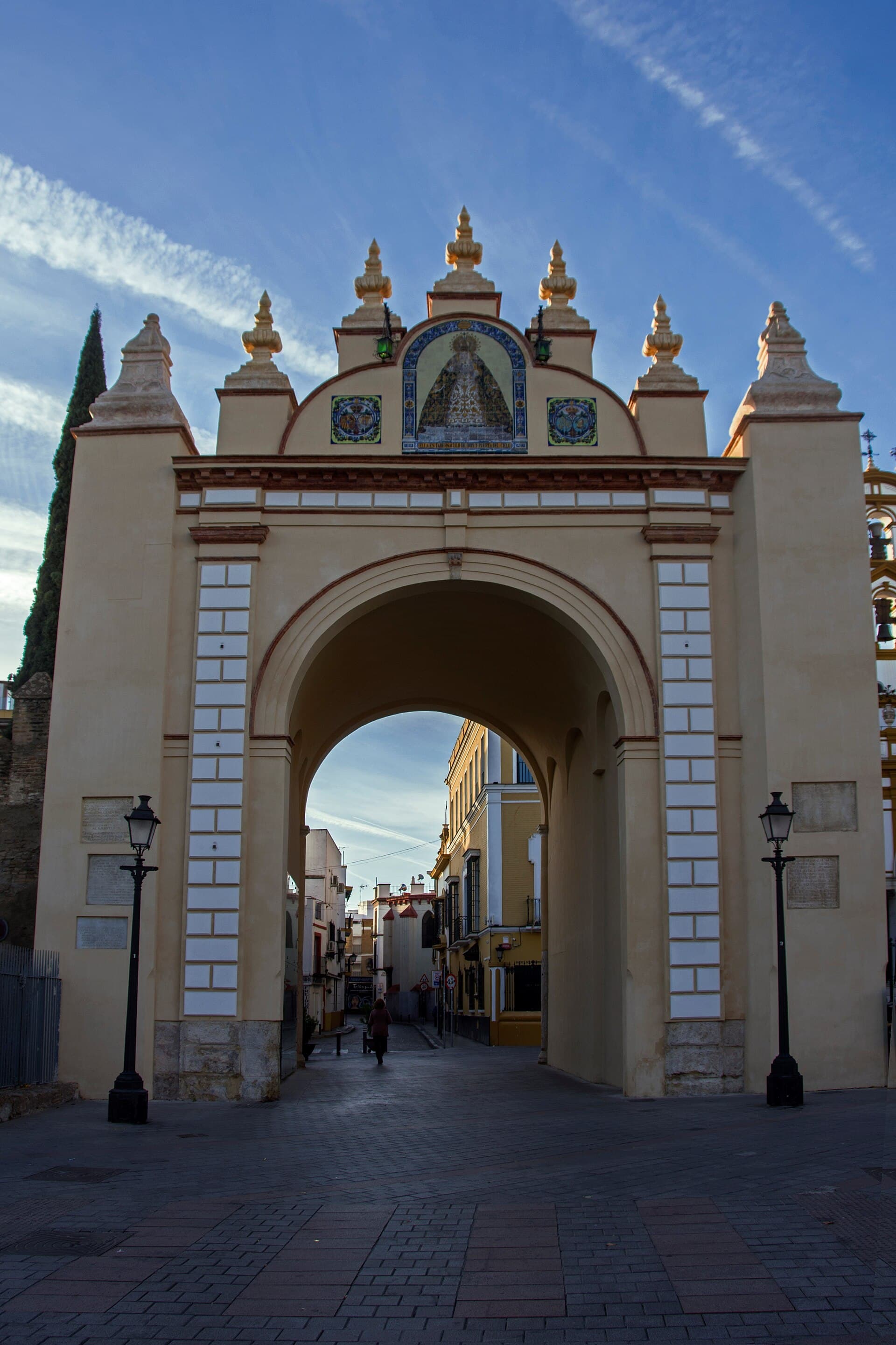 Puerta de la MacarenaOne of the gates of Seville's old wall and among the few that survive, standing 1 minute walk4.5
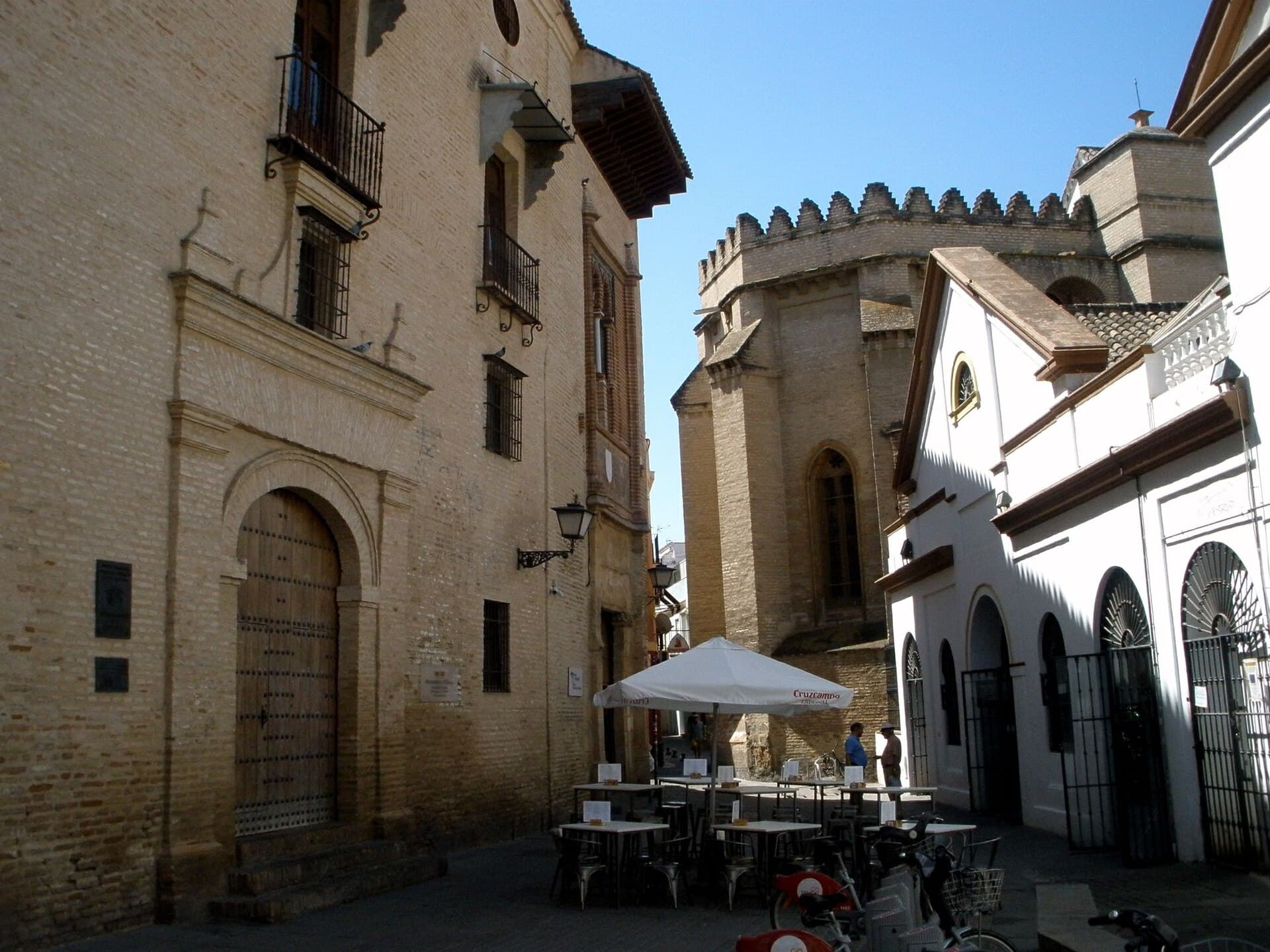 Palacio de los Marqueses de la AlgabaA fifteenth-century palace in the Feria district north of the historic centre, t4 minutes walk4.5
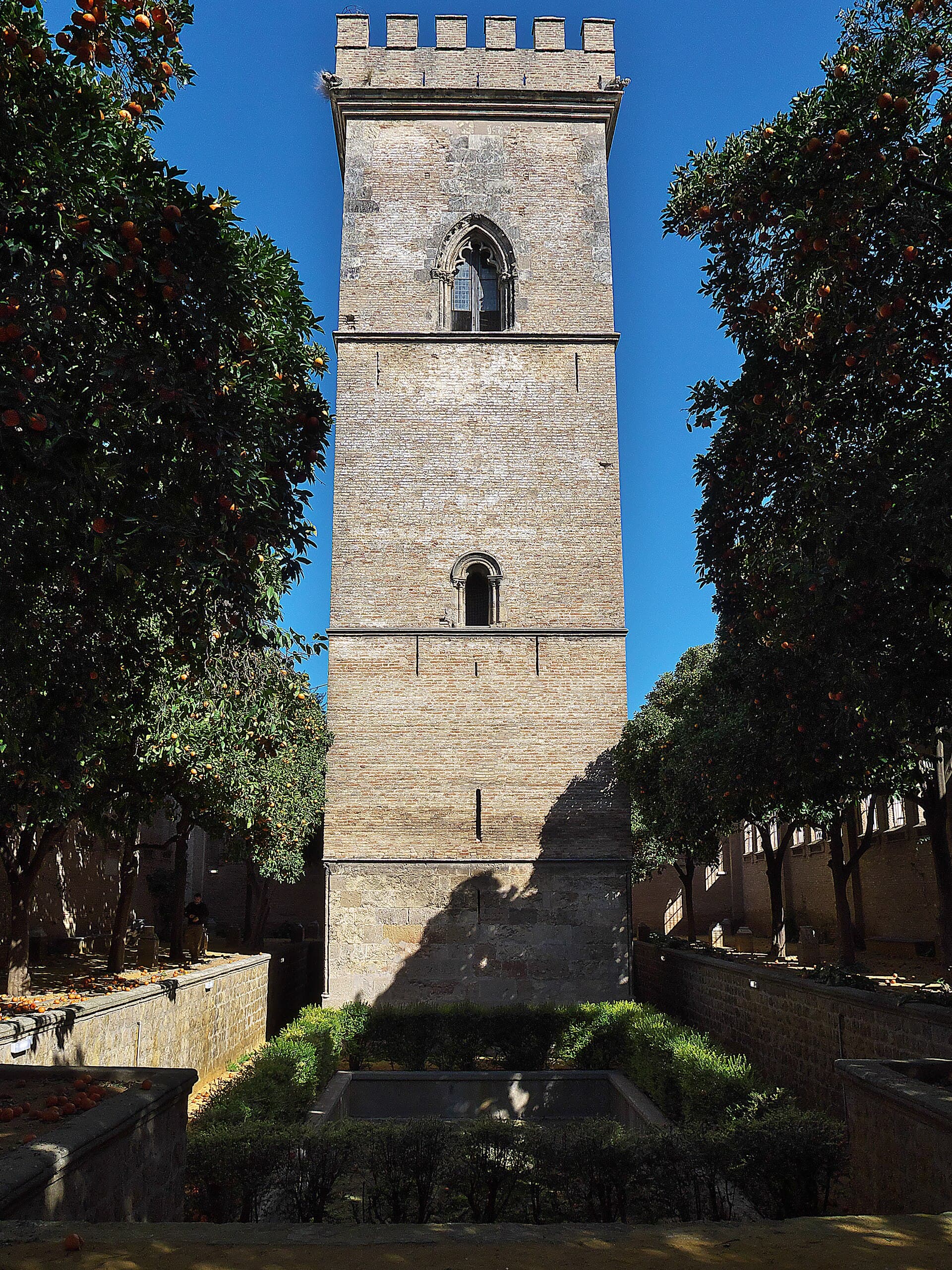 Torre de Don FadriqueA thirteenth-century stone tower inside the Santa Clara convent complex north of7 minutes walk4.6
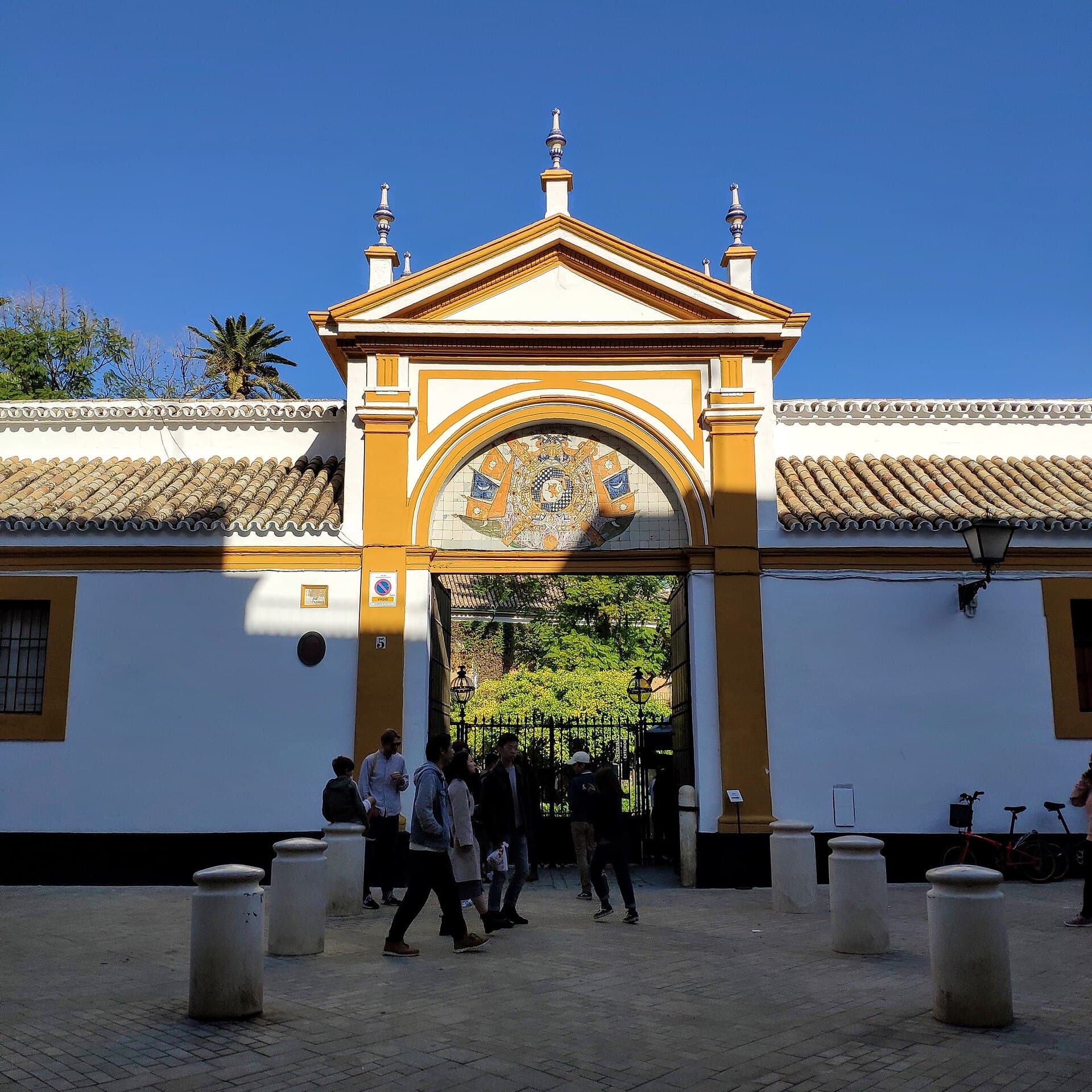 Palacio de las DueñasLas Dueñas is the house of Spain's most famous dukes and Seville's most alive pa11 minutes walk4.5
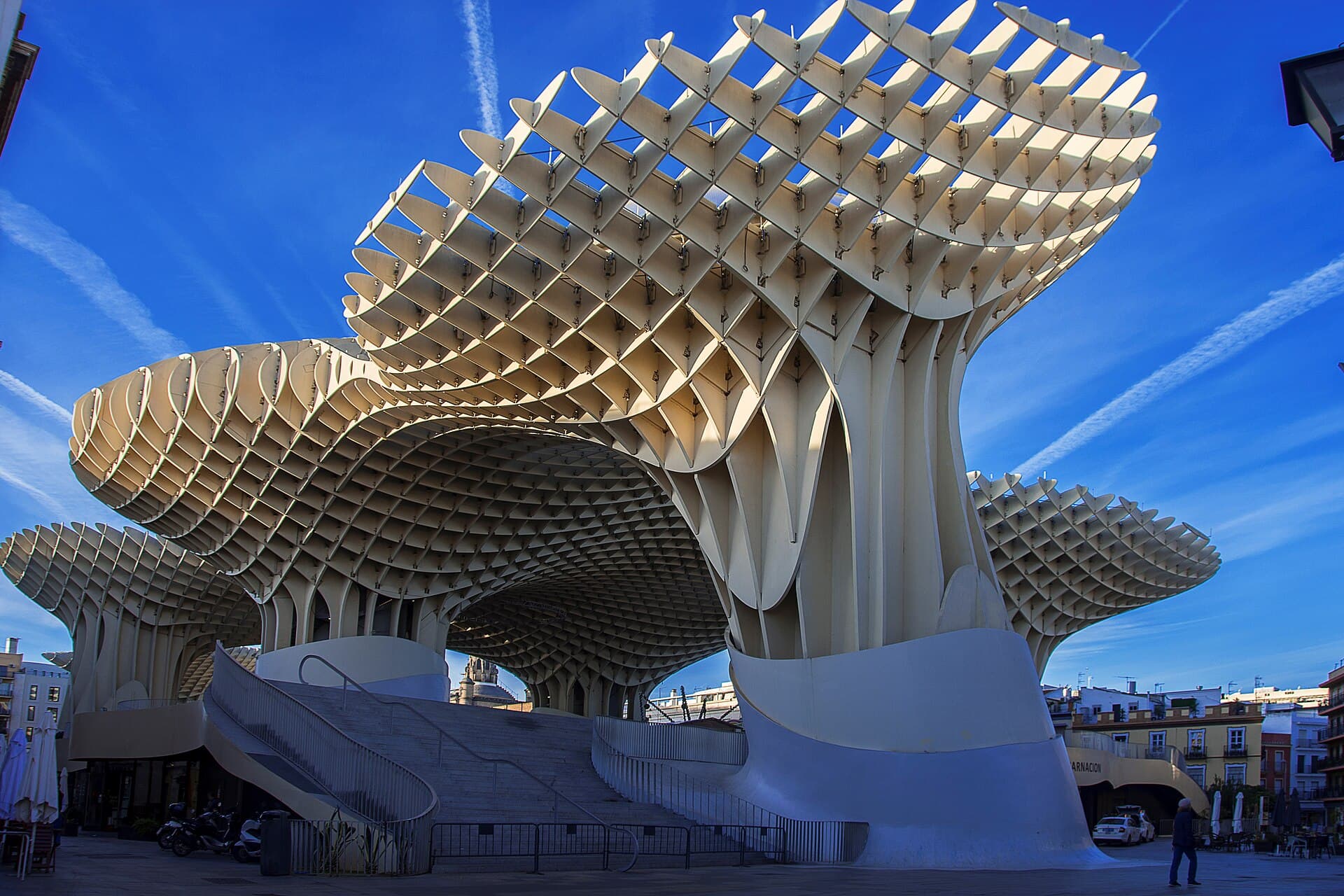 Setas de Sevilla (Metropol Parasol)"The mushrooms" — as Sevillians named them on sight — form the world's largest t13 minutes walk4.3
It is the focus of one of Seville's largest religious brotherhoods and is carried in procession on the night of Holy Thursday before enormous crowds. Its bond with the city's identity outweighs its artistic value, which explains the steady stream of local visitors all year.
Holy Week before Easter, if your aim is to see the place calmly. The crowds are enormous and the arrangements change completely. If you want to witness the phenomenon itself, that is exactly the moment — but book accommodation very far ahead and expect high prices.
North of the historic centre, about half an hour on foot from the cathedral or a short bus ride. The route passes through residential districts quieter than the centre, and the walk itself gives you the non-touristic Seville.