
The aerial walkway
An undulating path over the timber with the Giralda in view — Seville from its sky.
Anual — CC BY-SA 4.0 · Holger Uwe Schmitt — CC BY-SA 4.0 · Holger Uwe Schmitt — CC BY-SA 4.0 · Holger Uwe Schmitt — CC BY-SA 4.0
"The mushrooms" — as Sevillians named them on sight — form the world's largest timber structure: six giant undulating parasols of latticed wood 26 metres high, landing in 2011 amid the old city and igniting the heritage-versus-modernity feud — settled by time in their favour: they became Seville's third icon. The winding walkway atop the parasols is the point: an aerial path curling with a circular view over the sea of white roofs to the Giralda — finest at night, when the canopy glows with a light show and the city glitters below; the evening ticket earns its difference. Beneath the modernity, the city's layers: the basement Antiquarium shows Roman Seville's mosaics and houses discovered during the dig — Rome to the Almohads to contemporary timber in one vertical column.
An undulating path over the timber with the Giralda in view — Seville from its sky.
The parasols glow in colour over sparkling roofs.
Roman Seville's mosaics in place beneath the mushrooms.
Plaza de la Encarnación, 41003 Seville
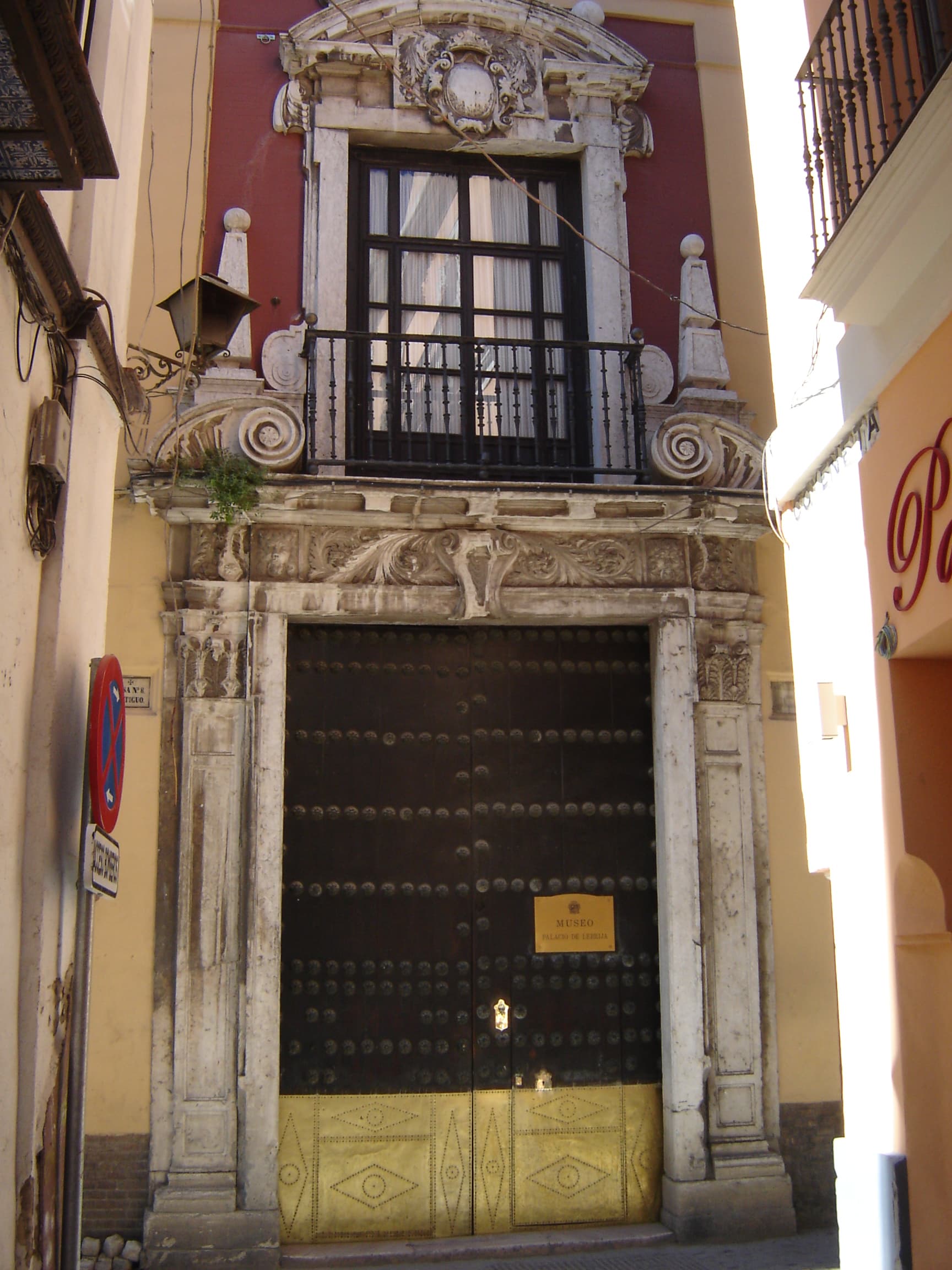 Palace of the Countess of LebrijaThe Lebrija palace houses Seville's strangest passion: the antiquity-loving Coun3 minutes walk4.6
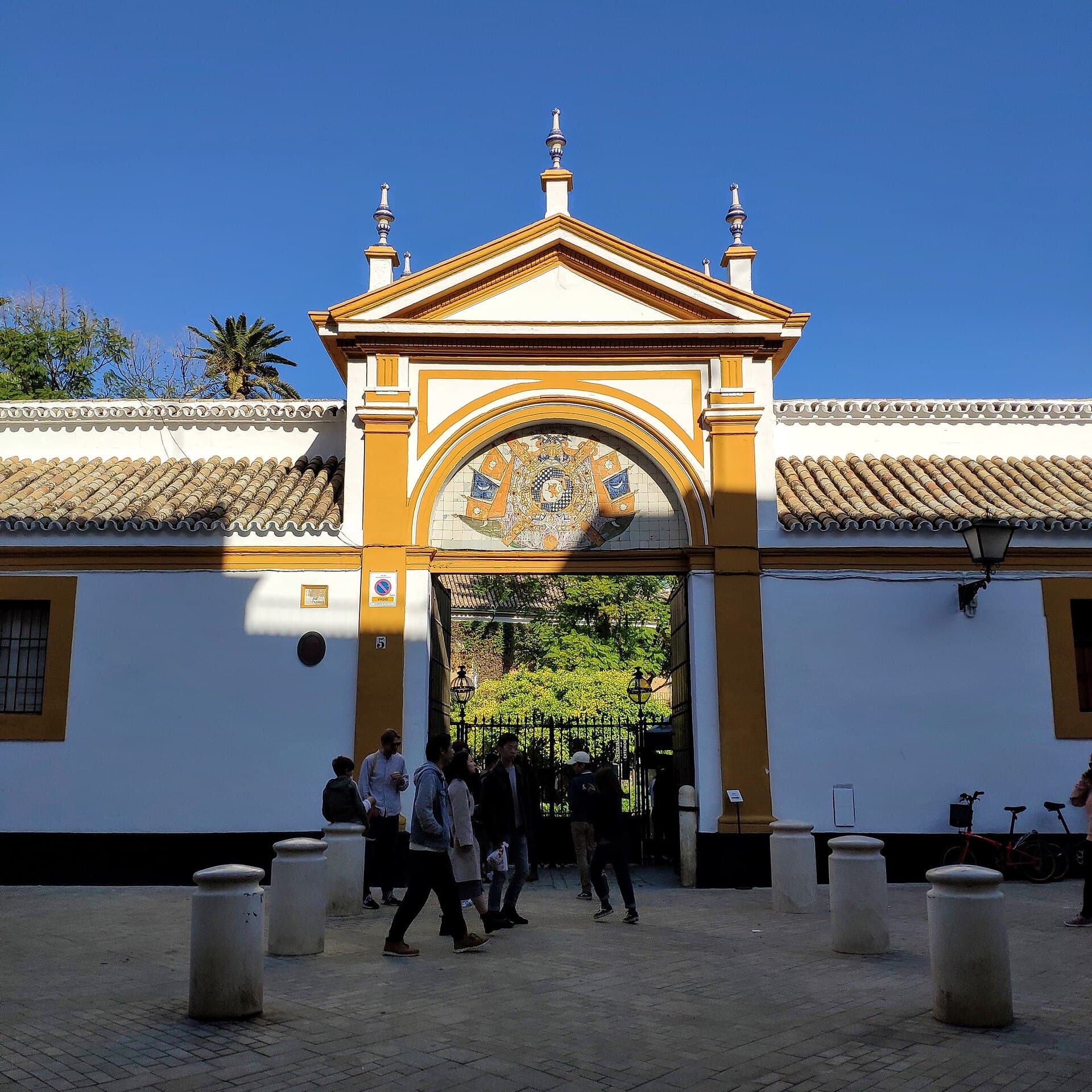 Palacio de las DueñasLas Dueñas is the house of Spain's most famous dukes and Seville's most alive pa4 minutes walk4.5
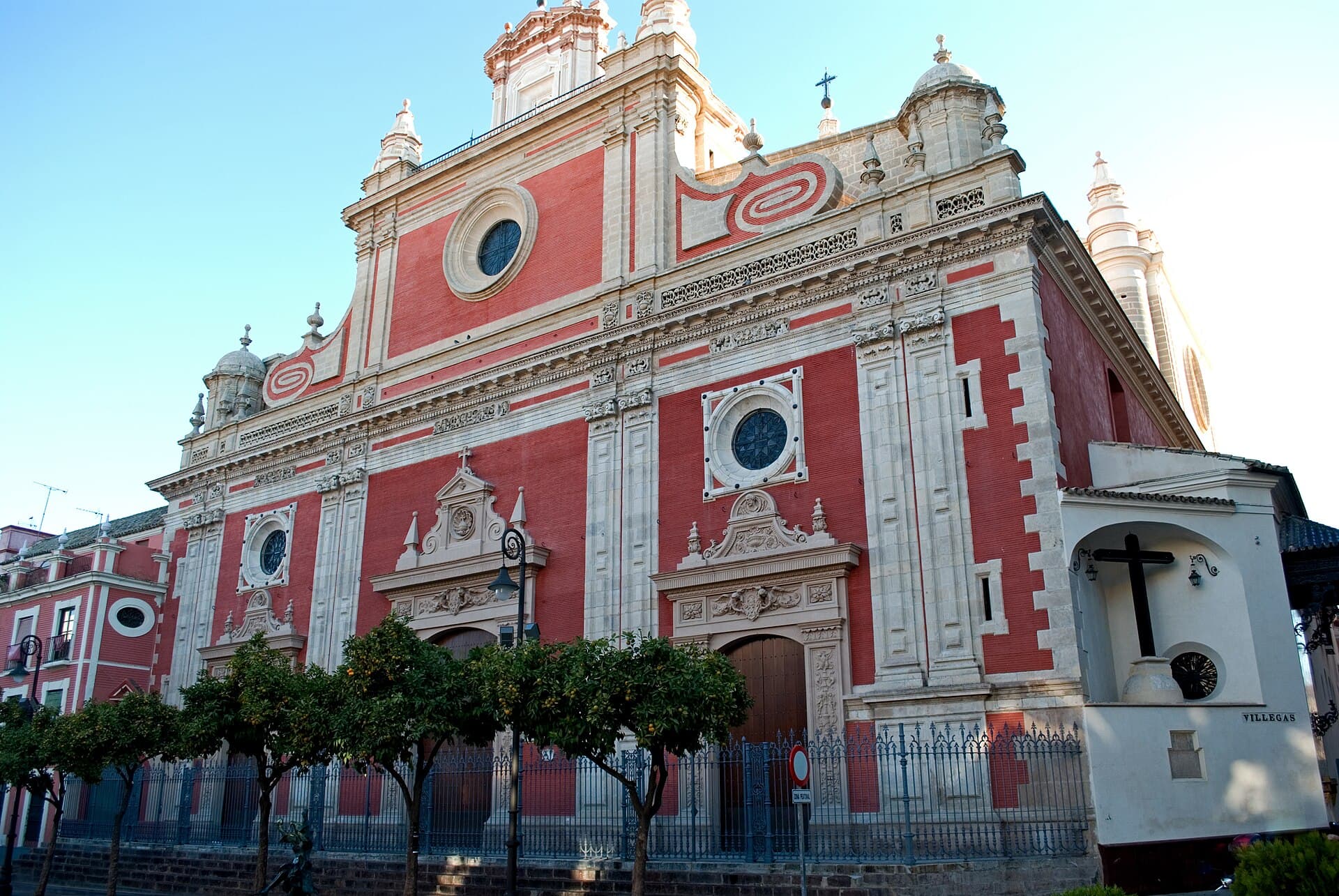 Church of El SalvadorSeville's second largest church after the cathedral, standing on a square in the5 minutes walk4.7
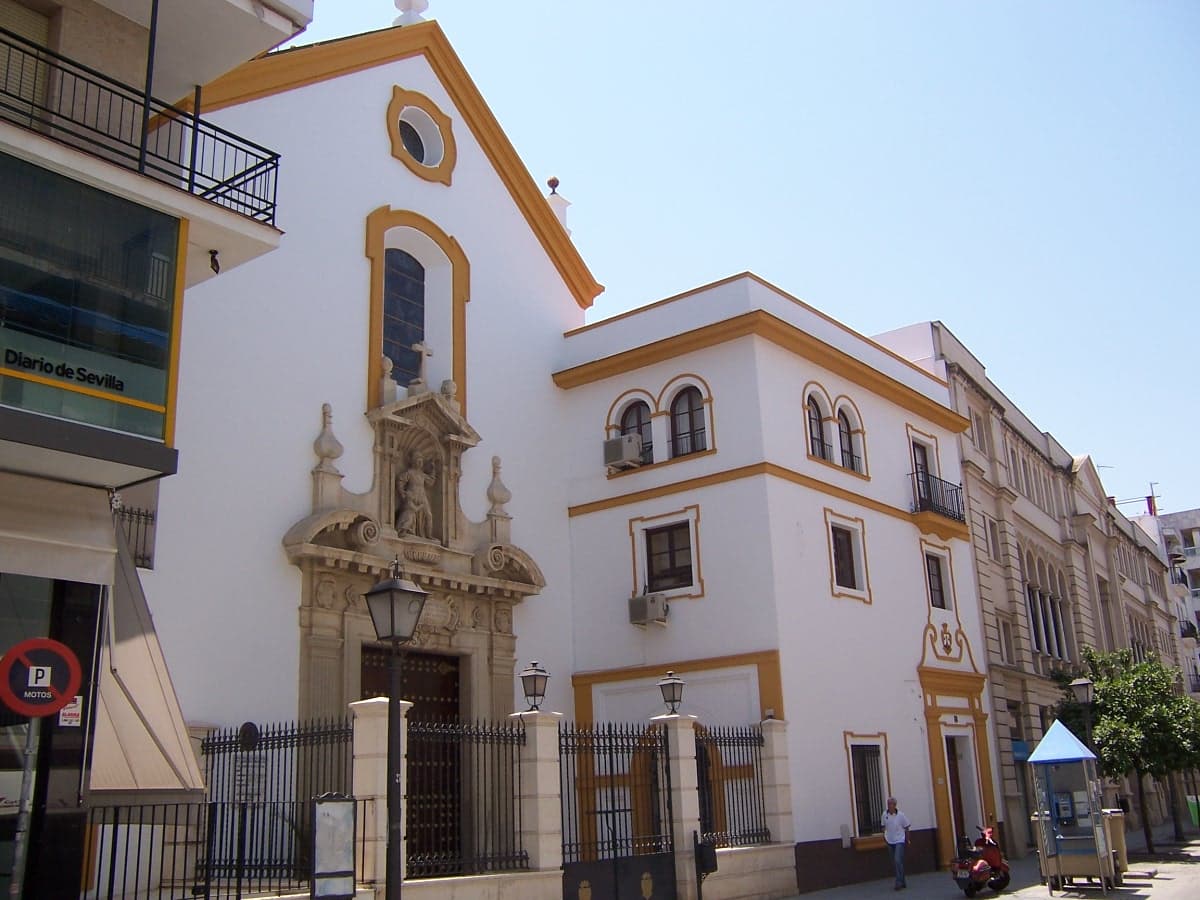 Church and Museum of Santo ÁngelA seventeenth-century church in central Seville, formerly attached to a Carmelit6 minutes walk4.7
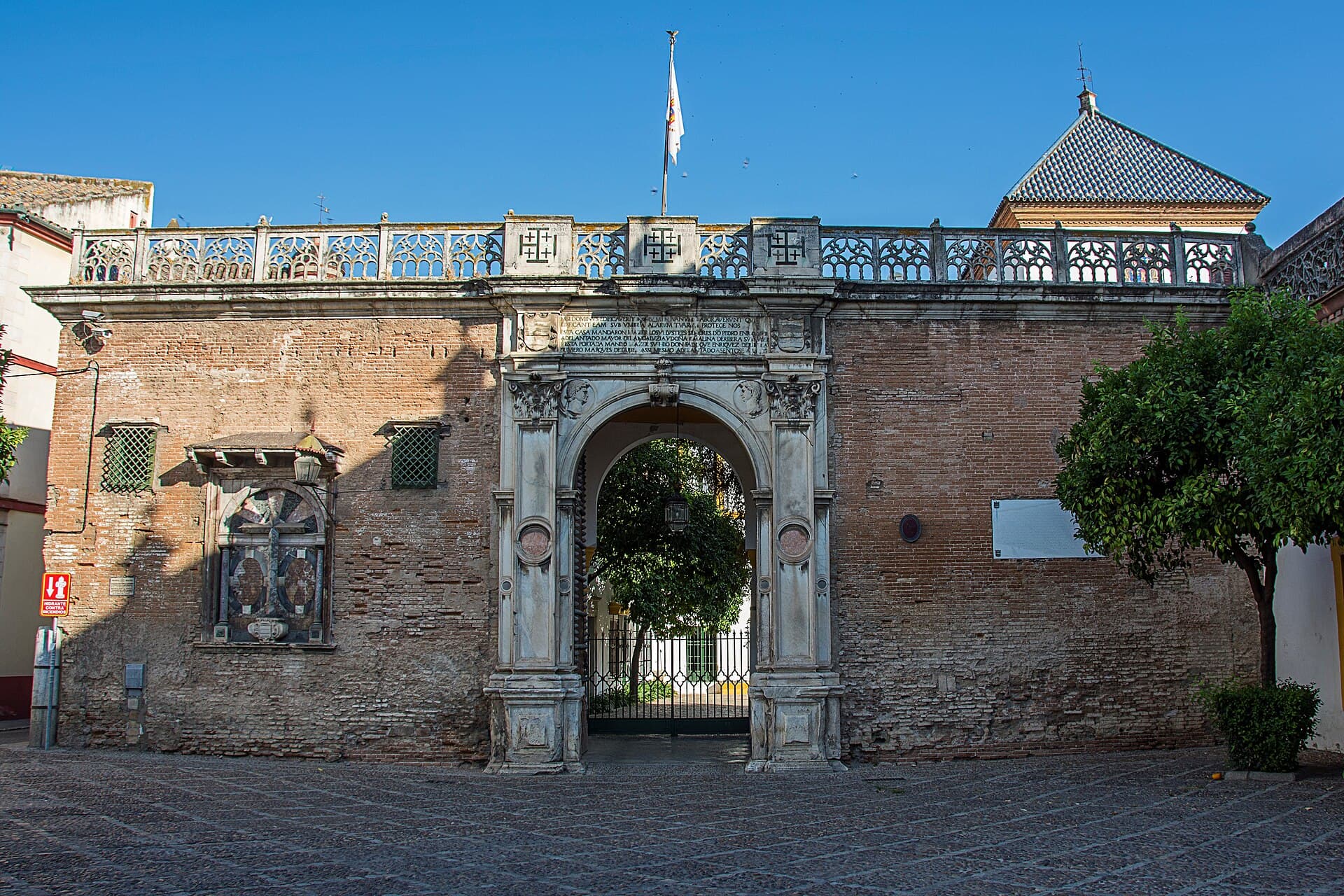 Casa de PilatosThe Casa de Pilatos is Seville's loveliest private palace — the little Alcázar w7 minutes walk4.3
Giant undulating timber in a historic square of a heritage-worshipping city — with doubled costs and delays: the perfect storm. Then time worked: shade in Seville's killing summer, the market returned to the square, the walkway opened a new sky — today its cursers defend it.
Directly after the big three: a perfect light hour between heavy monuments, and its night competes with nothing — make it any evening's close. With children it jumps the queue: walkway, lights and food market, effortless.