
The courtyard itself
Arches, columns and carved wooden ceilings in the Andalusi manner, in a fifteenth-century palace.
Zarateman — CC0 · CarlosVdeHabsburgo — CC BY-SA 4.0 · Chabe01 — CC BY-SA 4.0 · Chabe01 — CC BY-SA 4.0
A fifteenth-century palace in the Feria district north of the historic centre, today holding a centre devoted to Mudéjar art, meaning the architecture and ornament produced by Muslim craftsmen in Spain after the Christian conquest. That subject is precisely what makes the visit valuable for an Arab visitor. Mudéjar is neither purely Islamic nor purely Christian architecture but the continuation of Andalusi technique and taste in the service of new patrons, and the Algaba palace is itself a living example: a courtyard of arches and columns with carved wooden ceilings in the Andalusi manner. The displays include pieces in plaster, wood and tile explaining the decorative techniques, a small collection but a coherent one with a clear argument. Entry is normally free and the place is quiet, and it sits in the working-class Feria district, very different in character from the touristic streets around the cathedral. Combine it with a walk through that neighbourhood.
Arches, columns and carved wooden ceilings in the Andalusi manner, in a fifteenth-century palace.
The displays explain how Andalusi craft carried on working for new patrons after 1248.
Feria is a genuine residential district, and walking it gives you a Seville most visitors never see.
Plaza del Calderero, Feria district, Seville
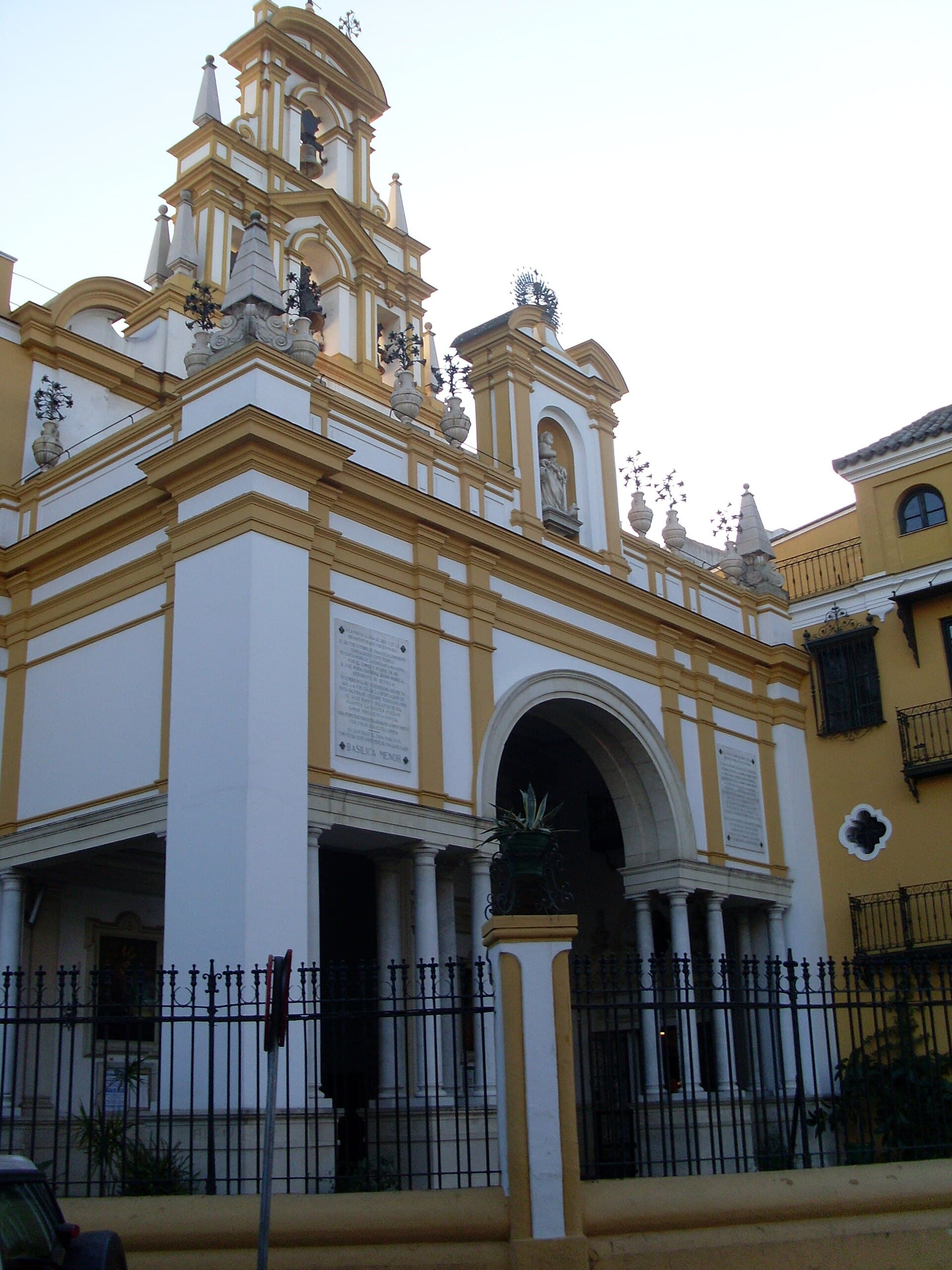 Basílica de la MacarenaA church in the Macarena district north of the historic centre, home to the stat4 minutes walk4.6
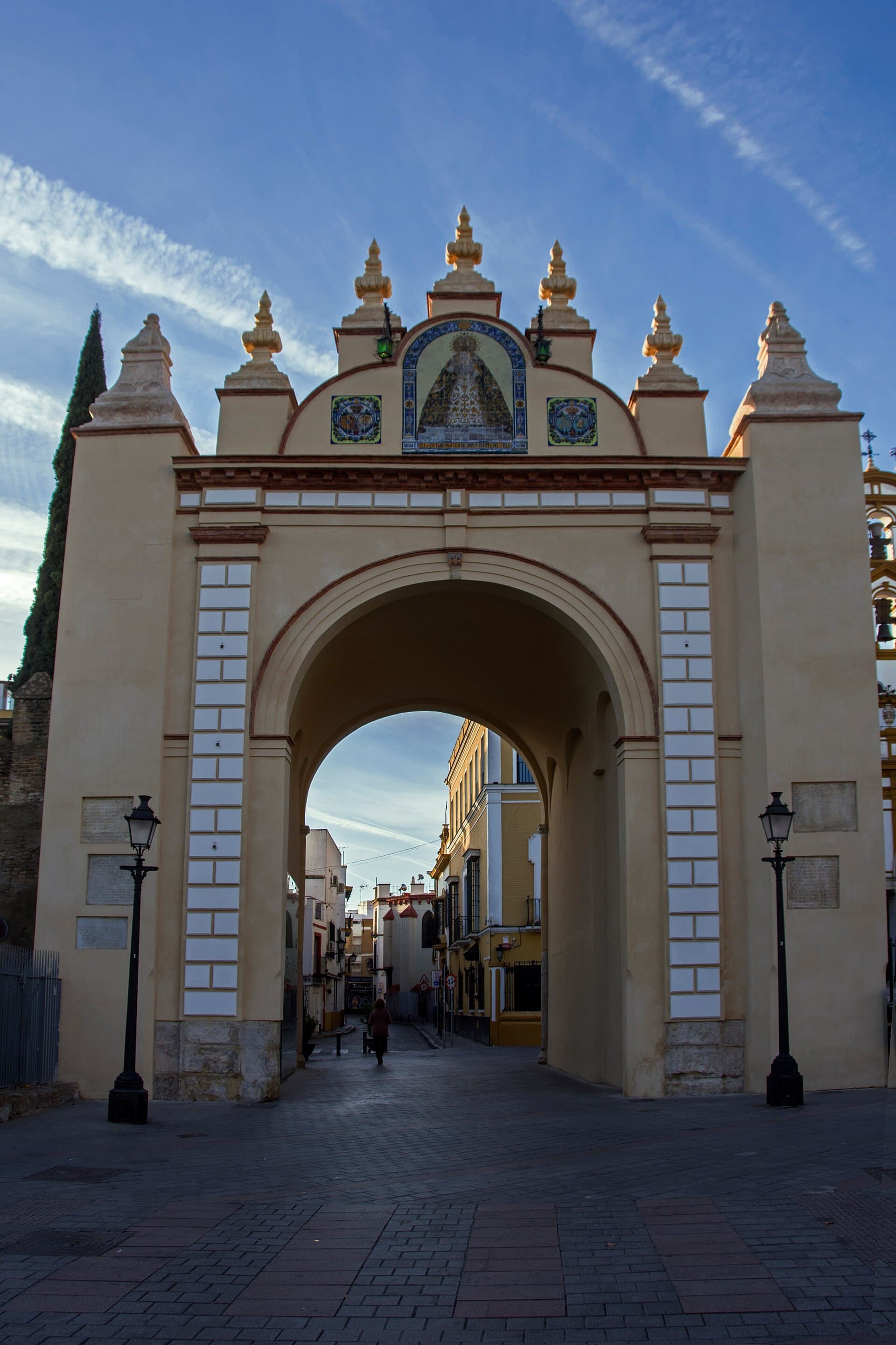 Puerta de la MacarenaOne of the gates of Seville's old wall and among the few that survive, standing 5 minutes walk4.5
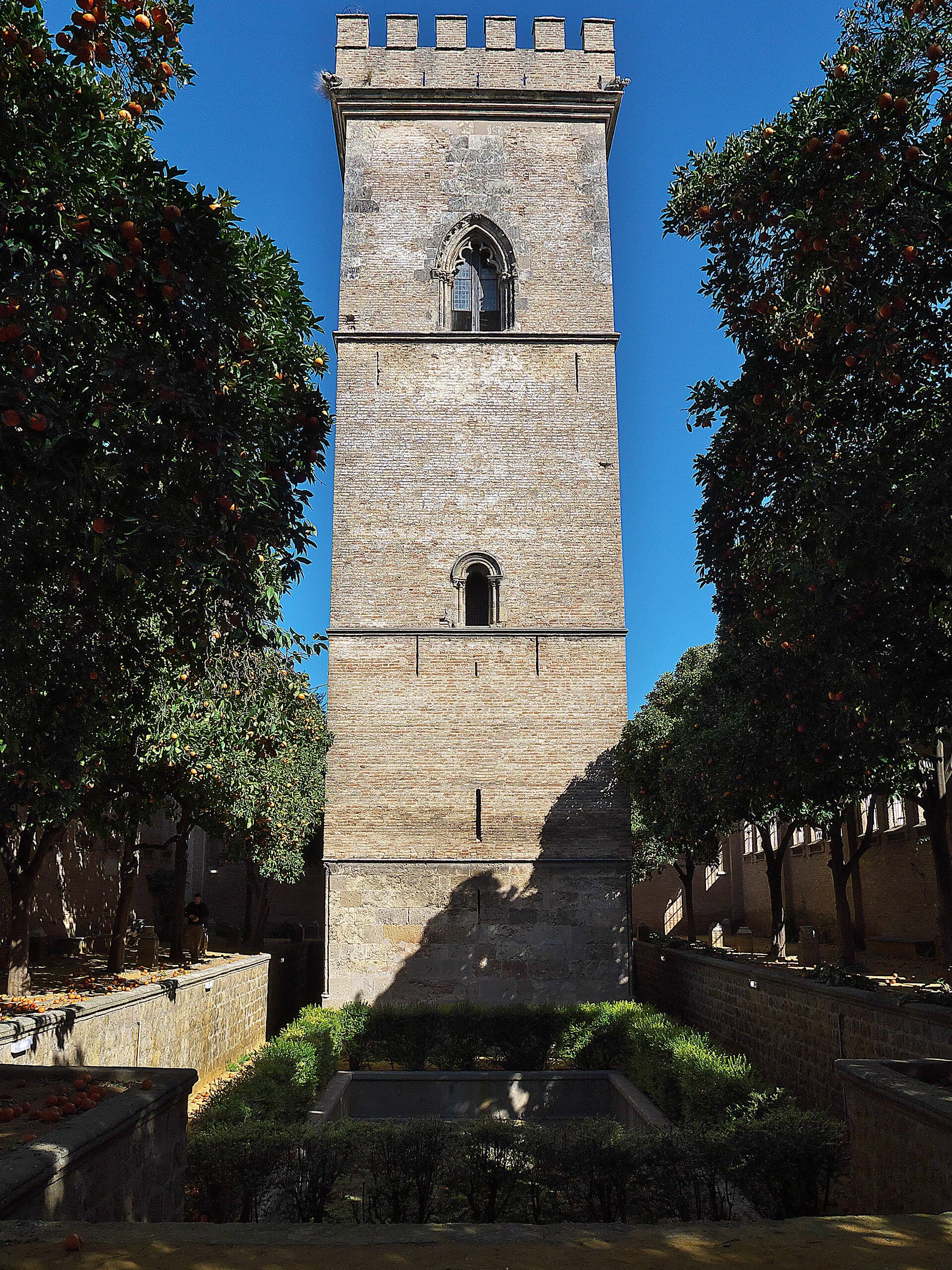 Torre de Don FadriqueA thirteenth-century stone tower inside the Santa Clara convent complex north of6 minutes walk4.6
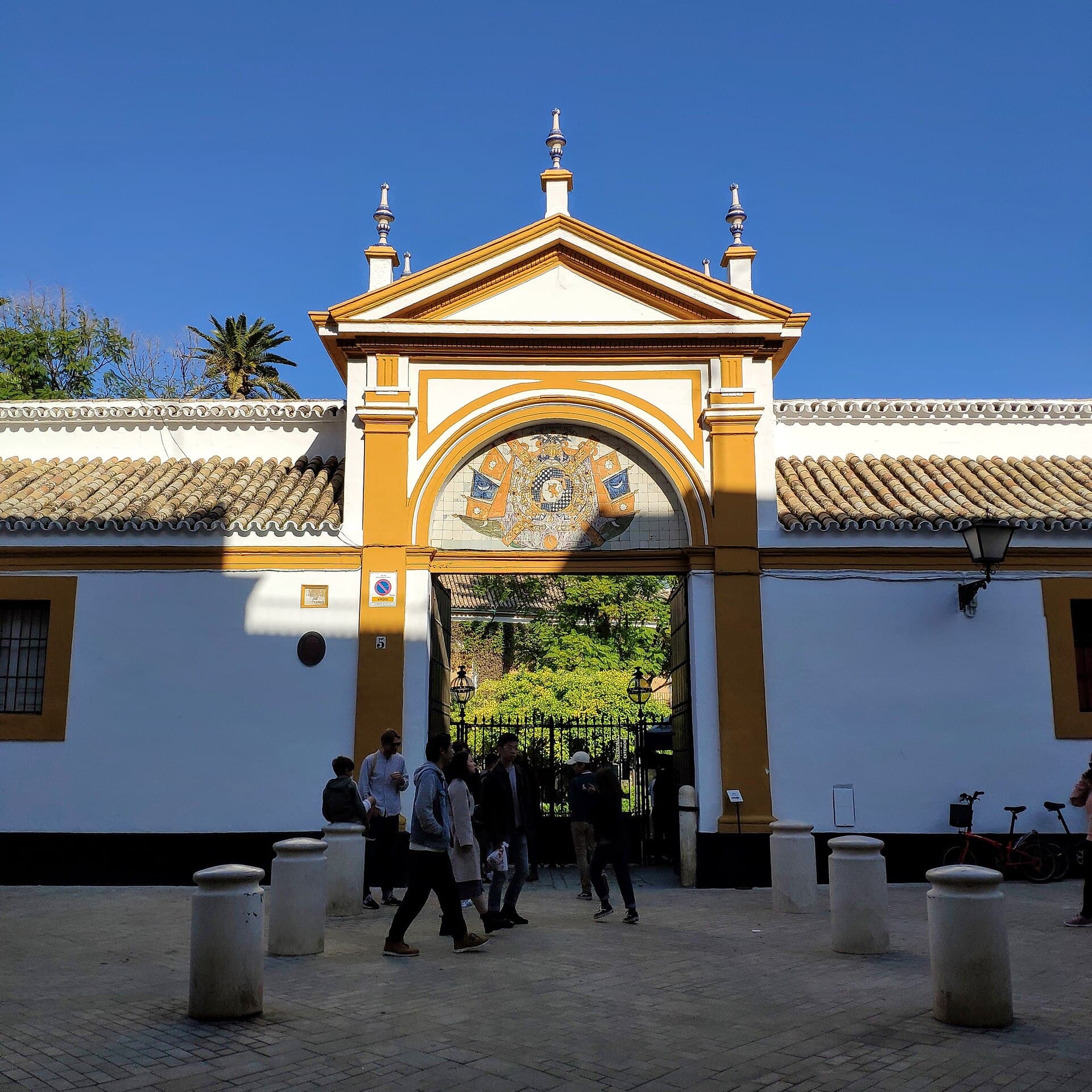 Palacio de las DueñasLas Dueñas is the house of Spain's most famous dukes and Seville's most alive pa7 minutes walk4.5
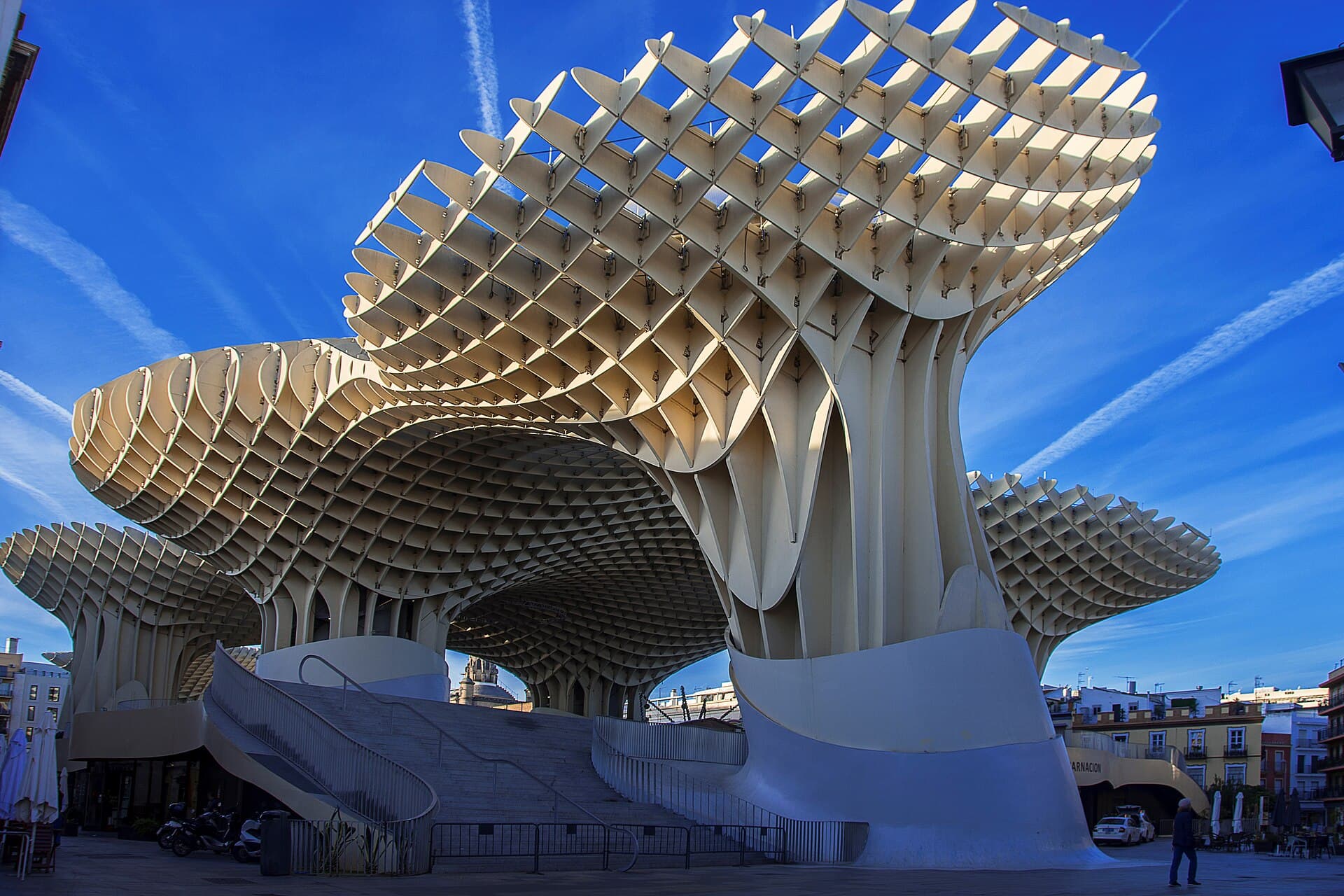 Setas de Sevilla (Metropol Parasol)"The mushrooms" — as Sevillians named them on sight — form the world's largest t9 minutes walk4.3
The term refers to Muslims who remained in territories that passed to Christian rule in Spain, and to the architectural style their craftsmen produced: Andalusi techniques and ornament applied in Christian buildings. In Seville you see it in the Alcázar and in this palace.
If Andalusi architecture interests you, yes: it is free and its subject is not covered with this focus anywhere else in Seville. Add that the Feria district itself is worth walking, so the trip gives you two things rather than one.