
Two styles in one building
Romanesque below, Gothic above — the transition visible across a few years.
José Luis Filpo Cabana — CC BY 3.0 · Gzzz — CC BY-SA 4.0 · Jl FilpoC — CC BY-SA 4.0 · Chabe01 — CC BY-SA 4.0
A thirteenth-century stone tower inside the Santa Clara convent complex north of Seville's centre, among the city's first buildings after it passed to Castilian rule. It was built by the infante Fadrique, brother of King Alfonso X, and the date carved on it makes it a precise architectural document: raised a few years after Seville fell to Castile, at the moment the city was moving from one style to another. That is what makes it genuinely interesting: its lower storeys are Romanesque and its upper Gothic, so you see the transition between the two inside a single building and across a few years. Architectural change is rarely this legible. The top can be climbed, and the view takes in the neighbourhood's rooftops and the city's towers. It stands inside the Santa Clara complex, which also holds courtyards and halls used for exhibitions and events, and the visit is organised through the complex rather than as a separate tower.
Romanesque below, Gothic above — the transition visible across a few years.
The date is cut into it, making it a precise document rather than an estimate.
A view over the district's roofs and Seville's towers, away from the Giralda queues.
Inside the Santa Clara convent, north of the centre
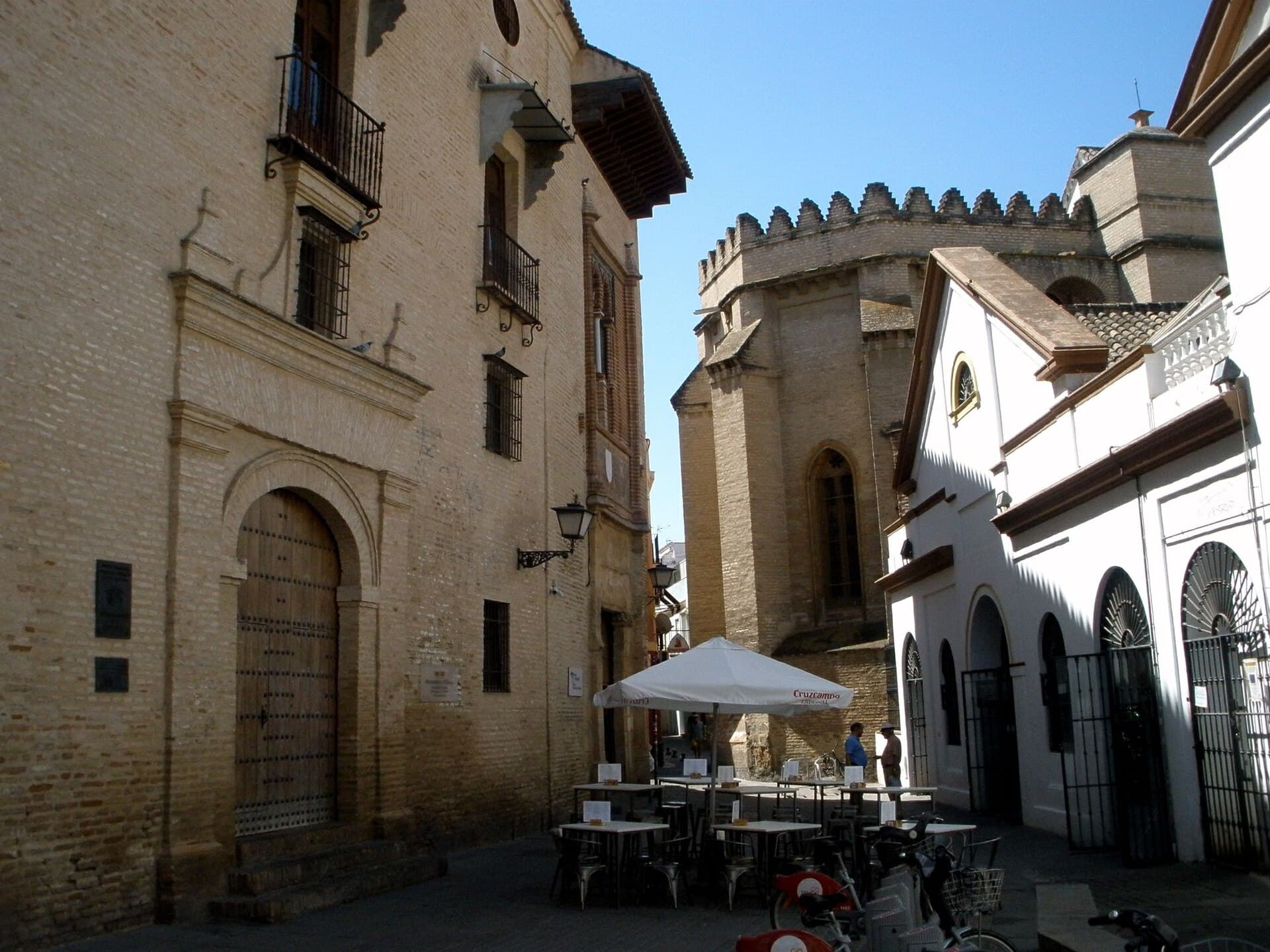 Palacio de los Marqueses de la AlgabaA fifteenth-century palace in the Feria district north of the historic centre, t6 minutes walk4.5
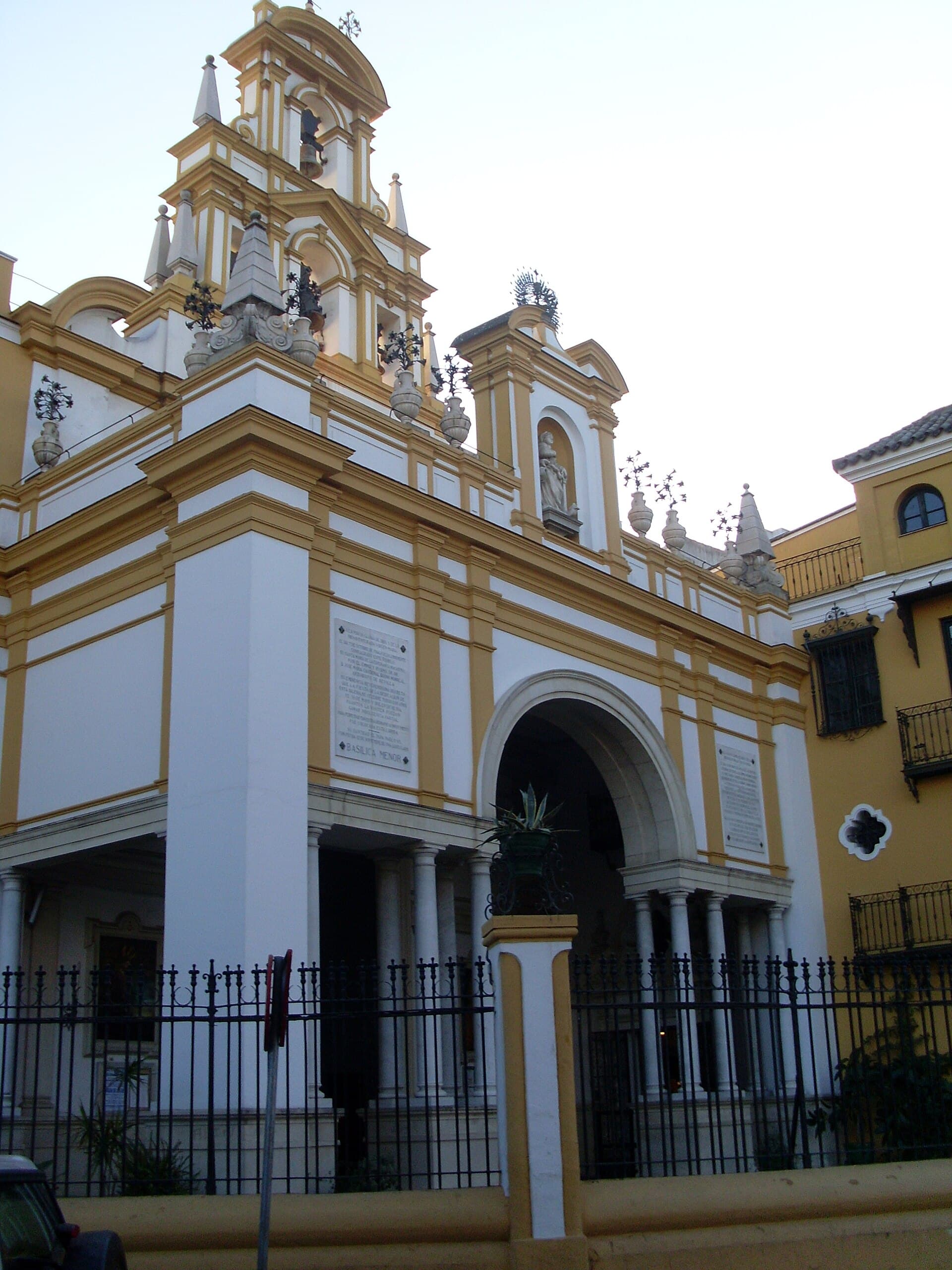 Basílica de la MacarenaA church in the Macarena district north of the historic centre, home to the stat7 minutes walk4.6
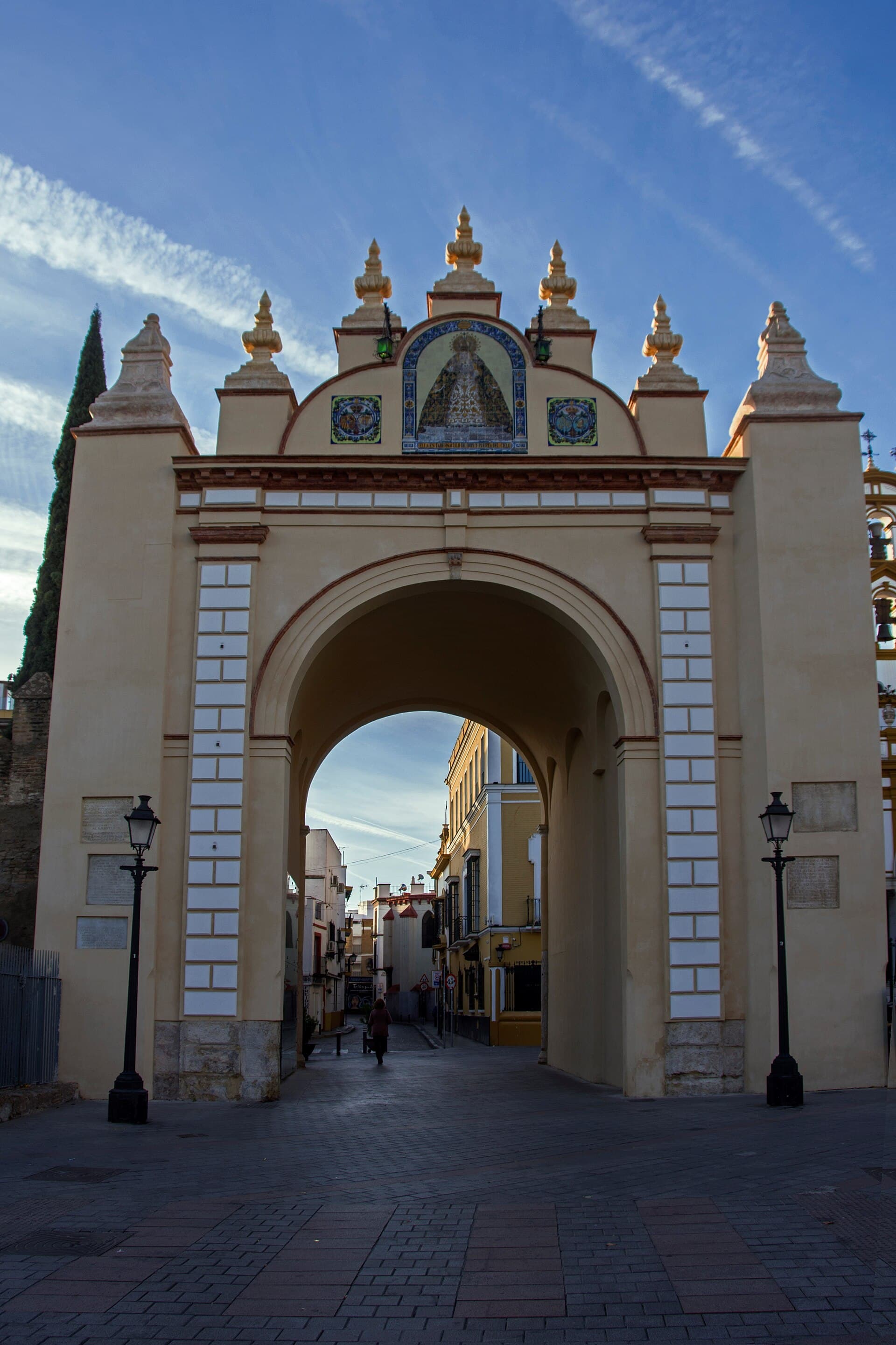 Puerta de la MacarenaOne of the gates of Seville's old wall and among the few that survive, standing 8 minutes walk4.5
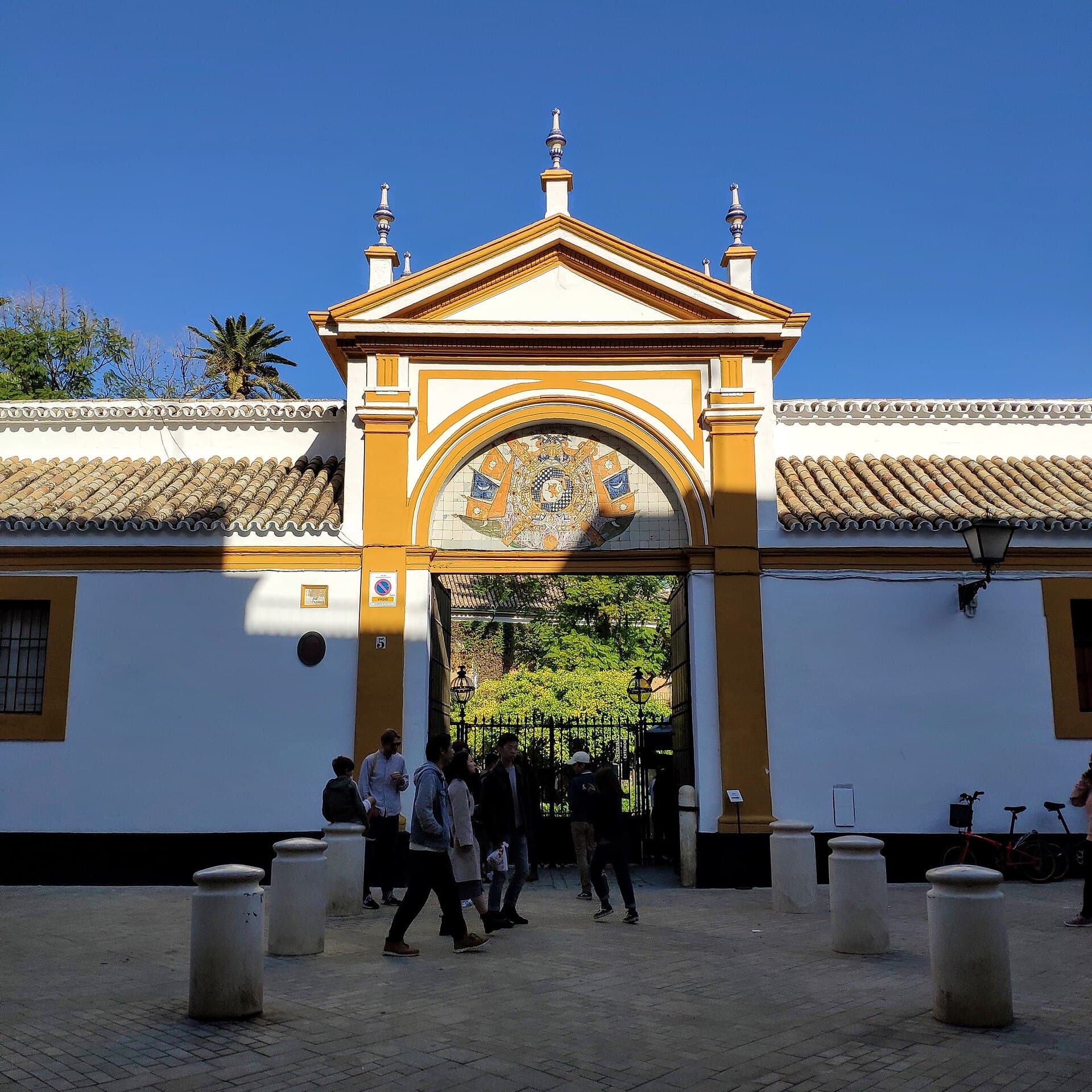 Palacio de las DueñasLas Dueñas is the house of Spain's most famous dukes and Seville's most alive pa11 minutes walk4.5
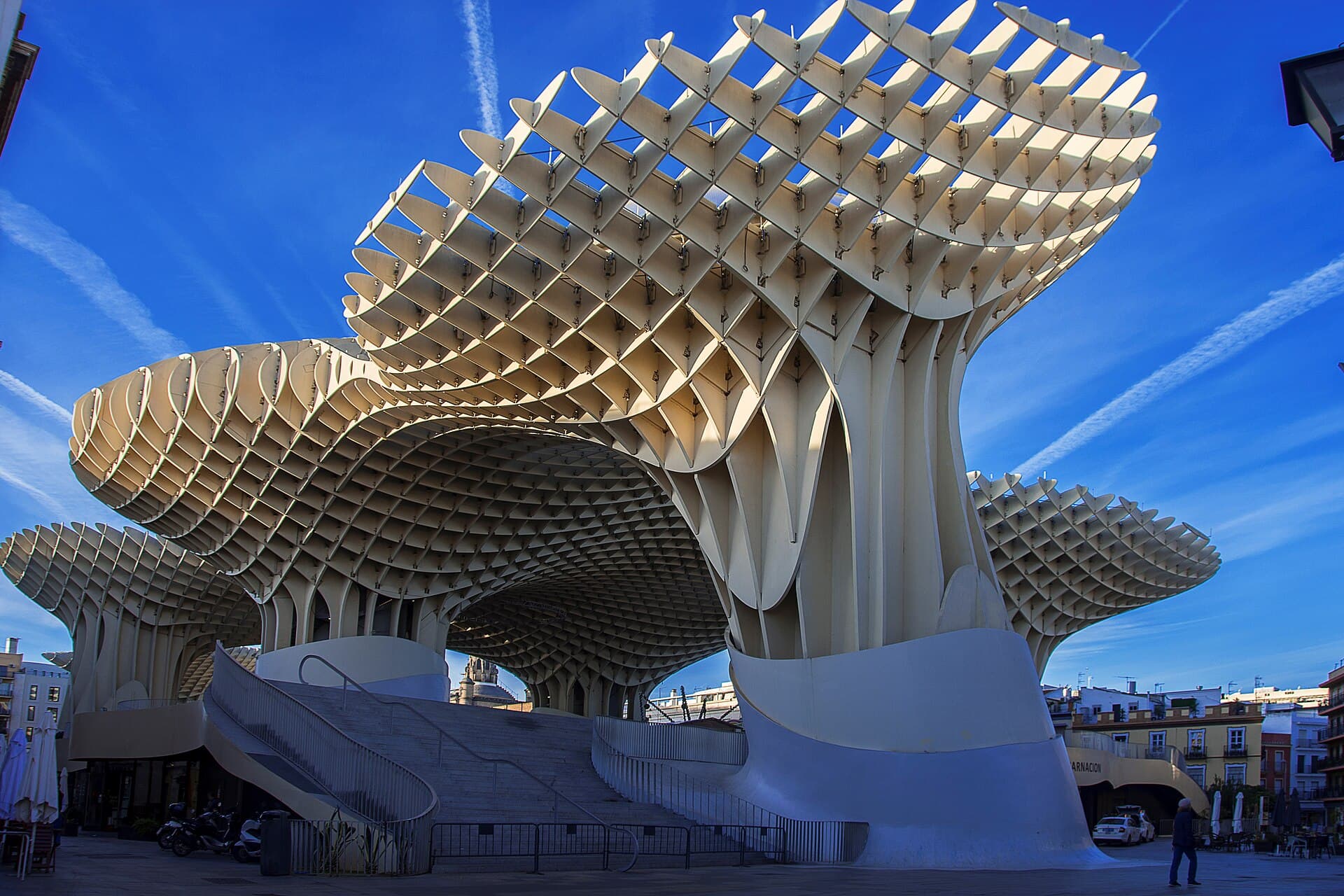 Setas de Sevilla (Metropol Parasol)"The mushrooms" — as Sevillians named them on sight — form the world's largest t11 minutes walk4.3
Check the Santa Clara complex's programme before going, as hours are limited and the visit may be part of a tour or tied to a current exhibition. It is about fifteen minutes on foot north of the centre, and the district itself — San Lorenzo — is worth walking.
Yes, because they tell two different moments. The Giralda is an Islamic minaret to which a Christian top was added three centuries later. This tower was built from nothing in the first years after the transition, so it shows how the newcomers built rather than how they altered what they found.