
A wall that almost vanished
Most was demolished on Russian orders after a nineteenth-century uprising.
xorge — CC BY-SA 2.0 · Averater — CC BY-SA 3.0 · Averater — CC BY-SA 3.0 · Averater — CC BY-SA 3.0
A seventeenth-century artillery bastion, the clearest surviving part of Vilnius's defensive wall, today holding a museum of fortification and weapons. The structure itself is the main exhibit: a round tower connected by a vaulted tunnel running underground to a gun platform. Walking the dark tunnel from tower to platform gives a direct sense of how the fortification worked — soldiers and ammunition moved below ground, out of the attackers' fire. The wall enclosed Vilnius from the sixteenth century and most of it was demolished in the nineteenth on Russian orders after an uprising. Little survives, and this bastion is the most substantial piece. During the Second World War the tunnel was used as a shelter, then neglected for decades before being restored and opened as a museum. Practical points: entry costs little, and the tunnel is narrow with steps — unsuitable for anyone who finds those difficult. The upper platform looks over the old town. The visit is under an hour.
Most was demolished on Russian orders after a nineteenth-century uprising.
The tunnel served as a shelter in the Second World War, then lay neglected.
The upper gun position looks out over the old town.
Bokšto Street, edge of the old town, Vilnius
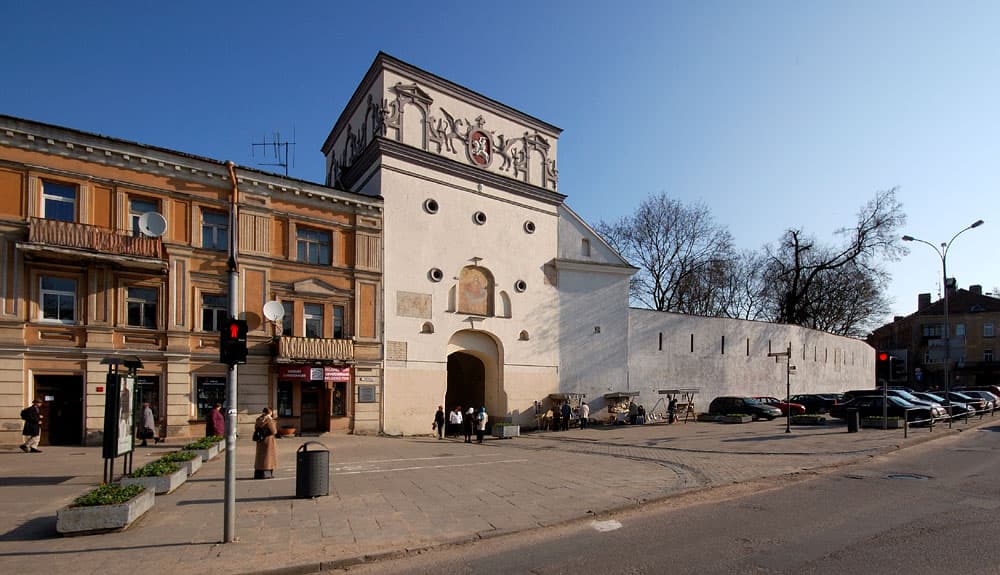 The Gate of DawnThe last of Vilnius's city gates and Lithuania's holiest shrine: the sixteenth-c4 minutes walk4.6
 Lithuanian National Museum of ArtA network of museums rather than one building: the Lithuanian National Museum of6 minutes walk4.6
 The Republic of UžupisA district that declared itself an independent republic as a joke — and the worl6 minutes walk4.7
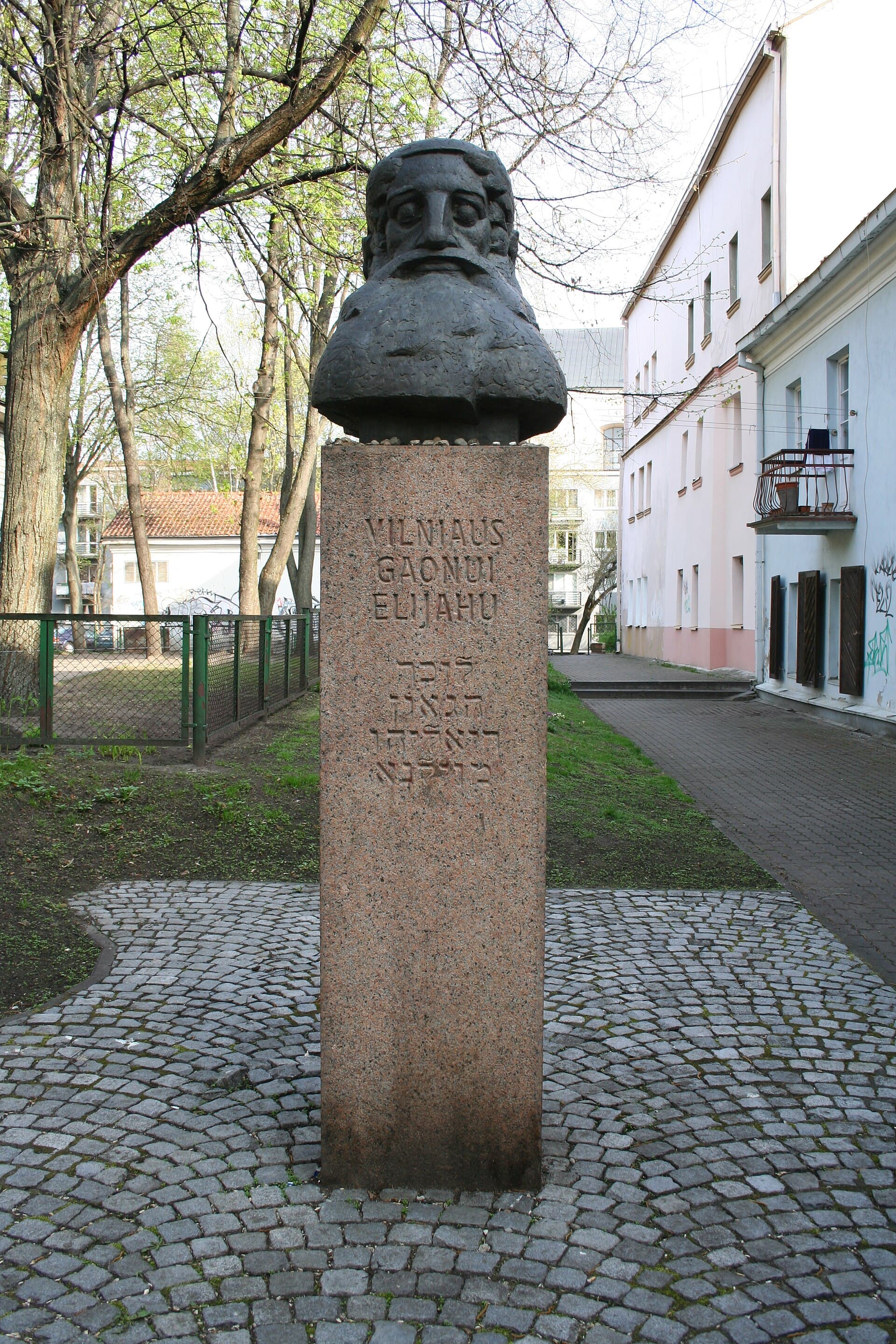 Vilna Gaon MonumentA monument to Elijah ben Solomon Zalman, known as the Vilna Gaon, among the most7 minutes walk4.4
 The Glass QuarterA network of narrow lanes in the heart of Vilnius old town, centred on Stiklių s8 minutes walk4.8
Yes, and the tunnel in particular appeals to them. But it is narrow, dark and has steps, so anyone uncomfortable in enclosed spaces will find it unpleasant. The visit is short regardless.
Very little. Besides this bastion, the Gate of Dawn survives as the only one of nine gates, along with scattered stretches of wall absorbed into later buildings. The demolition came in the nineteenth century once the wall had lost its military purpose and the Russian authorities wanted to expand the city.