
The constitution wall
Metal plaques in the world's languages.
Augustas Didžgalvis — CC BY-SA 4.0 · Alexey Komarov — CC BY-SA 4.0 · Brian Toward from London, United Kingdom — CC0 · Brian Toward from London, United Kingdom — CC0
A district that declared itself an independent republic as a joke — and the world half-believed it: Užupis ("beyond the river") is an old poor quarter across the Vilnia, settled by artists after independence, and on 1 April 1997 they declared it independent with a flag, a president, ambassadors and a constitution — and an army of twelve men, later demobilised. The constitution is mounted on a wall on Paupio street in metal plaques in more than thirty languages (Arabic among them): "Everyone has the right to be happy", "Everyone has the right to be unhappy", "A cat is not obliged to love its owner, but must help in time of need", "Do not defeat", "Do not surrender" — a text now among the most photographed things in Vilnius. The quarter itself is artists' studios, murals and installations in the lanes, cafés on the riverbank, and the bronze Angel of Užupis in its square. On independence day (1 April) passports are stamped on the bridge and beer is served free — the lightest-spirited district in the city.
Metal plaques in the world's languages.
Bronze in the square, blowing for freedom.
Cafés, a swing and art on the water.
Užupis, Vilnius
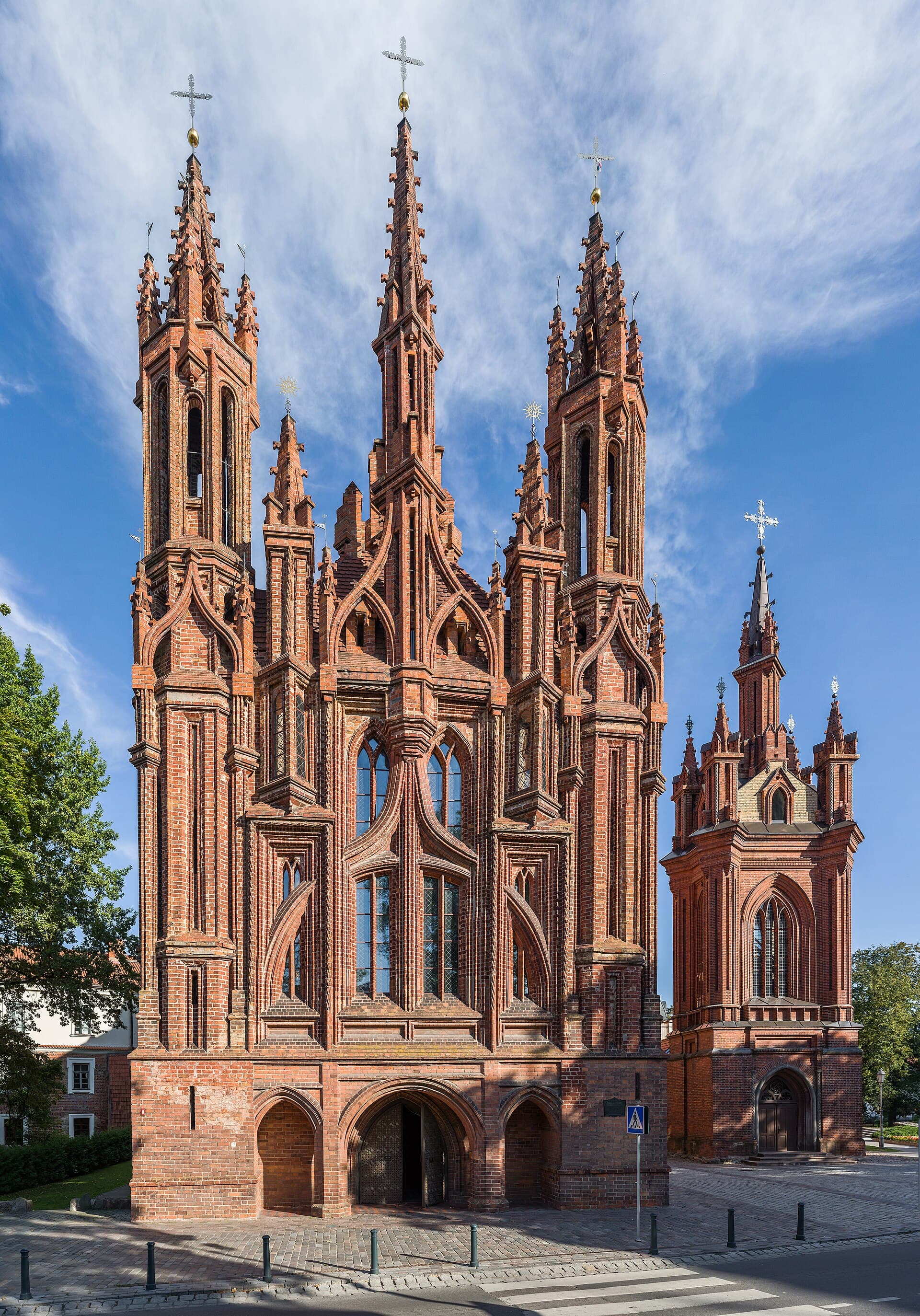 The Church of St AnneThe church Napoleon wanted to carry to Paris: St Anne's (1500) is the summit of 5 minutes walk4.9
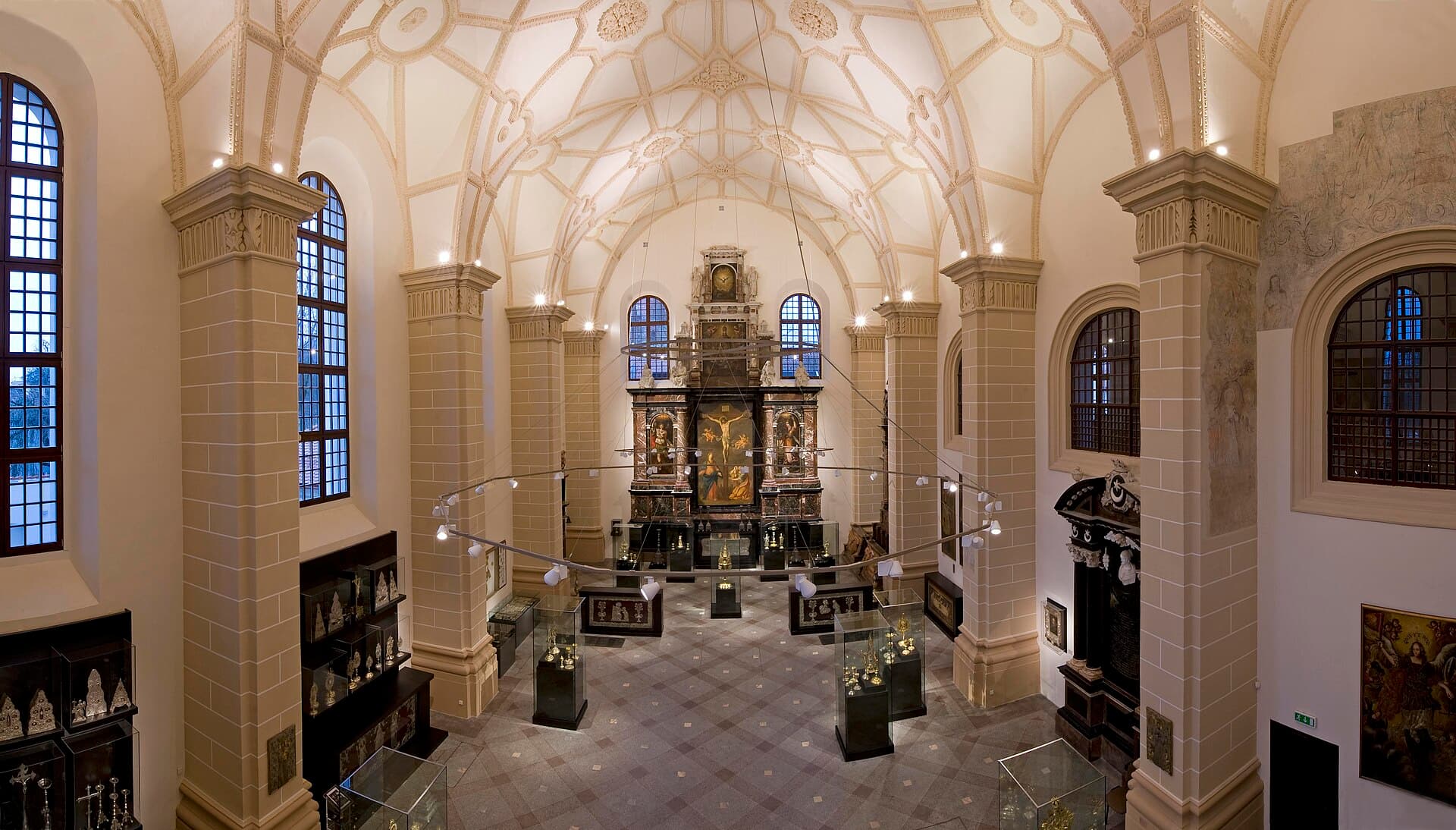 Church Heritage MuseumA museum in a former seventeenth-century church and convent, showing the treasur5 minutes walk4.6
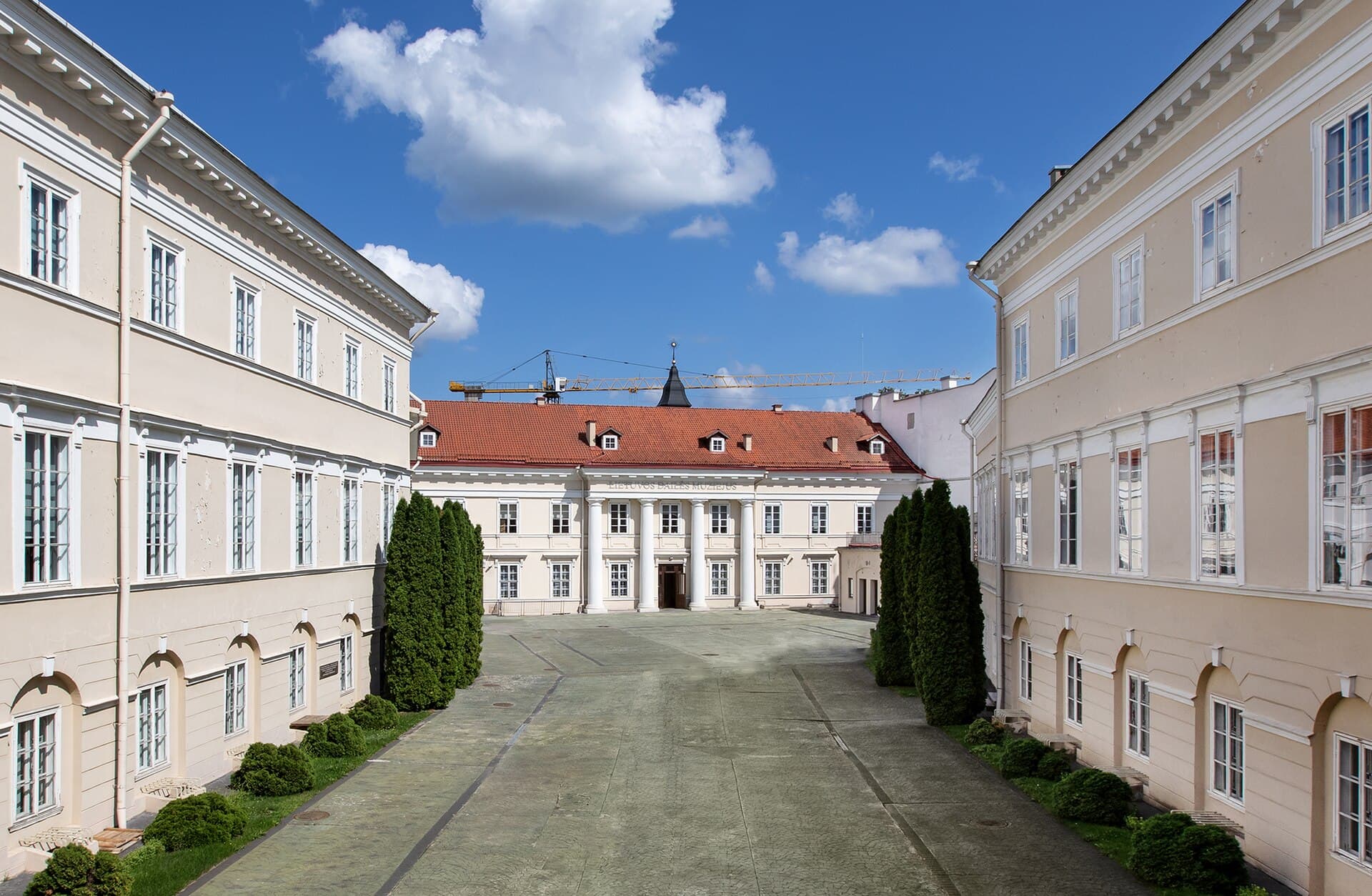 Lithuanian National Museum of ArtA network of museums rather than one building: the Lithuanian National Museum of6 minutes walk4.6
 Bastion of the Vilnius Defensive WallA seventeenth-century artillery bastion, the clearest surviving part of Vilnius'6 minutes walk4.8
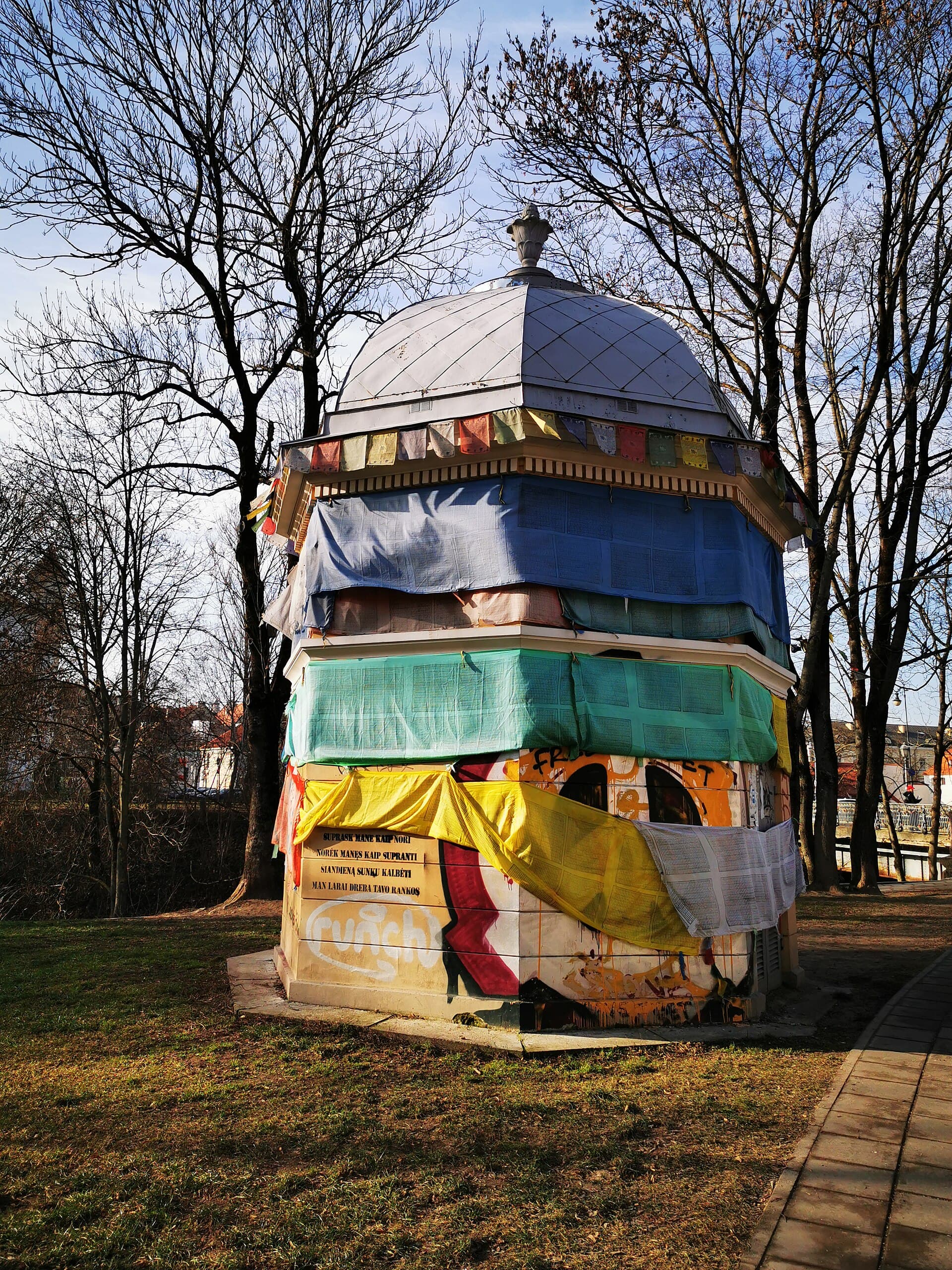 Tibet SquareA small square near the Užupis district of Vilnius, formally dedicated to Tibet 8 minutes walk4.6
No: an artistic joke with serious intent, recognised by no state, though it has a president, a flag and honorary ambassadors in dozens of cities — and the idea became a genuine cultural identity for the quarter.