
The Jerusalem of the North
Vilnius was a world Jewish centre, with Jews a third of its people.
Phillip Capper — CC BY 2.0 · Antonio Campoy from Madrid, España — CC BY 2.0 · Antonio Campoy from Madrid, España — CC BY 2.0 · Radosław Botev — CC BY 3.0 pl
A network of narrow lanes in the heart of Vilnius old town, centred on Stiklių street — glass street — named for the glassblowing workshops that operated there from the sixteenth century. The quarter is part of historic Jewish Vilnius. Before the Second World War Vilnius was a Jewish centre of the first rank, called the Jerusalem of the North for its religious academies, scholars and printing houses, and Jews were about a third of the city's population. The ghetto was established in exactly these lanes under Nazi occupation, and its inhabitants were almost entirely murdered. What you see today is a mixture: restored buildings, inner courtyards, restaurants and shops, with plaques and memorials marking what stood here. The lanes themselves are the exhibit — their width, their bends and their linked courtyards are the structure of the medieval city itself. Practical points: the quarter is public, always open and free. The best of it is walking without a destination and going into the open courtyards. Look for the memorial plaques — many are small and easy to miss.
Vilnius was a world Jewish centre, with Jews a third of its people.
These exact lanes, and their people were almost entirely murdered.
The medieval city's structure — go in, many are open.
Stiklių street, Old Town, Vilnius
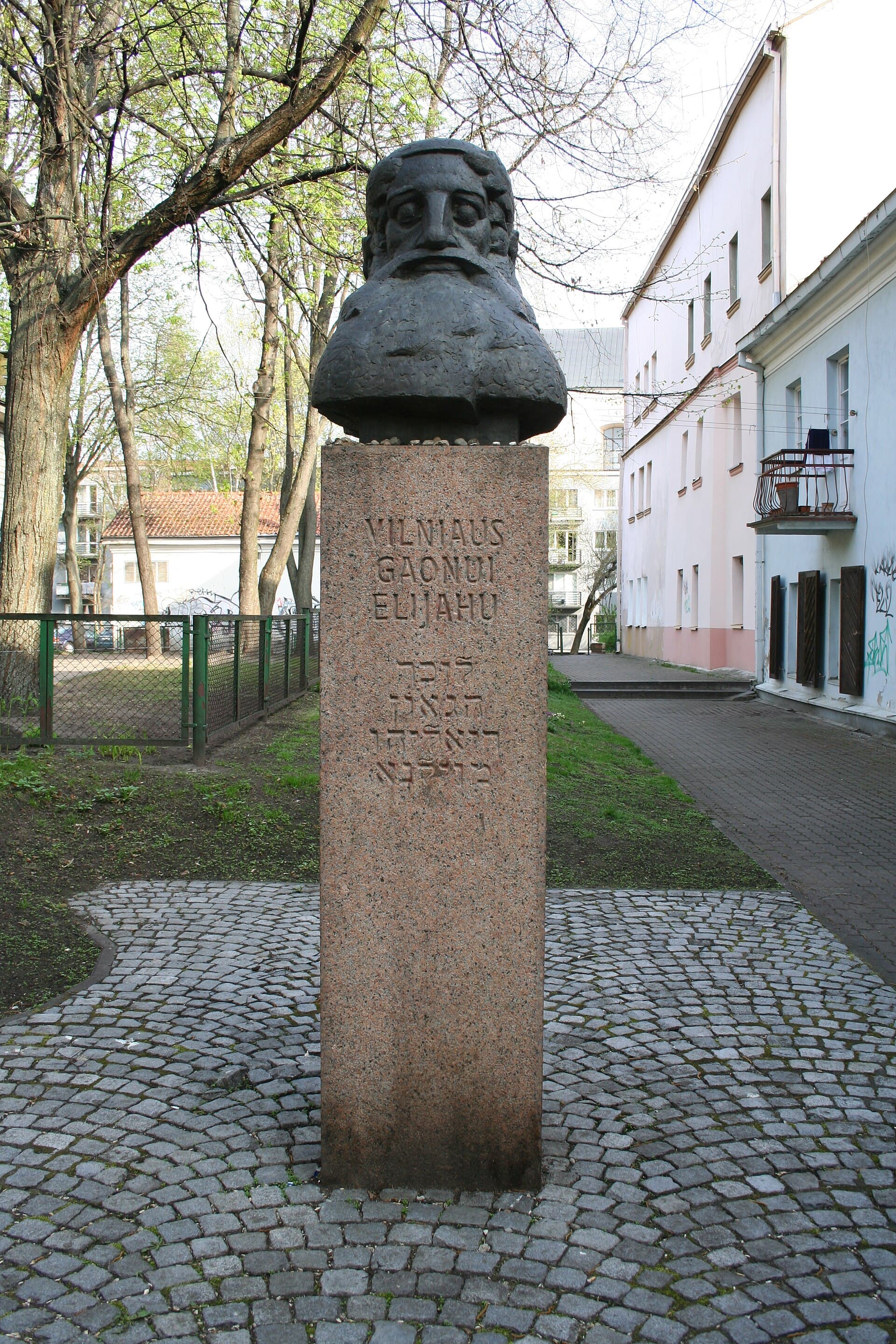 Vilna Gaon MonumentA monument to Elijah ben Solomon Zalman, known as the Vilna Gaon, among the most2 minutes walk4.4
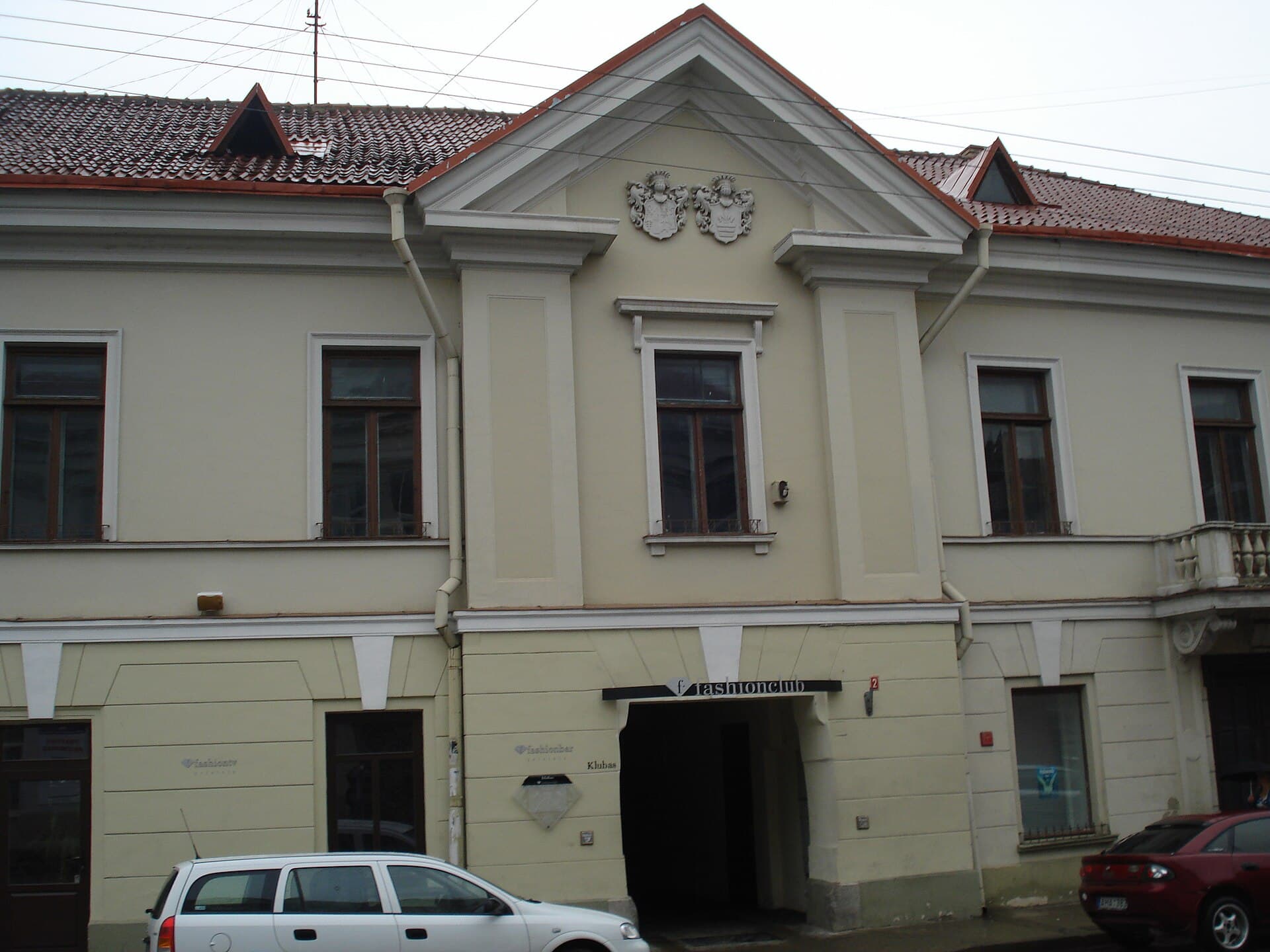 Umiastowski PalaceA nineteenth-century town palace in the old town, built for the noble Umiastowsk4 minutes walk4.9
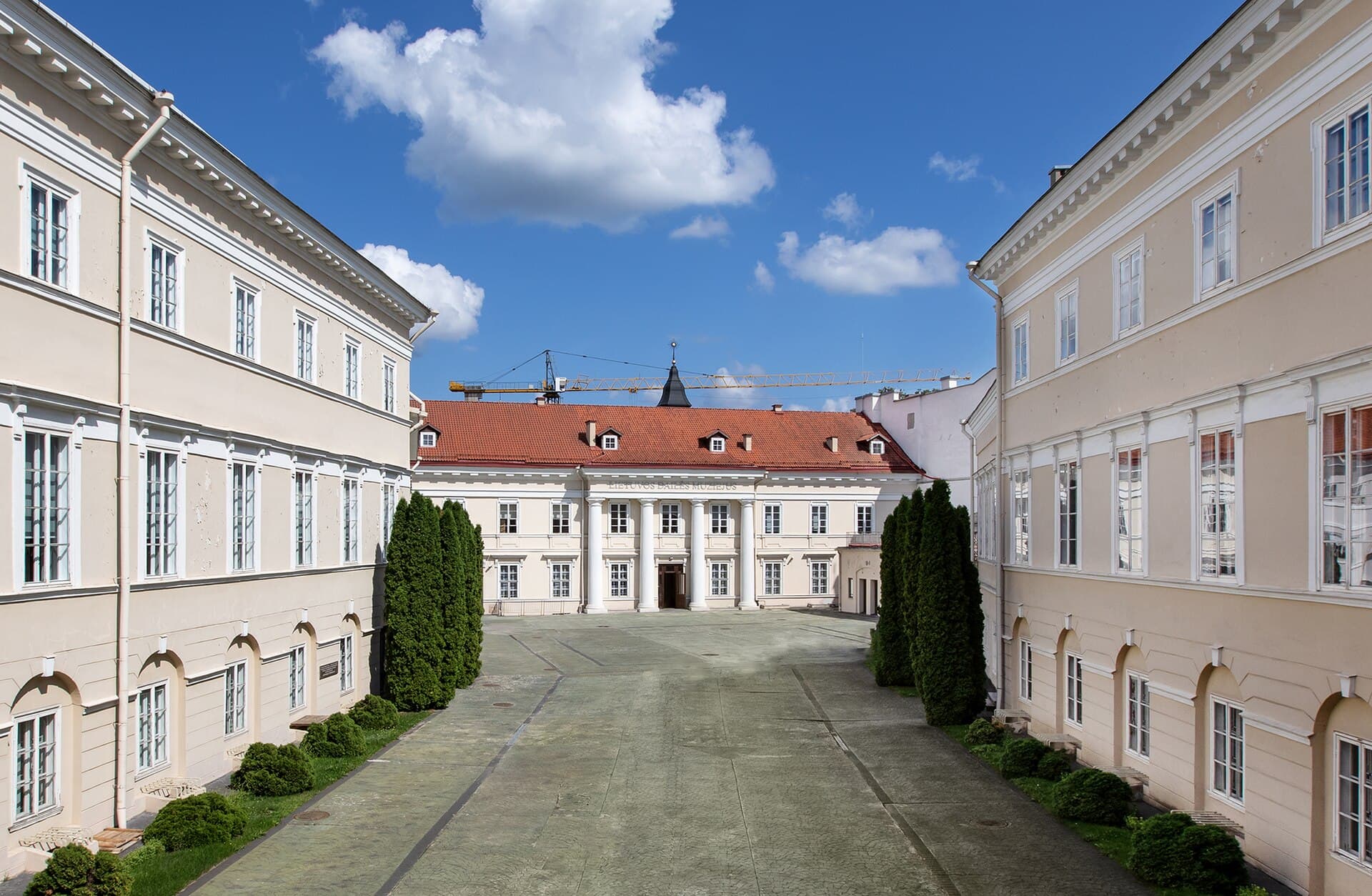 Lithuanian National Museum of ArtA network of museums rather than one building: the Lithuanian National Museum of6 minutes walk4.6
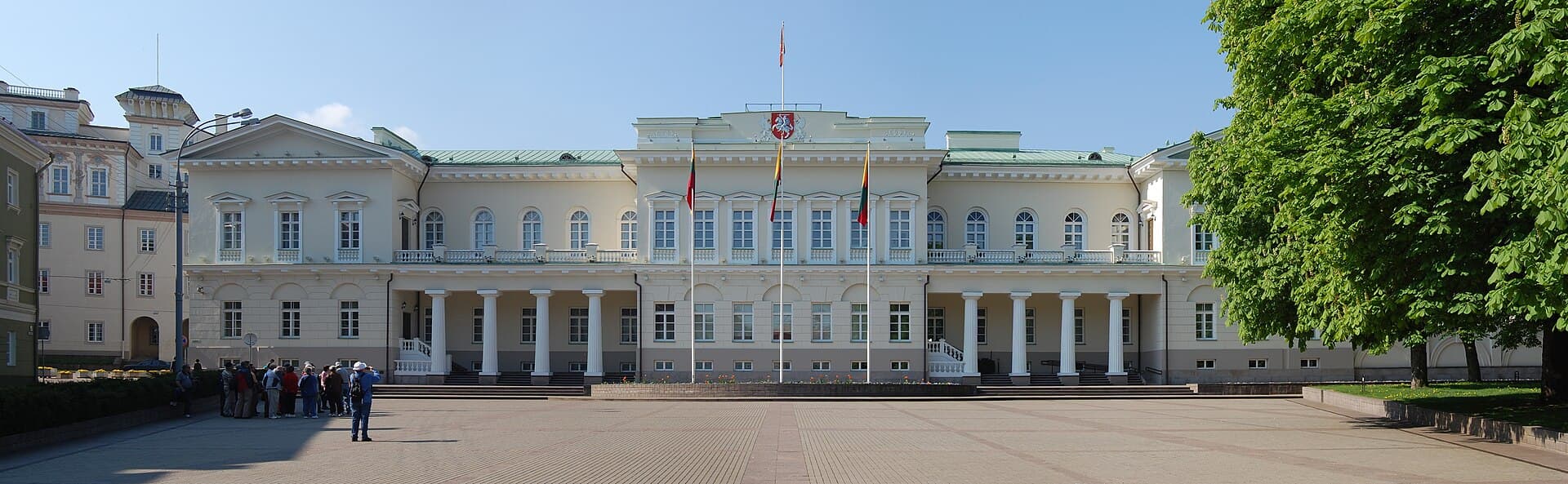 Presidential Palace, VilniusThe official residence of the president of Lithuania, in a neoclassical palace o6 minutes walk4.7
 Bastion of the Vilnius Defensive WallA seventeenth-century artillery bastion, the clearest surviving part of Vilnius'8 minutes walk4.8
The Vilna Gaon Jewish Museum has several branches in the city, the most relevant for a visitor being the Ghetto exhibition and the Tolerance Centre. There are also plaques and markers on the ghetto boundaries in the lanes. And Paneriai outside the city is the mass killing site where tens of thousands were shot — a heavy visit, but the part without which the picture is incomplete.
The old town was built on a system of interlocking courtyards: you enter through a gate on the street into one courtyard, and a passage leads from it to another, and so on. That makes the city deeper than it looks from the streets, and much of its best is invisible from the pavement. Most courtyards are public and open — go in.