
Forty per cent
The Jewish share of Vilnius's population before 1941.
A monument to Elijah ben Solomon Zalman, known as the Vilna Gaon, among the most important Jewish scholars of the modern era, who lived in Vilnius in the eighteenth century. His standing explains the city's nickname: Vilnius was called the Jerusalem of the North — Yerushalayim de Lita — for the density of its Talmudic academies, printing houses and libraries and the standing of its scholars. The Gaon is the foremost name in that line, and his influence reached Jewish communities across Europe. The monument stands in what was the Jewish quarter, and that is the heavier context. Before 1941 around forty per cent of Vilnius's population was Jewish. Most were killed during the German occupation, and the quarter was destroyed both physically and as a community. What you see today is rebuilt streets, memorial plaques and a few original buildings. Practical point: the monument is in a public space, free and always open, and the visit is minutes. Read its plaque and keep walking through the quarter — the memorial markers are spread across several streets.
The Jewish share of Vilnius's population before 1941.
Academies, printing houses and libraries made the city a reference.
What remains is rebuilt streets, plaques and a few original buildings.
The former Jewish quarter, old town, Vilnius
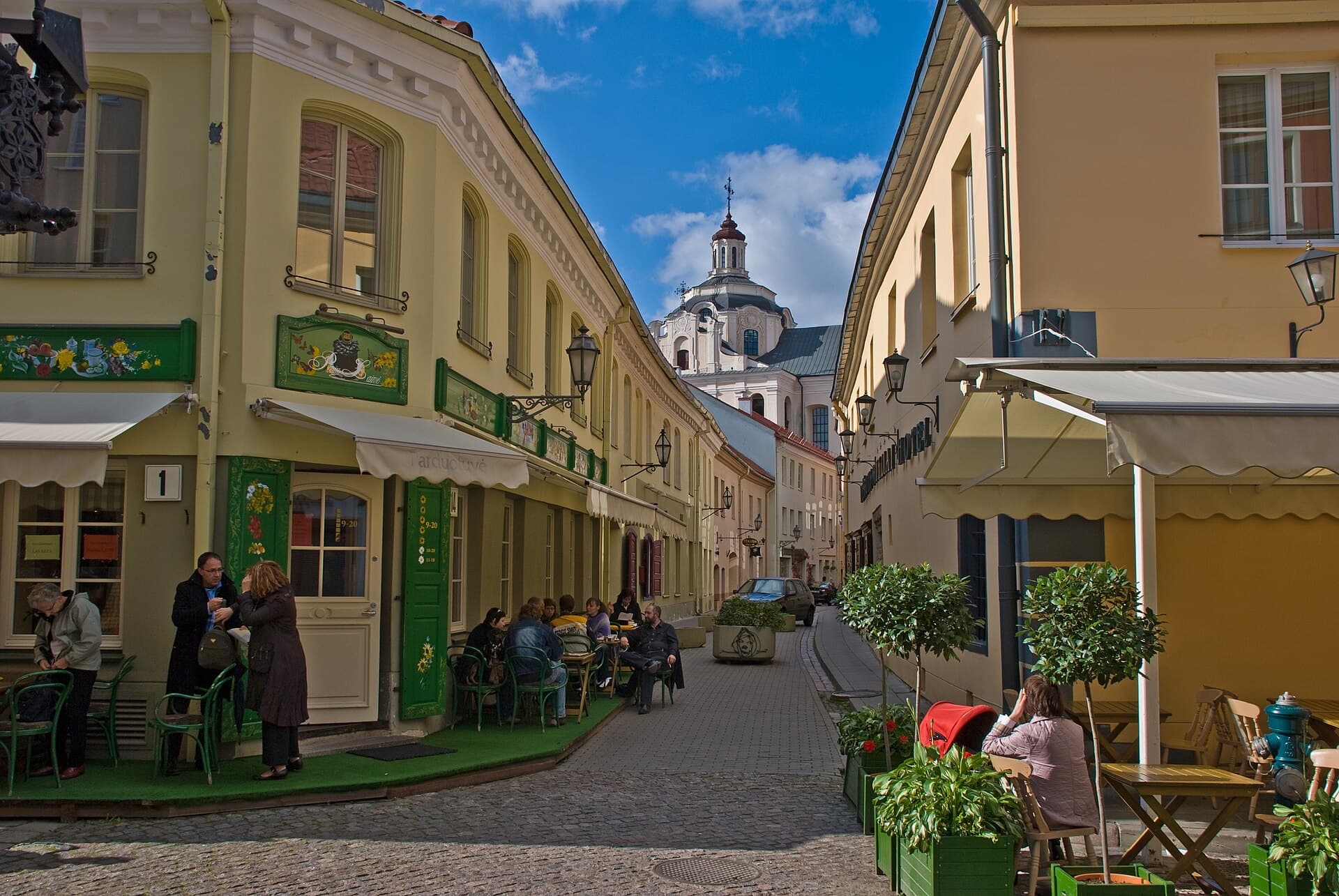 The Glass QuarterA network of narrow lanes in the heart of Vilnius old town, centred on Stiklių s2 minutes walk4.8
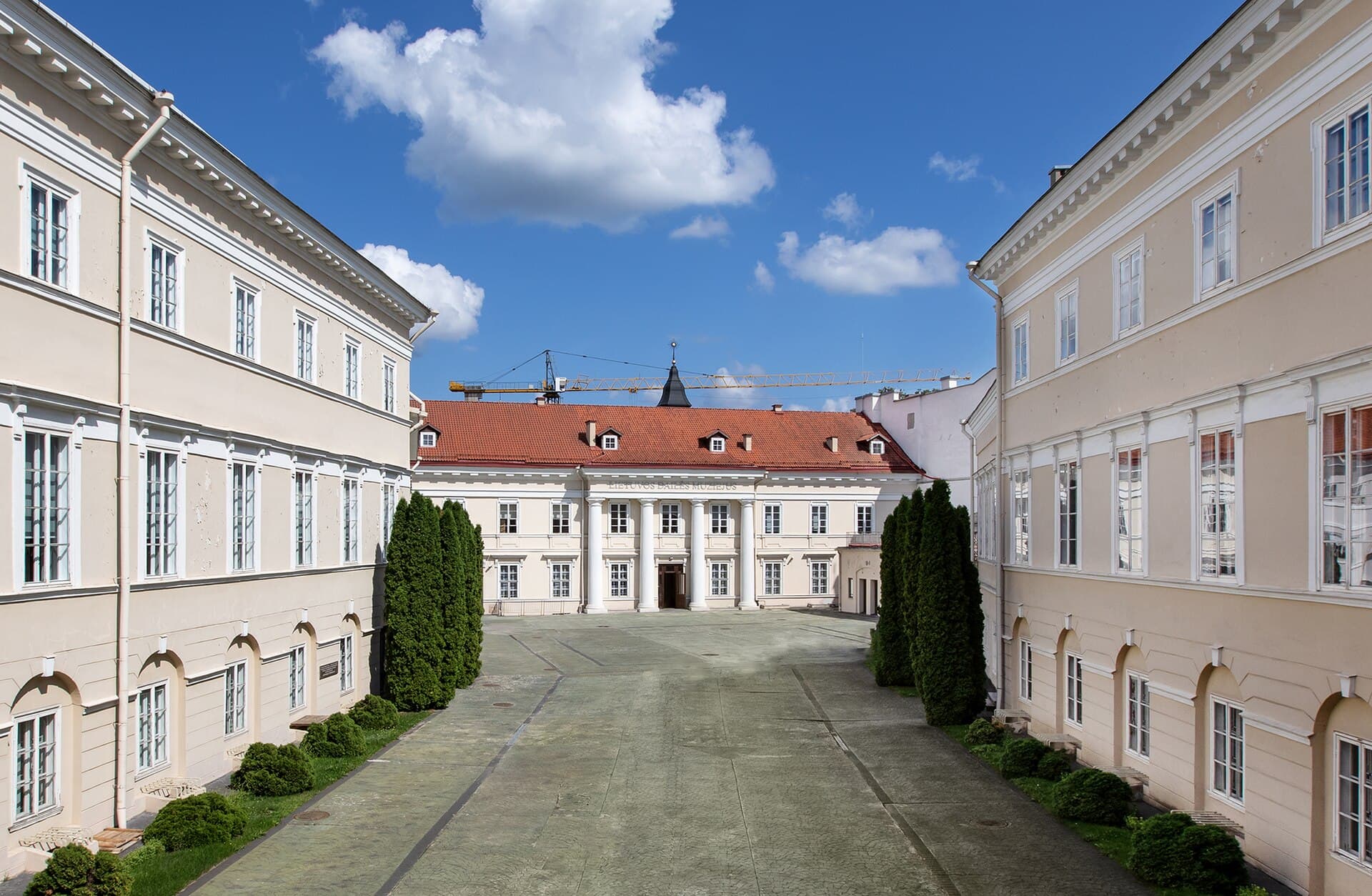 Lithuanian National Museum of ArtA network of museums rather than one building: the Lithuanian National Museum of4 minutes walk4.6
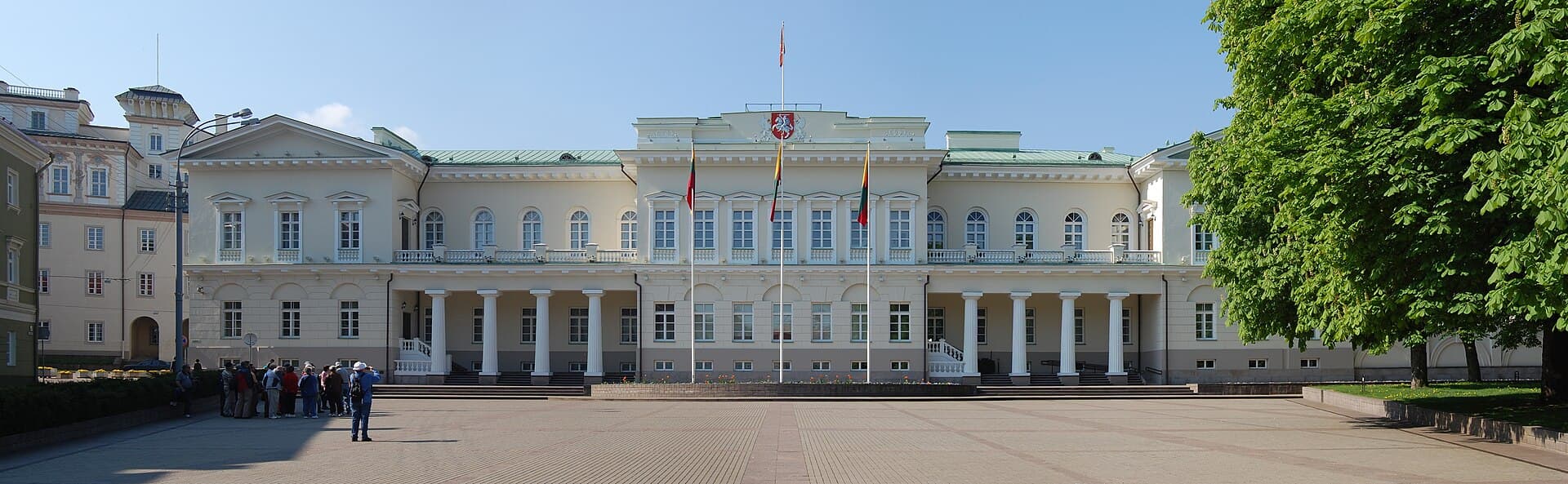 Presidential Palace, VilniusThe official residence of the president of Lithuania, in a neoclassical palace o4 minutes walk4.7
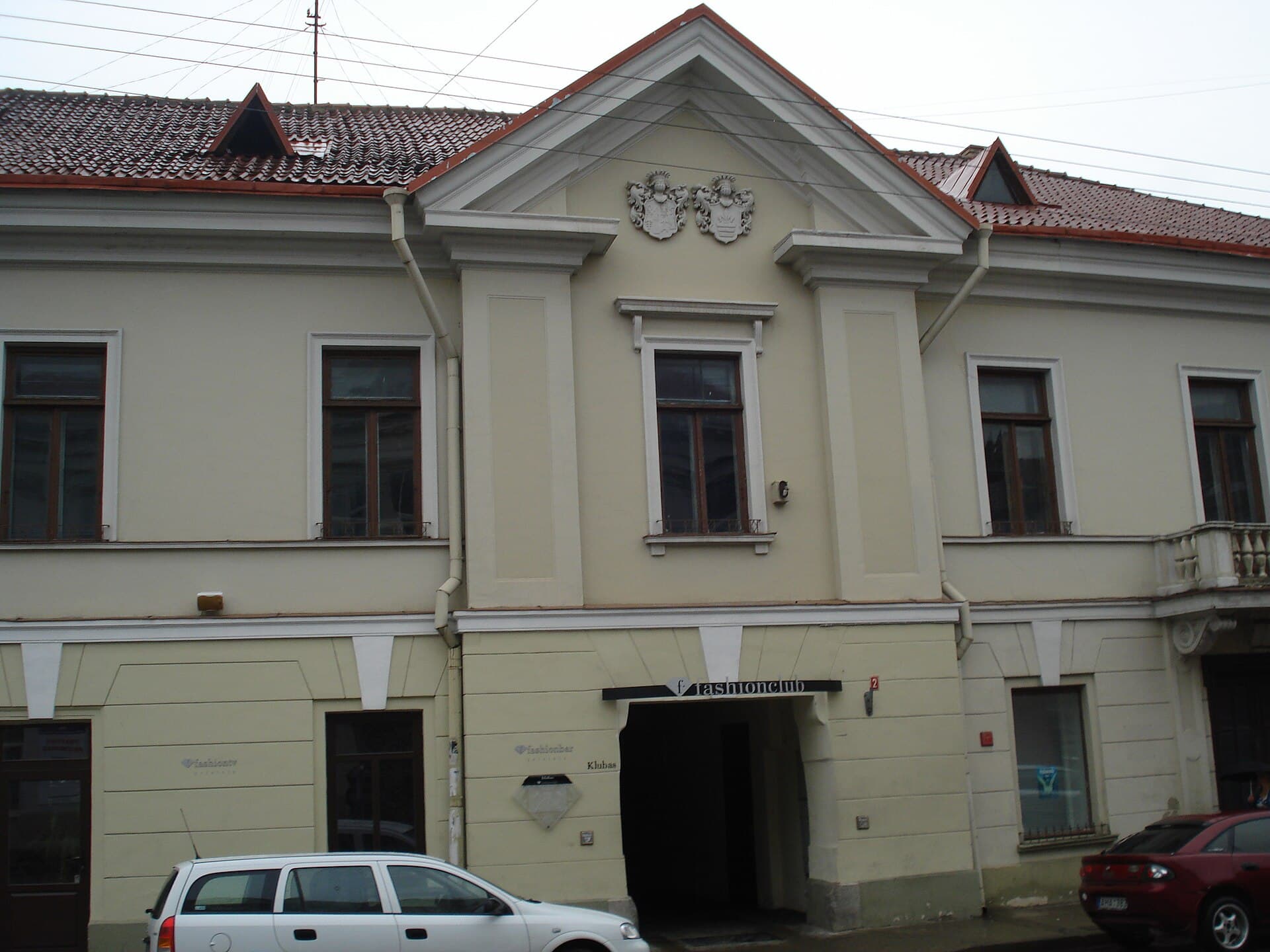 Umiastowski PalaceA nineteenth-century town palace in the old town, built for the noble Umiastowsk6 minutes walk4.9
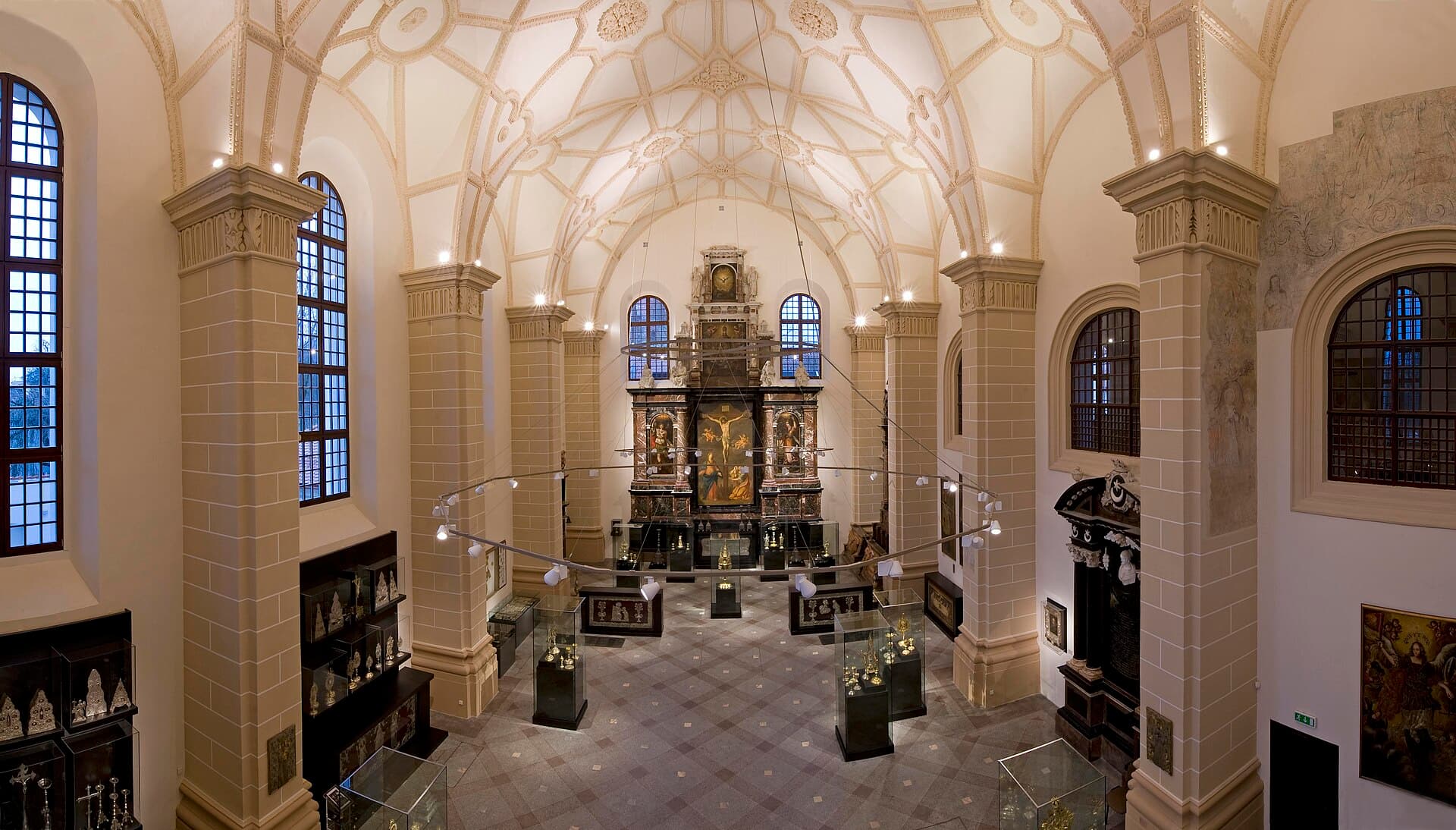 Church Heritage MuseumA museum in a former seventeenth-century church and convent, showing the treasur7 minutes walk4.6
The Vilna Gaon Museum of Jewish History has several branches in the city, including the Green House on the Holocaust and an exhibition on Jewish life before it. Visiting one gives the context that makes walking the quarter legible — without it you see ordinary streets and scattered plaques.
Little. It was partly destroyed in the war and what survived was demolished in the Soviet period to cut new streets. The only synagogue left of more than a hundred is the Choral Synagogue. The site of the Great Synagogue has been under archaeological excavation for years.