
Distributed defence
Responsibility on those with something to lose, not a hired garrison.
Whitepixels — CC0 · Mark Ahsmann — CC BY-SA 4.0 · Aisano — CC BY-SA 3.0 · Aisano — CC BY-SA 3.0
A bastion of Brasov's medieval walls, part of a defensive system built and maintained by the town's craftsmen, each guild responsible for its own tower or bastion. That system is the key to understanding the Saxon towns of Transylvania: the walls were not built at a prince's command but by municipal organisation, and each craft guild — furriers, weavers, smiths, ropemakers — funded its section of wall, guarded it and defended it during a siege. The tower names in Brasov and Sibiu are still the names of those guilds. It also explains why these towns held: defence was a distributed responsibility resting on people with something to lose, not on a hired garrison. A note on the name: Google Maps calls this site the Tanners' Bastion while the record calls it the Furriers', and the coordinates match exactly. It is one structure carrying two guild names, which is common where maintenance responsibility changed hands across centuries. Practical points: free to see from outside at any hour. Interior access may be limited or tied to a current use of the building.
Responsibility on those with something to lose, not a hired garrison.
Furriers, weavers, smiths, ropemakers — each with its tower.
Google says Tanners', the record says Furriers', at identical coordinates.
The town walls, Brasov
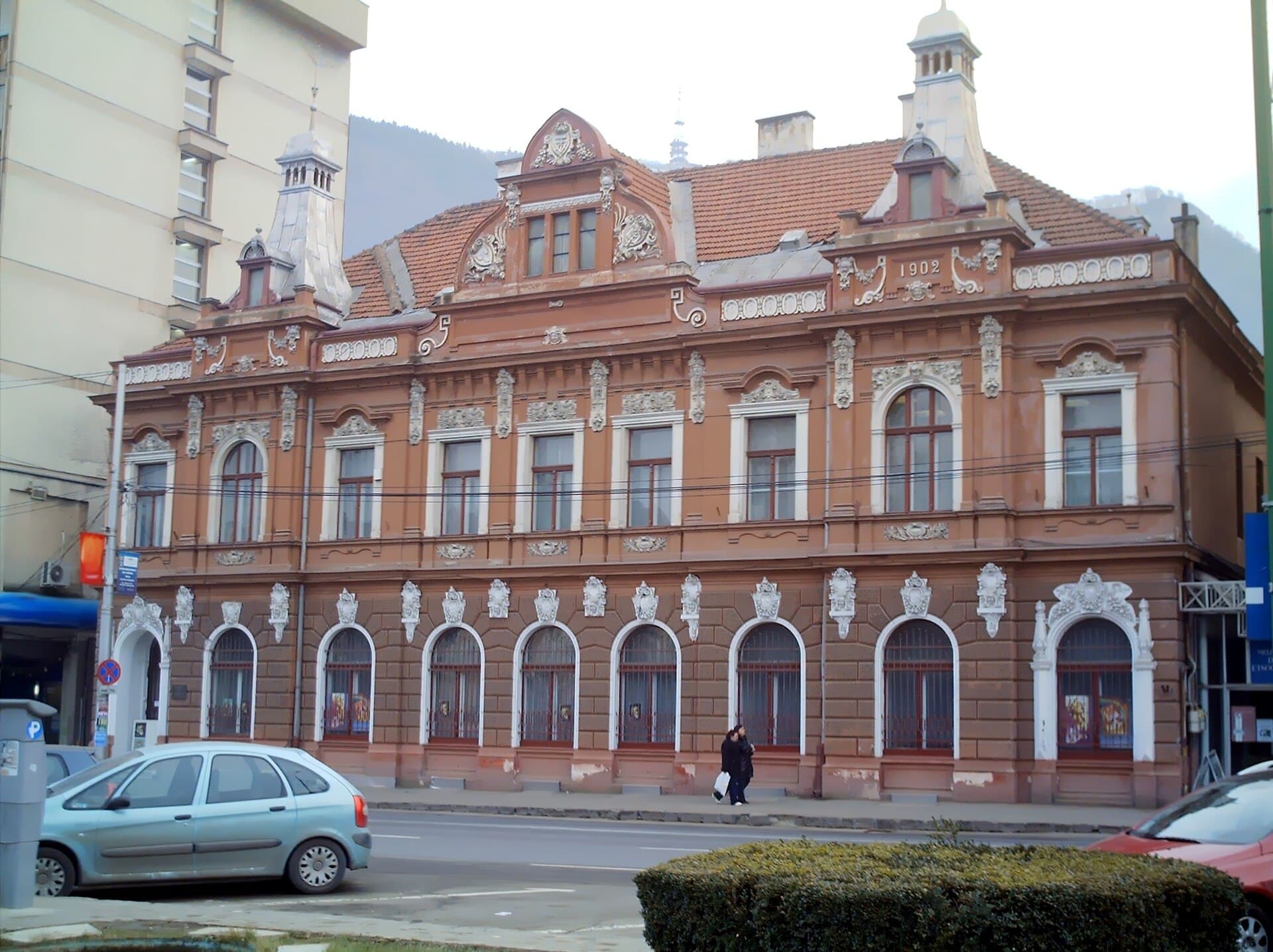 Brașov Art MuseumBrașov's art museum, showing Romanian painting and sculpture with an emphasis on5 minutes walk4.7
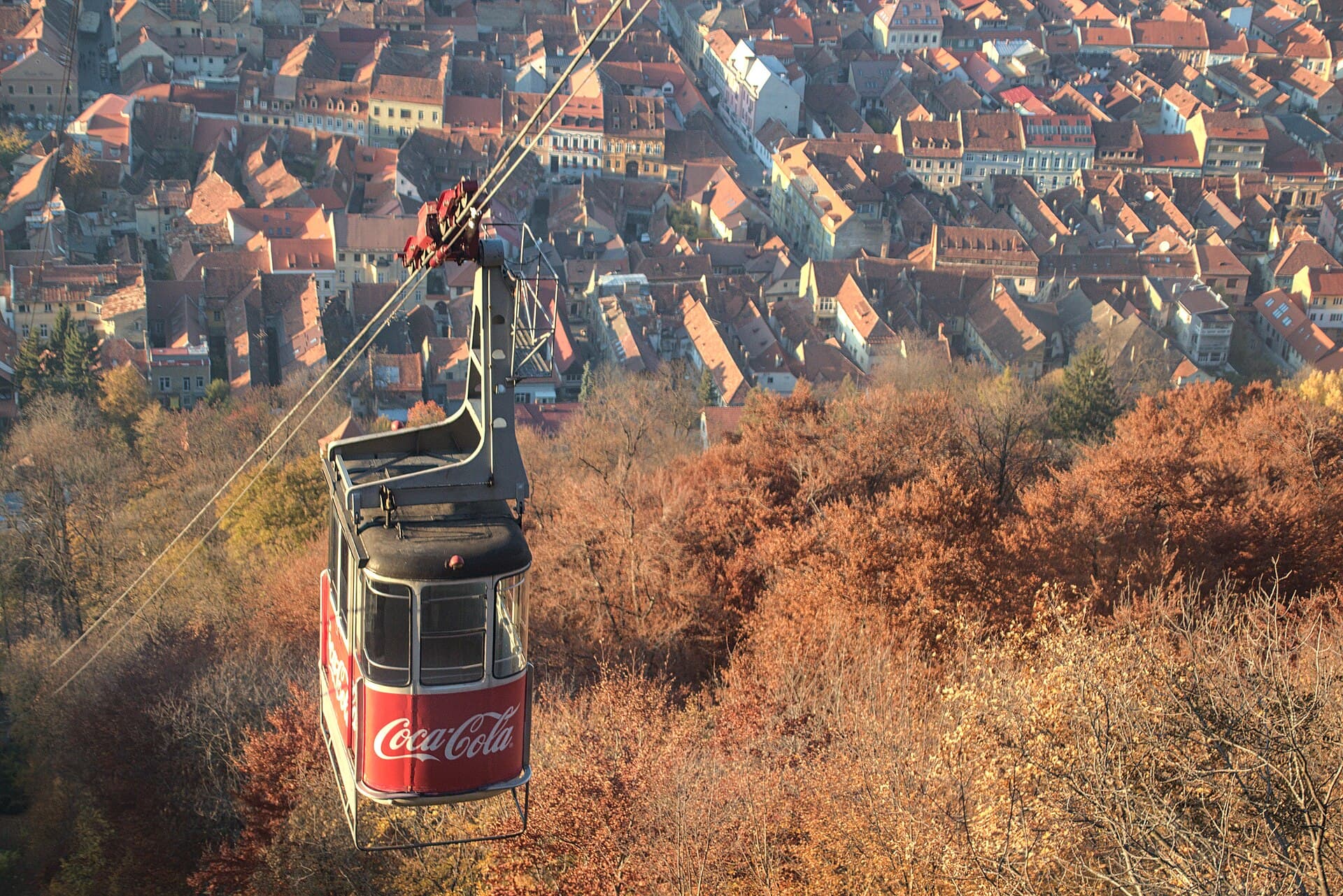 The Tâmpa Cable CarA cable car climbing from the edge of Brasov's old town to the summit of Mount T7 minutes walk3.9
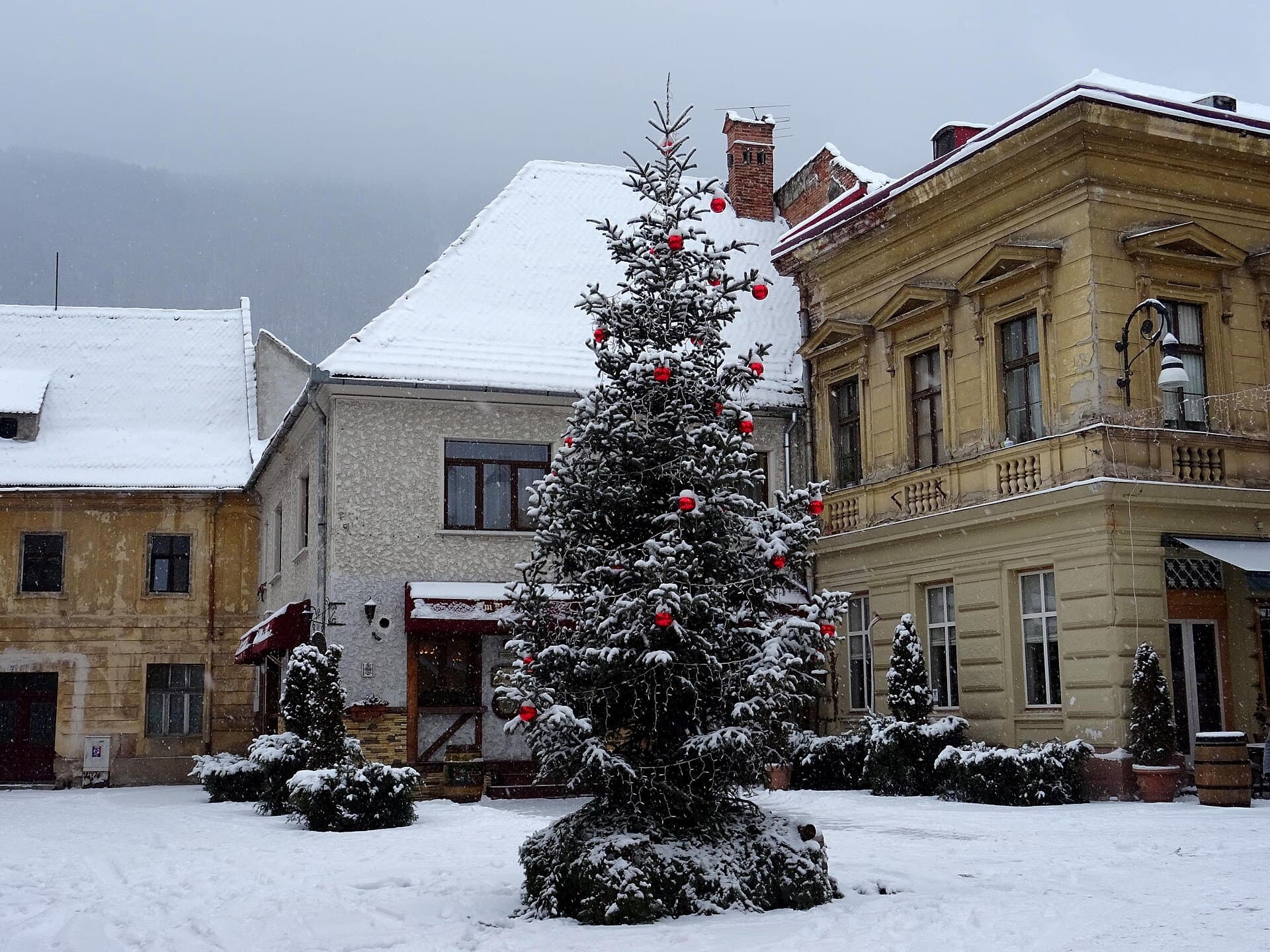 George Enescu SquareA small square in central Brasov named after George Enescu, the most important c8 minutes walk4.6
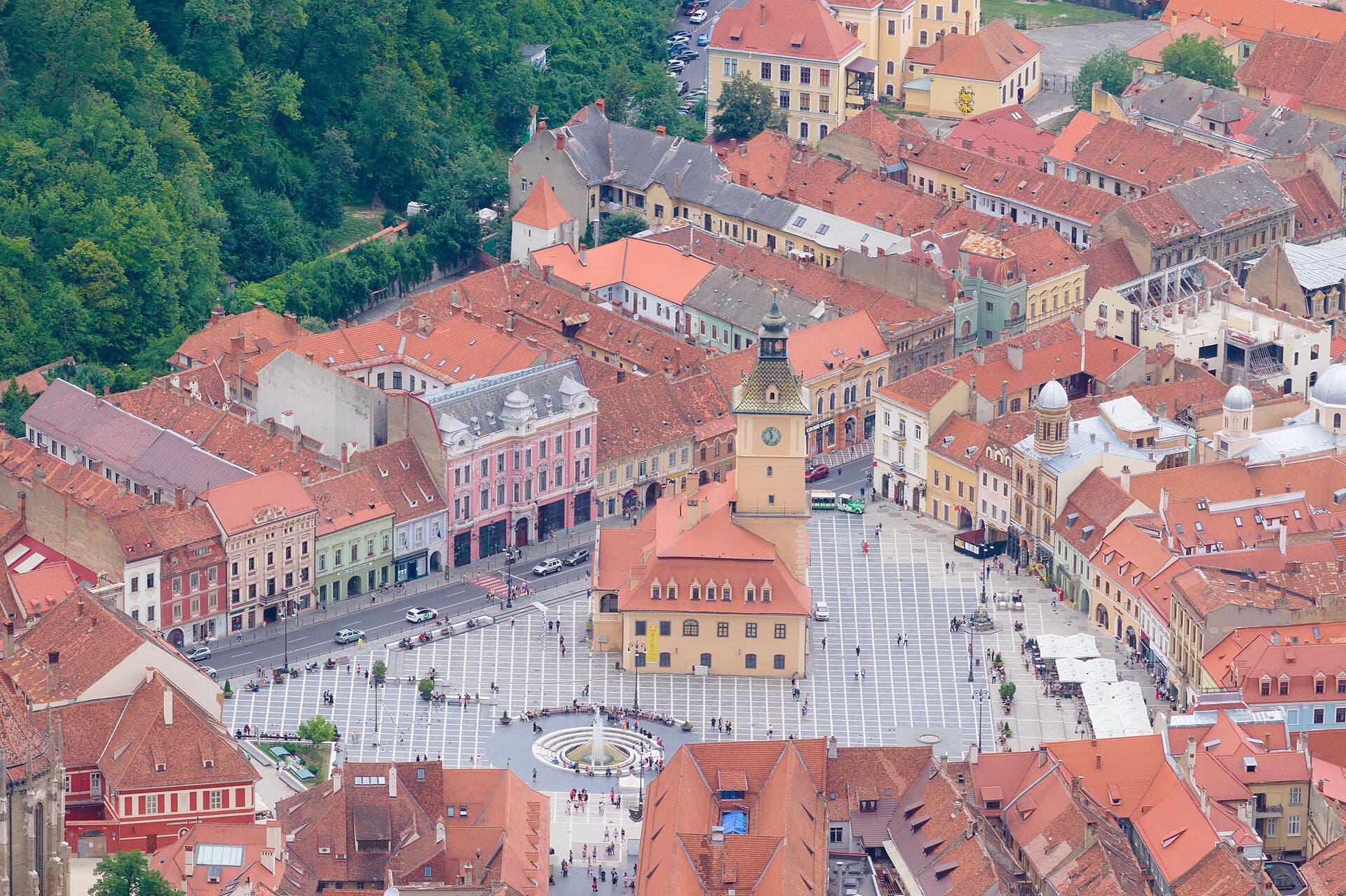 Piața SfatuluiBrașov's main square and the heart of its old town, among the widest and most co9 minutes walk4.7
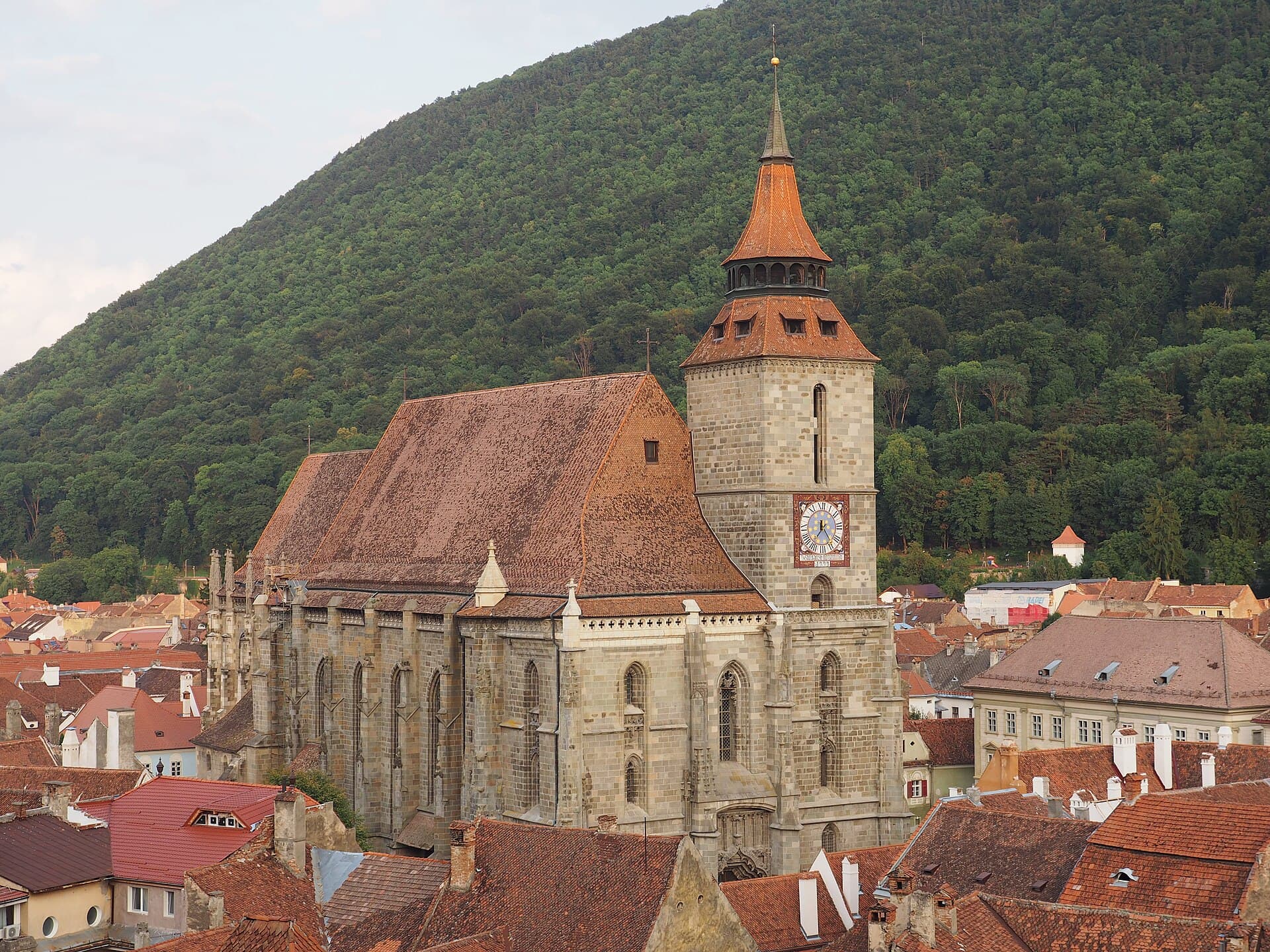 The Black ChurchThe largest Gothic church between Vienna and Istanbul: the Black Church has fill10 minutes walk4.4
Towns founded by German settlers invited into Transylvania in the twelfth century by the kings of Hungary to fortify the eastern frontier and develop trade. The main ones are Brasov, Sibiu, Sighișoara, Mediaș and Bistrița, all with walls, Gothic churches and central European market squares. The Saxon community survived into the twentieth century and then mostly emigrated to Germany after 1989, but its towns remain.
The best stretch is the eastern side below Tâmpa, where the wall runs continuously past the White Tower, the Black Tower and Catherine's Gate. The whole route is under an hour on foot and links the old town to the mountain slope. Most of it is free, with some towers entered on a ticket.