
Transylvania by its own painters
Works depicting the region's towns, villages and mountains as modern Romania formed.
Alex:D — CC BY-SA 3.0 · Teodor Axentowicz — Public domain · Mister No — CC BY 3.0 · Teodor Axentowicz — Public domain
Brașov's art museum, showing Romanian painting and sculpture with an emphasis on the nineteenth and twentieth centuries, alongside a section of decorative art and glass. The collection is regional rather than national, which sets the expectation: you will not find international names here but Romanian and local artists, many of them from Transylvania itself. The value is in seeing how the region's painters depicted their towns, villages and mountains during the period when modern Romania took shape. It shares its building with the ethnography museum, so both can be covered in one visit, and that arrangement is better because together they give a fuller picture of Transylvania than either does alone. The location is central, a walk from the main square and the Black Church. The visit is short, three quarters of an hour to an hour and a quarter.
Works depicting the region's towns, villages and mountains as modern Romania formed.
Ethnography shares the building, and together they are fuller than either alone.
A walk from the main square and the Black Church — an easy addition to a day in Brașov.
Bulevardul Eroilor, central Brașov
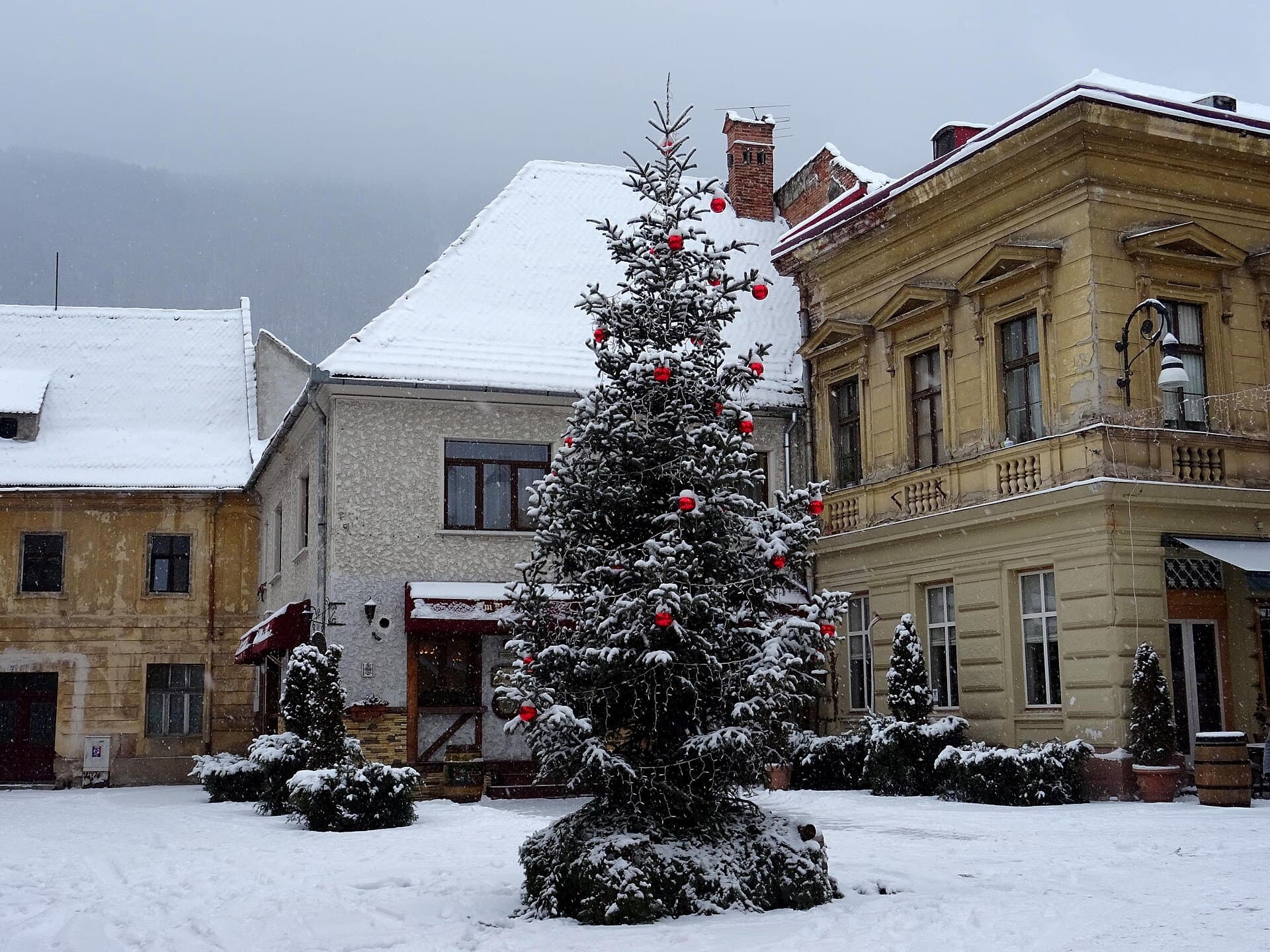 George Enescu SquareA small square in central Brasov named after George Enescu, the most important c4 minutes walk4.6
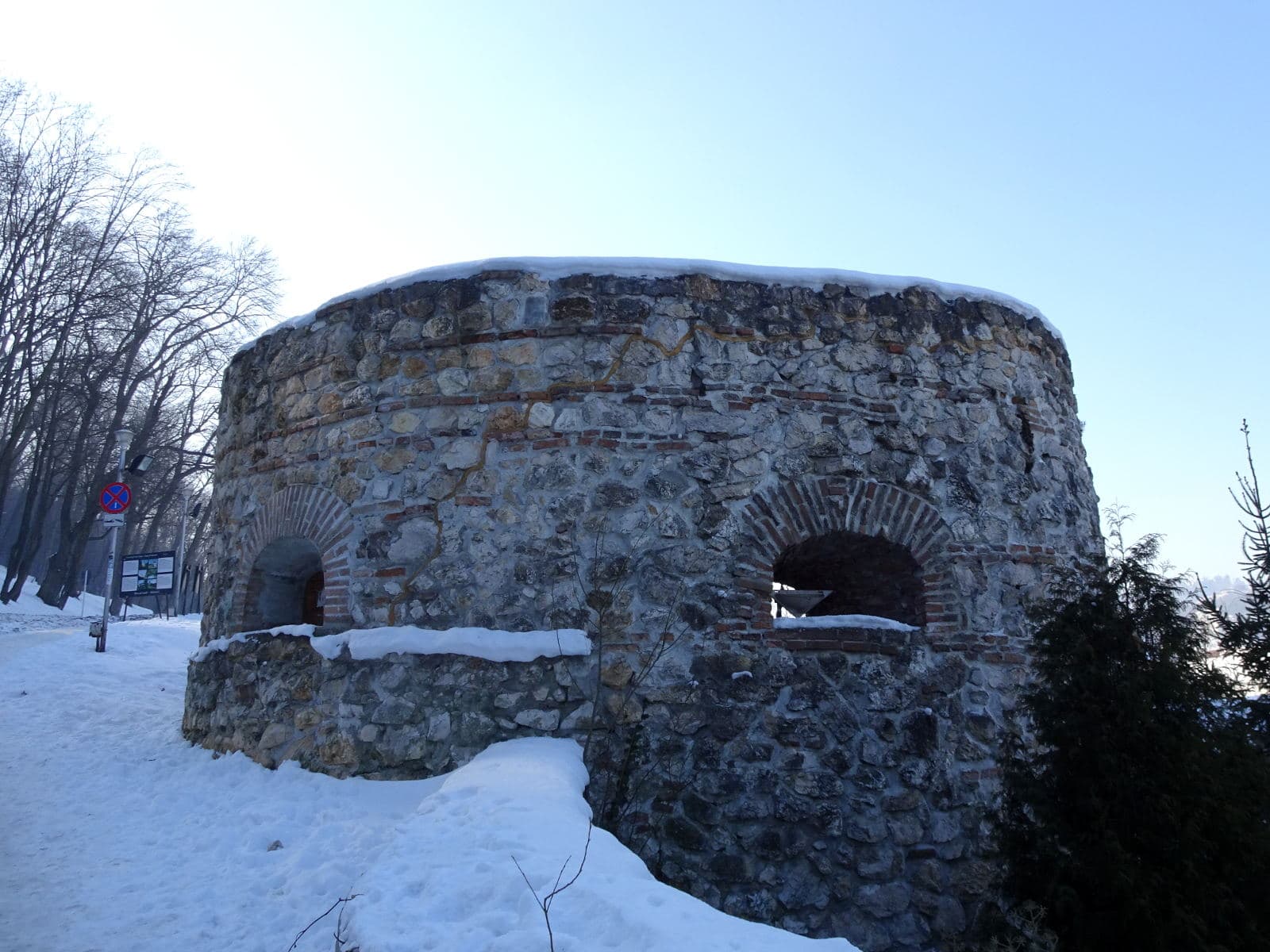 The Furriers' BastionA bastion of Brasov's medieval walls, part of a defensive system built and maint5 minutes walk3.7
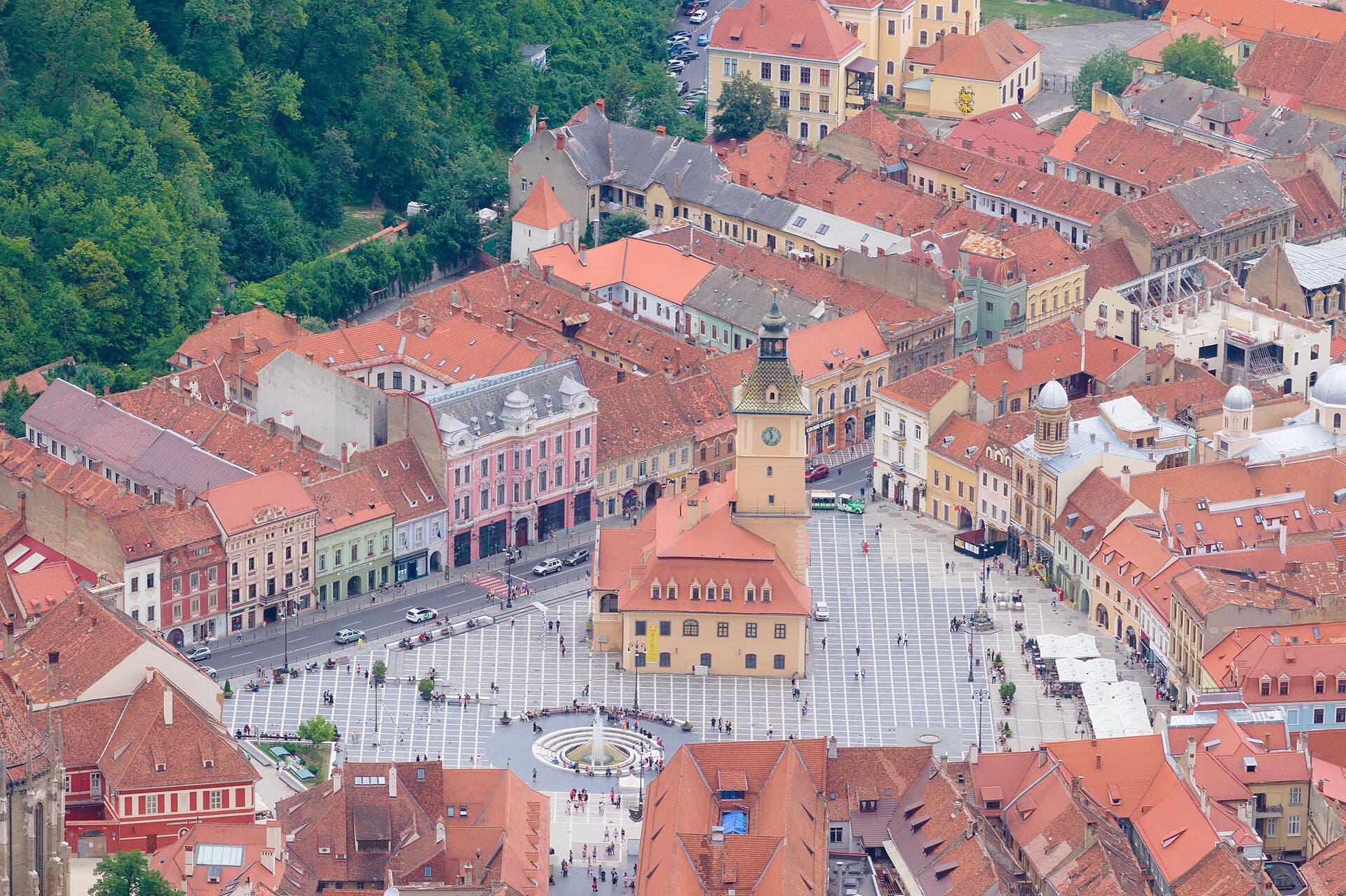 Piața SfatuluiBrașov's main square and the heart of its old town, among the widest and most co6 minutes walk4.7
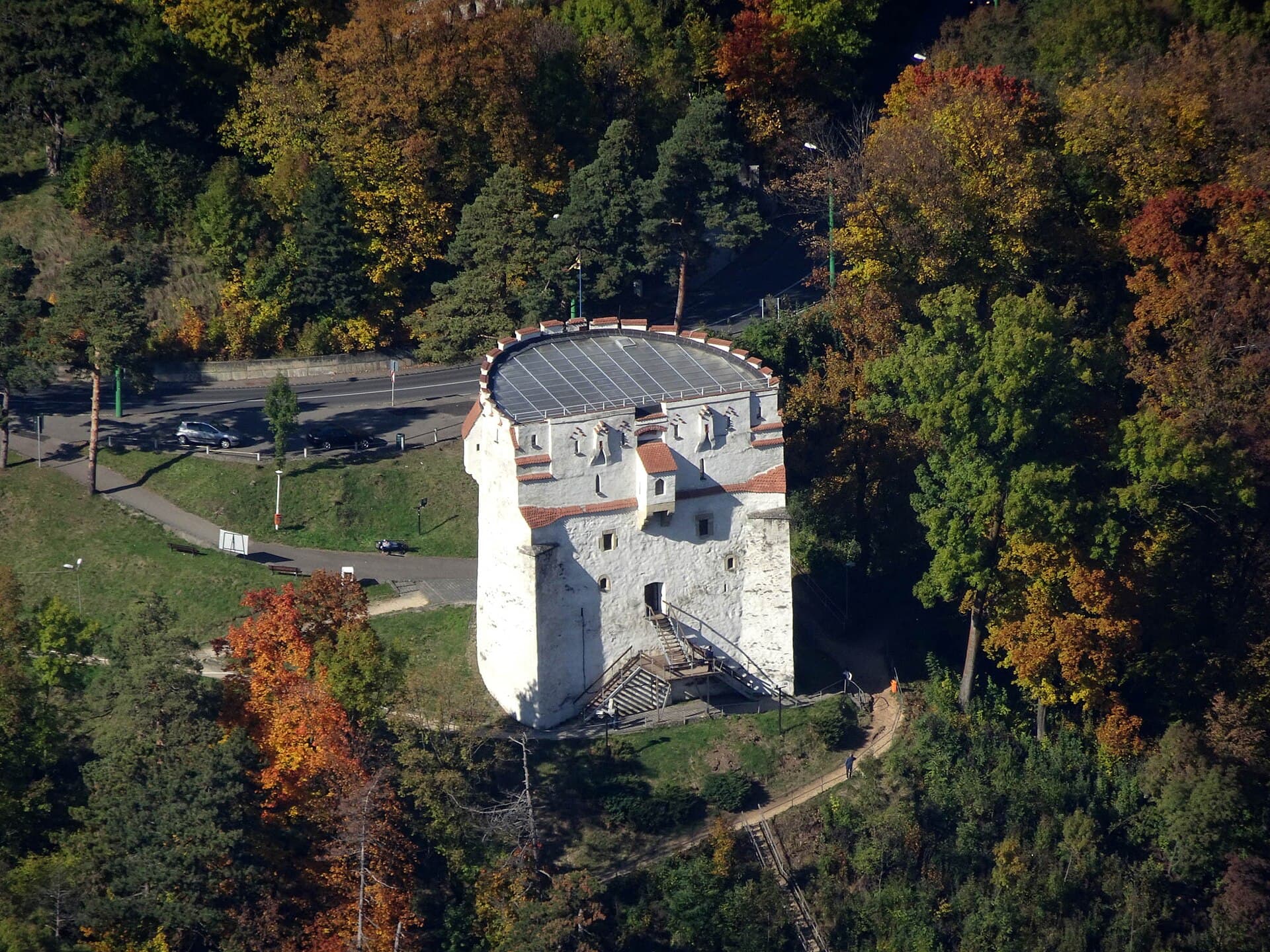 The White TowerThe best free view of Brașov: the White Tower is a stone half-circle built in 148 minutes walk4.5
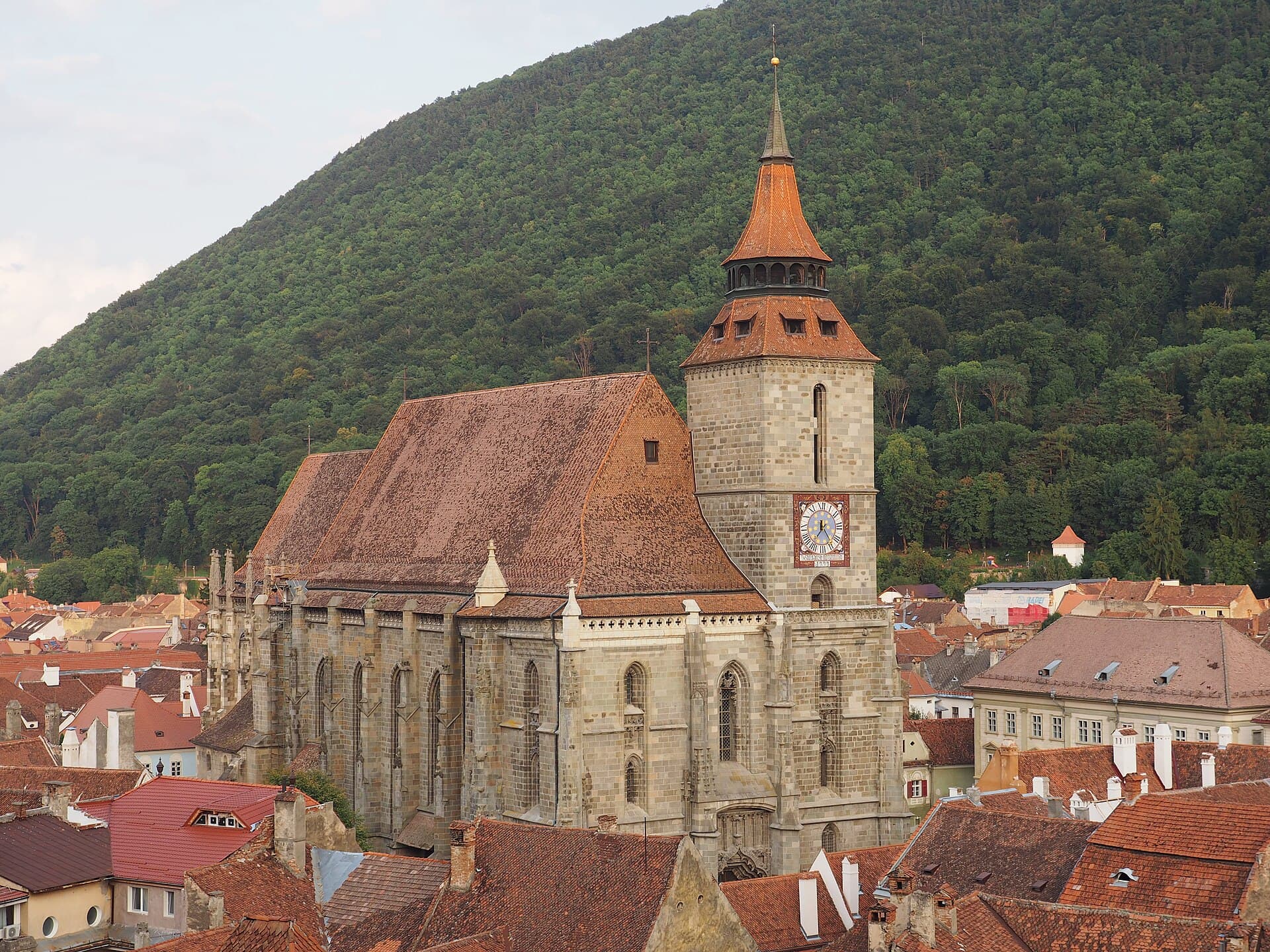 The Black ChurchThe largest Gothic church between Vienna and Istanbul: the Black Church has fill8 minutes walk4.4
As an addition yes, not as a priority. The main square, the Black Church, the citadel and the fortified churches around Transylvania have a stronger claim. But the museum is short, cheap and central, and on a rainy day it becomes a reasonable choice.
Yes if you have time. It is in the same building and covers dress, crafts and rural life in Transylvania, which is closer to what makes the region distinctive than the painting collection is. The tickets are separate but the visit is one.