
The Ottoman carpets
A hundred sixteenth-century rugs on the walls.
tomasz przechlewski — CC BY 2.0 · Andrei Dan Suciu — CC BY 3.0 · Teodora Gogancea — CC BY-SA 3.0 ro · Leontin l — CC BY-SA 4.0
The largest Gothic church between Vienna and Istanbul: the Black Church has filled the heart of Brașov with its massive walls since the fifteenth century — the name from the fire of 1689 that burned the town and blackened its stone, leaving the facade dark to this day. Inside lies an unexpected treasure: more than a hundred Ottoman Anatolian carpets hung on walls and pews, the largest collection of its kind outside Turkey — gifts of Saxon merchants who grew rich on the eastern trade and hung them in thanks. The organ of four thousand pipes is among Europe's largest, and its summer concerts on Tuesday and Friday evenings fill the nave. Its bell is Romania's heaviest, and the statue at the door is Honterus, the reformer who printed Transylvania's first books. Ten minutes suffice to look, an hour is not enough for the carpets.
A hundred sixteenth-century rugs on the walls.
Four thousand pipes from 1839.
The fire of 1689 still on the stone.
Curtea Johannes Honterus 2, Brașov
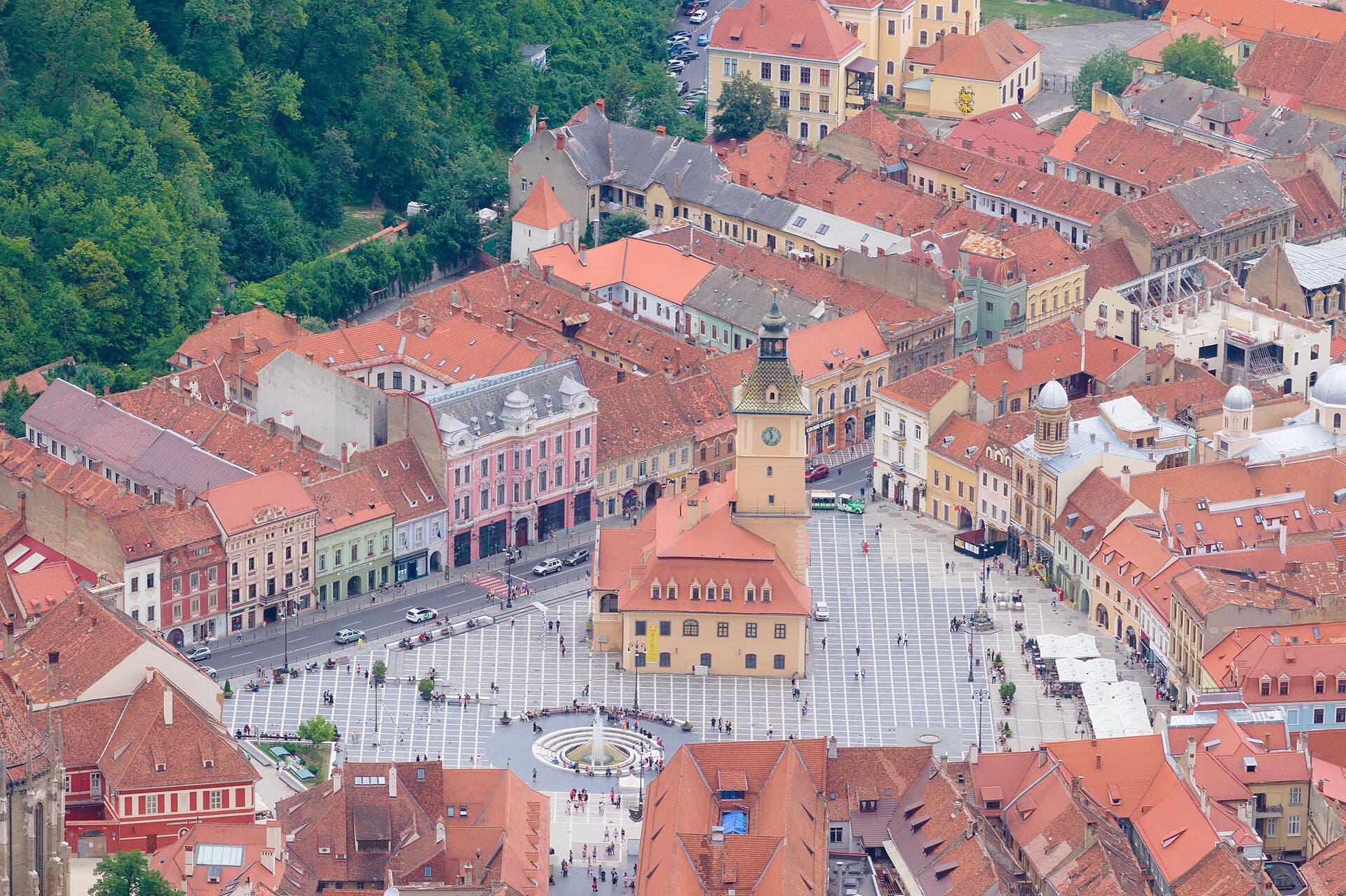 Piața SfatuluiBrașov's main square and the heart of its old town, among the widest and most co2 minutes walk4.7
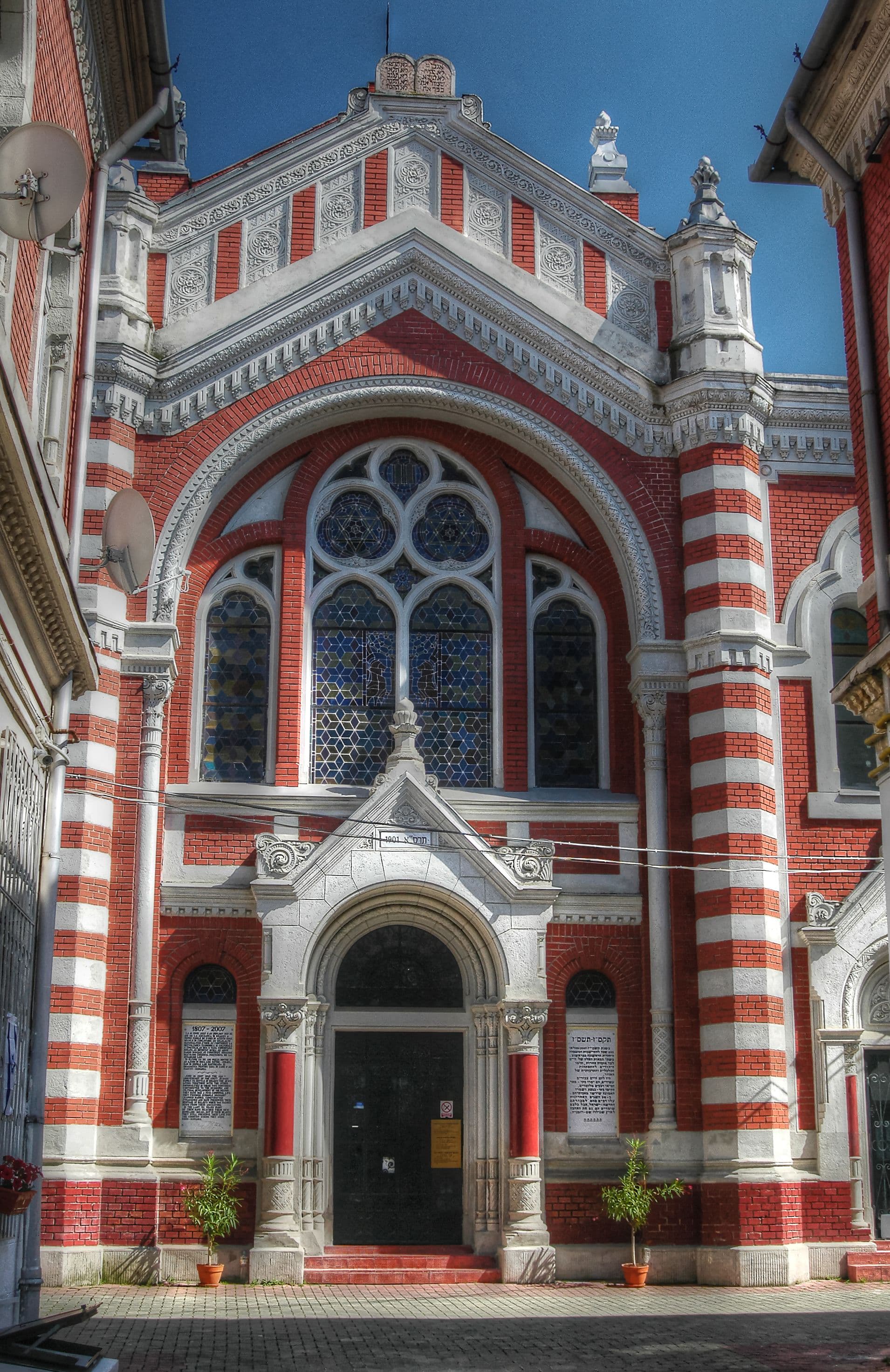 The Beth Israel SynagogueBrașov's synagogue stands in a side lane near the Șchei Gate, and its front is a2 minutes walk4.5
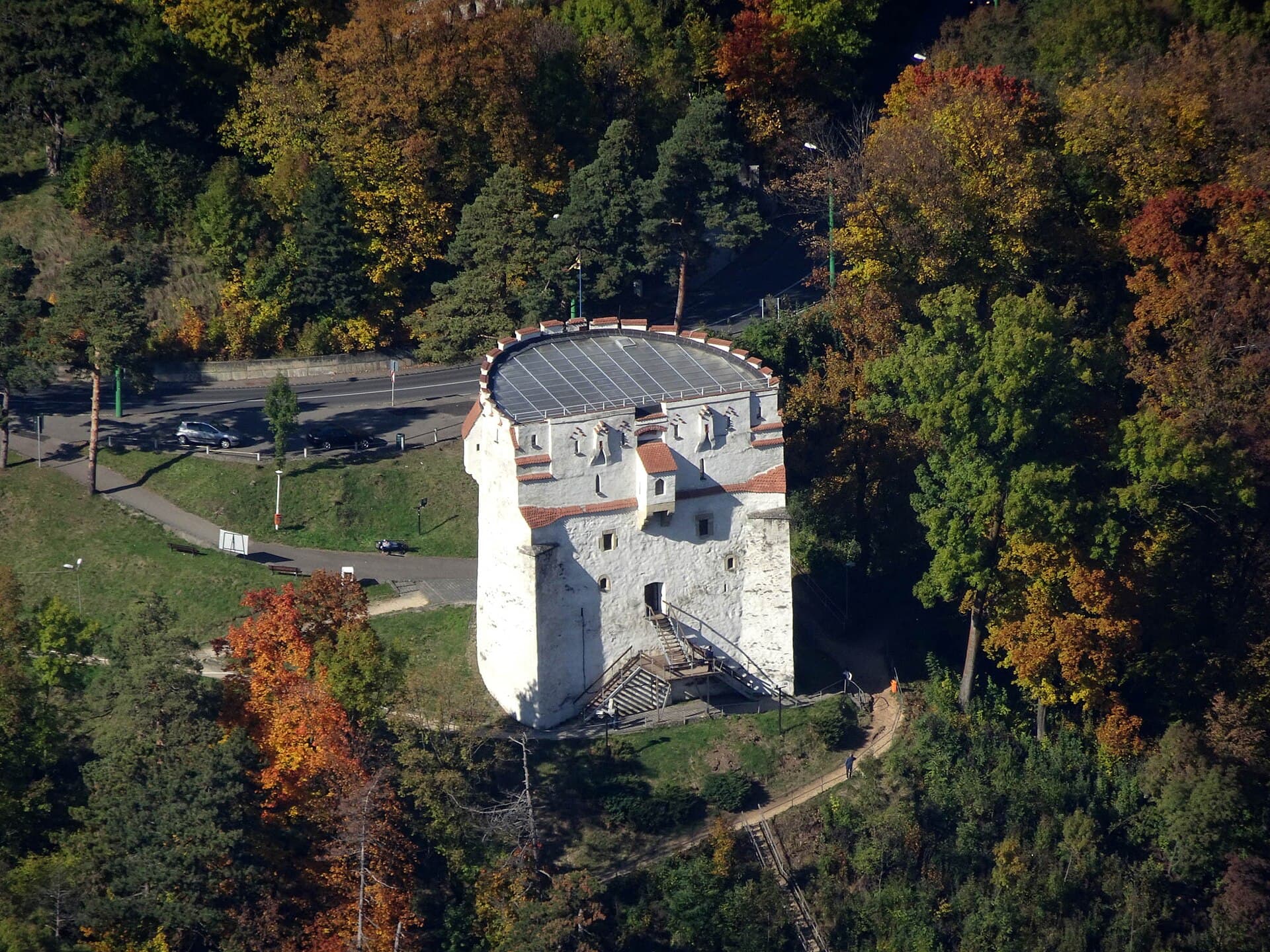 The White TowerThe best free view of Brașov: the White Tower is a stone half-circle built in 143 minutes walk4.5
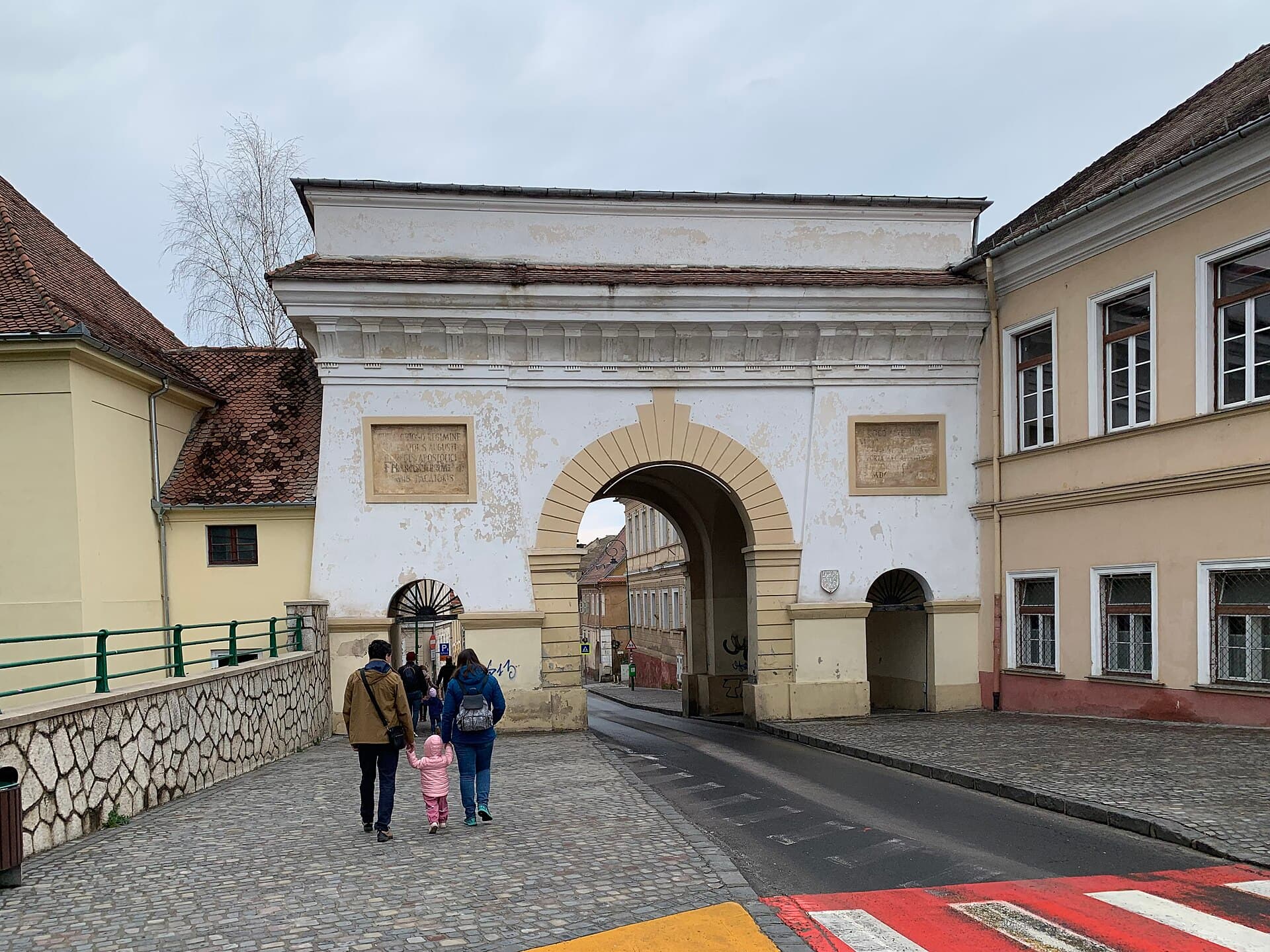 The Șchei GateThe Șchei Gate is a stone triumphal arch of three openings at the southern end o3 minutes walk4.6
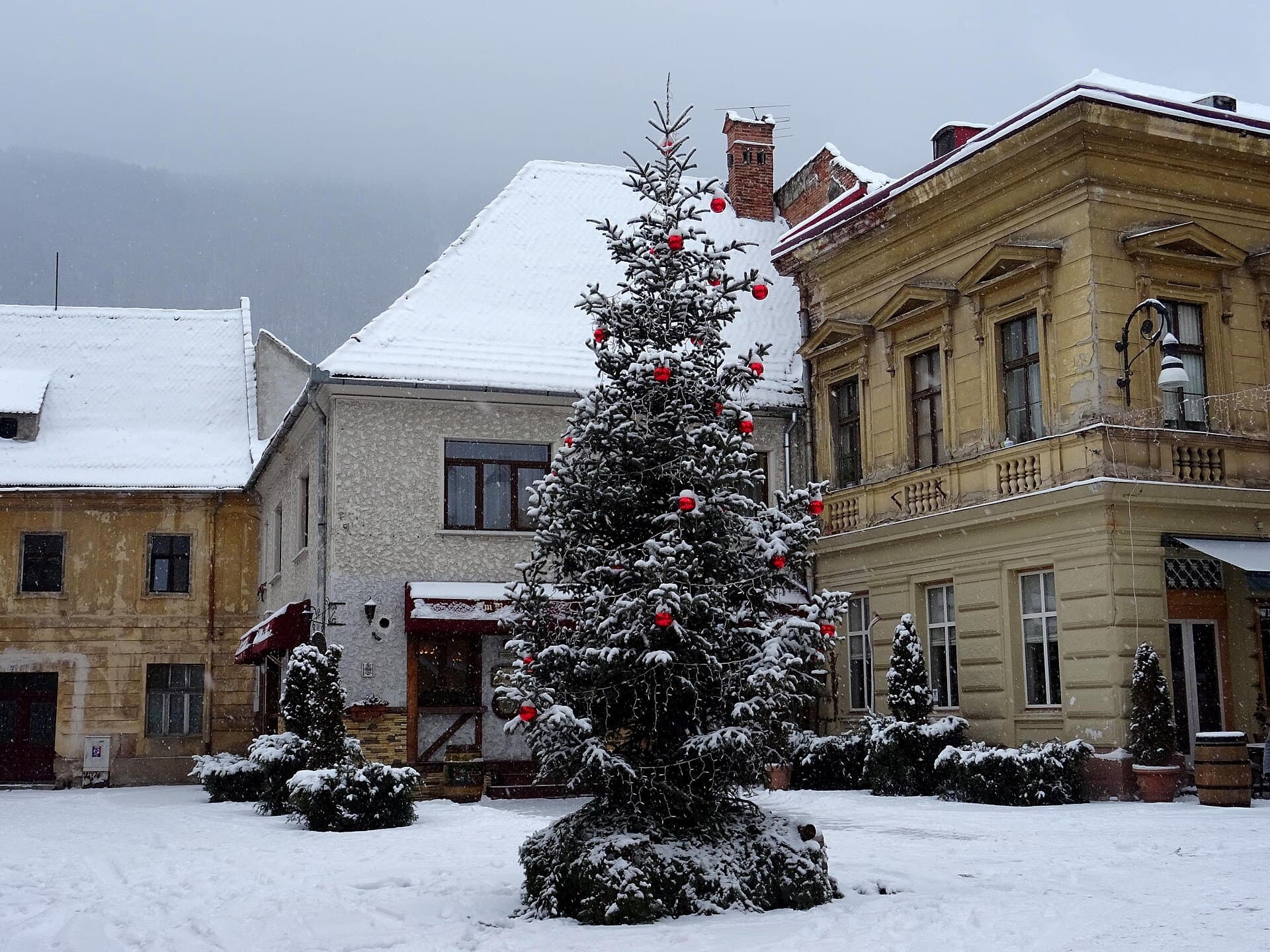 George Enescu SquareA small square in central Brasov named after George Enescu, the most important c4 minutes walk4.6
Brașov's Saxon merchants traded with the Ottoman Empire, and carpets were offered to the church as a vow after each successful journey — so Europe's largest collection accumulated.