
The naturally weakest side
Built to cover the west, where the terrain does not protect the city.
Cezar Suceveanu — CC BY-SA 3.0 ro · Leontin l — CC BY-SA 3.0 ro · Cezar Suceveanu — CC BY-SA 3.0 ro · Andrei kokelburg — CC BY-SA 3.0 ro
A seventeenth-century bastion at the south-western end of Sibiu's fortifications, among the last elements built in the city's wall system. Its history explains why it was built. In 1622 Gabriel Bethlen, prince of Transylvania, came into conflict with Sibiu, and threats then escalated through the seventeenth century from Ottoman and Austrian armies and local forces at once — Transylvania was a principality nominally under Ottoman suzerainty and in practice coveted by the Habsburgs, and it shifted between the two for decades. The bastion was designed to cover the western side, the least protected by natural features, with thick walls and artillery platforms. Its name is German and means roughly the soldiers' bastion. What distinguishes it today is that it is among the best-preserved parts of Sibiu's fortifications, standing in a quiet area less crowded than the upper town. It is seen from outside and access to its surroundings is free.
Built to cover the west, where the terrain does not protect the city.
Transylvania was nominally Ottoman and in practice coveted by the Habsburgs.
One of the most complete surviving parts of Sibiu's fortifications.
South-west of the old town, Sibiu
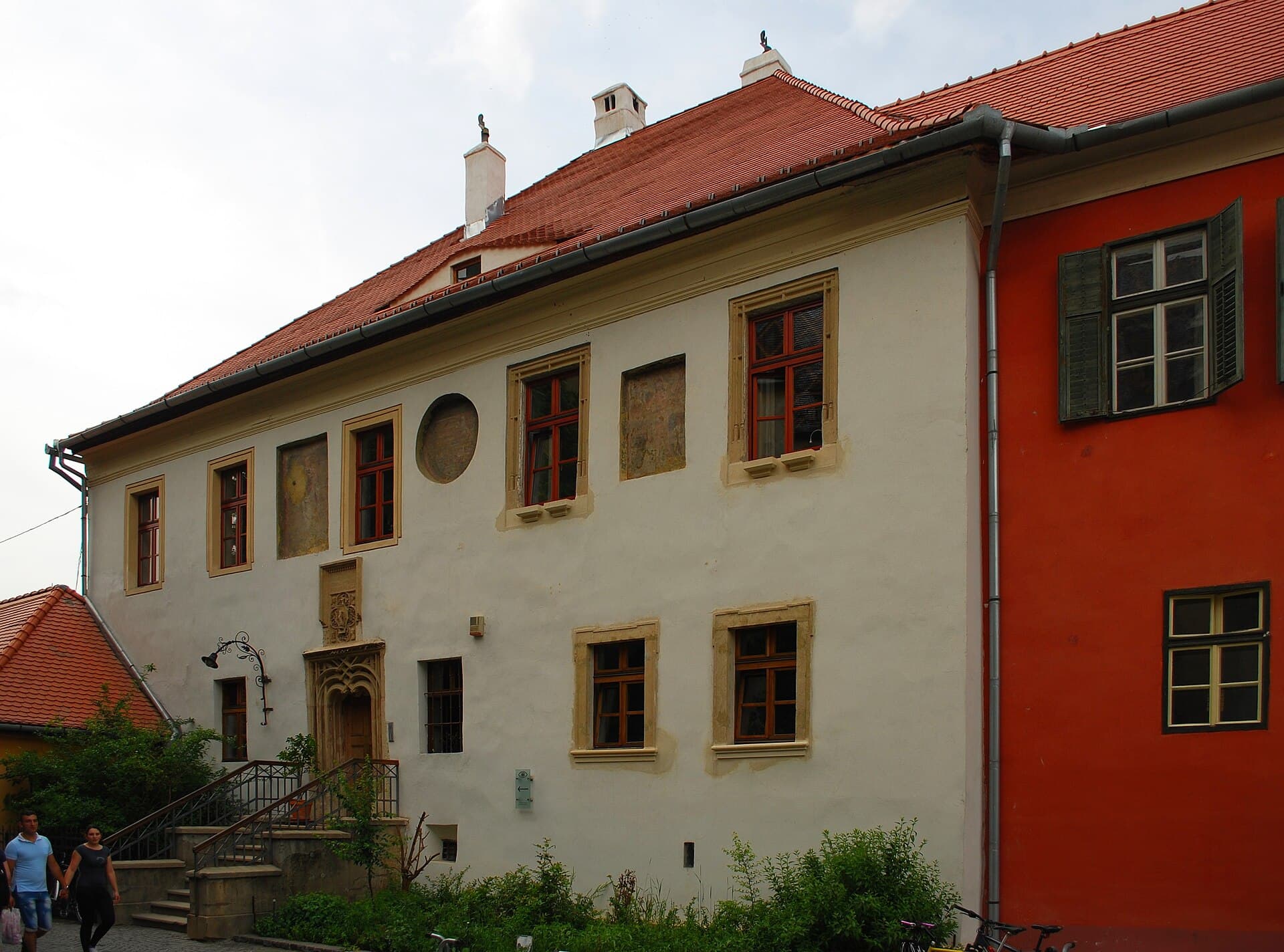 The Evangelical ParsonageA historic building in Sibiu's Upper Town, the administrative seat of the Luther5 minutes walk4.6
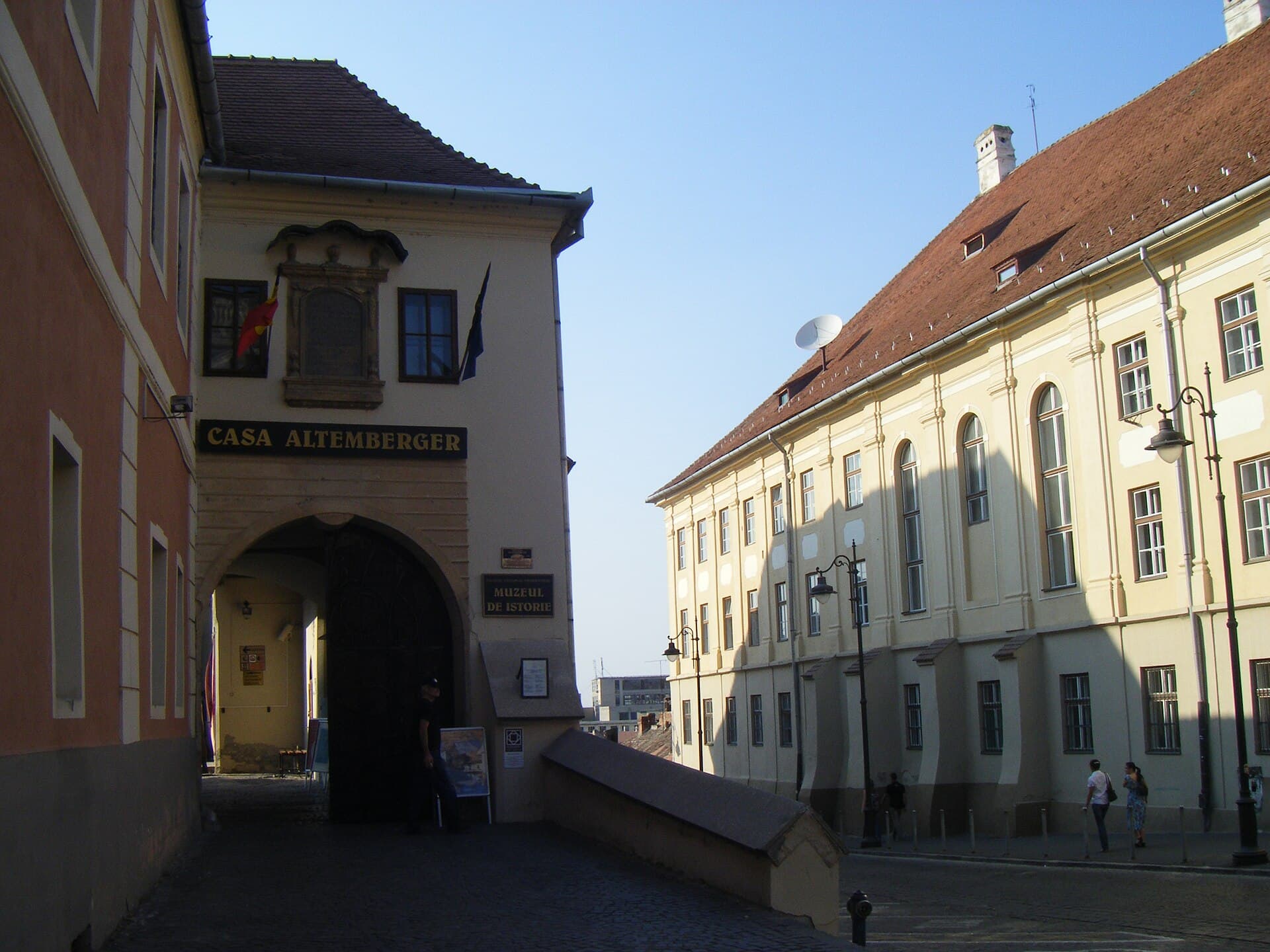 History Museum in Altemberger HouseThe largest Gothic civic complex in Transylvania: Altemberger House, Sibiu's old6 minutes walk4.7
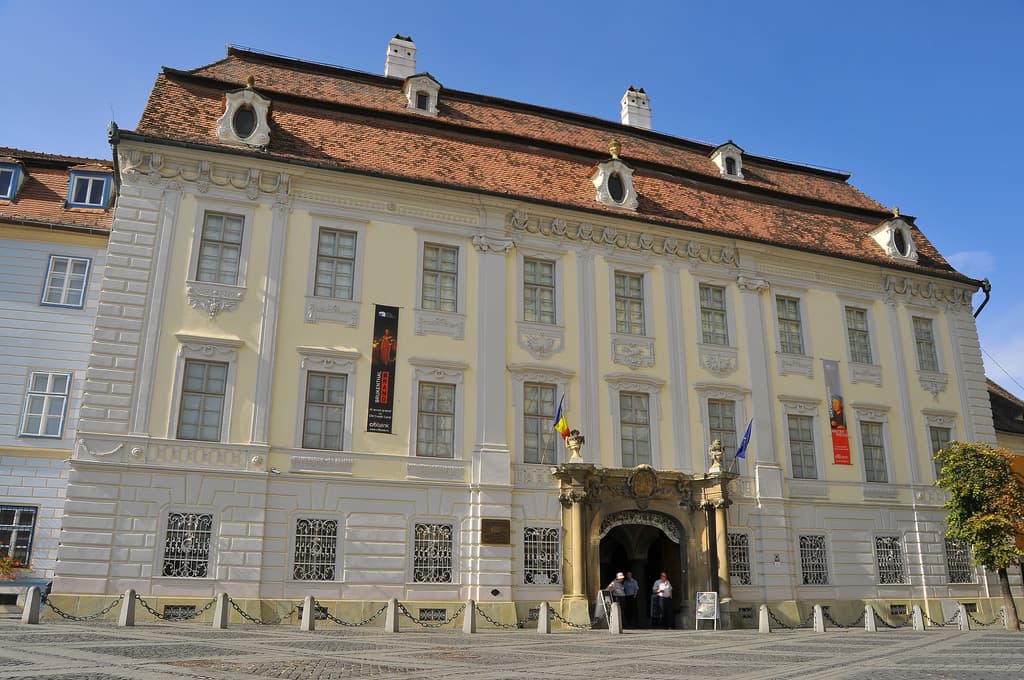 Brukenthal National MuseumRomania's first museum and among Europe's oldest: Baron Samuel von Brukenthal, g7 minutes walk4.5
 Huet SquareA square in Sibiu's Upper Town surrounding the great Evangelical church, the old7 minutes walk4.8
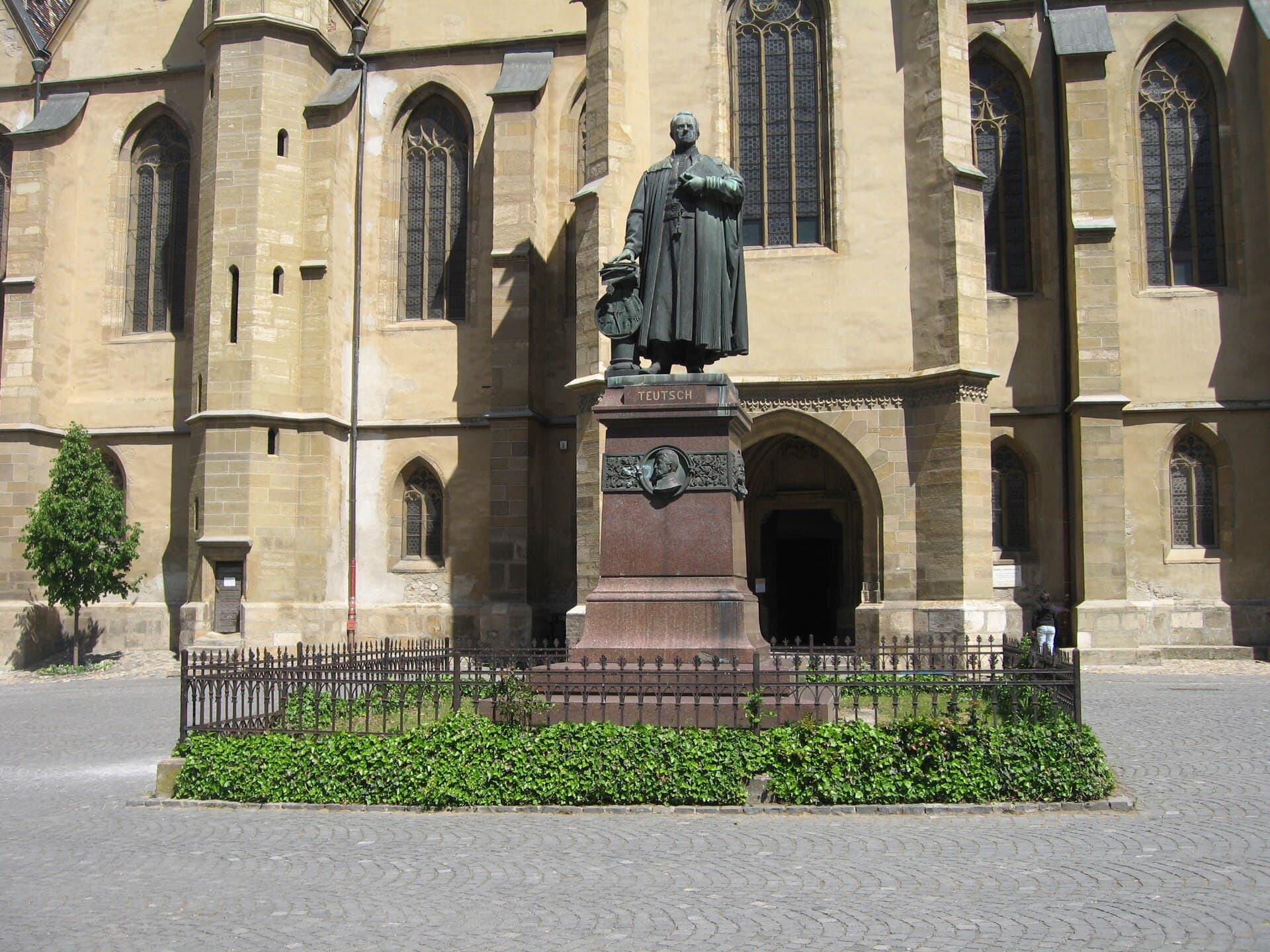 The Georg Daniel Teutsch MonumentA statue in Huet Square before the Evangelical Cathedral in Sibiu, to the bishop7 minutes walk4.5
It was a semi-independent principality paying tribute to the Ottoman sultan in exchange for wide autonomy and the local election of its princes. This gave it a rare margin of movement: Protestantism was protected there while it was suppressed in neighbouring Austria, and it was a refuge for thinkers and religious minorities. The arrangement ended in 1699 when it passed formally to Habsburg rule after the Treaty of Karlowitz.
Yes. The three squares, the walls and the two cathedrals fill a day, but the Brukenthal National Museum — Romania's oldest and among Europe's oldest opened to the public — needs half a day in itself. And the open-air ASTRA museum south of the city holds hundreds of rural buildings in a forest and needs another half day. Two days suit it and three are better with trips to the fortified villages.