
A church as self-government
It ran education, records and relief, not worship alone.
Andrei Stroe — CC BY-SA 4.0 · Ben Skála, Benfoto — CC BY-SA 3.0 · Indiana Landmarks — CC BY 4.0 · Indiana Landmarks — CC BY 4.0
A historic building in Sibiu's Upper Town, the administrative seat of the Lutheran Evangelical parish then and now, and a listed protected structure. The Evangelical church in Transylvania is not a religious footnote but an institution that shaped the region. The German Saxons who settled here in the twelfth century adopted Lutheranism in the sixteenth-century Reformation, and their church became a framework for self-government: it ran the schools, the records and the relief, and it preserved the German language and Saxon identity through centuries of Hungarian, then Austrian, then Romanian rule. That explains why enormous fortified churches stand in small Transylvanian villages: the church was the community's centre and its stronghold at once, and seven of those fortified villages are on the UNESCO list. After 1989 most Saxons emigrated to Germany and the parishes shrank to very small numbers, but the churches and institutions remain. A plain practical point: the building is in administrative use and is not visitable inside. The visit is minutes in front of it on a walk through the Upper Town.
It ran education, records and relief, not worship alone.
Seven Transylvanian villages with fortified churches are UNESCO-listed.
Most Saxons left for Germany after 1989.
The Upper Town, Sibiu
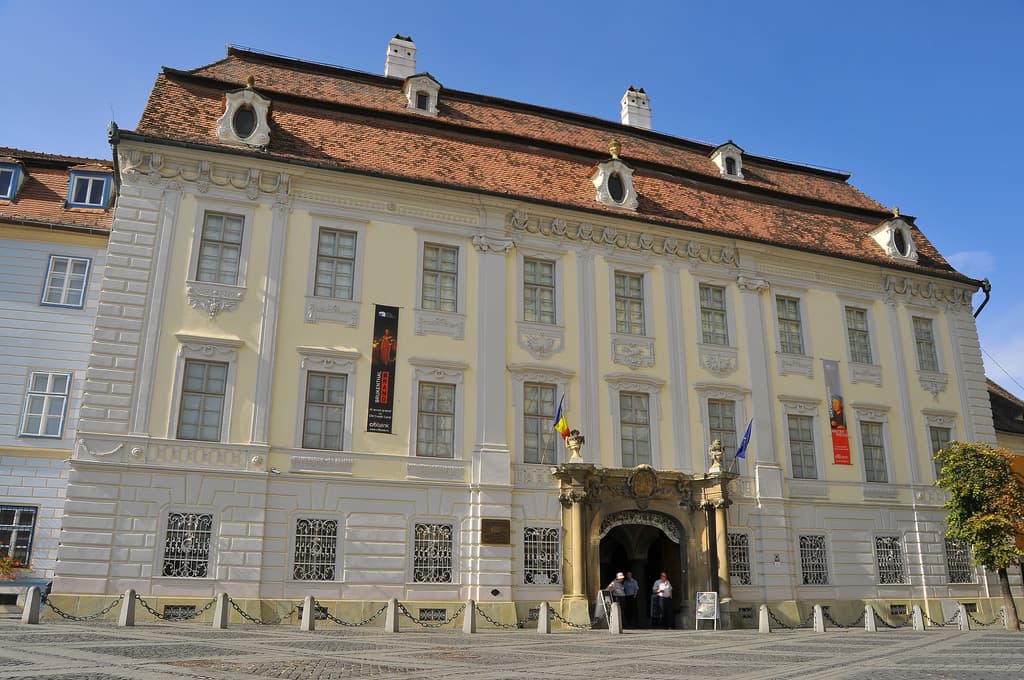 Brukenthal National MuseumRomania's first museum and among Europe's oldest: Baron Samuel von Brukenthal, g3 minutes walk4.5
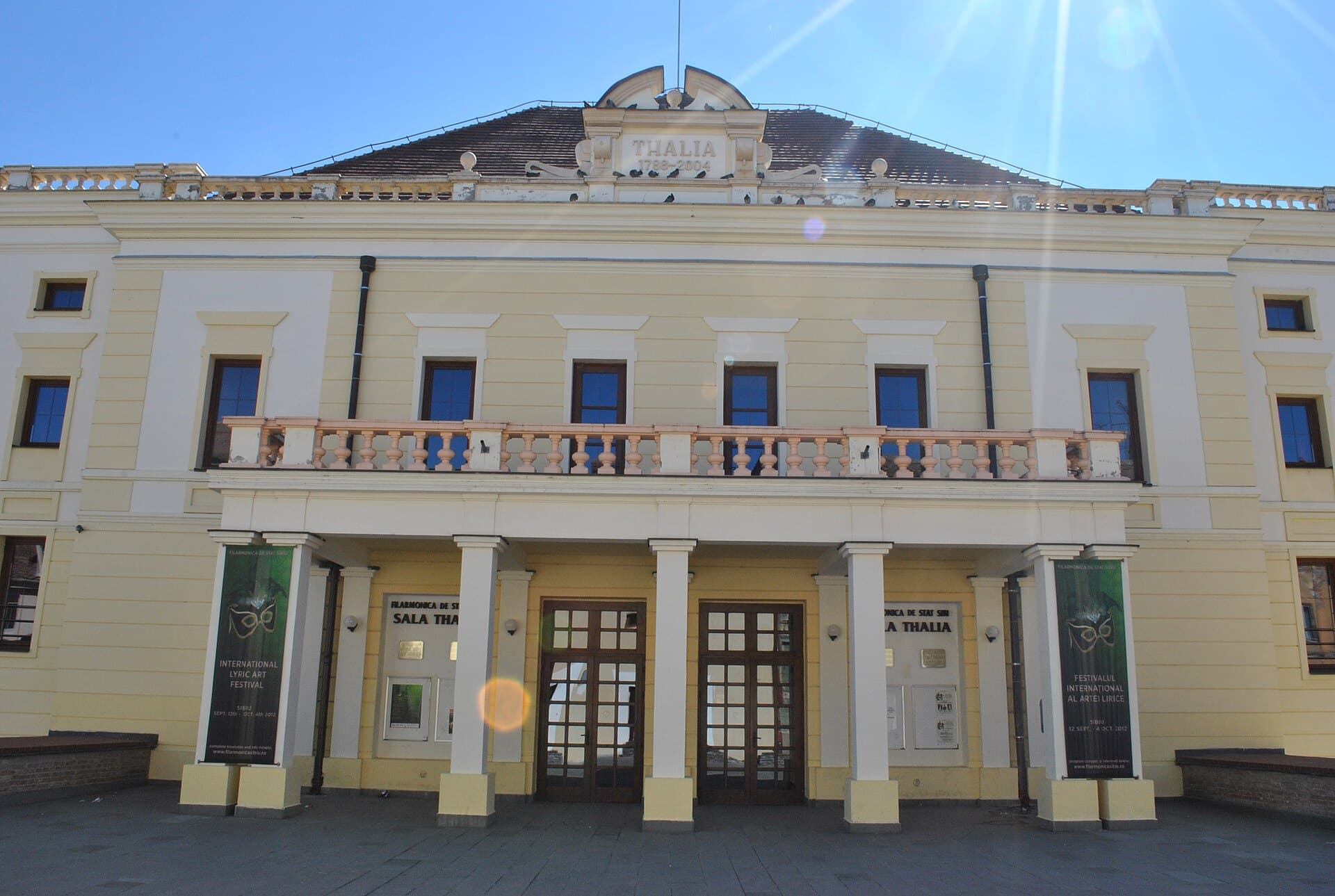 The Thick Tower and Thalia HallA fifteenth-century defensive tower in Sibiu's walls, called the Thick Tower for3 minutes walk4.8
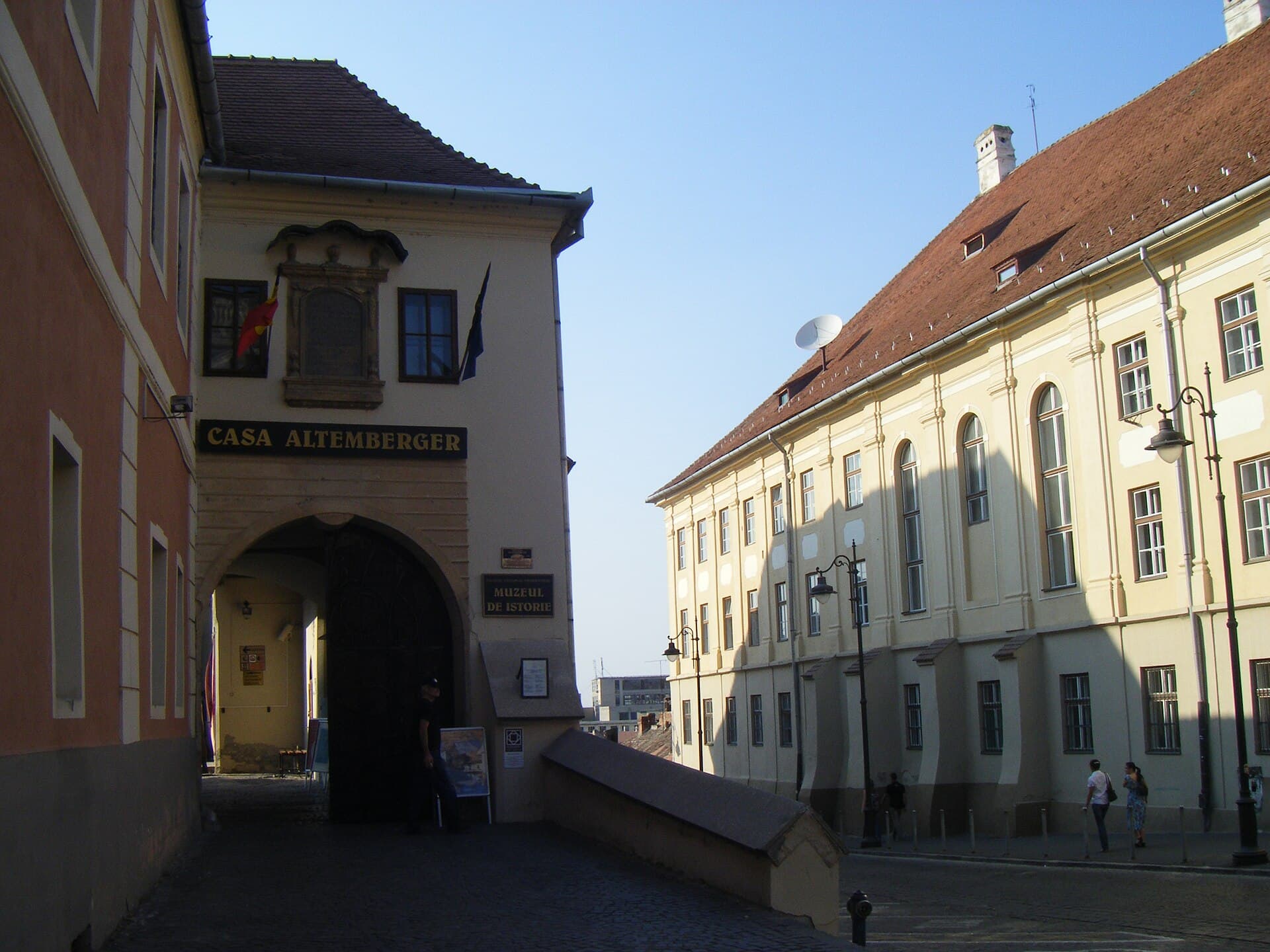 History Museum in Altemberger HouseThe largest Gothic civic complex in Transylvania: Altemberger House, Sibiu's old4 minutes walk4.7
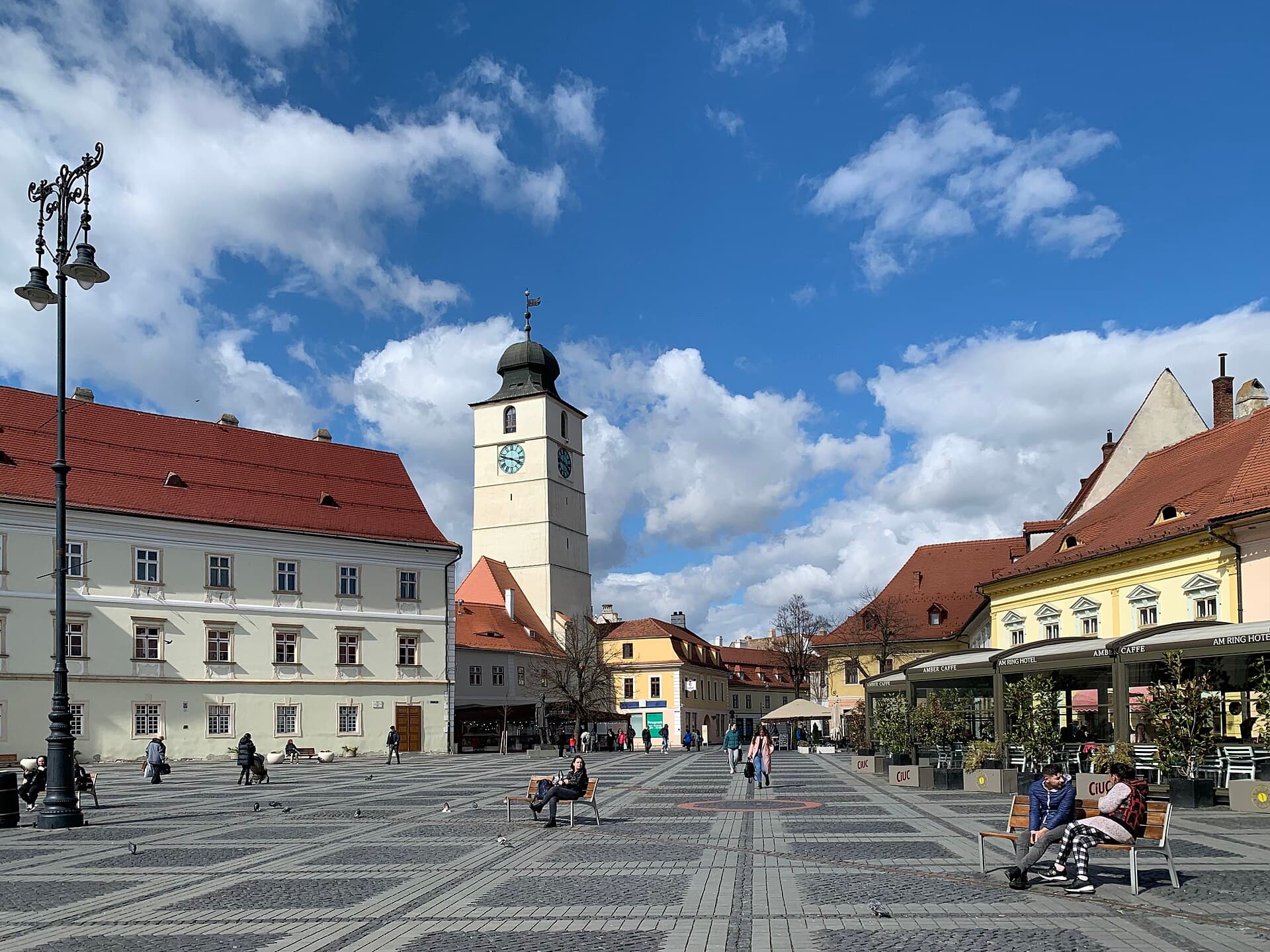 The Large SquareThe city with eyes: Sibiu's Large Square is ringed by pastel Saxon houses that w4 minutes walk4.9
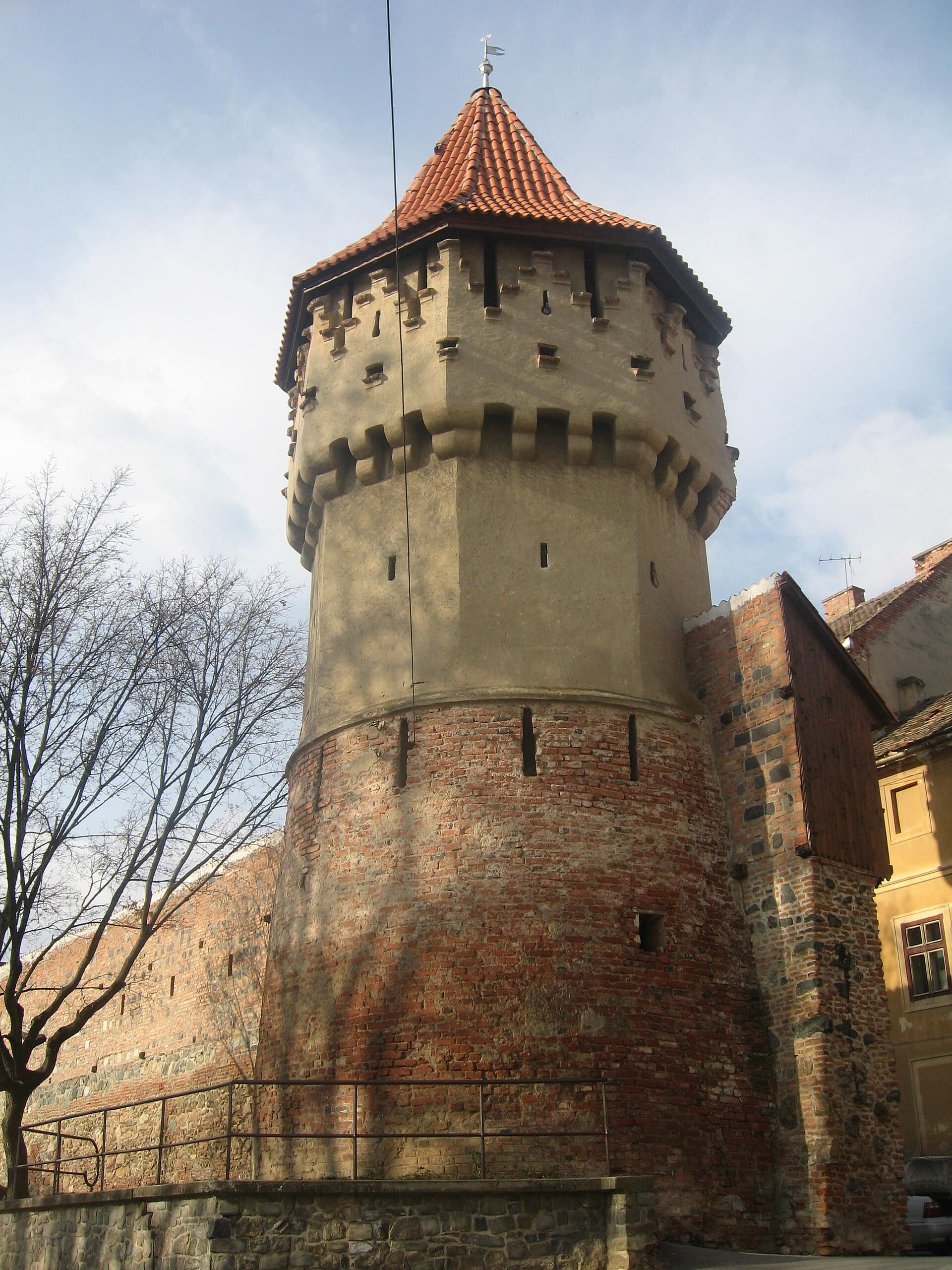 The Carpenters' TowerOne of the surviving defensive towers in Sibiu's walls, roughly fifteenth centur4 minutes walk4.8
In stages. Some were deported to the Soviet Union for forced labour after 1945, and others left gradually under communism — Romania effectively sold emigration permits to West Germany for a payment per person. After the regime fell in 1989 the borders opened and most of those remaining left within a few years. A community once numbering hundreds of thousands is now a few thousand.
Village churches in Transylvania ringed with walls, towers and grain stores in the fifteenth and sixteenth centuries, to shelter the whole village during Ottoman and Tatar raids. Each family had its own storage room inside the wall. Seven are UNESCO-listed, the best known being Biertan and Viscri. They can be visited on day trips from Sibiu or Brasov.