
A house, not a gallery
The painted ceilings, furniture and mirrors remain in place, so you feel you are wandering a Roman family home rather than a museum.
Lalupa — CC BY-SA 3.0 · Vartivar Jaklian — CC BY-SA 4.0 · Stella aboaf — CC BY-SA 4.0 · Stella aboaf — CC BY-SA 4.0
Roughly eight hundred pieces of Italian fashion hang in the salons of an aristocratic house that nobody bothered to empty of its furniture, and on most visits you will have the rooms entirely to yourself. That is the Museo Boncompagni Ludovisi: a small villa on a side street behind Via Veneto, minutes from Piazza Barberini, past which thousands of tourists walk every day without noticing the door is open. The villino was built between 1901 and 1903 to a design by the architect Giovanni Battista Giovenale, in a taste that mixes late Roman baroque with touches of Liberty, the Italian branch of art nouveau. It stayed a family home until Princess Blanceflor de Bildt Boncompagni left it to the Italian state in 1972, and it opened to the public as a museum in 1995. The painted ceilings, the furniture and the mirrors are still where they always were, so you move through rooms rather than neutral galleries — and that is half the pleasure of the place. The other half is the clothes. The collection tells the story of Italian fashion from the early 1900s to recent decades: gowns from Roman houses such as Gattinoni, Sarli, Balestra and Curiel, pieces by Capucci, Mila Schön, Valentino and André Laug, and a Fortuny. The thread running through them is Italy stepping out of Paris's shadow after the Second World War and inventing its own language of cut, cloth and colour. Here you see that shift hanging in front of you instead of reading about it. Now the honesty this city demands: this is not a museum for a first-time visitor to Rome. If you have three days, the Colosseum, the Roman Forum, the Vatican and the Pantheon deserve those hours, no argument. But if this is your second or third trip, if design and fashion genuinely interest you, or if your hotel is already up near Via Veneto, then six euros and forty-five minutes here is an excellent trade: no booking, no queue, and a quiet that is close to unobtainable elsewhere in Rome. It is small enough that children do not revolt, and from the door it is about ten minutes on foot to the Villa Borghese gardens for a family break, or to Palazzo Barberini and the Galleria Nazionale d'Arte Antica — a completely separate ticket and a visit of a different order, so do not try to squeeze both into one hour.
The painted ceilings, furniture and mirrors remain in place, so you feel you are wandering a Roman family home rather than a museum.
Some eight hundred garments and accessories trace Italian style from the 1900s onward, including work by Gattinoni, Balestra, Capucci and Valentino.
Six euros, no booking, no queue, and often the rooms to yourself — which is precisely the reason to come.
Via Boncompagni 18, rione Sallustiano, 00187 Rome — just behind Via Veneto
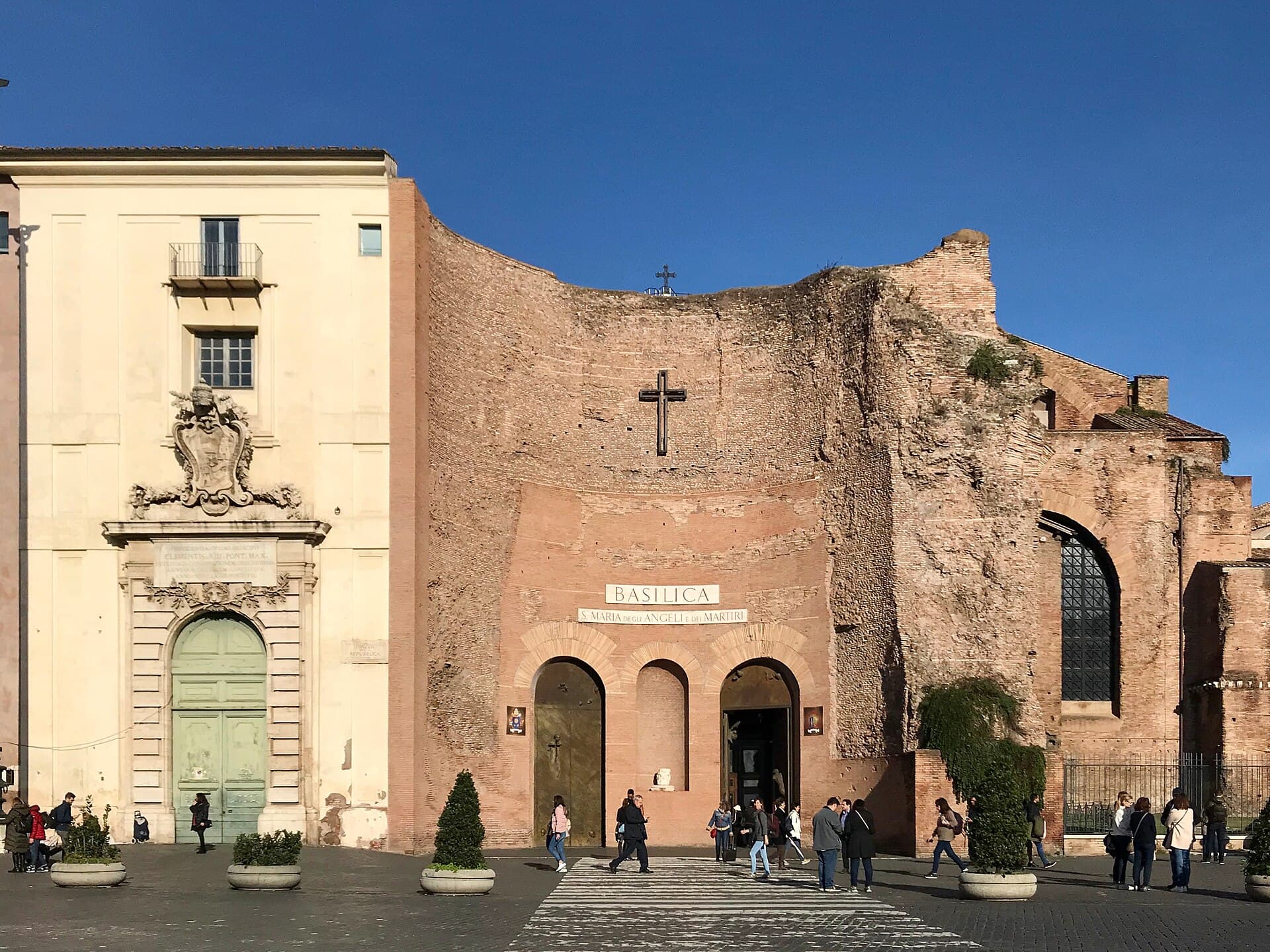 Santa Maria degli Angeli e dei MartiriA church built inside the central hall of the Baths of Diocletian — the largest 8 minutes walk4.8
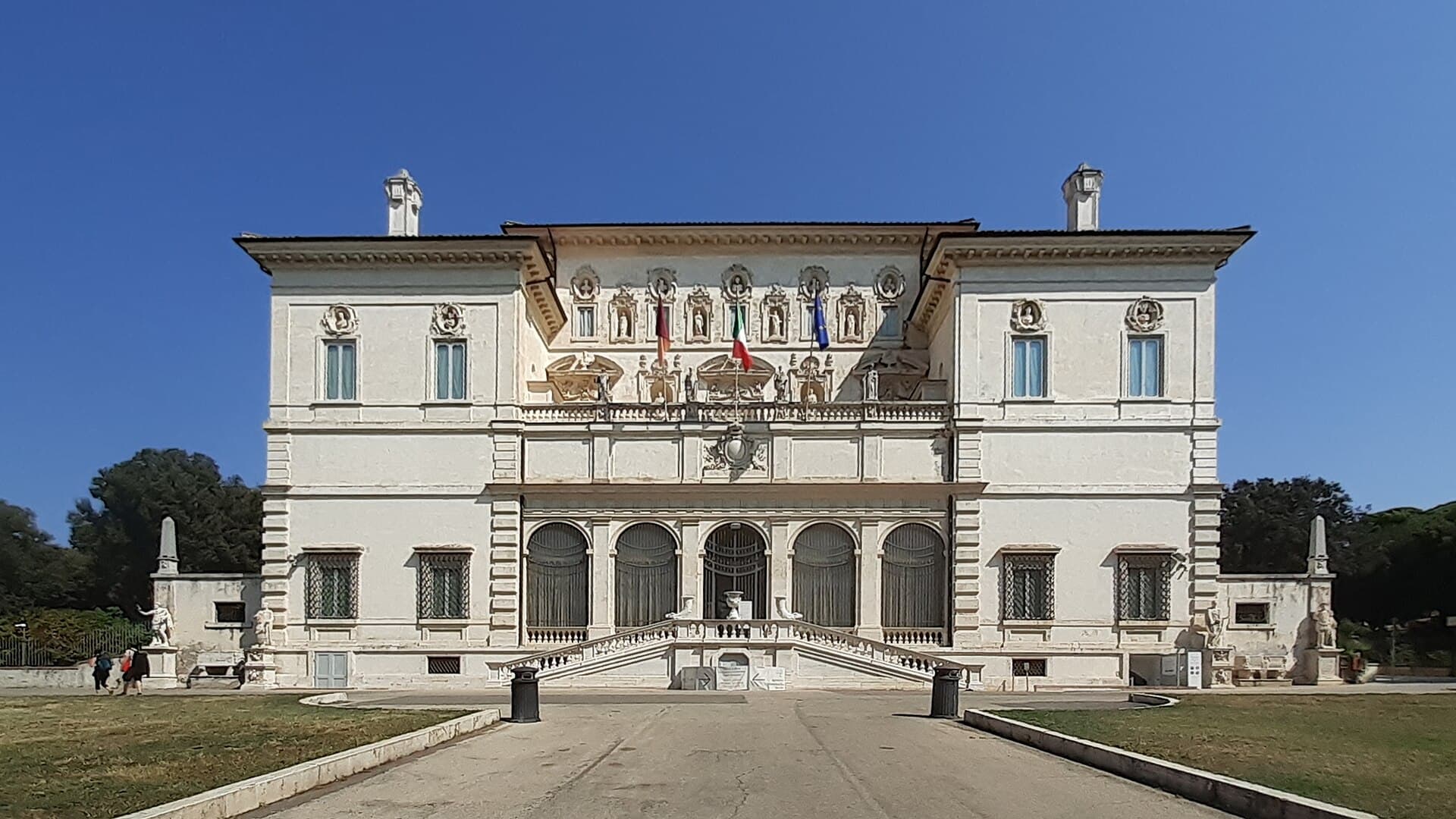 Villa Borghese PincianaThe greatest collection of Baroque sculpture in the world, in a single villa, wi8 minutes walk4.7
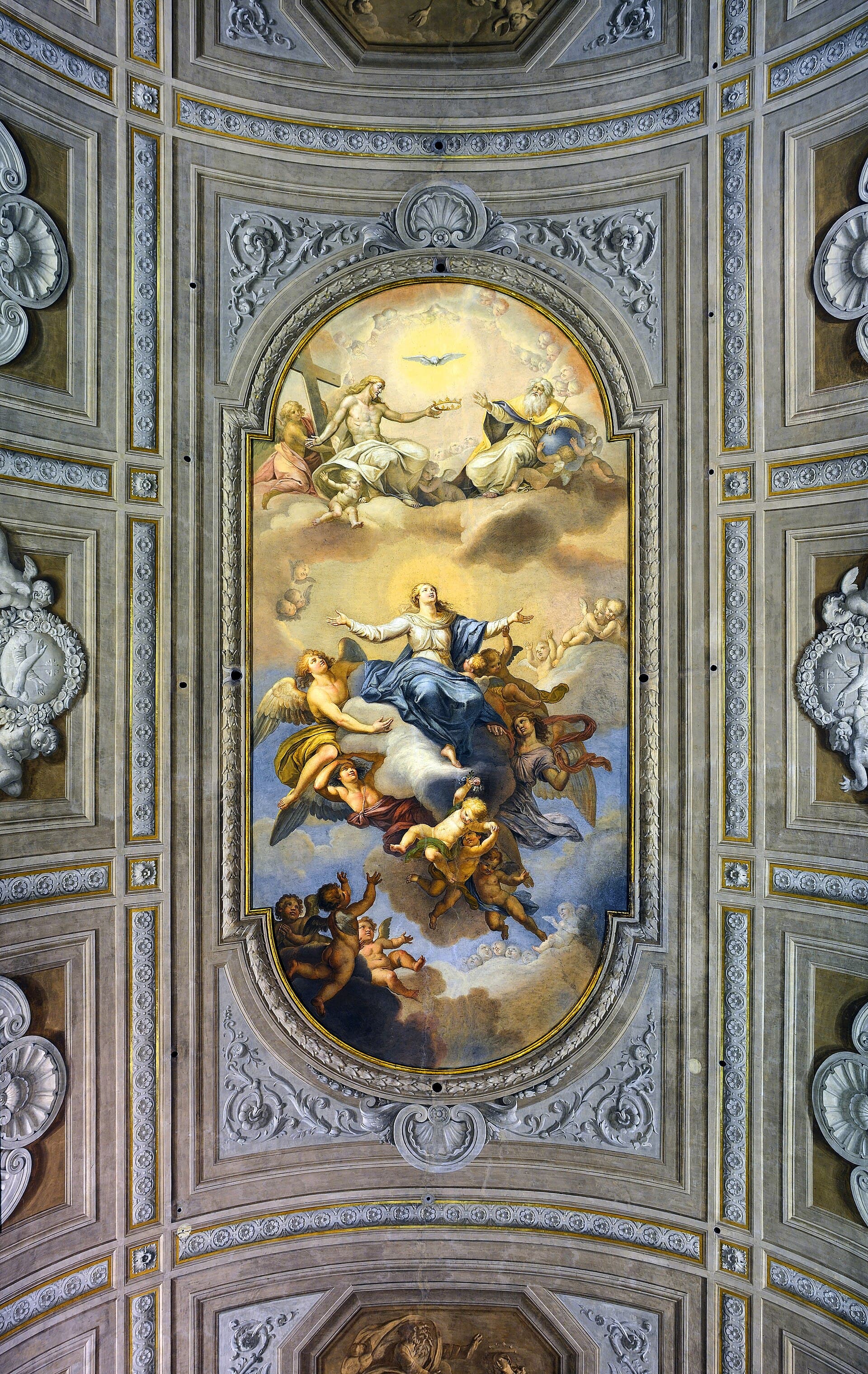 Santa Maria della Concezione dei CappucciniSix small rooms beneath the Capuchin church, their walls and ceilings decorated 8 minutes walk4.7
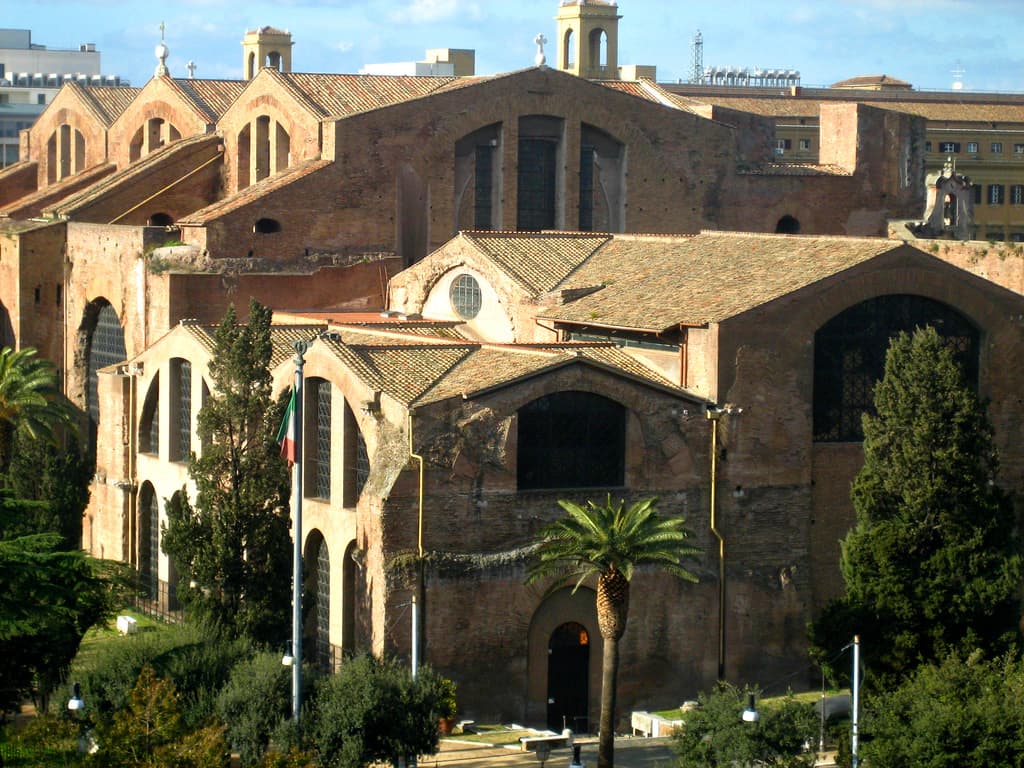 Baths of DiocletianThe largest bath complex the Romans ever built: three thousand bathers at once, 9 minutes walk4.6
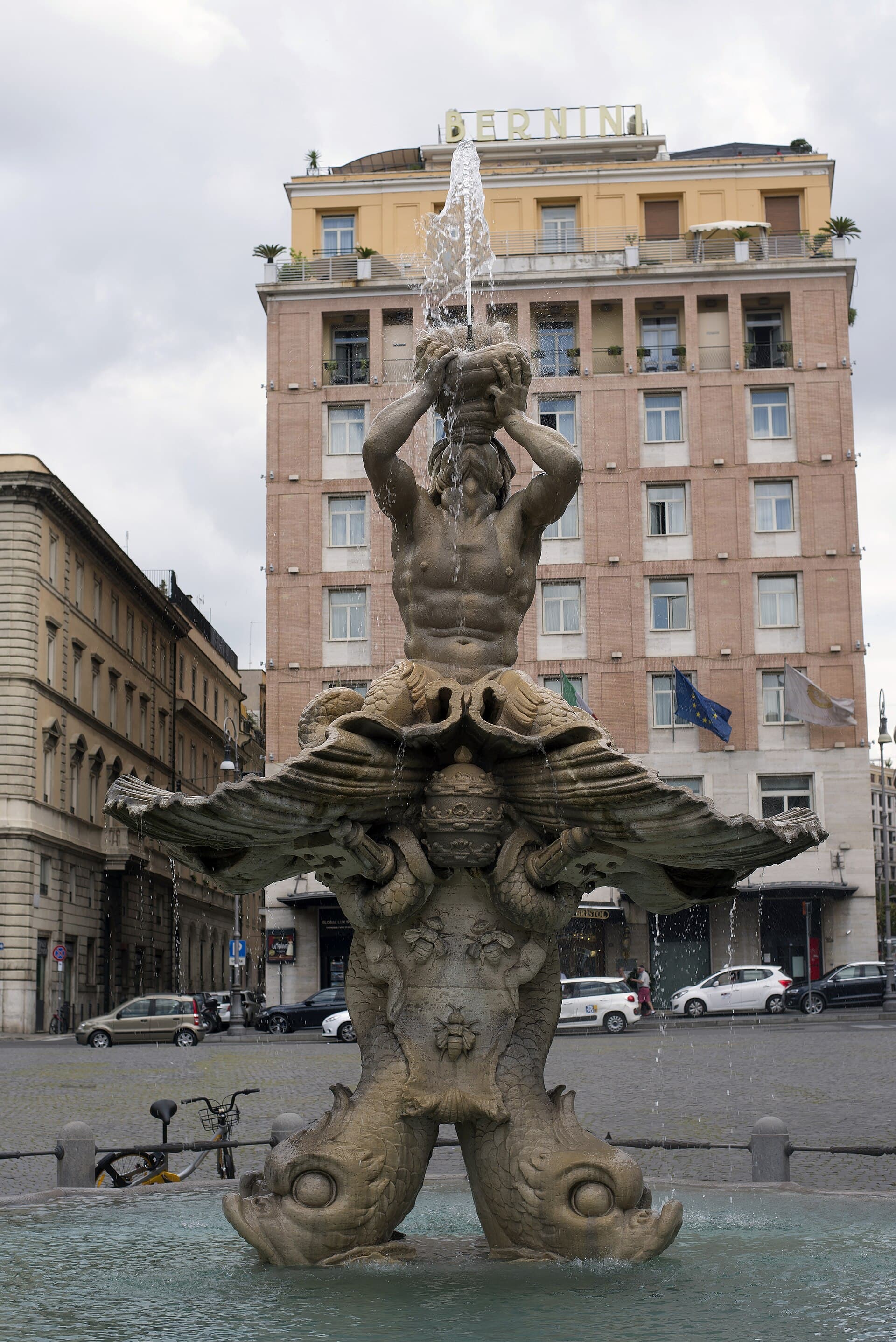 Triton FountainBernini's fountain at the centre of Piazza Barberini, carved in 1643 for Pope Ur10 minutes walk4.7
Looking for halal food near Museo Boncompagni Ludovisi? There are several options nearby, from Moroccan and Indian kitchens to quick casual spots and places with a view. Confirm the halal status and opening hours before you go — these can change.
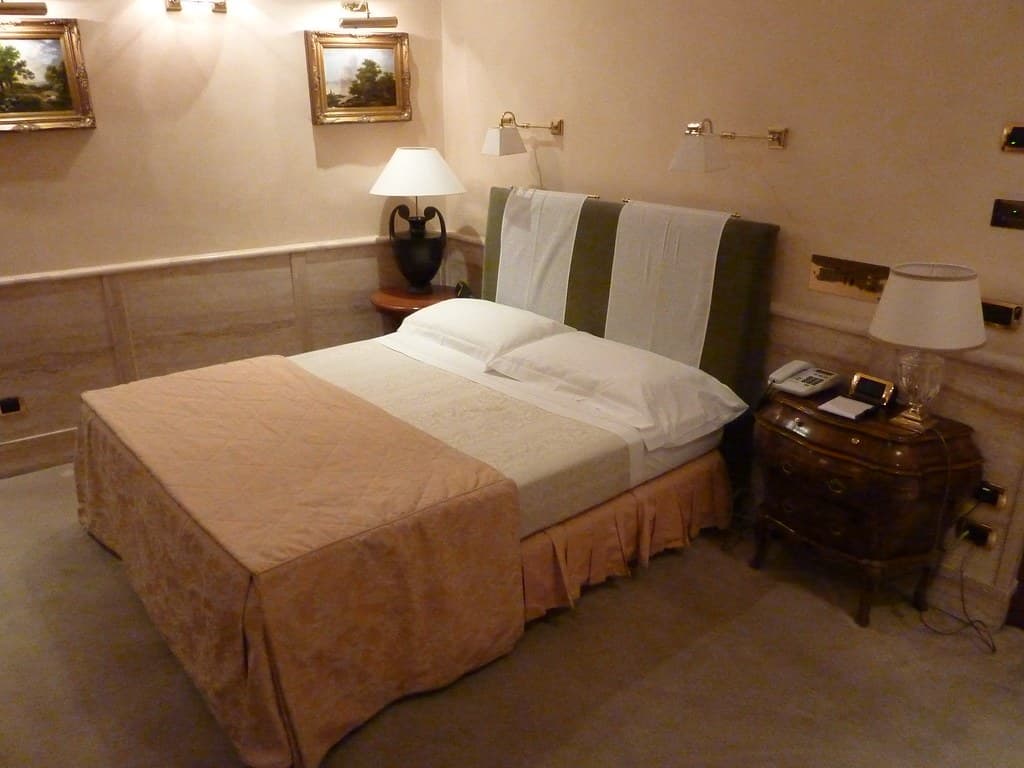 Hotel BaroccoA four-star hotel looking directly onto Piazza Barberini and Bernini's Triton Fo10 minutes walk · $$$$4.9The St. Regis RomeRome's oldest grand hotel and its most historic: opened in January 1894 as the G6 minutes walk · $$$$4.8
No longer. The museum was free until 1 February 2024, when a ticket was introduced: €6 full, €2 for EU citizens aged 18–25, free for under-18s and on the first Sunday of each month. Buy it at the kiosk by the entrance or on the Musei Italiani app; no booking required. If you want a second small museum, a €10 combined ticket valid 48 hours covers this one and the Museo Hendrik Christian Andersen. It is not on the Roma Pass or the Museo Nazionale Romano combined ticket, though at this price no pass is worth hunting for.
Honestly, no. Leave it this time. The Colosseum, the Roman Forum, the Vatican and the Pantheon are worth those hours far more, and you would regret trading one of them for a small fashion museum. Save it for a second trip to Rome, a rainy afternoon, or the case where design and fashion are genuinely your thing — then it is one of the best six euros in the city.