
The million-pound Van Dyck
The portrait of Sir Basil Dixwell, bought for the city in 2004, is the one painting worth lingering over amid Cooper's cattle.
Storye book — CC BY 3.0 · IreneAl — CC BY 4.0 · IreneAl — CC BY 4.0 · IreneAl — CC BY 4.0
One of the handsomest frontages on Canterbury's High Street was paid for by a controversial Australian surgeon who had left the city as a young man. James Beaney was born and schooled here, grew rich in Melbourne, and left £10,000 in his will for an institute for the education of the working man; the building opened in 1899 with a half-timbered Tudor-revival face that looks three centuries older than it is. After an £11.5 million overhaul that finished in 2012, it now holds the city museum, art gallery, public library and visitor information centre under one roof. Be clear about what it is: not a major collection but a well-ordered Victorian cabinet of curiosities. Explorers & Collectors is ethnographic souvenirs carried home from voyages to Asia, Africa, India and the Pacific, with the stuffed birds waiting next door in Colour & Camouflage; People & Places tells Canterbury's story from Roman and Anglo-Saxon finds onward; Materials & Masters hides the genuine surprise, a Van Dyck portrait of Sir Basil Dixwell bought for the city for £1 million in 2004, surrounded by a herd of cattle paintings by Thomas Sidney Cooper, the local artist who painted almost nothing else. What earns it a place on a family itinerary is the Smallfilms Gallery: puppets, props and old merchandise from Bagpuss, the Clangers, Ivor the Engine and Noggin the Nog, the children's classics made in a disused cowshed at Blean just outside the city, and billed to stay on show until at least the start of 2030. The Learning Lab upstairs runs artist-led and family workshops whenever a programme is on. Entry is free throughout: even the big 2026 show, The Making of Marlowe, running to 22 November, asks only for an optional donation, and charges fall on no more than a handful of special exhibitions and events. Location is half the value. The door is a few minutes' walk from the cathedral gate and about ten from either Canterbury West or Canterbury East station. The visitor information desk inside is where to collect a map or book a tour, and lifts make it pushchair-friendly, though the Best Lane lift is currently out of service, with step-free entry through the Orange Street car park where staff will help. Closed Mondays, doors shut at 17:00 (11:00-16:00 on Sundays): treat it as a rainy hour, not a day out.
The portrait of Sir Basil Dixwell, bought for the city in 2004, is the one painting worth lingering over amid Cooper's cattle.
Puppets and props from Bagpuss and the Clangers, the one room where children ask to stay rather than leave.
The 1899 Tudor-revival timber front photographs best from the street, and the information desk inside hands out city maps and books tours.
18 High Street, Canterbury CT1 2RA
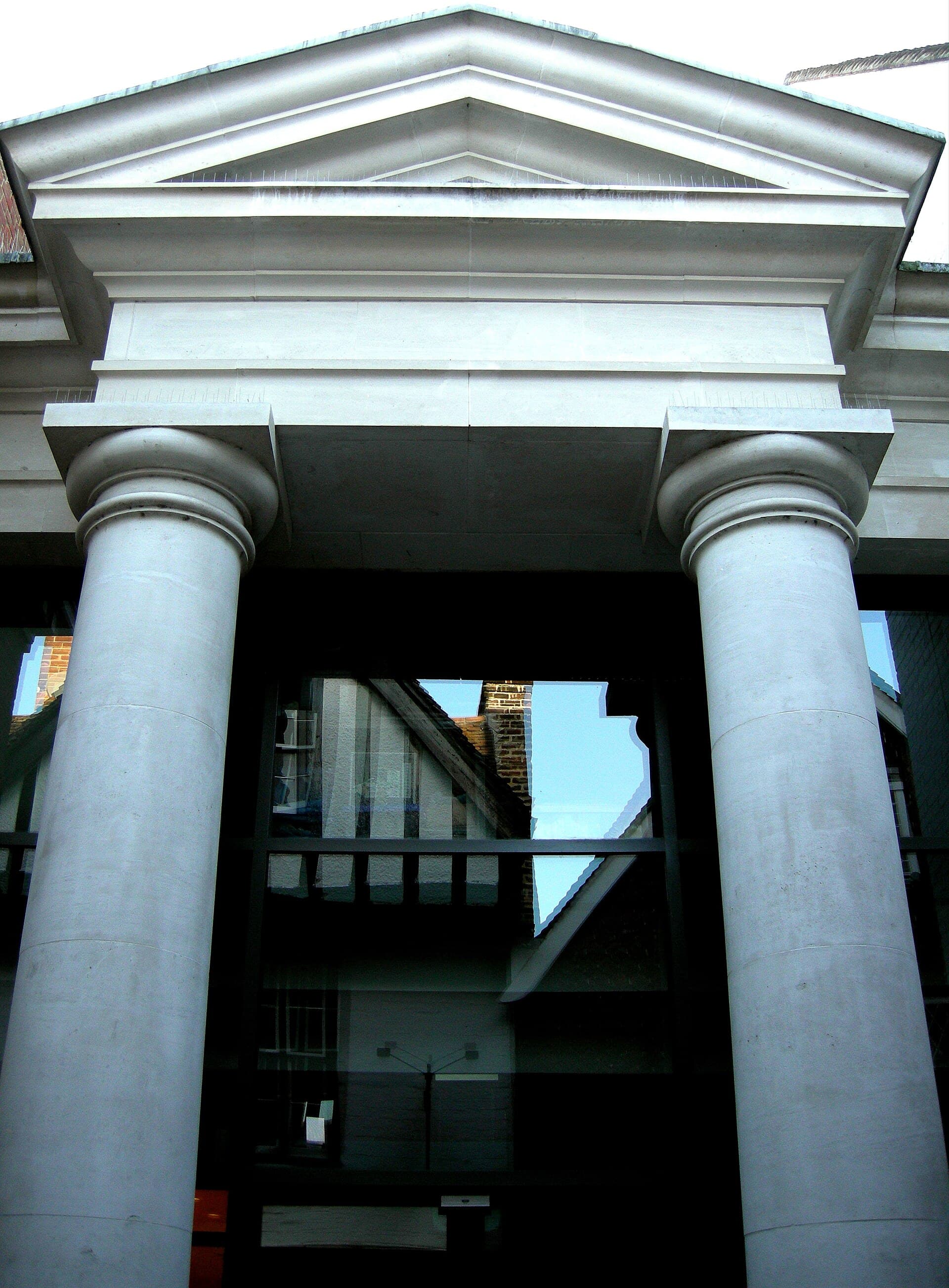 Canterbury Roman MuseumA few metres beneath the shoppers on Butchery Lane lies a Roman mosaic floor tha2 minutes walk4.4
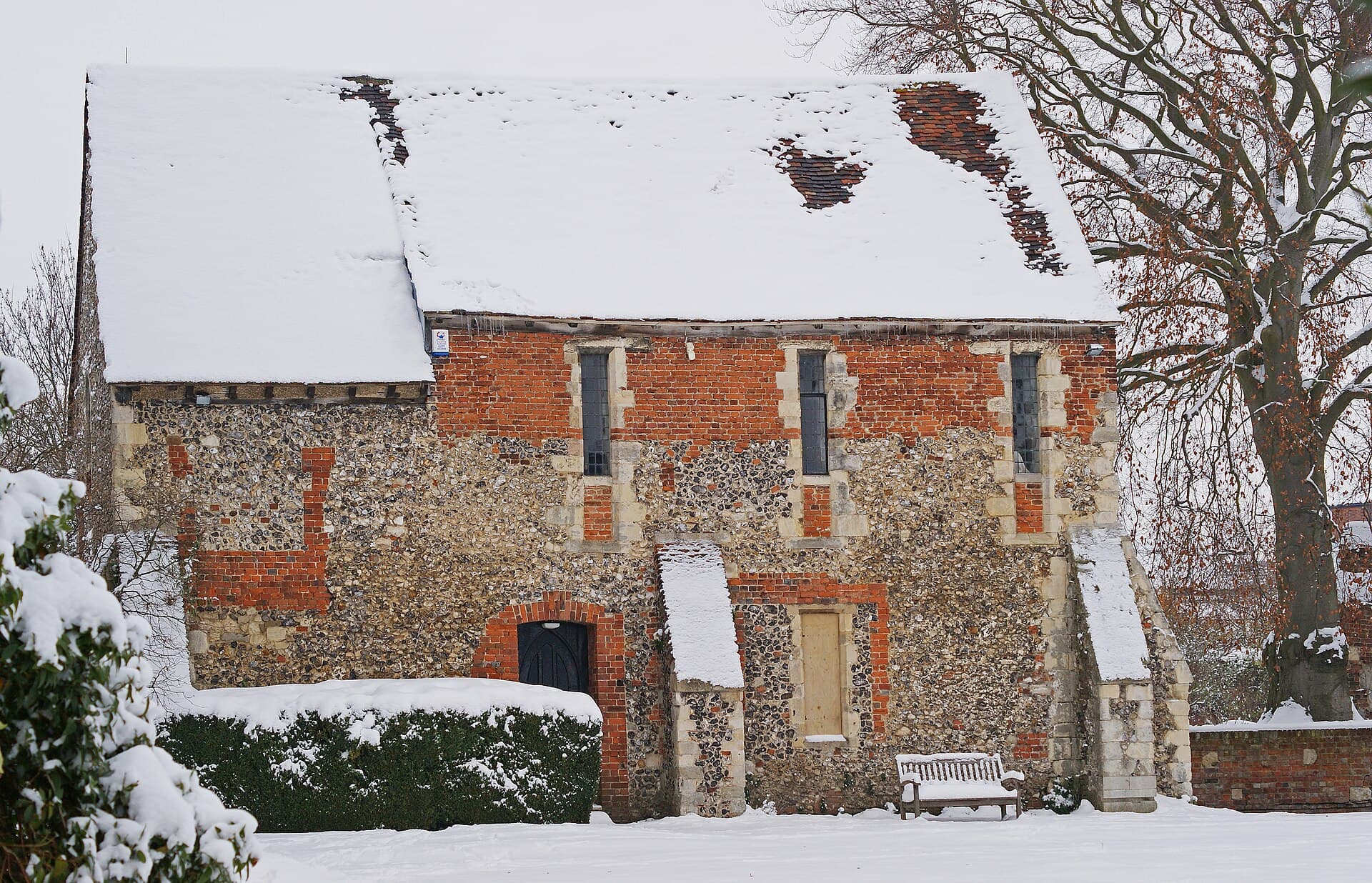 Franciscan Gardens and Greyfriars ChapelA small stone building from the 1200s stands on arches over a branch of the Rive2 minutes walk4.2
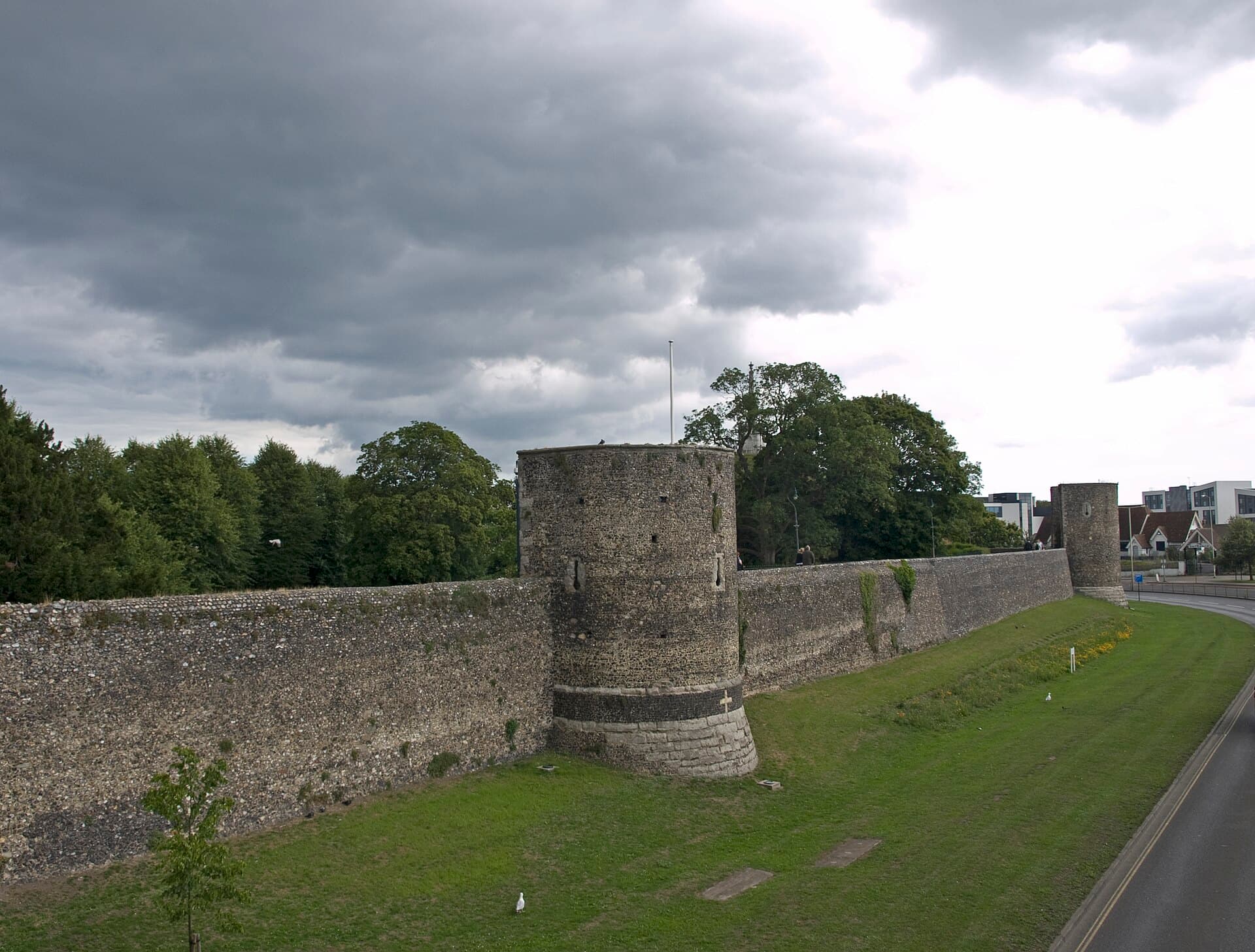 Canterbury City WallsStep out of Canterbury East station and the first thing you meet is not the cath2 minutes walk4.8
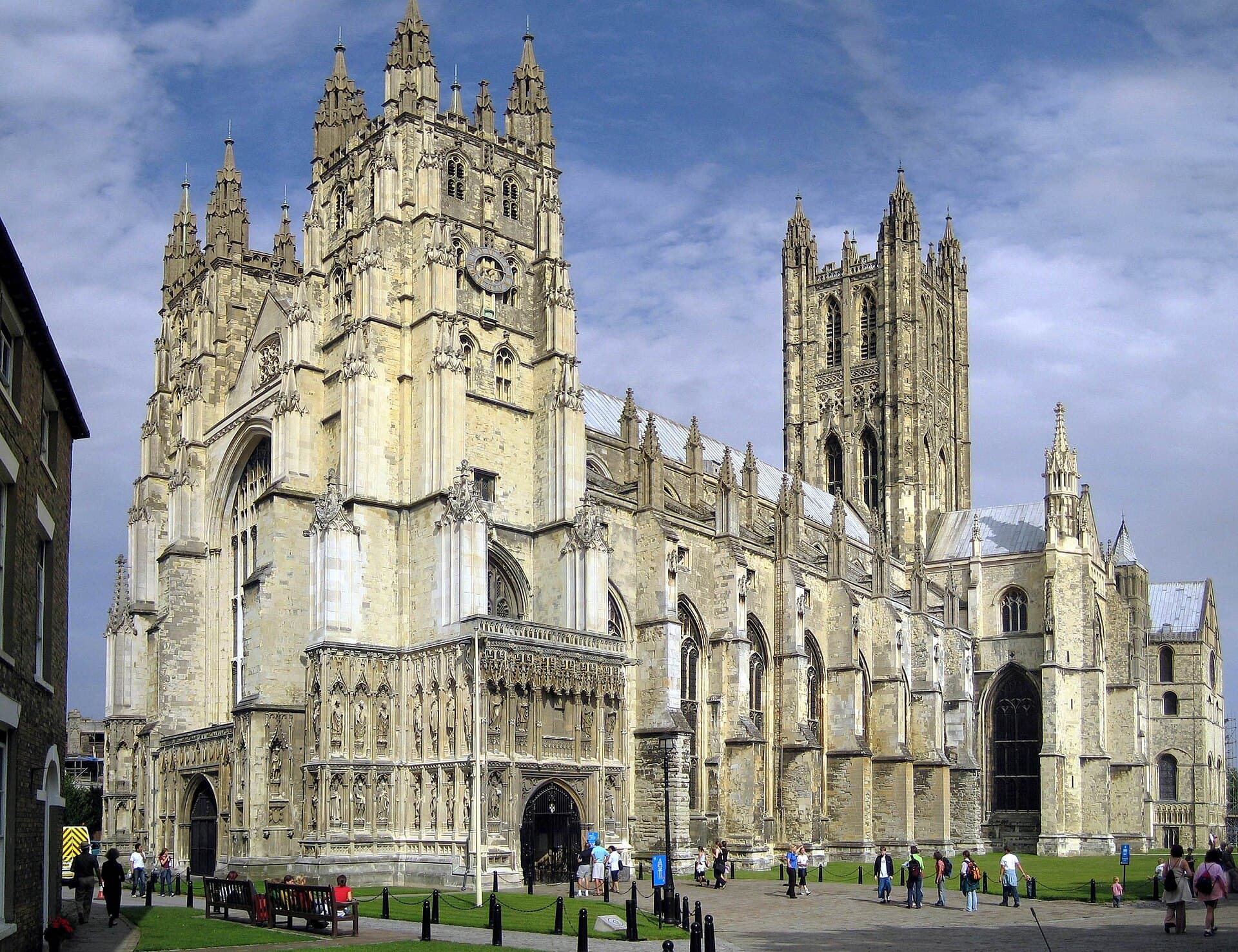 Canterbury CathedralOn a winter evening in 1170 four knights walked into this building and killed Ar3 minutes walk4.7
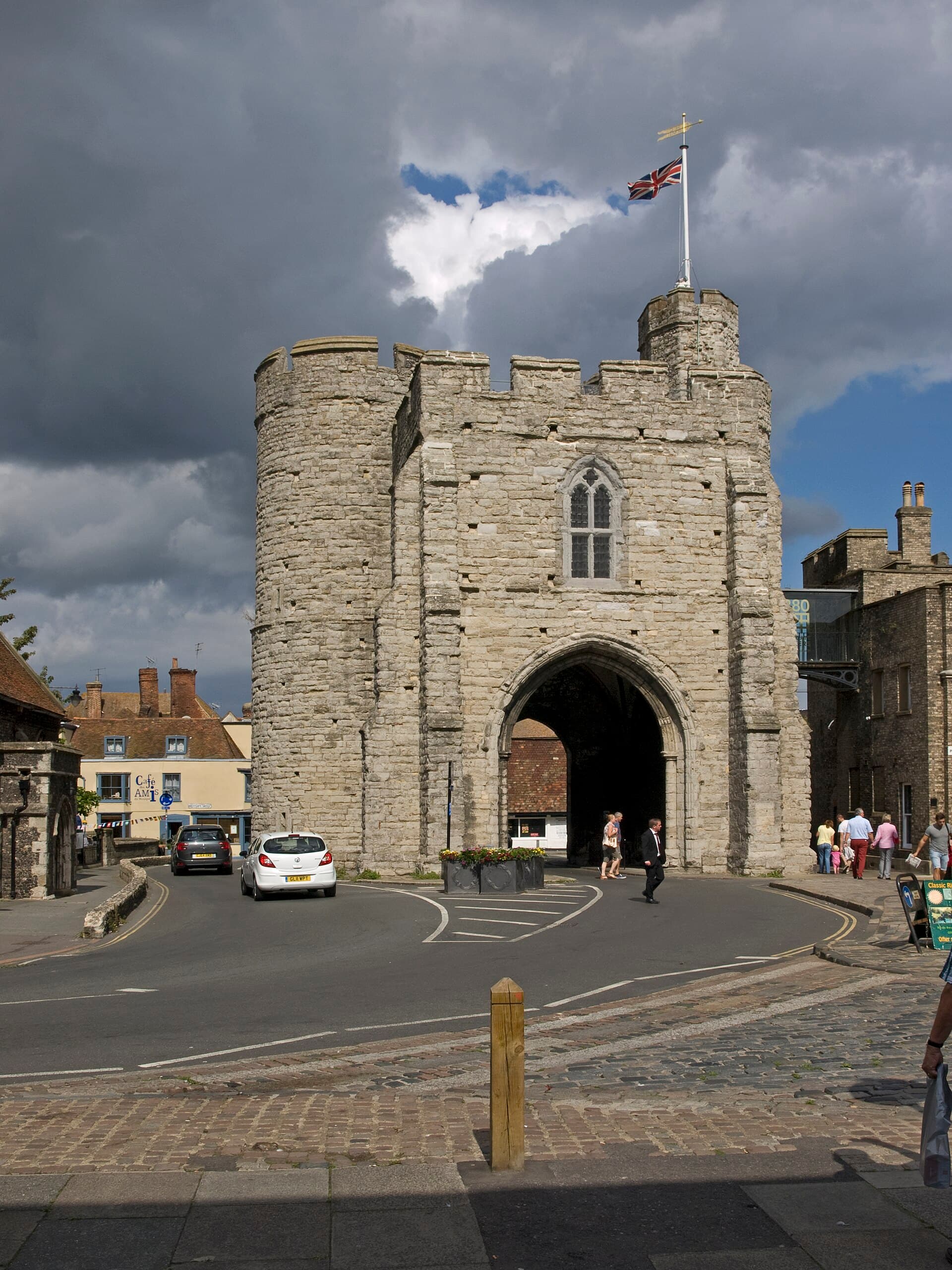 Westgate TowersMedieval Canterbury had seven gates; this is the one still standing, a pair of d4 minutes walk4.6
Not worth a special trip, but not worth skipping when you are already on the High Street: it is free, the Smallfilms Gallery gives children a happy half hour after the hush of the cathedral, and lifts take pushchairs. Give it an hour at most.
No. The permanent galleries are free and unticketed even in the school holidays, and crowds thin quickly. Charges apply only to a handful of special exhibitions, announced on the official site.