
The Dane John wall-walk
The raised section beside the gardens is the finest surviving stretch, with the cathedral towers showing between the rooftops.
Ymblanter — CC BY-SA 4.0 · Tilman2007 — CC BY-SA 4.0 · Tilman2007 — CC BY-SA 4.0 · Tilman2007 — CC BY-SA 4.0
Step out of Canterbury East station and the first thing you meet is not the cathedral but a three-storey wall of dark flint, with a footbridge over the ring road that puts you on a walkway along its top. The wall stands on Roman foundations laid around AD 270, and was rebuilt wholesale from 1378 into the early 1400s with 24 towers and some of the earliest gunports in England. More than half the circuit still stands, with 17 of the medieval towers, and archaeologists rank it among the finest surviving town walls in Britain. The gates fared worse: all were pulled down in the 18th and 19th centuries except the Westgate, which now houses a small museum on a separate ticket. Only one stretch really earns your time: the raised wall-walk from the station, past Dane John Gardens and its steep mound, past the ruined Norman keep of Canterbury Castle, fenced off since 2018 after falling masonry and closed for repairs, round to Burgate and the bus station. It takes 20 to 30 minutes at an easy pace, with the old city on one side, the ring road on the other and the cathedral towers appearing and vanishing between the rooftops. The northern half of the circuit is chopped up by roads and buildings and does not reward the effort, so do not try to complete the loop. It is free and open at all hours, but you reach the walkway by stone steps at several points, so a pushchair will not come up easily. Families do best splitting up: some walk the wall while the rest wait in Dane John Gardens below, which has a playground, a kiosk and a fountain. Children usually prefer climbing the garden's artificial mound to the wall itself. In the summer holidays it is busy but there are no queues; in winter walk before 15:00, as the light goes early and the stones are slippery after rain. Our advice: make this the first thing you do in Canterbury rather than the last. Half an hour on the wall puts the old city's map in your head and shows you where the cathedral, the castle and the high street sit before you disappear into the lanes.
The raised section beside the gardens is the finest surviving stretch, with the cathedral towers showing between the rooftops.
The stone remains of Canterbury Castle sit just below the wall near the station, fenced off since 2018 because of falling masonry, so you see them from the outside as you pass.
The 14th-century towers carry narrow openings designed for cannon, among the earliest of their kind in England.
Dane John Gardens, Canterbury CT1
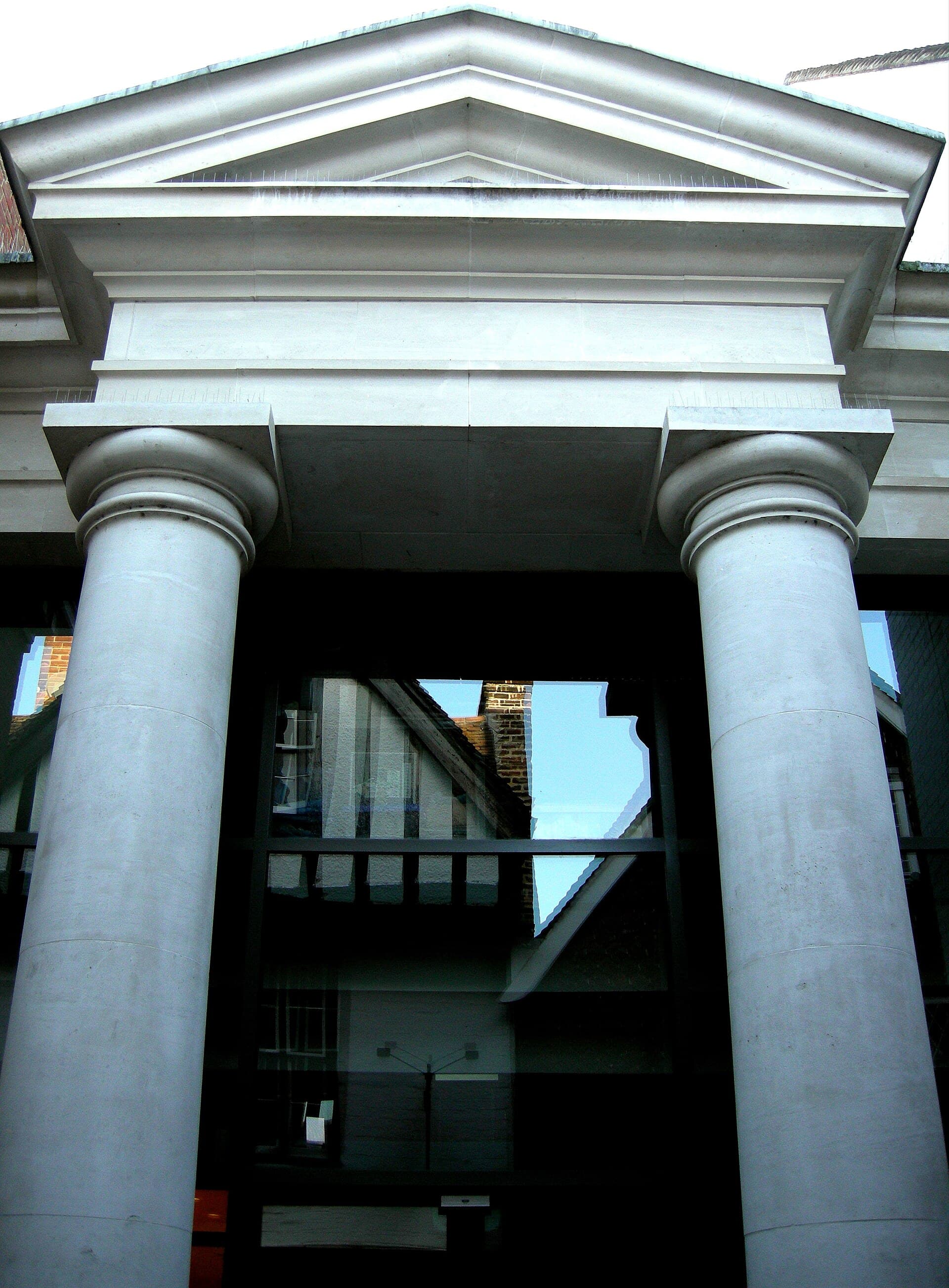 Canterbury Roman MuseumA few metres beneath the shoppers on Butchery Lane lies a Roman mosaic floor tha1 minute walk4.4
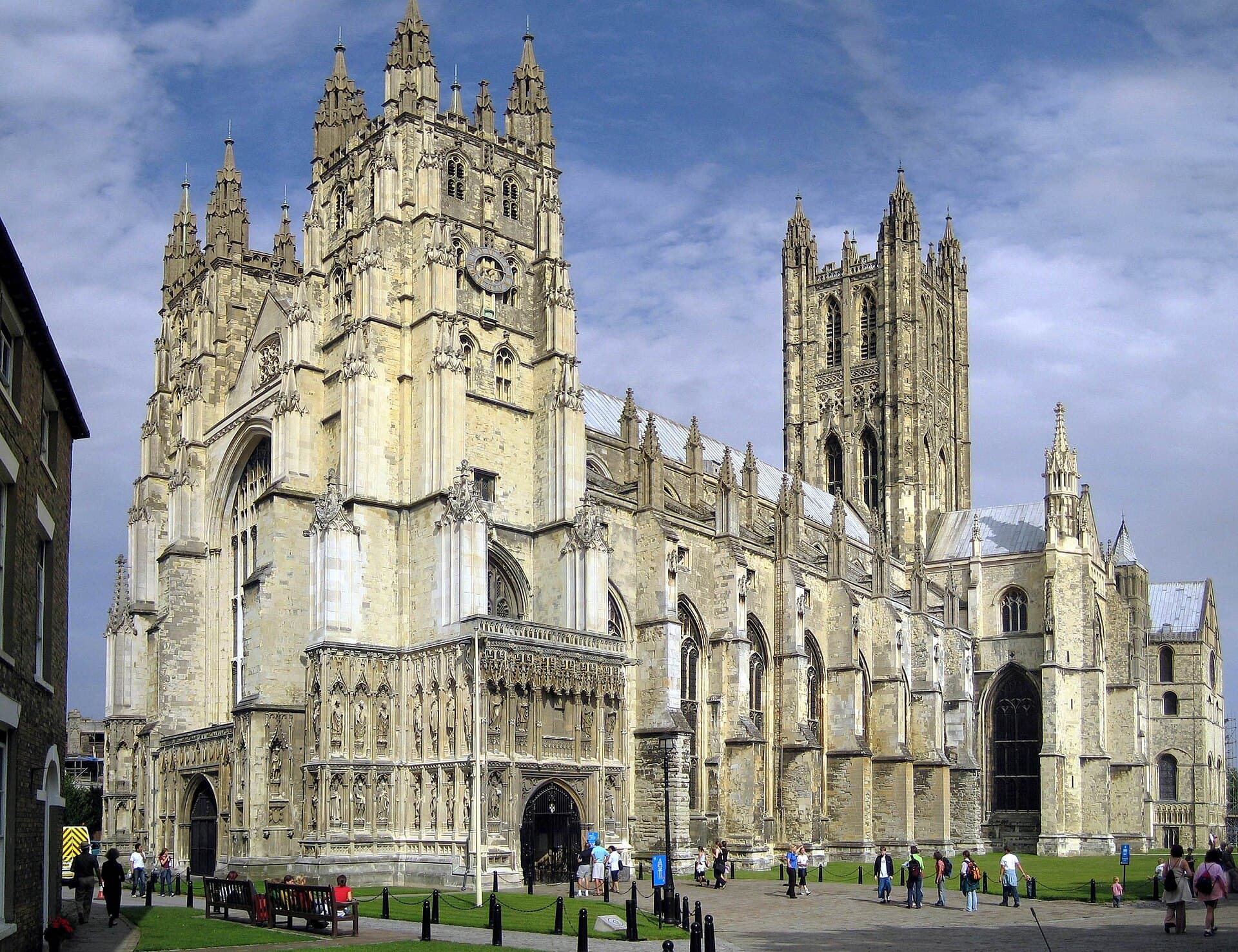 Canterbury CathedralOn a winter evening in 1170 four knights walked into this building and killed Ar2 minutes walk4.7
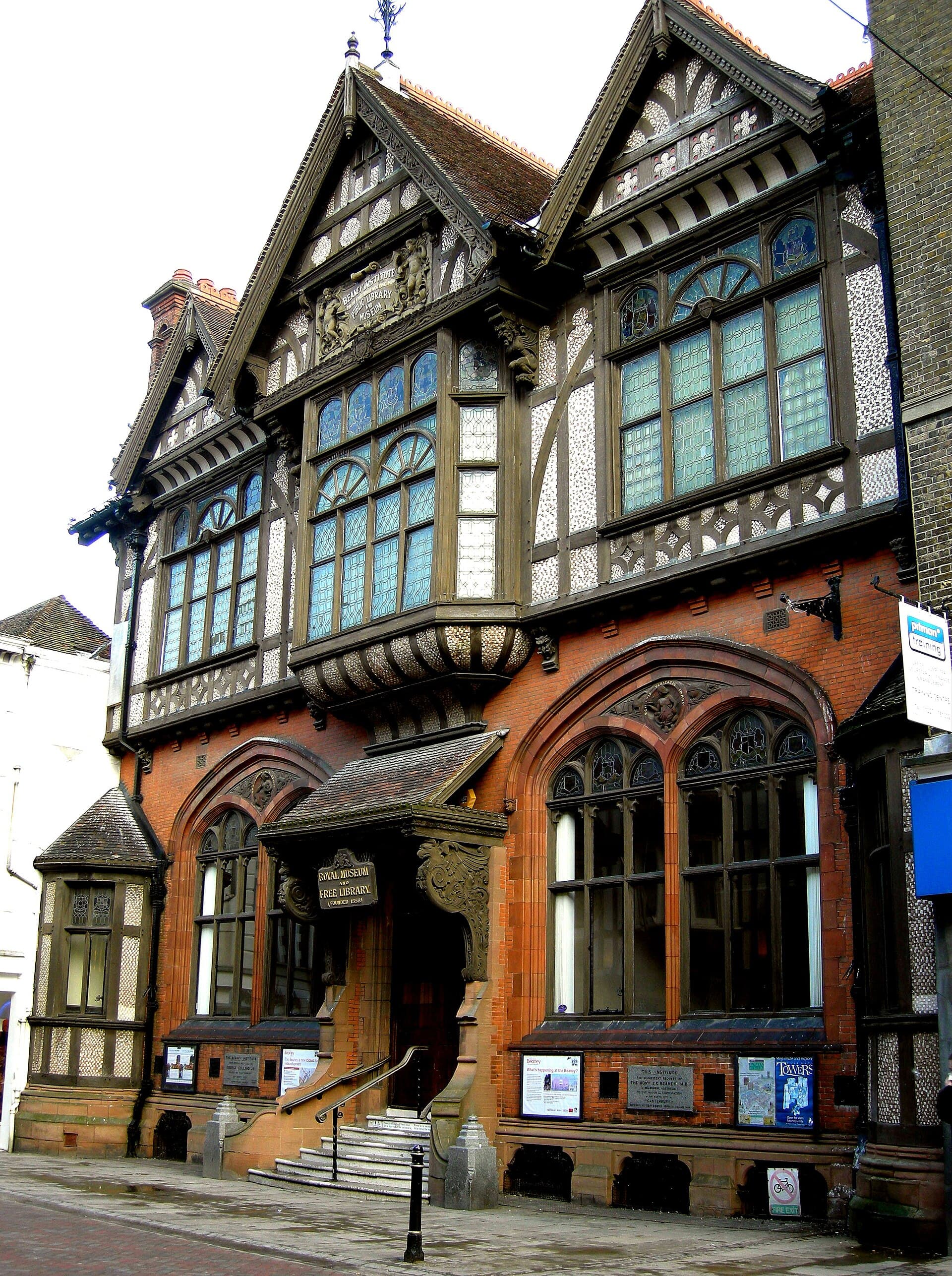 The Beaney House of Art & KnowledgeOne of the handsomest frontages on Canterbury's High Street was paid for by a co2 minutes walk4.5
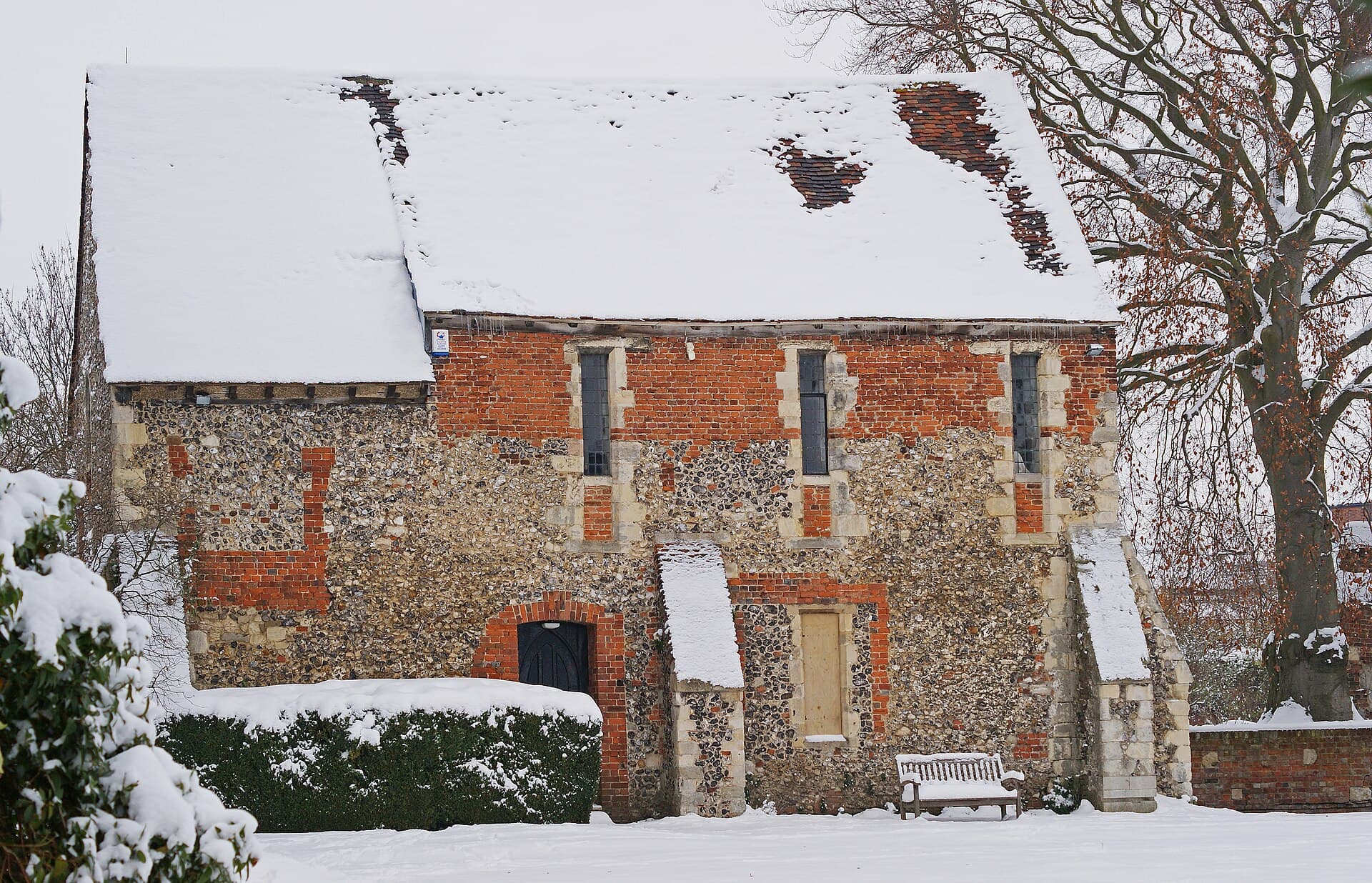 Franciscan Gardens and Greyfriars ChapelA small stone building from the 1200s stands on arches over a branch of the Rive4 minutes walk4.2
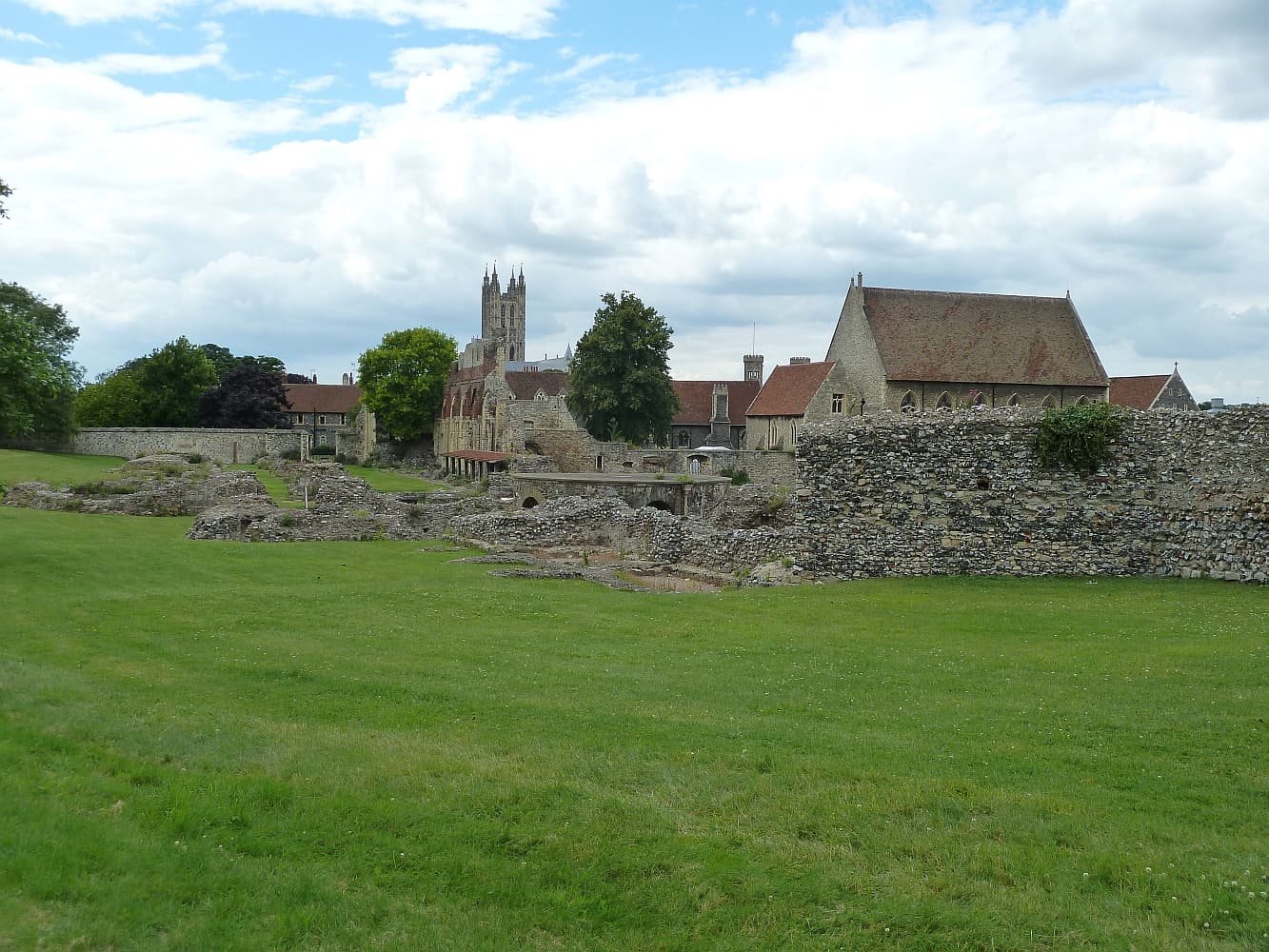 St Augustine's AbbeyThe first Christian king of Anglo-Saxon England was buried here, and so was the 6 minutes walk4.4
No. Unlike York, only about half of Canterbury's circuit survives, and the northern half is broken up by roads and not worth the effort. Stick to the section from Canterbury East station to Burgate, which is the finest and the easiest.
The walkway itself is raised, railed and safe, but you reach it by stone steps, so a pushchair will not manage. Whoever has a toddler is better off staying in Dane John Gardens below, where there is a playground and a mound the children love climbing.