
The mosaic in situ
A Roman floor laid around AD 300 that has never been lifted, one of the few you can see beneath a modern British street exactly where it was made.
Linda Spashett (Storye book) — CC BY 3.0 · FrDr — CC BY-SA 4.0 · FrDr — CC BY-SA 4.0 · FrDr — CC BY-SA 4.0
A few metres beneath the shoppers on Butchery Lane lies a Roman mosaic floor that has not moved in about seventeen centuries. It was found not by an archaeologist but by a German bomb: when this corner of Canterbury was flattened in the 1942 raids, the remains of a wealthy Roman town house surfaced in the rubble, and the city chose to build a museum around them rather than lift them out. You descend by lift or stairs to the old Roman street level, each step standing for roughly a century of accumulated city, and that descent alone teaches children what 'layers of history' means better than any wall panel. The mosaic, laid around AD 300, and the remains of the underfloor heating system, the hypocaust, are the heart of the visit. Around them sit finds from Durovernum Cantiacorum, the Roman town that preceded Canterbury: glassware, silver, coins and the small change of daily life, plus a reconstructed Roman market and town-house kitchen. What makes the place work for families is the handling tables: genuine Roman artefacts you can pick up, with a guide to identifying them, and hands-on activities pitched at children. A seven-year-old will leave satisfied; a teenager less so. Be honest about it: the museum is small, the display style is dated, and at GBP 11 an adult the ticket feels steep for what you see in an hour. If you are in Canterbury for the cathedral with only half a day, you can skip this without missing anything important. If you are giving the town a full day, or looking for somewhere dry and warm when the Kent rain sets in, it sits two minutes from the cathedral gate and earns its hour. Open every day of the week, 10:00 to 17:00, last entry 16:30, with no weekly closing day. Booking online is recommended rather than required, but in the British summer holidays it is worth doing to guarantee entry. Once you are down the lift the galleries are on one level, so pushchairs and wheelchairs manage easily, and there is an accessible toilet with a baby-changing unit. There is no cafe inside, but the whole old town is on the doorstep. From Canterbury East station it is about a ten-minute walk; from Canterbury West, twelve to fifteen.
A Roman floor laid around AD 300 that has never been lifted, one of the few you can see beneath a modern British street exactly where it was made.
The remains of the underfloor heating that warmed the house, explained simply enough for children to follow.
Real Roman artefacts to hold with a guide to identifying them, plus hands-on activities, the best part of the museum for families.
Butchery Lane, Canterbury CT1 2JR
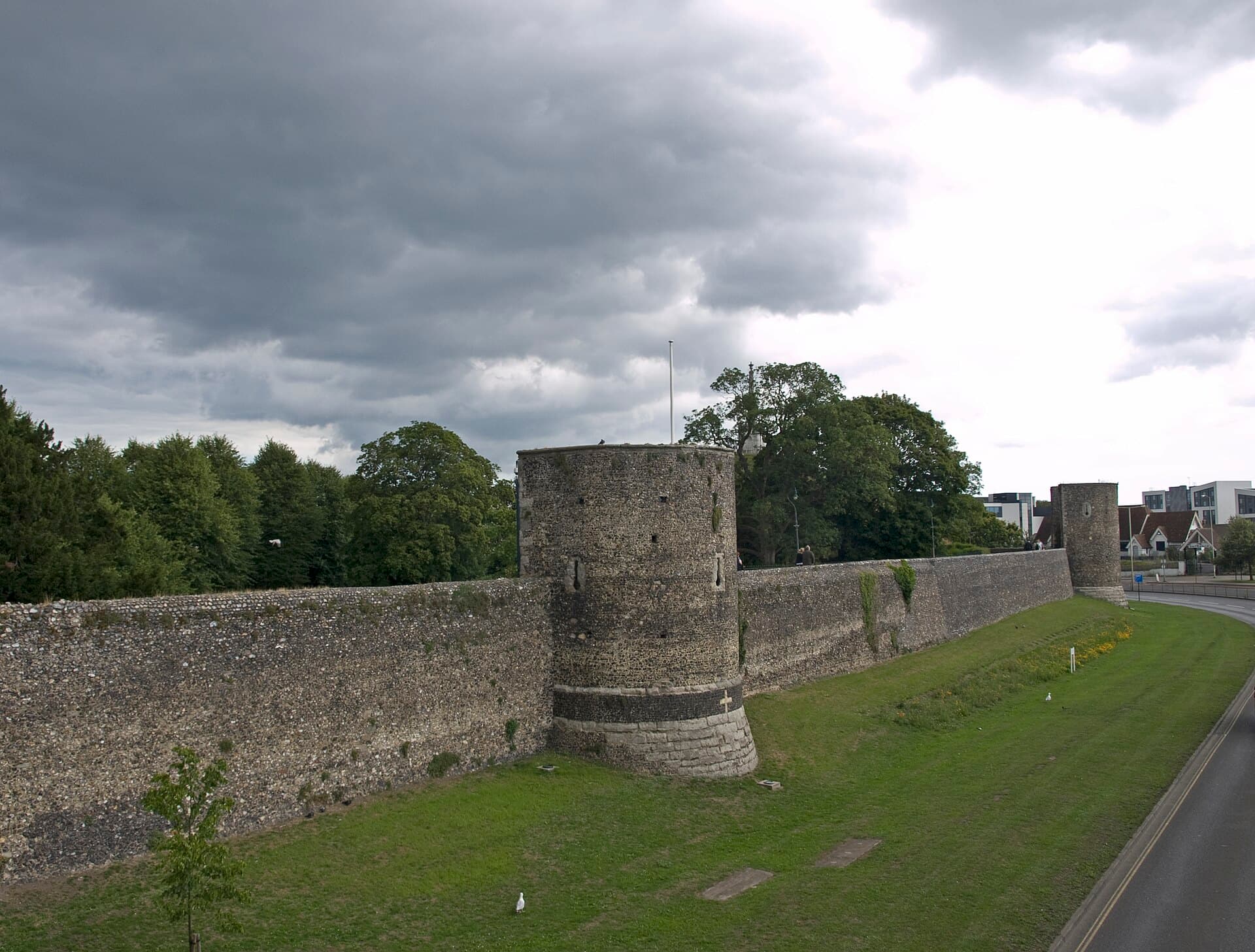 Canterbury City WallsStep out of Canterbury East station and the first thing you meet is not the cath1 minute walk4.8
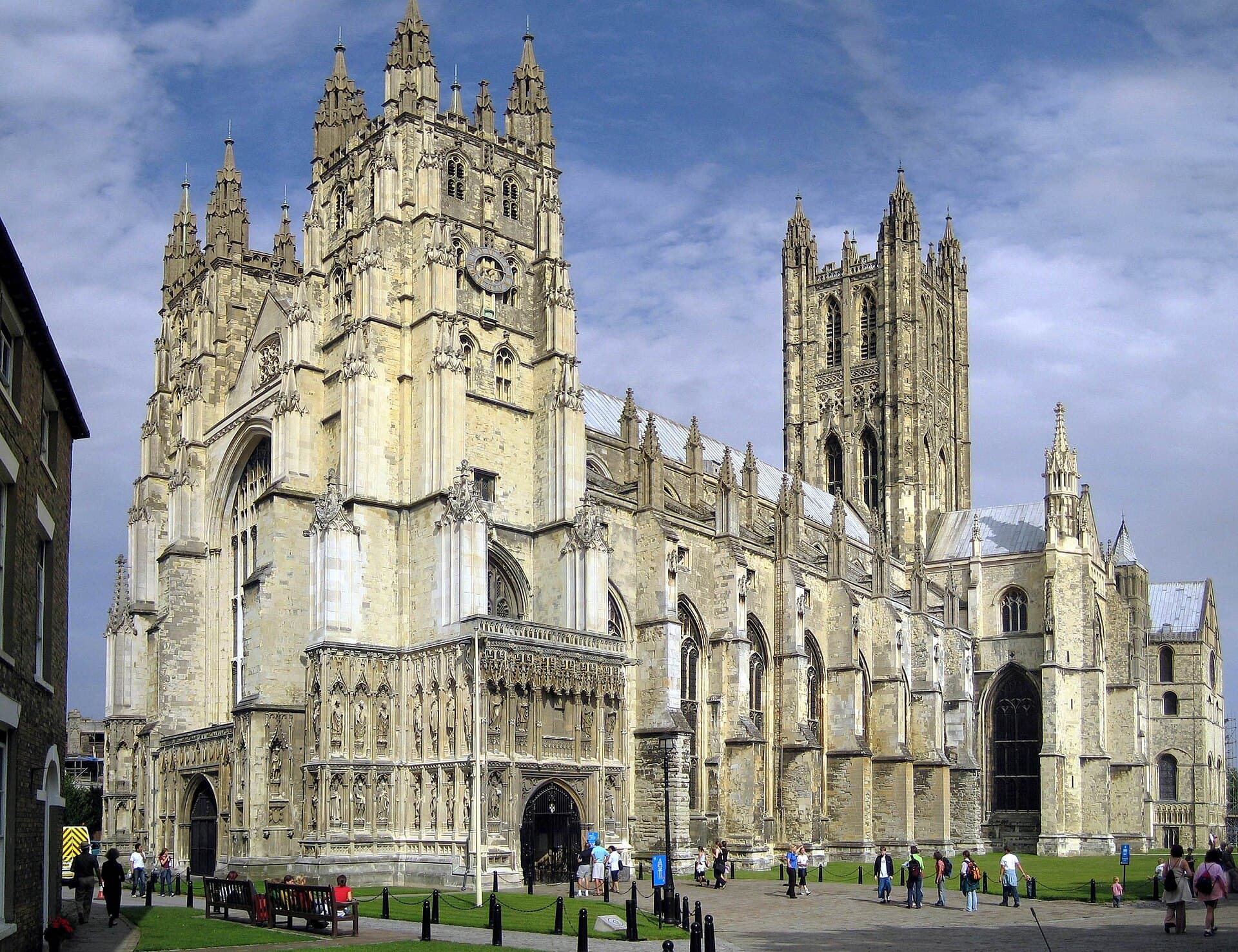 Canterbury CathedralOn a winter evening in 1170 four knights walked into this building and killed Ar2 minutes walk4.7
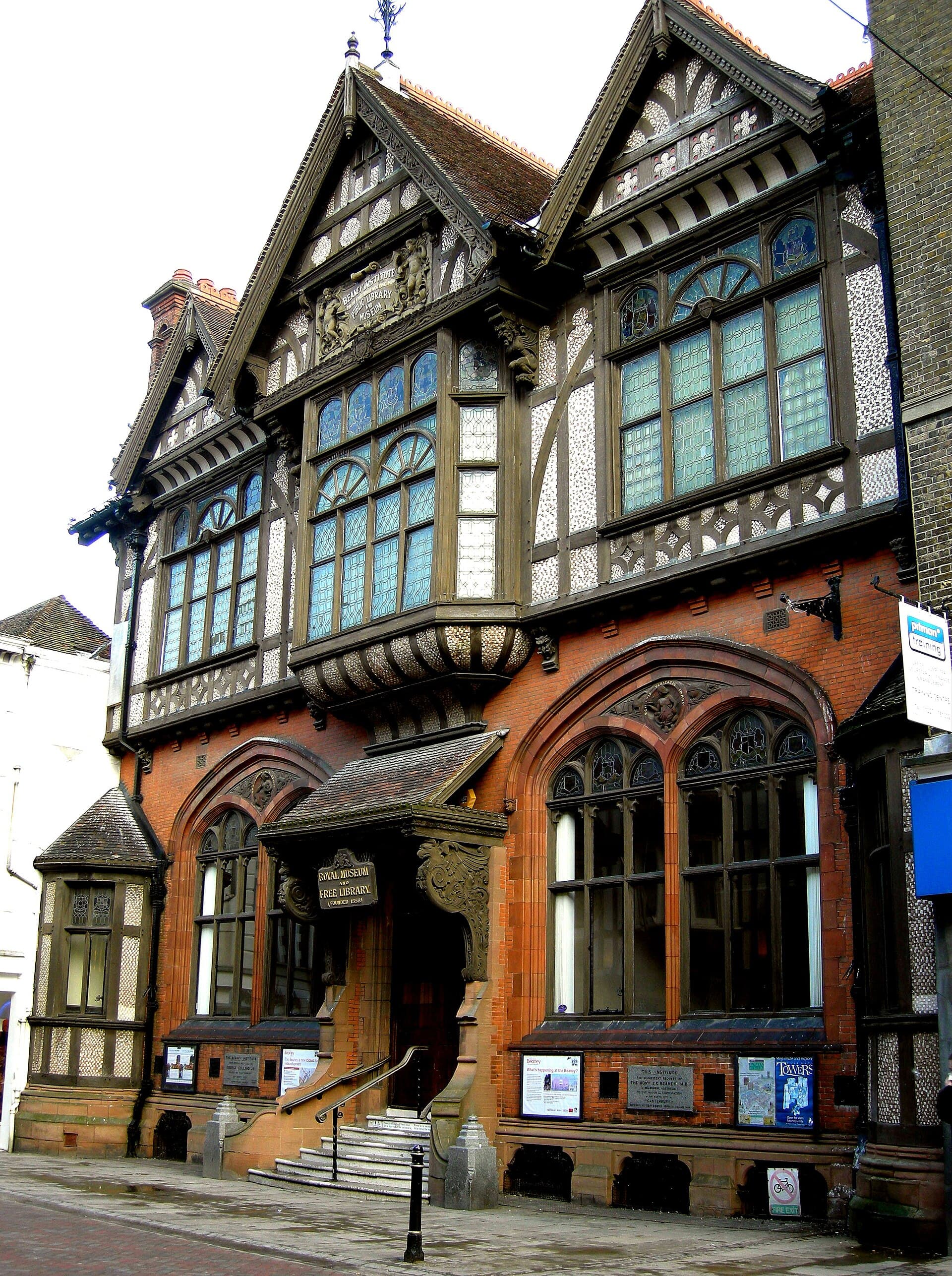 The Beaney House of Art & KnowledgeOne of the handsomest frontages on Canterbury's High Street was paid for by a co2 minutes walk4.5
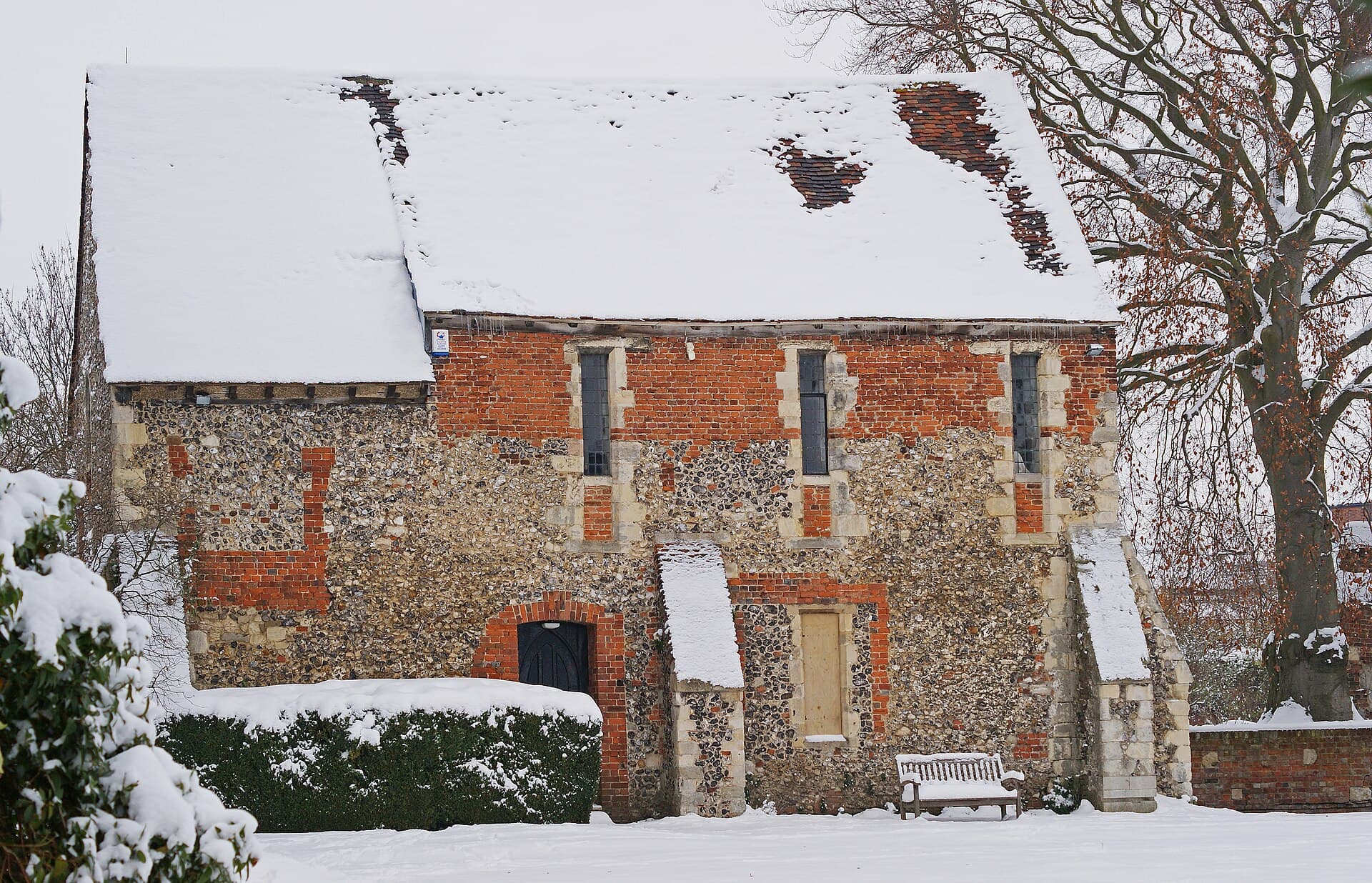 Franciscan Gardens and Greyfriars ChapelA small stone building from the 1200s stands on arches over a branch of the Rive4 minutes walk4.2
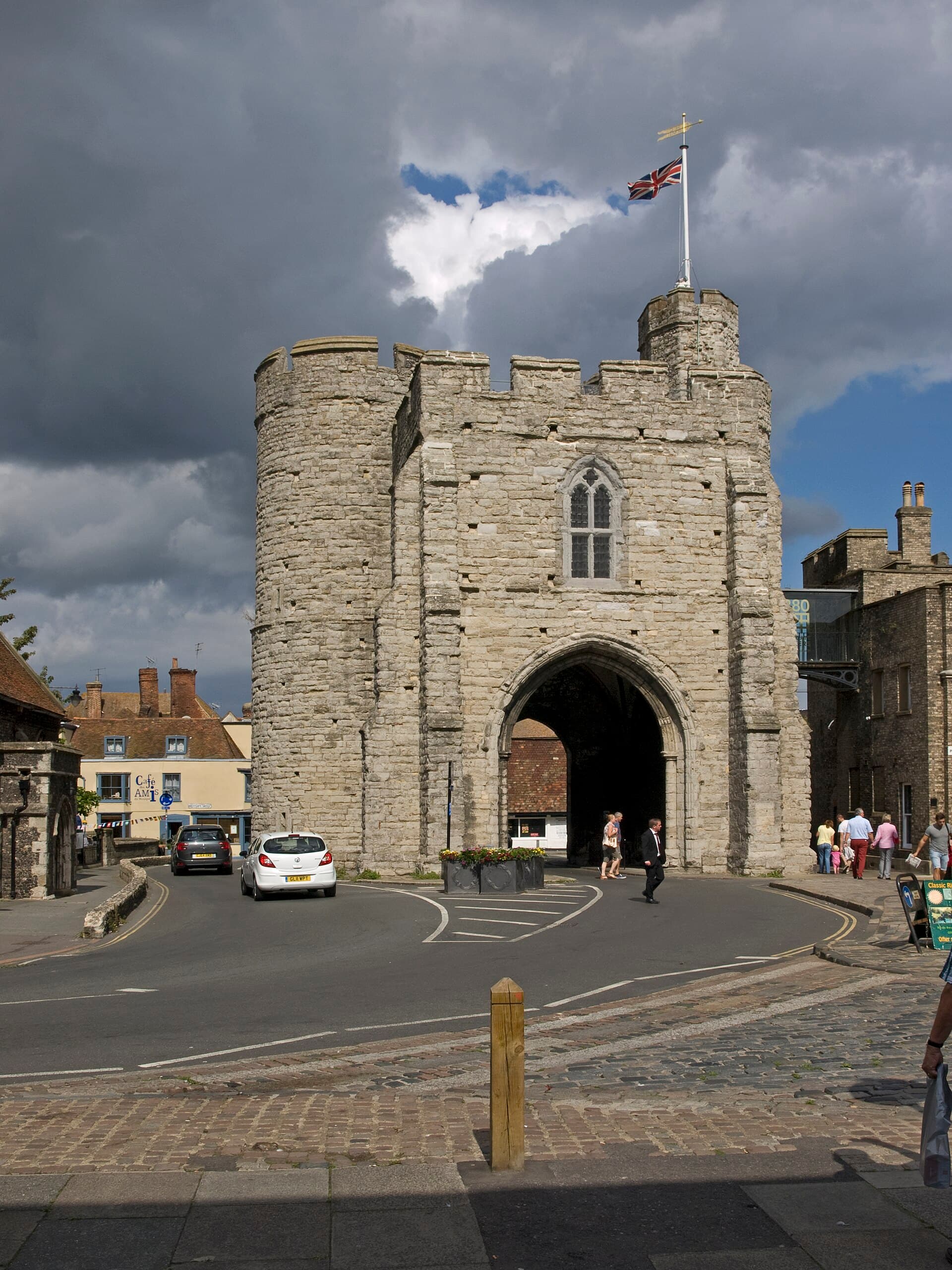 Westgate TowersMedieval Canterbury had seven gates; this is the one still standing, a pair of d6 minutes walk4.6
Not really, if you only have half a day; the cathedral is enough. The museum makes sense with a full day in town, with children aged roughly 5 to 10 who enjoy hands-on displays, or when the rain arrives and you need an hour indoors.
Yes. A lift takes you down to museum level and the galleries are then all on one floor, with an accessible toilet and baby-changing unit. Check the website first, as the lift is occasionally closed for a day of maintenance, leaving only the stairs.