
The Martyrdom and Becket's candle
The spot where Thomas Becket was killed, beneath a sculpture of jagged swords, and a lone candle on the bare floor where his shrine stood until Henry VIII removed it.
Hans Musil — CC BY-SA 4.0 · Tilman2007 — CC BY-SA 4.0 · Michael Garlick — CC BY-SA 2.0 · Michael Garlick — CC BY-SA 2.0
On a winter evening in 1170 four knights walked into this building and killed Archbishop Thomas Becket in its north-west transept. The spot is still there: it is called the Martyrdom, and a modern sculpture of jagged sword blades hangs above it. Becket could not have guessed he would still be the most famous person in the room eight and a half centuries later, but that murder is what turned a provincial church into medieval England's greatest pilgrimage site, gave Chaucer his Canterbury Tales and, frankly, is the reason you are paying for a ticket today. The building itself is layer on layer: a vast Norman crypt built around 1100, whose column capitals crawl with beasts and geometry, a late-Gothic nave that hauls your eyes upward whether you like it or not, and the Bell Harry tower, roughly 72 metres, which you will keep catching from every corner of the town. The medieval stained glass is among the oldest surviving in England, and the Miracle Windows in the Trinity Chapel record what pilgrims believed happened at Becket's tomb. The shrine itself was removed under Henry VIII in 1538; a single candle now burns on an empty patch of floor where it stood, and the emptiness says more than any statue would. Photography is not permitted in the crypt, so treat that as an invitation to look rather than to shoot. Practicalities: prices are seasonal, GBP 18 from October to March, 19.50 from April to September and 21 on July and August weekends, which is exactly when Gulf families tend to be here. The big saving is that children under 17 go free (two per paying adult) and the ticket is an annual pass, valid for a full year of return visits. Booking online costs the same as the gate but gives you a fast-track lane at Christ Church Gate on the Buttermarket, and at midday in August you will be glad of it. Sunday opens late (the church itself from 12:30) and parts close without warning for services, events and conservation work, so check the website the morning you go. The route between nave, crypt and Trinity Chapel is all steps; a pushchair copes in the nave and struggles elsewhere, and there are no toilets inside the church, only in the precincts. Worth a day out of London? If you are going to see one English cathedral, this is the one, and it beats Westminster Abbey on calm, on crowds and on the real cost for a family. The high-speed train from St Pancras reaches Canterbury West in about an hour, then it is a ten to fifteen minute walk; by car allow ninety minutes to two hours down the M2, and since precinct parking is for Blue Badge holders only, use the city car parks or the park-and-ride. Winter here means daylight fading before four and damp stone, but the cathedral is nearly empty, and that is the best time to see it the way the pilgrims did.
The spot where Thomas Becket was killed, beneath a sculpture of jagged swords, and a lone candle on the bare floor where his shrine stood until Henry VIII removed it.
One of the largest Norman crypts in England, built around 1100, its capitals carved with beasts and patterns; photography is not permitted inside, so slow down and look.
Twelfth-century stained glass among the oldest in England, and the Trinity Chapel windows recording the cures pilgrims believed they found at the tomb.
The Precincts, Canterbury CT1 2EH
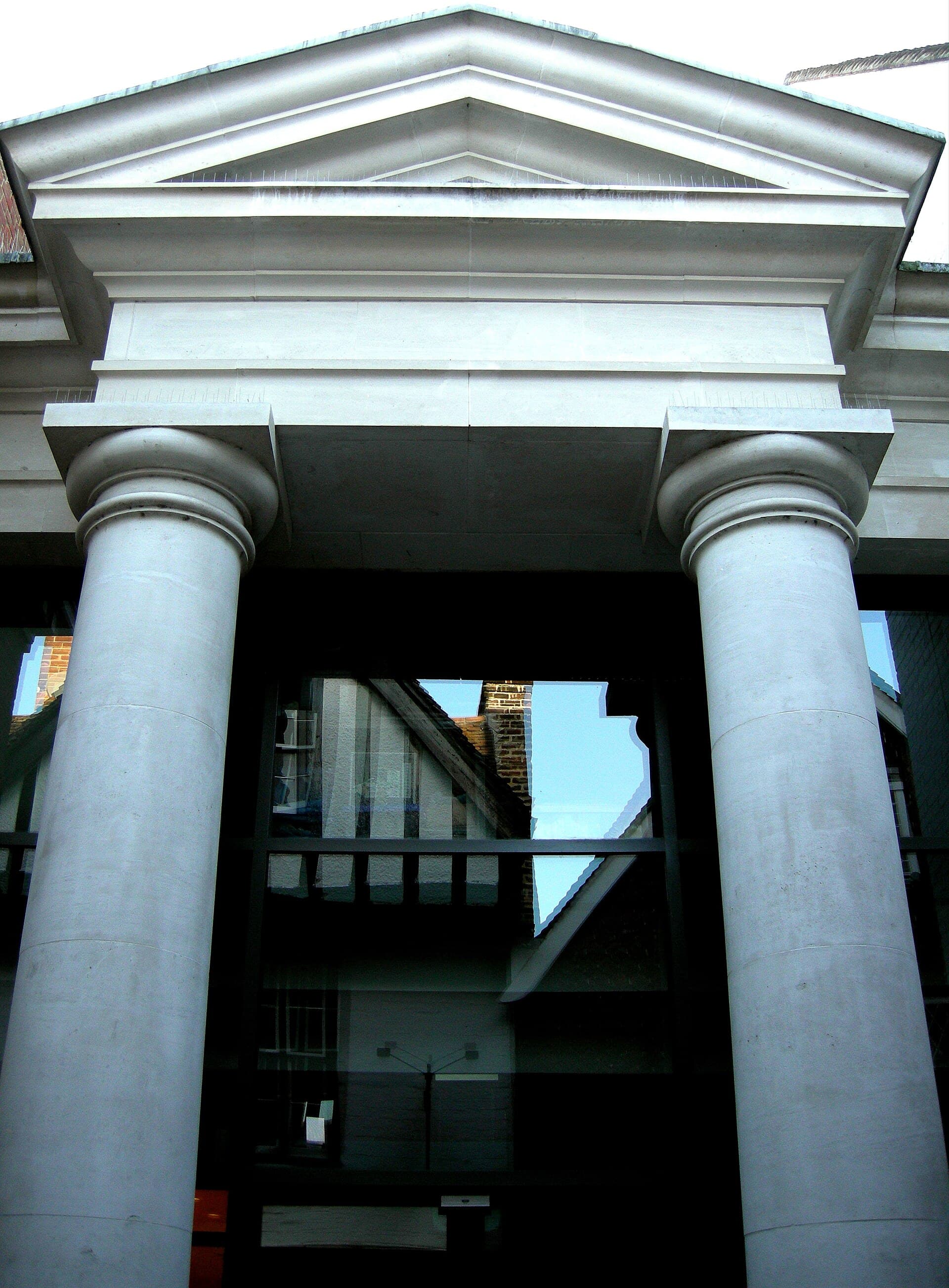 Canterbury Roman MuseumA few metres beneath the shoppers on Butchery Lane lies a Roman mosaic floor tha2 minutes walk4.4
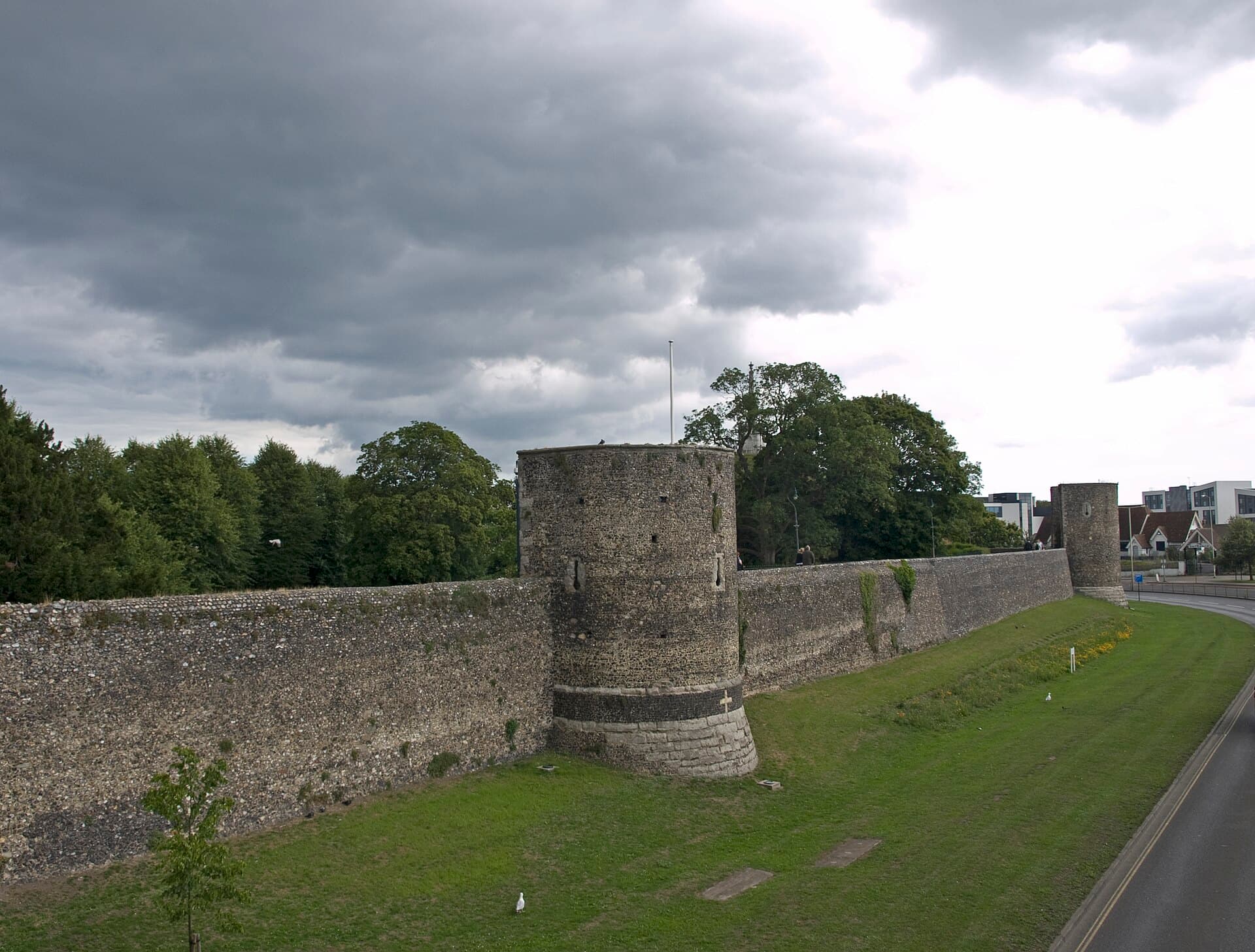 Canterbury City WallsStep out of Canterbury East station and the first thing you meet is not the cath2 minutes walk4.8
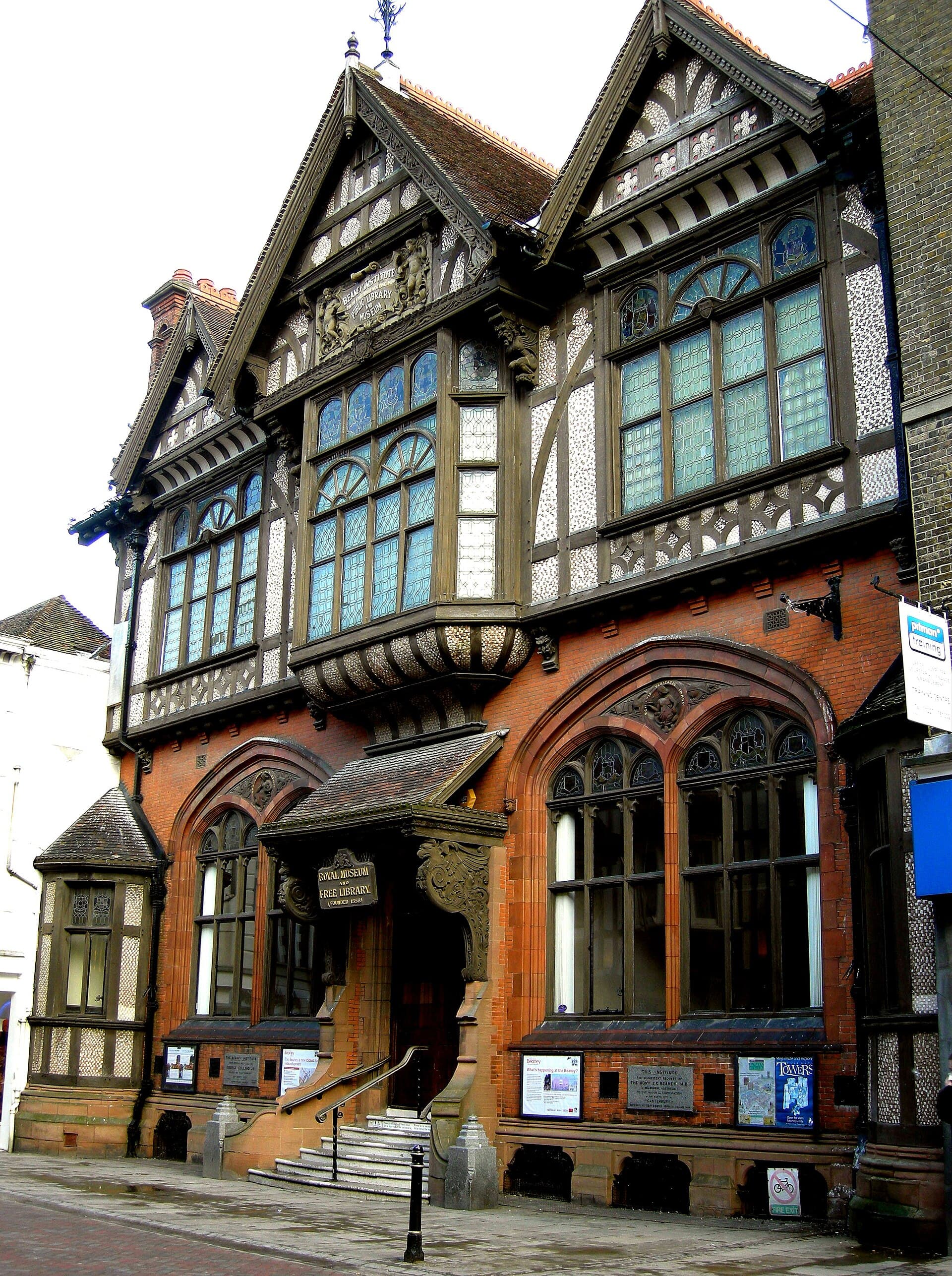 The Beaney House of Art & KnowledgeOne of the handsomest frontages on Canterbury's High Street was paid for by a co3 minutes walk4.5
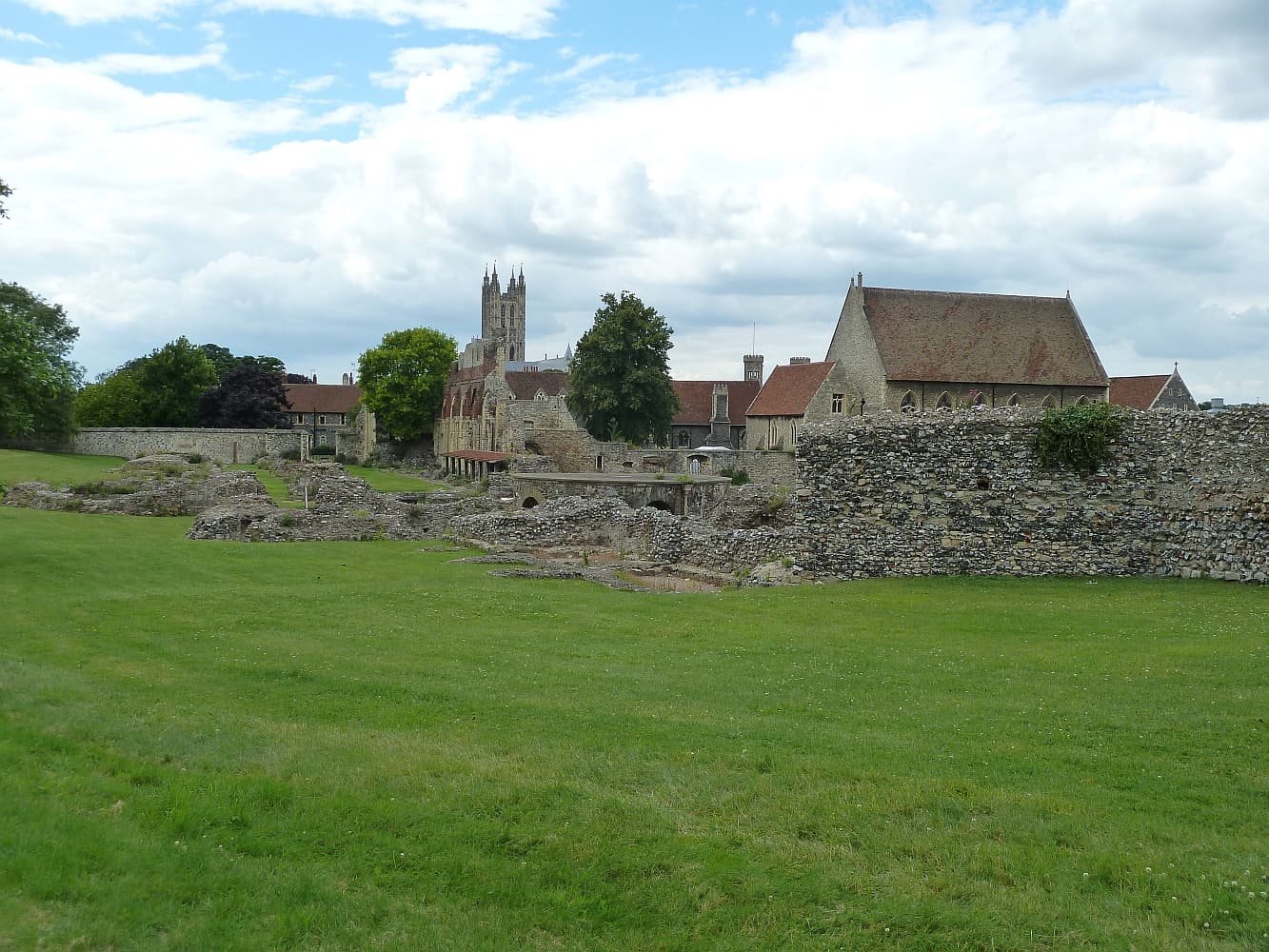 St Augustine's AbbeyThe first Christian king of Anglo-Saxon England was buried here, and so was the 5 minutes walk4.4
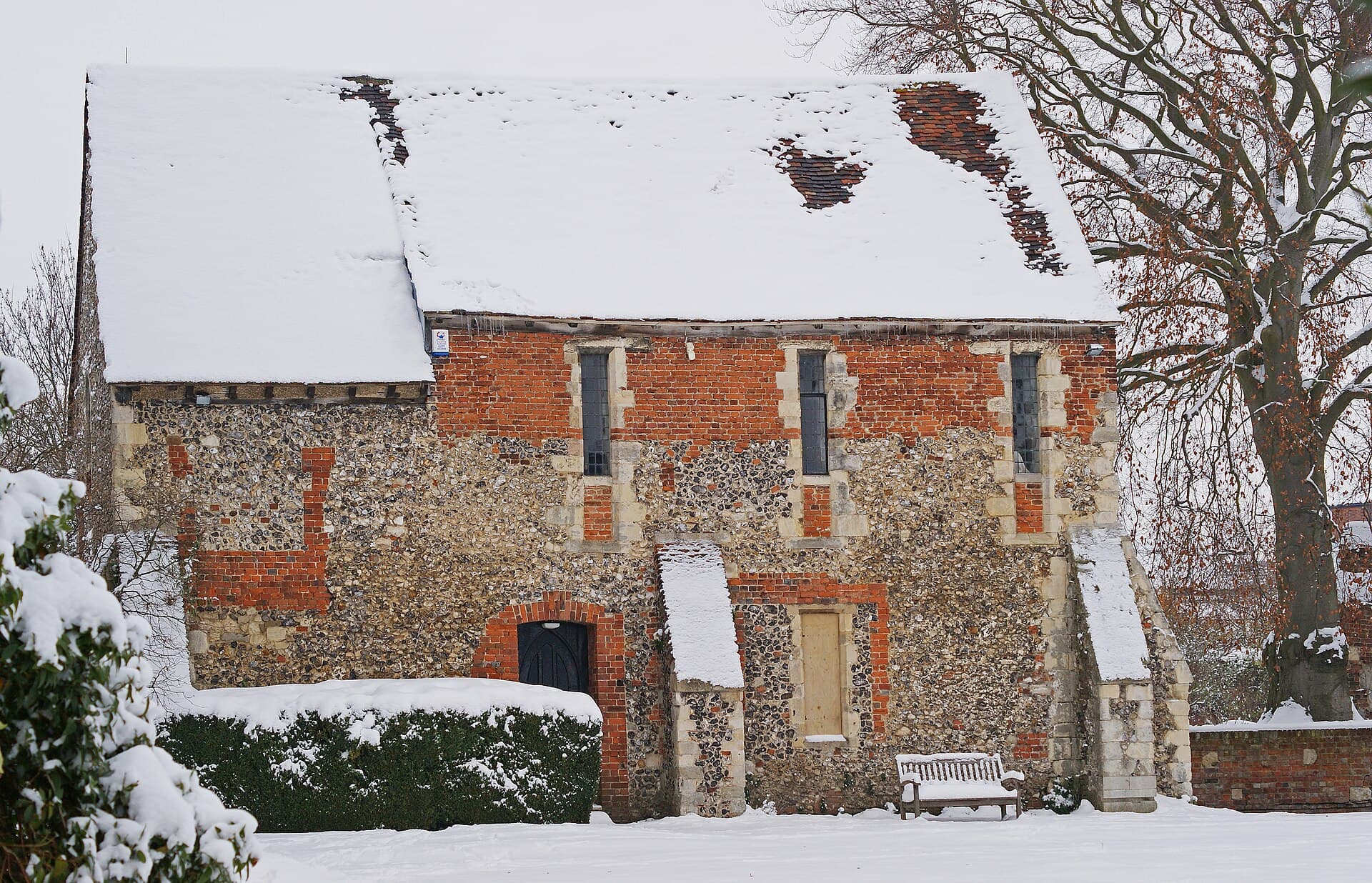 Franciscan Gardens and Greyfriars ChapelA small stone building from the 1200s stands on arches over a branch of the Rive6 minutes walk4.2
If cathedrals are not your thing, Westminster is enough. If you want the finer and calmer one, Canterbury wins: fewer crowds, an unhurried visit, children free, and the fast train from St Pancras takes about an hour. Make it a full day with the old town and the river rather than a dash.
Yes, attending any service is free, and Choral Evensong at 17:30 most days puts you in the heart of the church with the music for nothing. But you sit rather than wander, so no crypt and no Trinity Chapel; if you want to explore, you need the ticket.