
The Chéret room
The colour poster's father in his city — Belle Époque joy.
Miniwark — CC BY-SA 3.0 · Agence Rol. Agence photographique (commanditaire) — Public domain · Agence Rol. Agence photographique (commanditaire) — Public domain · Agence Rol. Agence photographique (commanditaire) — Public domain
The Fine Arts Museum of Nice fills a Russian princess's grand villa (1878) in the quiet Baumettes quarter — the building itself the splendour of the Belle Époque, when Nice was the winter of Europe's and Russia's nobility. Today it shows four centuries of European painting in the palace's salons: Italian Baroque to the Impressionists. Its strength is its sons: the Jules Chéret room — father of the coloured art poster, who lived and died in Nice — works by the Niçois Carle Van Loo, sculpture by Rodin and Carpeaux, and paintings by Monet, Sisley and Degas. A mid-sized, polished collection, without Paris's crowds or queues. Entry is free (like all Nice municipal museums) — a quiet artistic refuge in the beach city, a walk from the Promenade des Anglais.
The colour poster's father in his city — Belle Époque joy.
The 1878 palace itself a Belle Époque treasure.
Monet, Sisley and Degas without Paris's crowds.
33 avenue des Baumettes, 06000 Nice
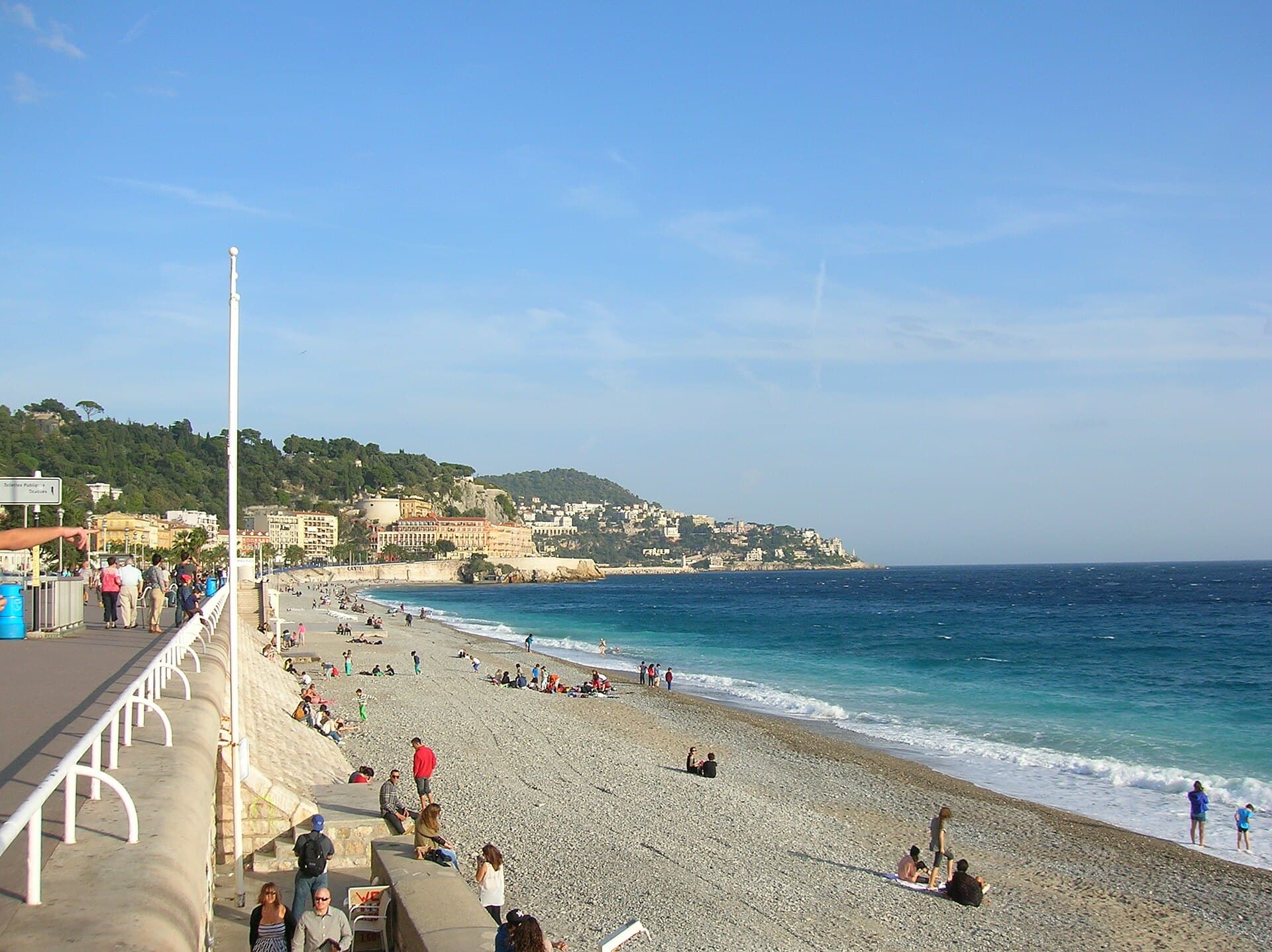 Promenade des AnglaisThe "Walk of the English" is Nice's seafront and its symbol: seven kilometres of5 minutes walk4.6
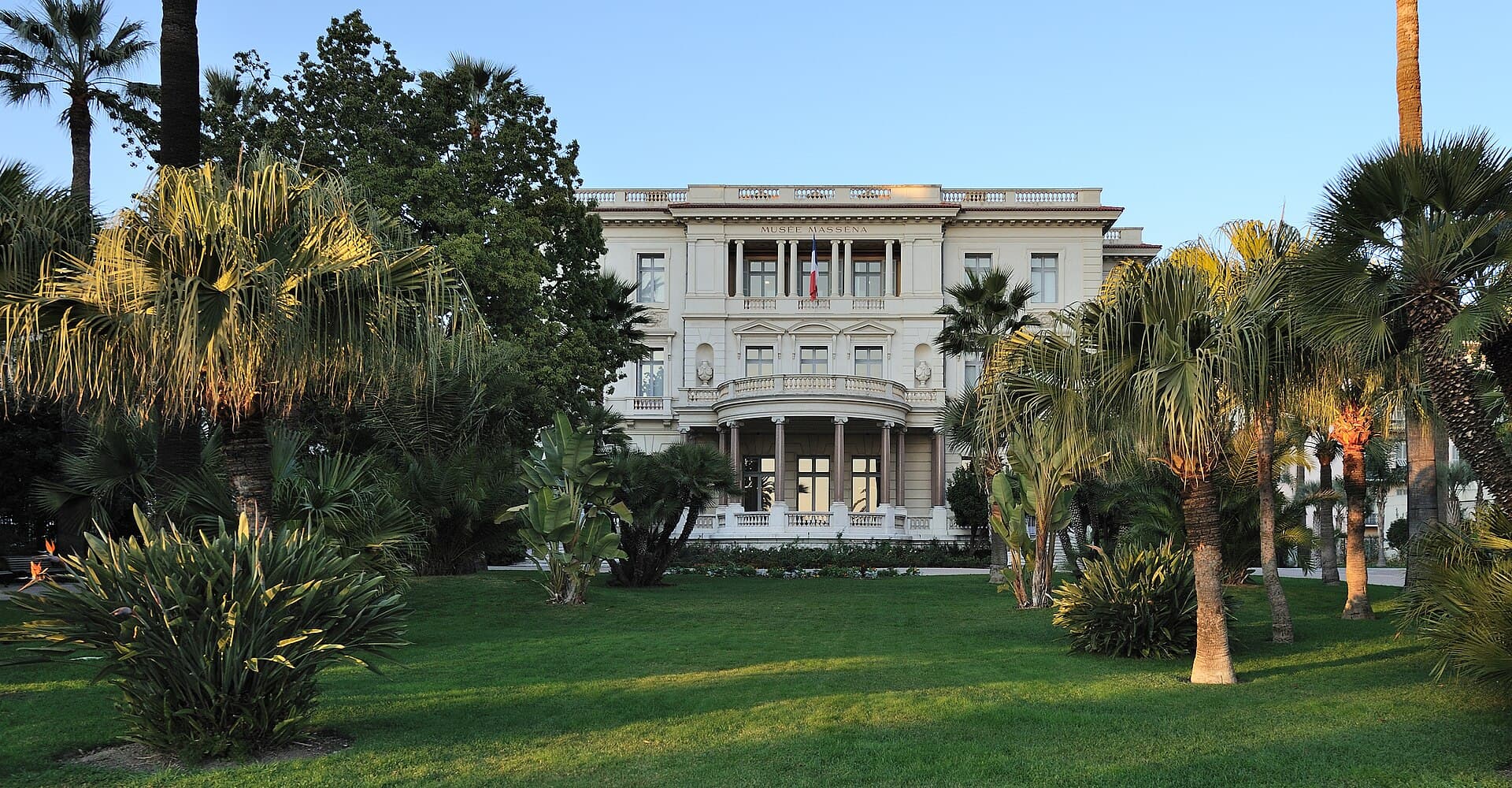 Musée MassénaThe Villa Masséna stands right on the Promenade des Anglais beside the famous Ne10 minutes walk4.4
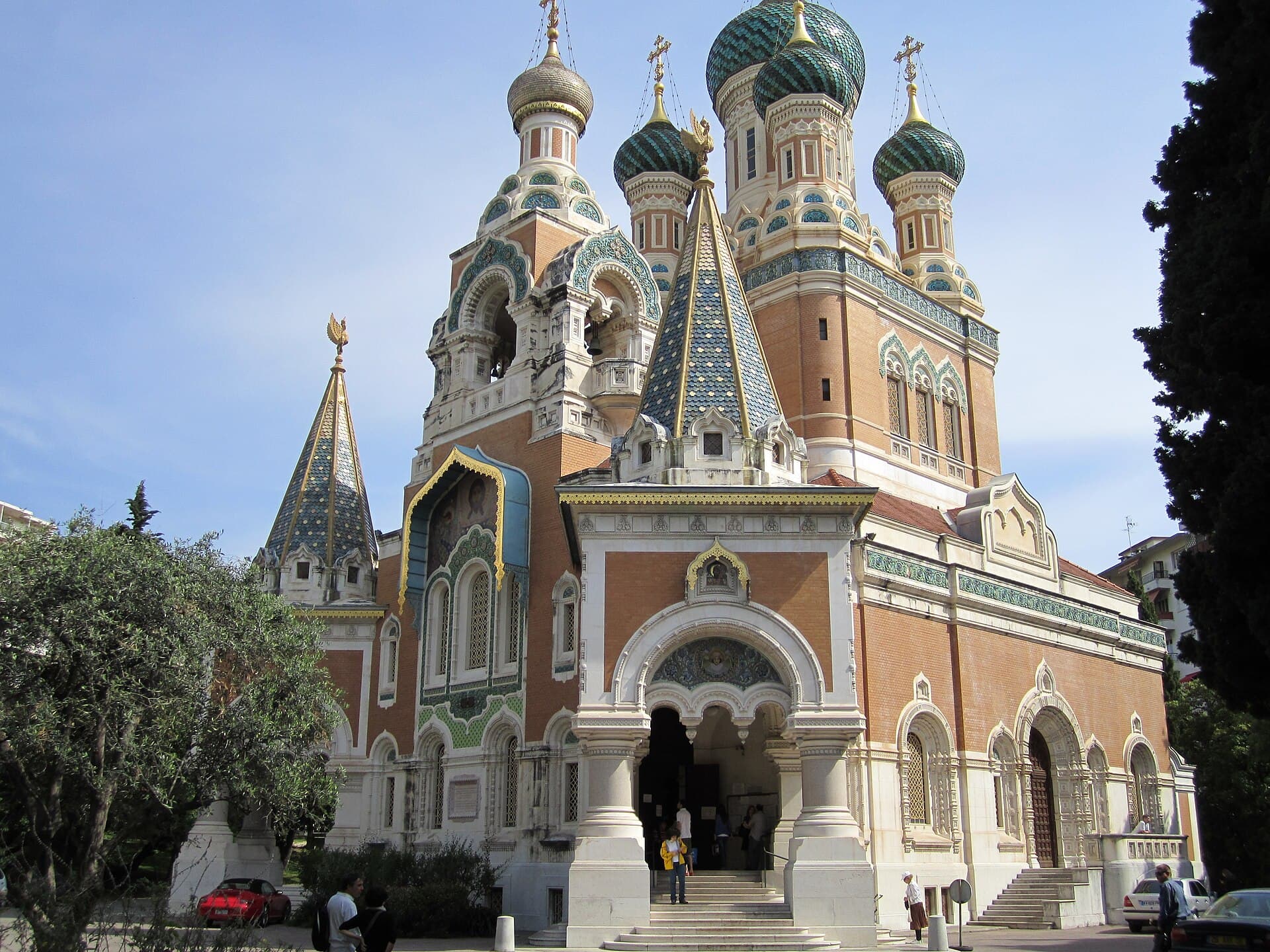 St Nicholas Russian Orthodox CathedralIn the middle of French Nice a complete Russian church suddenly stands, coloured14 minutes walk4.5
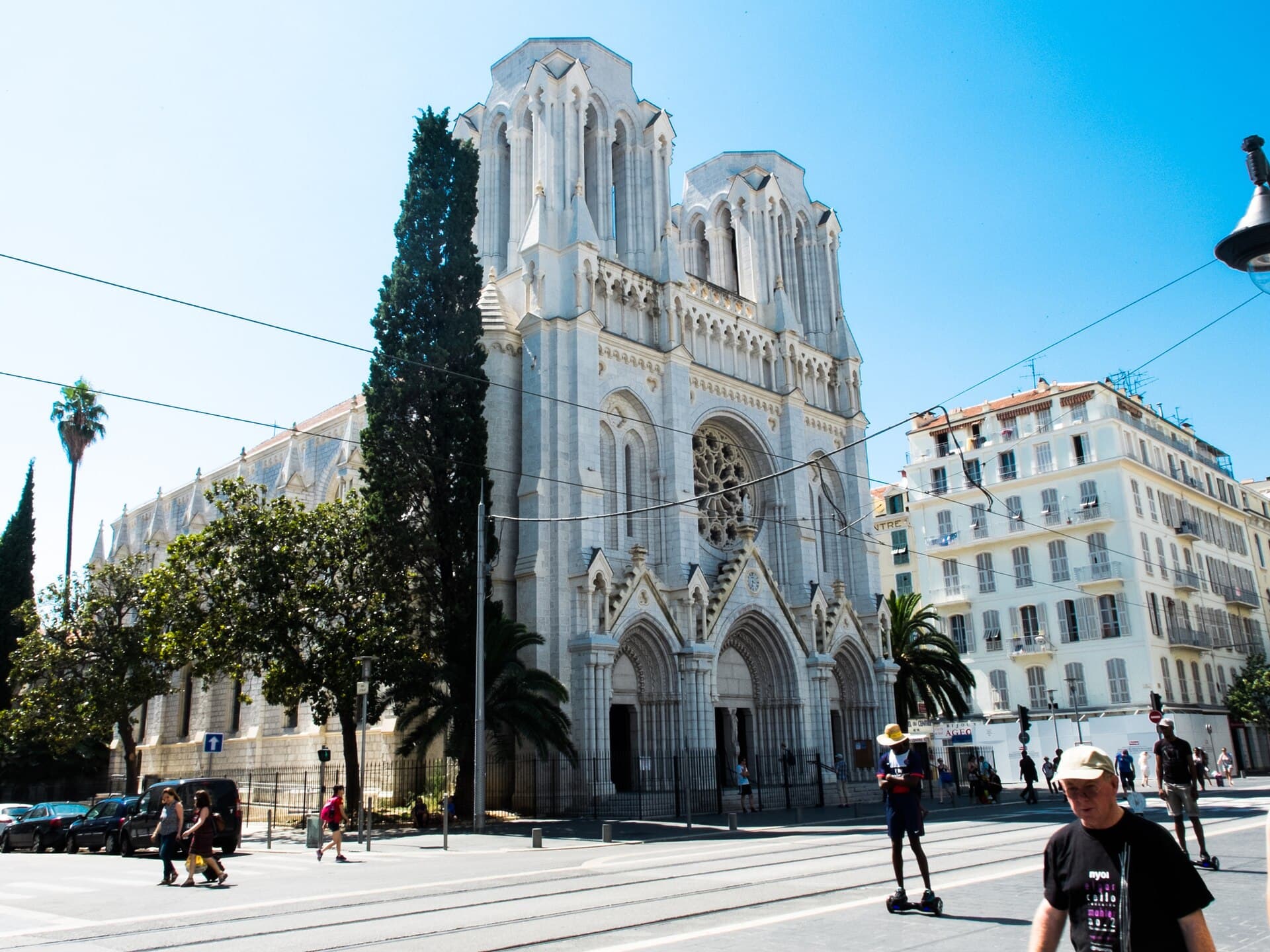 Notre-Dame Basilica of NiceThe Notre-Dame Basilica is Nice's largest church and the landmark of its main av21 minutes walk4.6
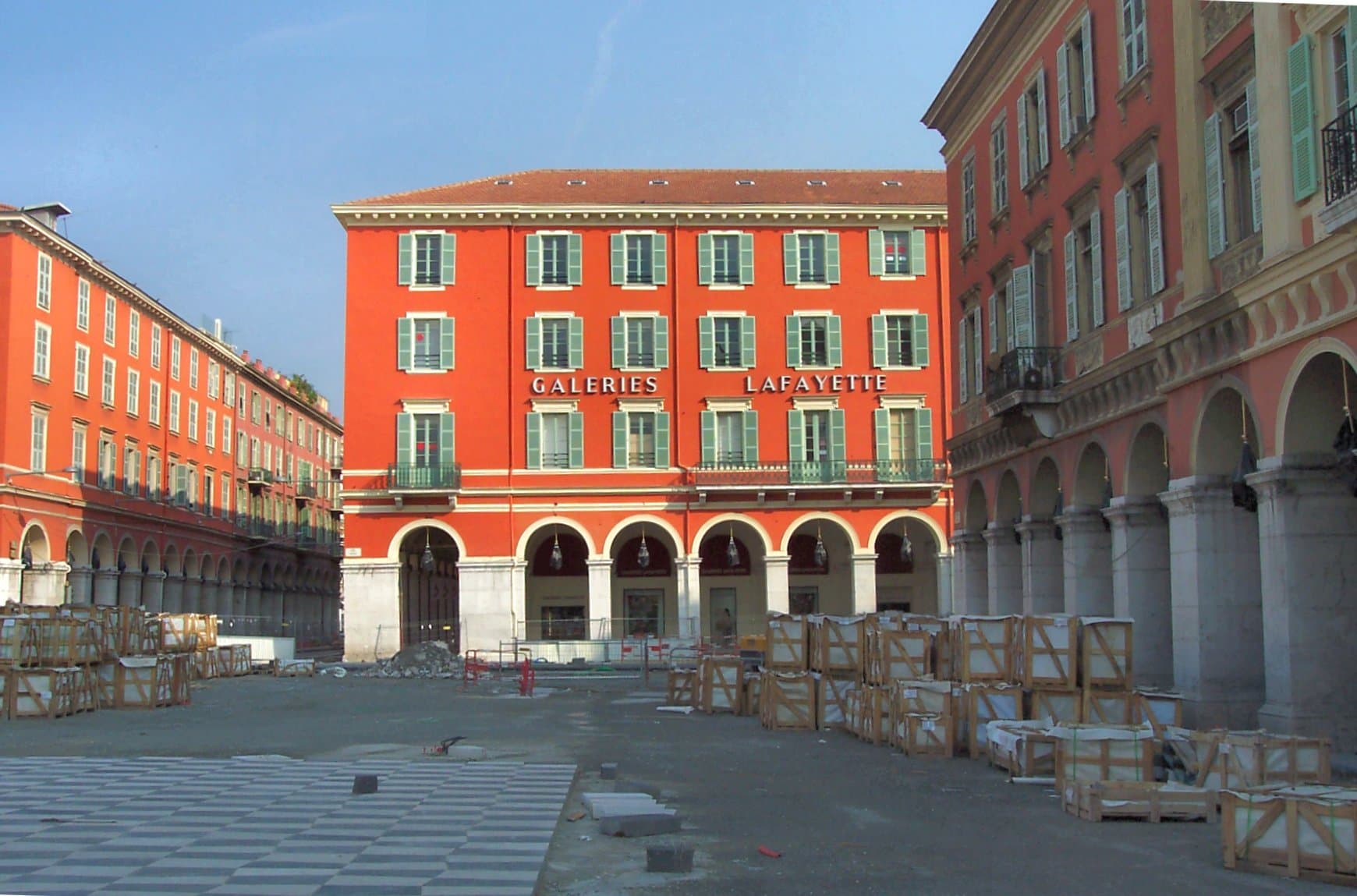 Place MassénaPlace Masséna is Nice's red salon: Pompeian-red arcaded buildings over a black-a22 minutes walk4.5
The Matisse and Chagall museums first — both world-unique (Matisse lived and died in Nice; Chagall's museum was built around his biblical cycle). Fine Arts follows for the classical-painting lover — all three free, so the choice is time, not money.
Nice's heyday (late 1800s) when Europe's nobles and Russia's tsars wintered on its shore — building villas, hotels and Russian churches, this museum one of the surviving palaces. The Promenade des Anglais itself dates from that time.