
The six domes
Coloured onion domes in the Moscow manner — a sight you do not expect in France.
Montgomery06 — CC BY-SA 3.0 · Florent Abel — CC BY-SA 4.0 · Miguel Mendez — CC BY 2.0 · Aanndd5 — CC BY-SA 4.0
In the middle of French Nice a complete Russian church suddenly stands, coloured onion domes and all, as if moved from Moscow. St Nicholas is the largest Russian Orthodox cathedral outside Russia, consecrated in 1912 when Nice was the favoured winter resort of the tsars and Russia's aristocracy. Tsar Nicholas II built it on the spot where an earlier heir to the family had died, and its materials and icons came from Russia. The interior is covered in gilded icons and murals; the exterior, with its six coloured domes, is one of the most photographed buildings in Nice. It is a working church serving the Russian community to this day. Entry is free, with a dress code. It is a few minutes' walk from the main station.
Coloured onion domes in the Moscow manner — a sight you do not expect in France.
The gilded icon screen, brought from Russia before the revolution.
The tsars' winter colony left its mark on the city — and this is its grandest witness.
Avenue Nicolas II, 06000 Nice
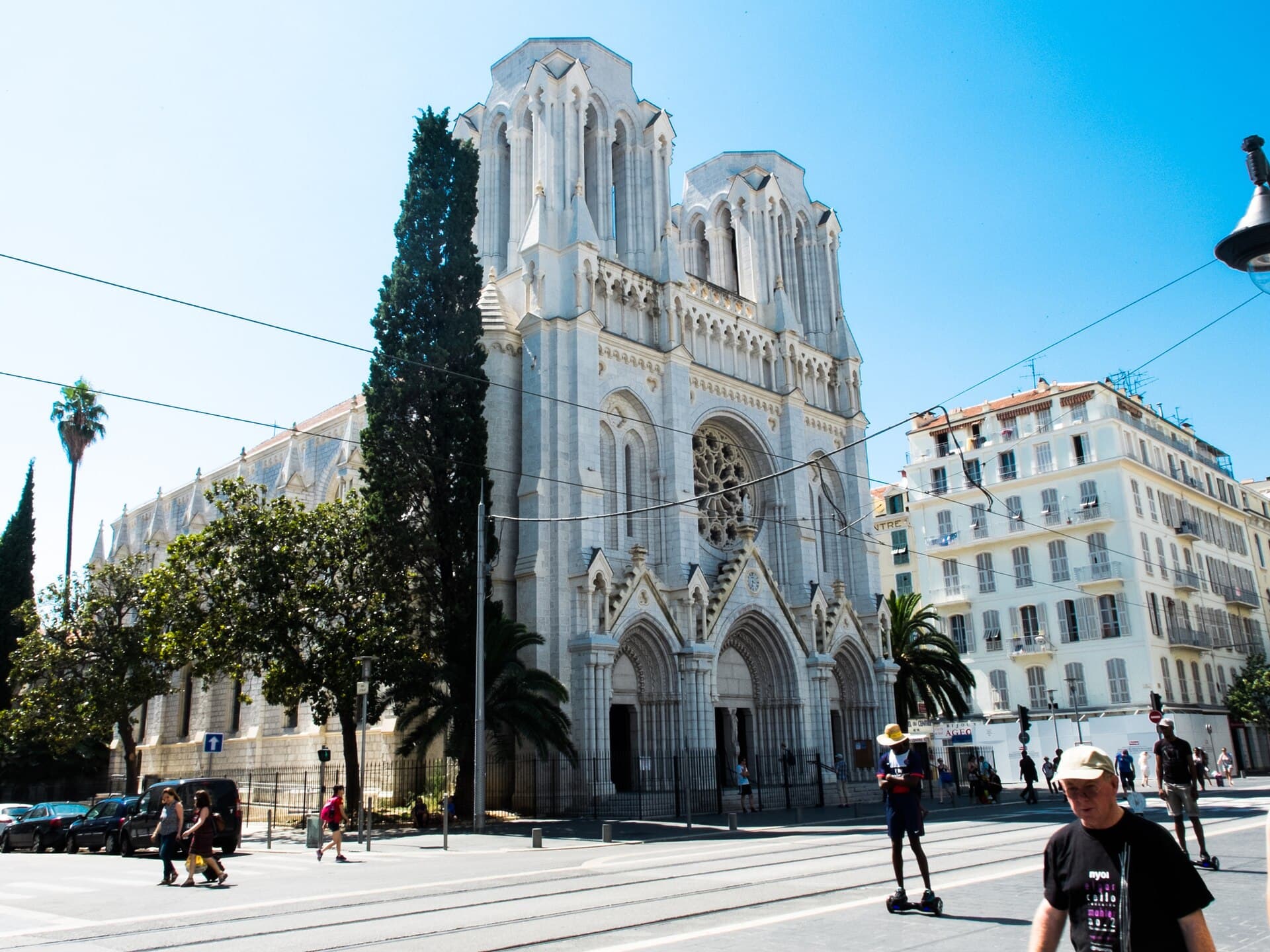 Notre-Dame Basilica of NiceThe Notre-Dame Basilica is Nice's largest church and the landmark of its main av12 minutes walk4.6
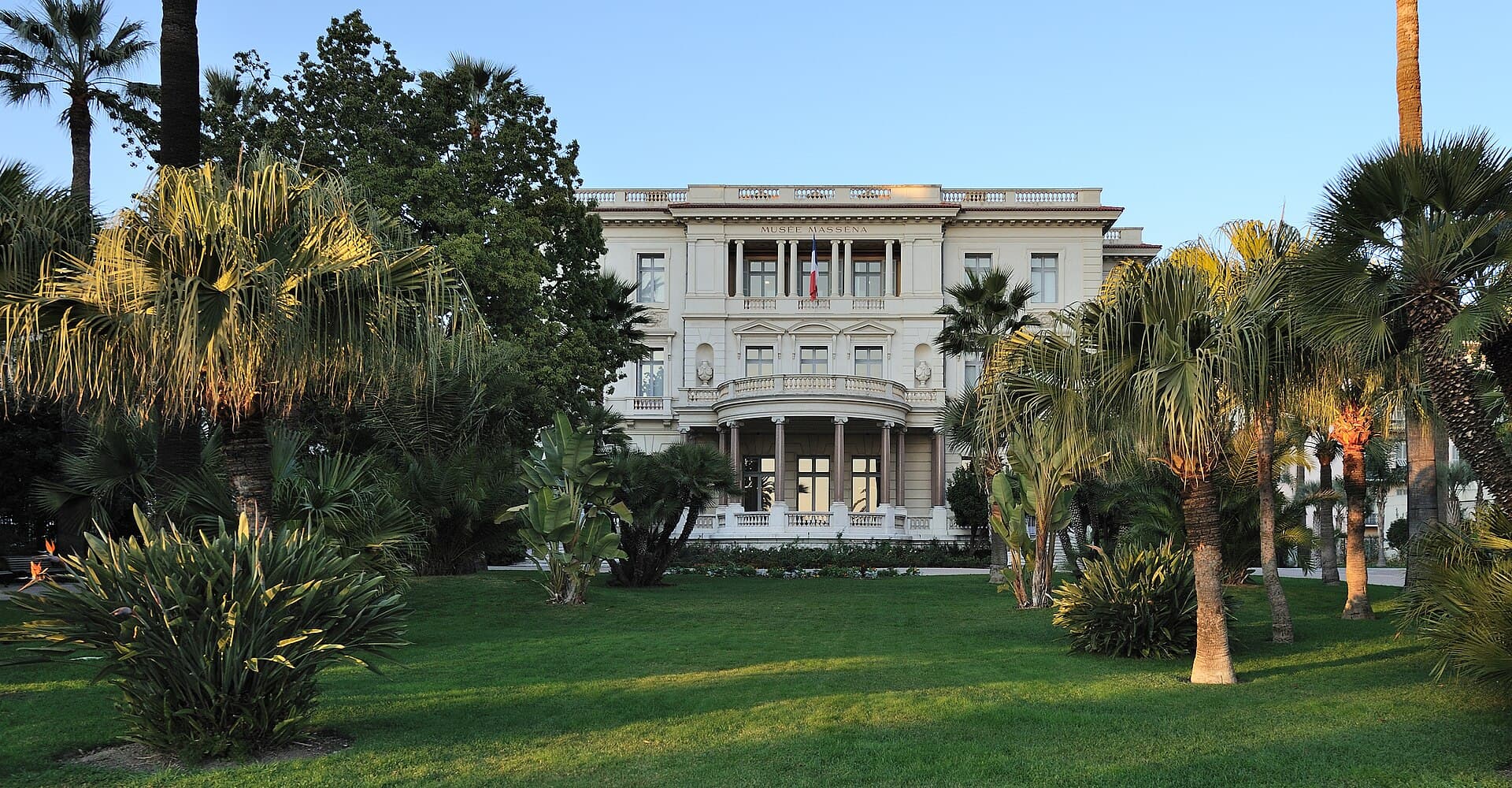 Musée MassénaThe Villa Masséna stands right on the Promenade des Anglais beside the famous Ne13 minutes walk4.4
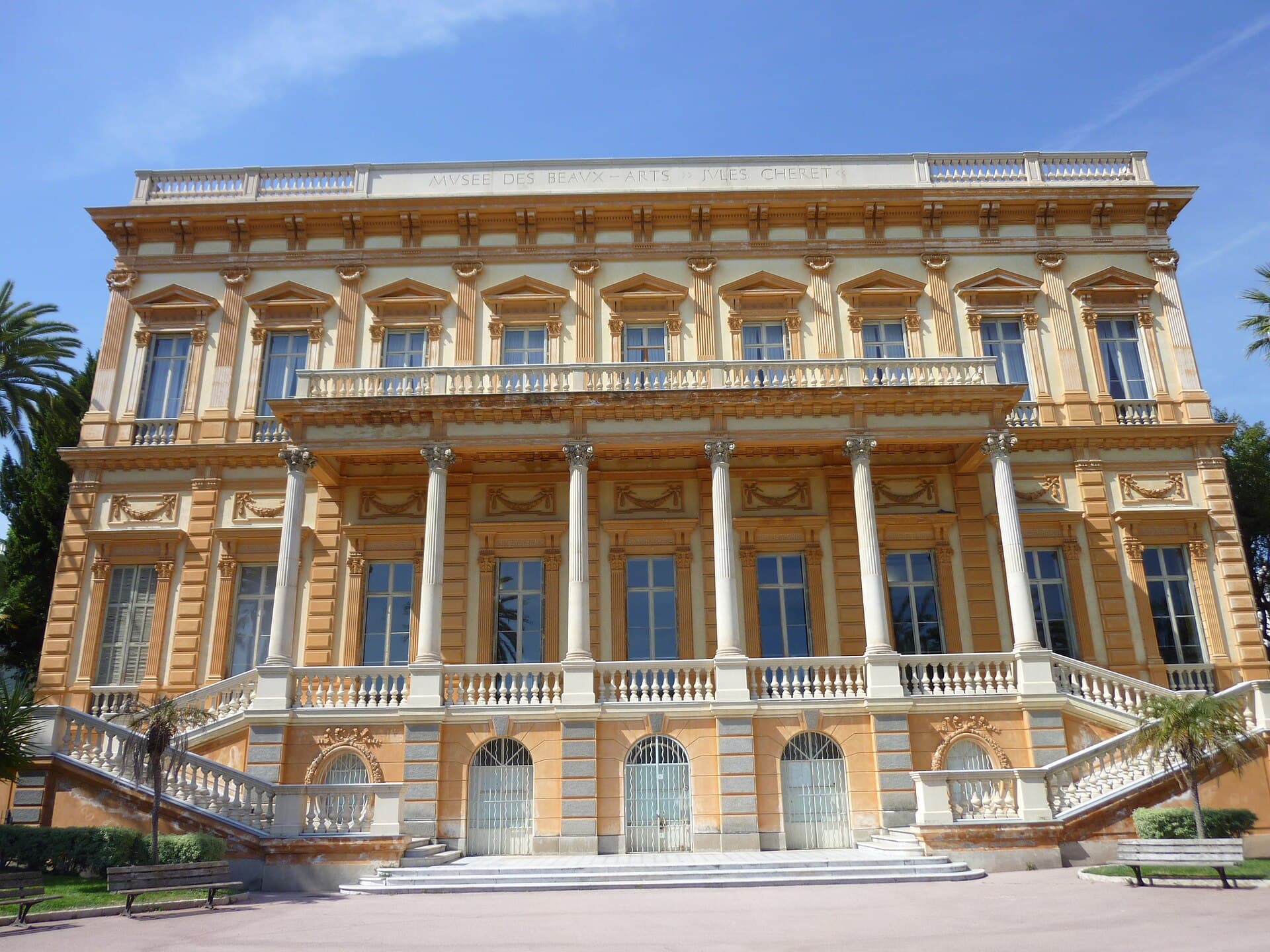 Museum of Fine Arts of NiceThe Fine Arts Museum of Nice fills a Russian princess's grand villa (1878) in th14 minutes walk4.3
 Marc Chagall National MuseumThe Chagall museum in Nice holds the world's largest public collection of the pa18 minutes walk4.5
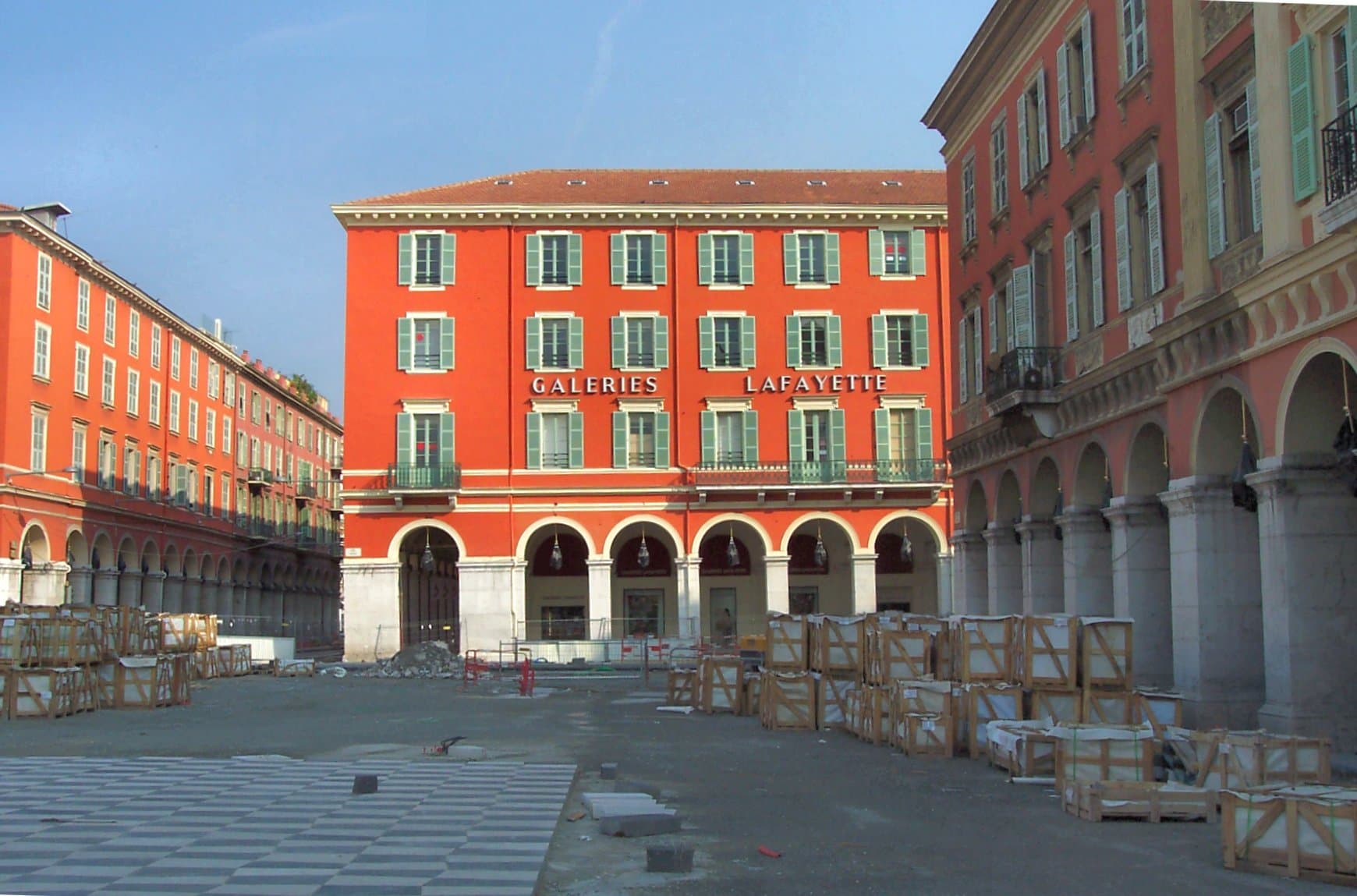 Place MassénaPlace Masséna is Nice's red salon: Pompeian-red arcaded buildings over a black-a19 minutes walk4.5
In the nineteenth century Nice became the Russian aristocracy's escape from winter, complete with a permanent colony whose streets and villas keep Russian names today. The tsar built the cathedral to serve that colony and to memorialise an heir who died here young.
Services are for worshippers; tourists are admitted outside them. Times are posted at the door — if you find it closed, come back in an hour; the visit is short anyway.
Half an hour for interior, exterior and photographs. Treat it as a stop between the station and the centre, not a trip of its own.