
The sachnisi
A covered timber gallery over the courtyard — konaki architecture.
C messier — CC BY-SA 4.0 · George E. Koronaios — CC BY-SA 4.0 · George E. Koronaios — CC BY-SA 4.0 · George E. Koronaios — CC BY-SA 4.0
**The oldest surviving house in Athens**, standing on Adrianou street in Plaka behind a gate that thousands of visitors pass daily without going through — and **entry is free**. The core of the building dates from the **sixteenth or seventeenth century**, that is from the Ottoman period, and it was the house of the noble Athenian **Benizelos** family. That makes it a rare witness: the Athens you see today was mostly built after independence in 1830, while this is a house from the city that came before. Its architecture is of the Ottoman-Balkan **konaki** type: a solid stone ground floor for stores and an olive press, an upper living floor with a covered timber gallery called a **sachnisi** overlooking the courtyard, and latticed wooden windows. Its most famous resident was **Saint Philothei of Athens** in the sixteenth century, a respected figure in the city: born to a noble family, she founded a convent and schools and sheltered women fleeing enslavement under Ottoman rule, and was killed for it. ⚠ The visit is short — half an hour — but among the best free things to do in Plaka.
A covered timber gallery over the courtyard — konaki architecture.
The stone ground floor with its stores and press.
She sheltered women fleeing enslavement and was killed for it.
Adrianou 96, Plaka, 10556 Athens
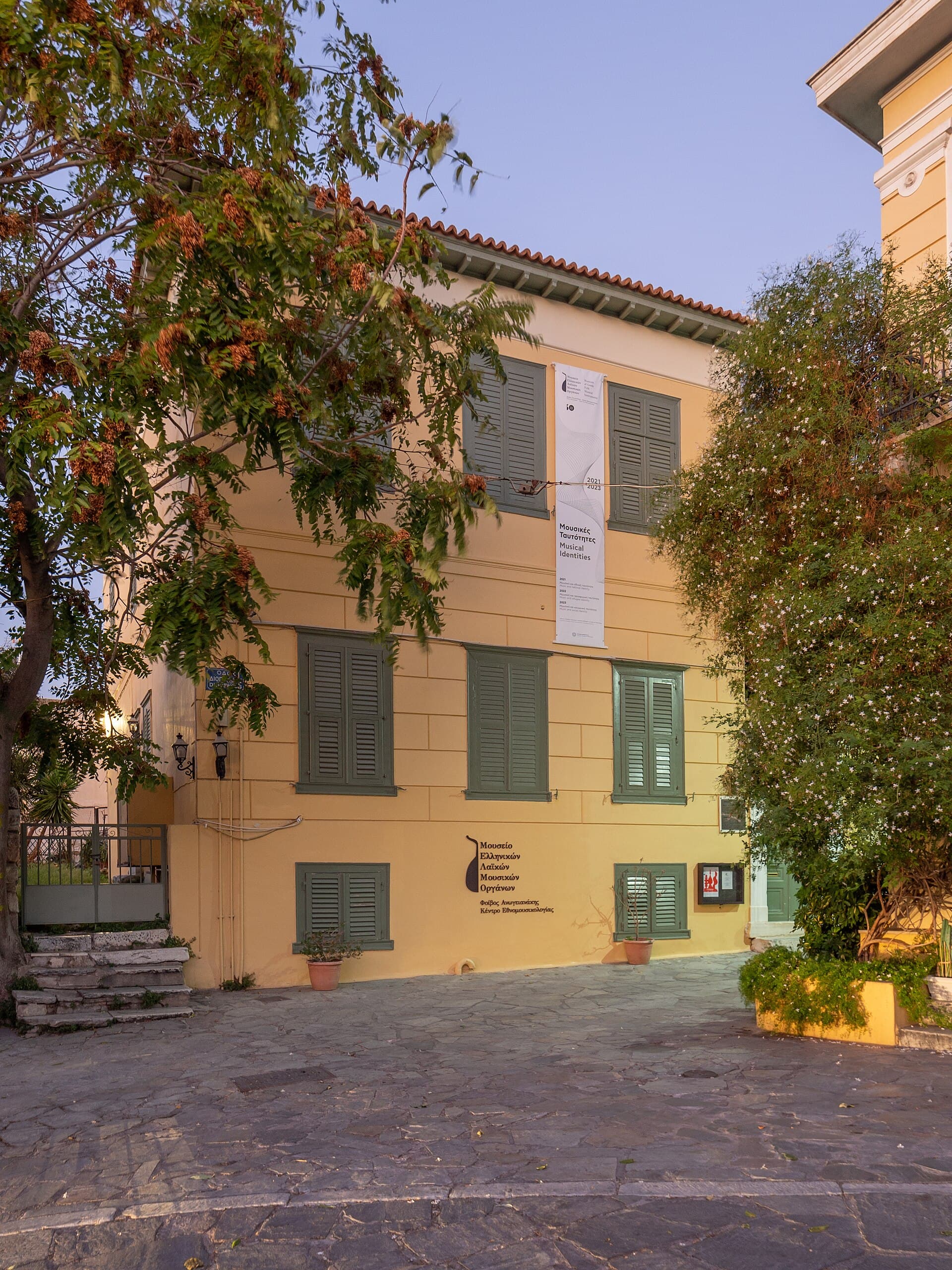 The Museum of Greek Folk Musical InstrumentsA museum in a small nineteenth-century mansion in Plaka showing the collection o2 minutes walk4.5
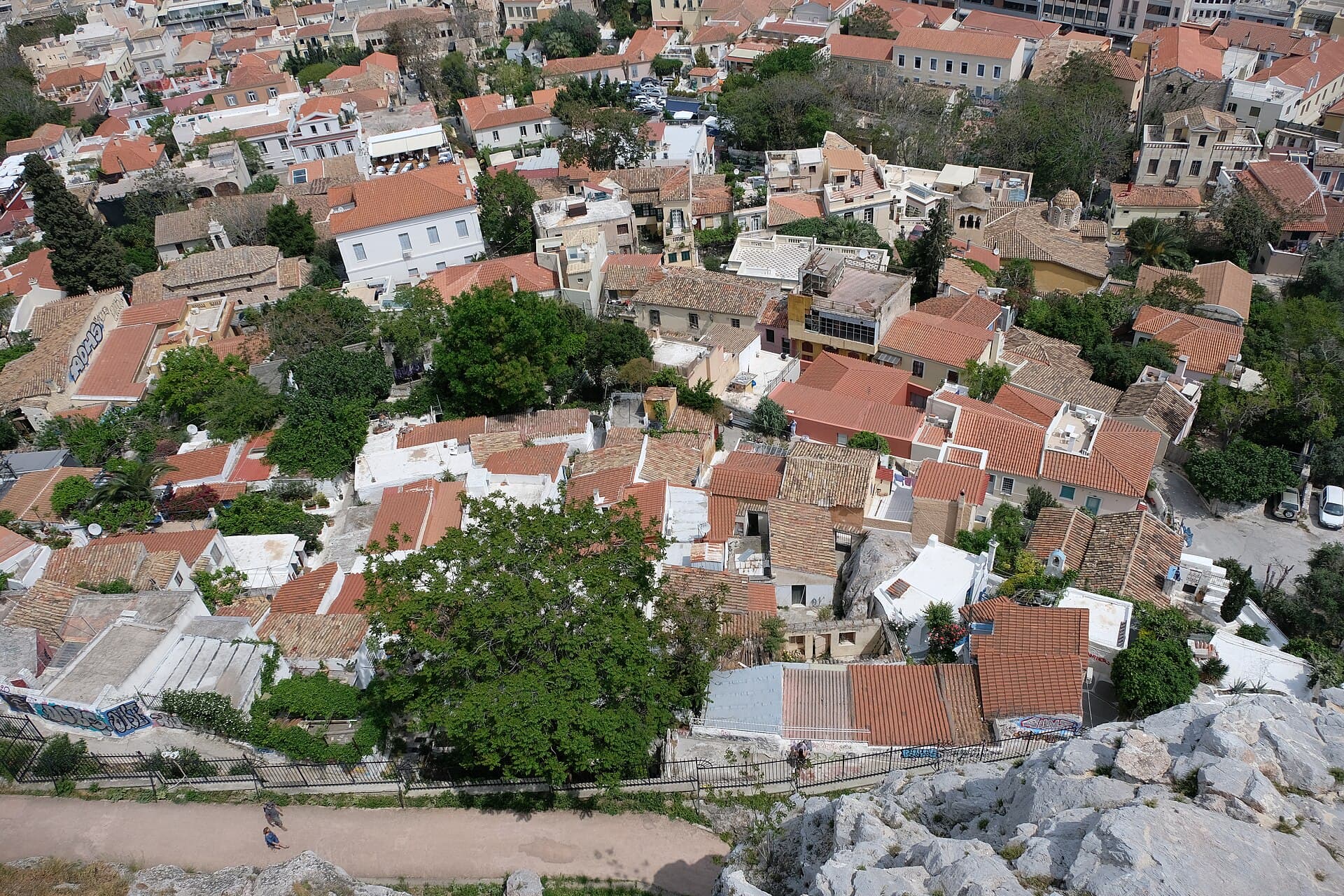 AnafiotikaA complete Greek island village hidden beneath the Acropolis rock, two minutes f3 minutes walk
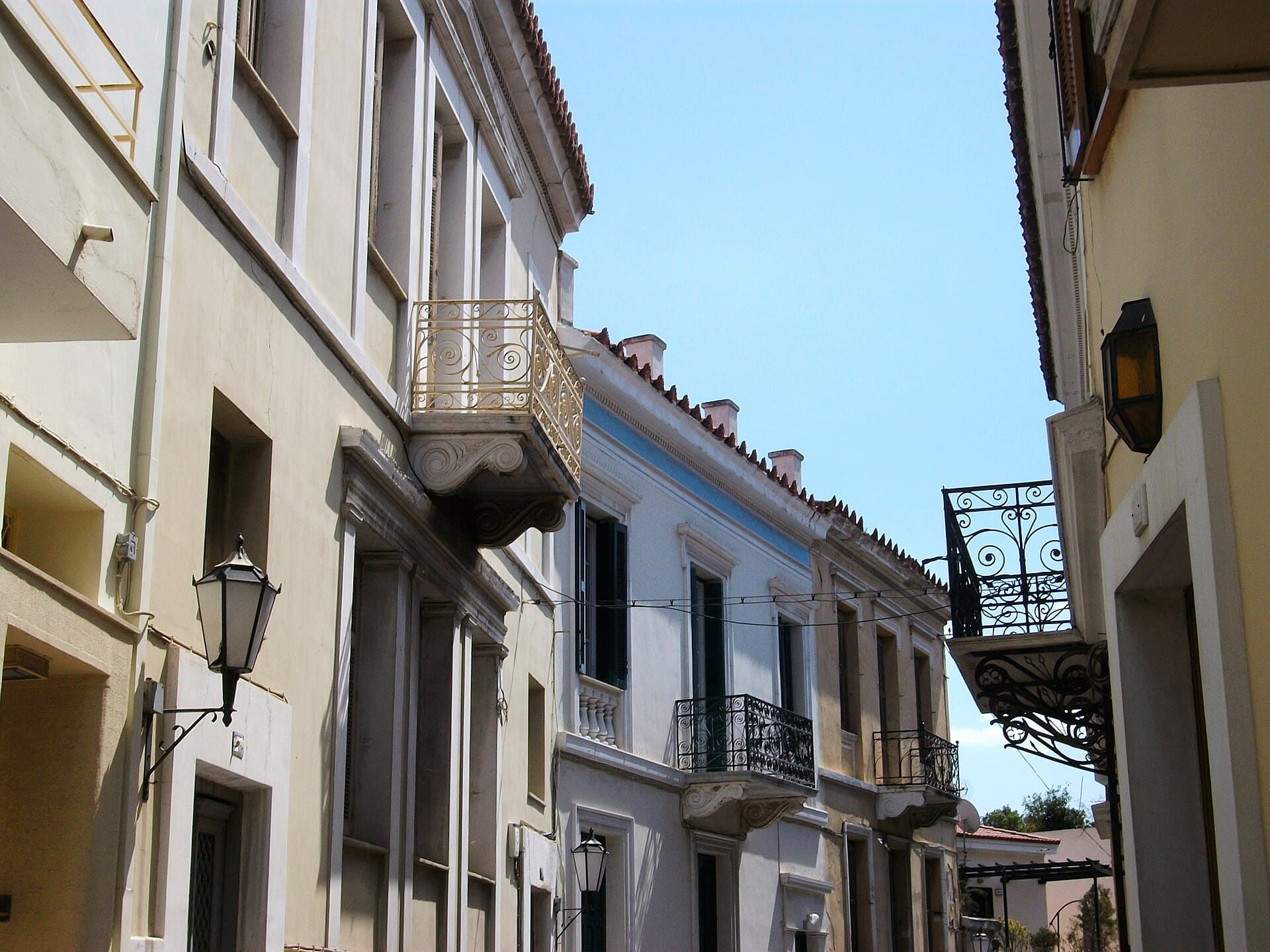 PlakaThe oldest continuously inhabited quarter of Athens, called "the neighbourhood o3 minutes walk
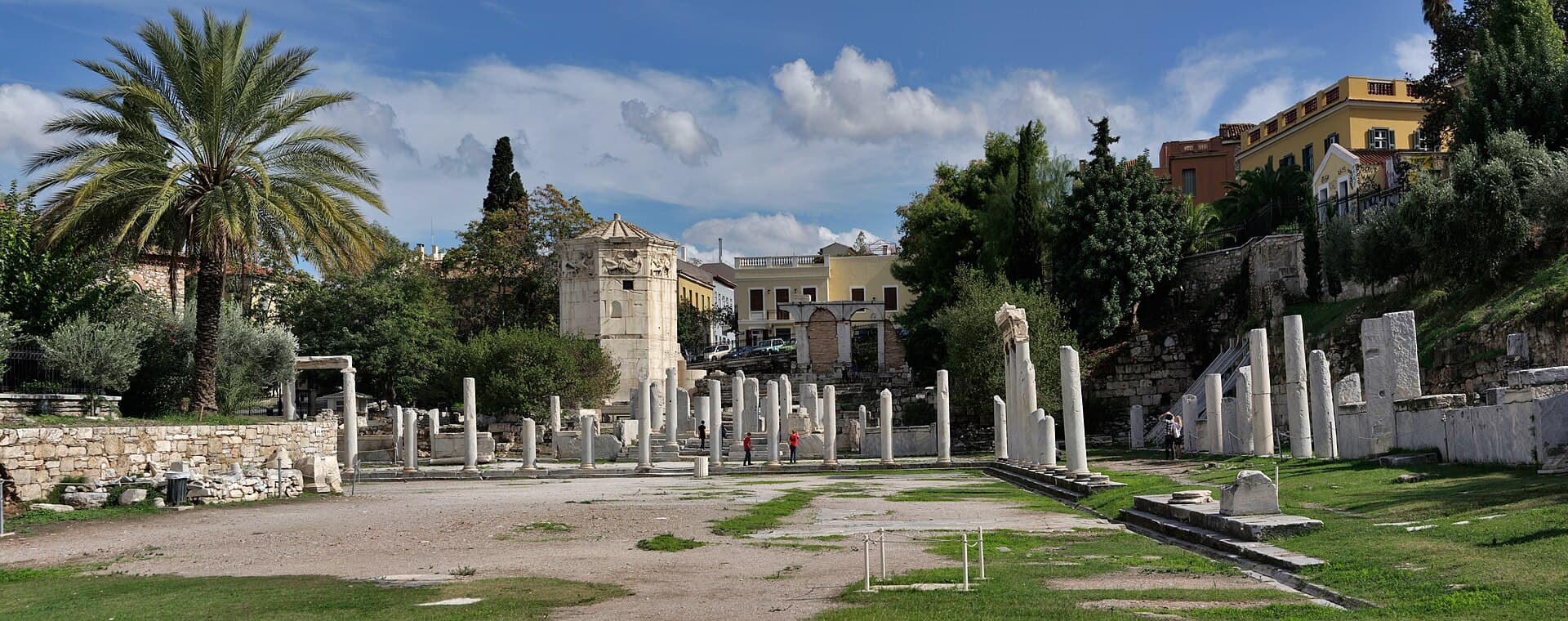 The Roman Agora & Tower of the WindsThe Roman Agora is the market the Caesars built Athens: Socrates' agora grown ol3 minutes walk4.6
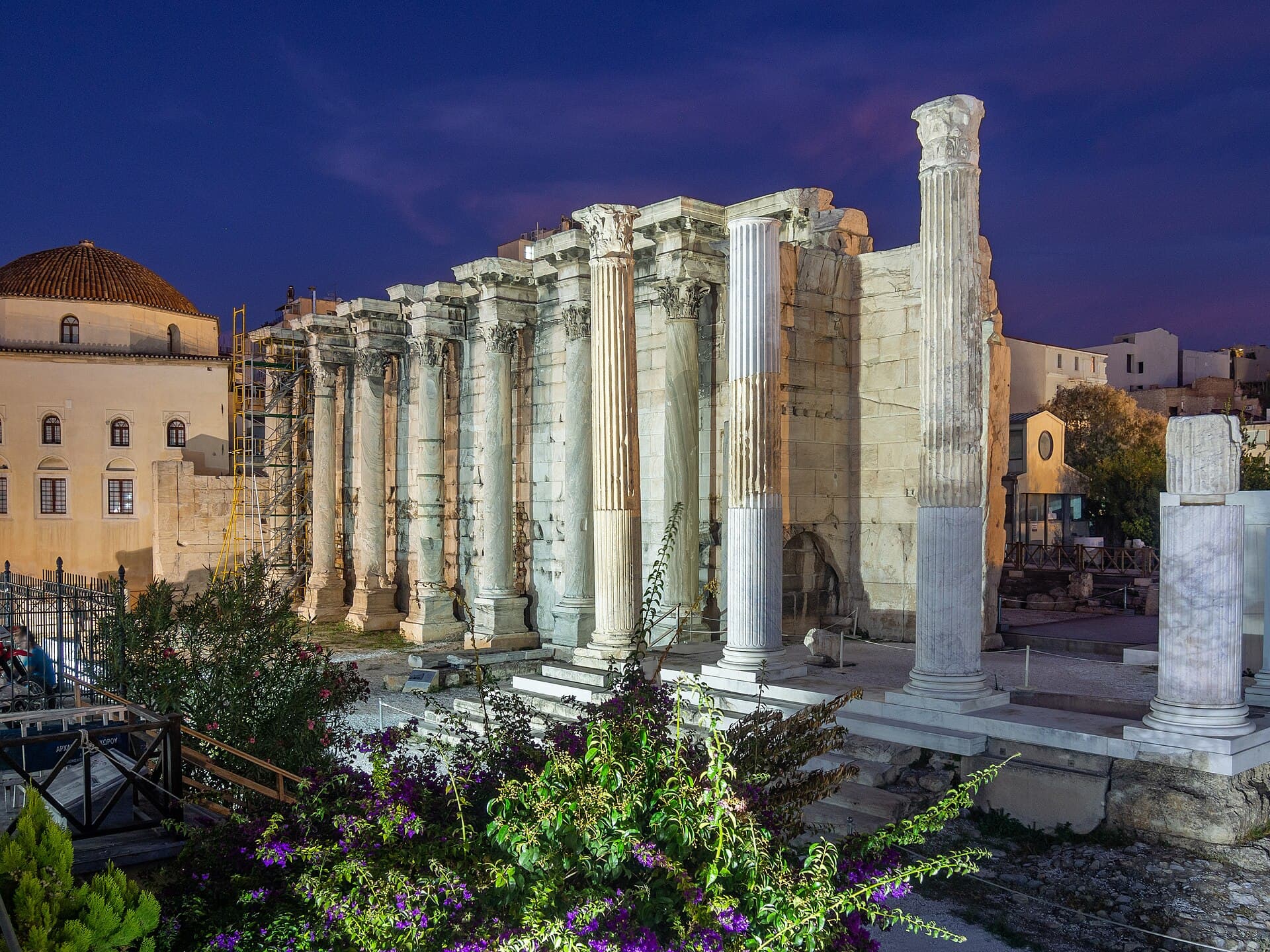 Hadrian's LibraryIn the middle of **Monastiraki**, steps from the metro station and the flea mark4 minutes walk4.5
For three successive reasons. **First**: at the start of the nineteenth century Athens was a small town rather than a capital, with a few thousand inhabitants, so there were not many large houses to begin with. **Second**: the **war of independence** (1821–32) destroyed much of the town in siege and fighting. **Third**, and most important: after independence the new state set out to build a **neoclassical** capital reconnecting with the golden age, and a great deal of Ottoman and medieval building was deliberately removed as a reminder of a period they wished to leave behind. This house is an exceptional survivor.
The entrance is on **Adrianou** in Plaka behind an **iron gate** that is easy to walk past — no prominent frontage, no large signage, and thousands of people pass it daily without knowing what lies behind. Look for the plaque at the gate or use a map. ⚠ More importantly: **its hours are limited and it does not open every day** — check its official page or ask the tourist office on the day. Since it is free and short, it is easy to pass twice until you find it open while wandering Plaka anyway.