
Trapped organisms
Insects and leaves caught in resin forty million years ago.
Alexander Altenhof — CC0 · Fireice17 — CC BY-SA 4.0 · HerrMay — CC BY-SA 4.0
An amber collection in Nuremberg attached to a commercial shop, showing pieces of Baltic amber including insects and plants trapped inside. Amber is fossilised tree resin tens of millions of years old, and most European amber comes from the Baltic coasts where it formed from ancient pine forests. When an insect or a leaf became stuck in the sticky resin forty million years ago, it was preserved in complete detail — and those pieces are the scientifically important ones, because they preserve organisms of which no other trace survives. Amber was a major European trade commodity from before the common era, and the Amber Road linked the Baltic to the Mediterranean for centuries, passing through precisely this region. Nuremberg was a trading node on those routes. A plain practical point: this is a collection attached to a commercial establishment rather than an independent public museum, and its description in the official records says so. Treat it accordingly: a short visit, and expect selling to be part of the place.
Insects and leaves caught in resin forty million years ago.
Some species are known only from pieces of amber.
It linked the Baltic to the Mediterranean for centuries through this region.
Nuremberg
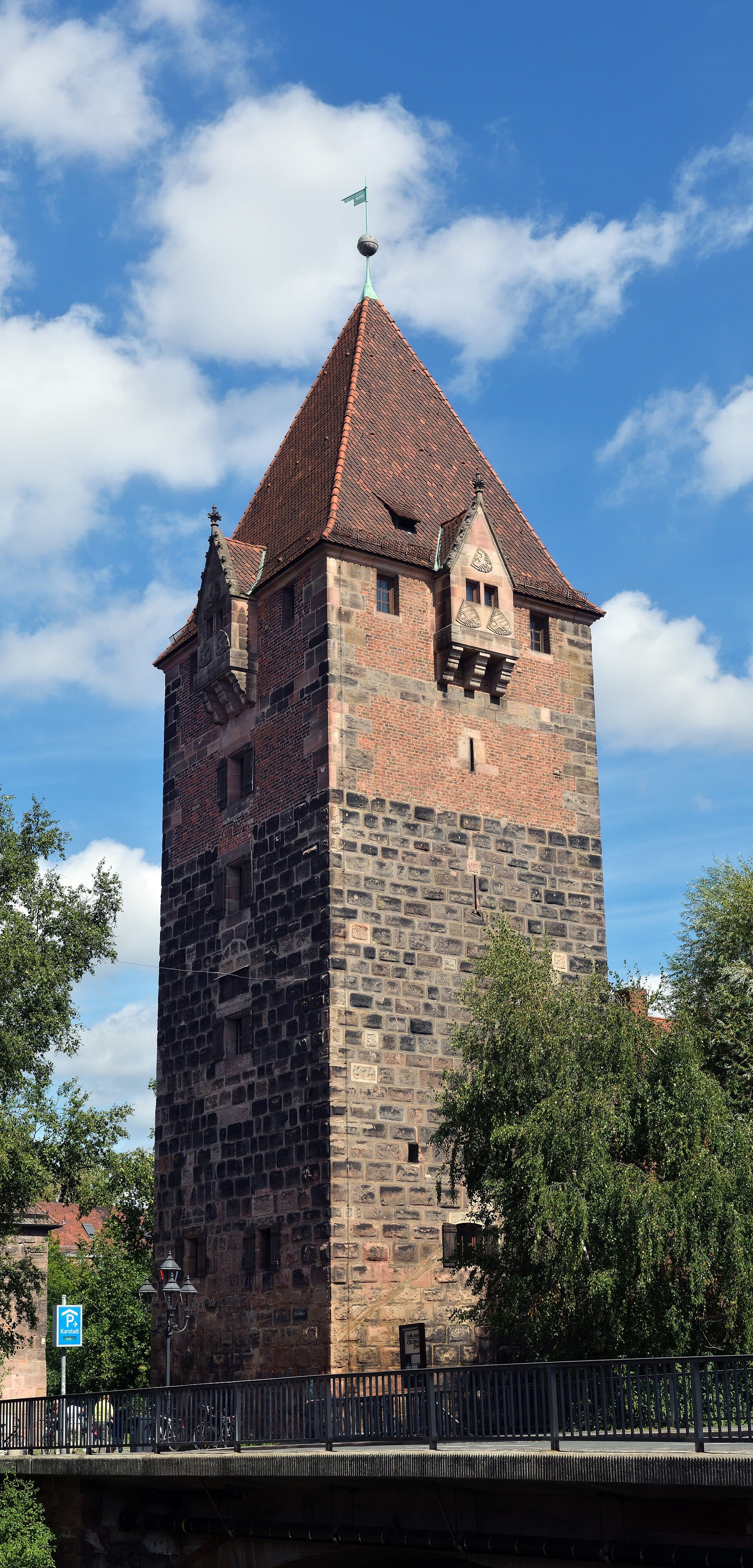 The Debtors' TowerThe Schuldturm is a square stone tower standing in the river Pegnitz inside Nure3 minutes walk4.6
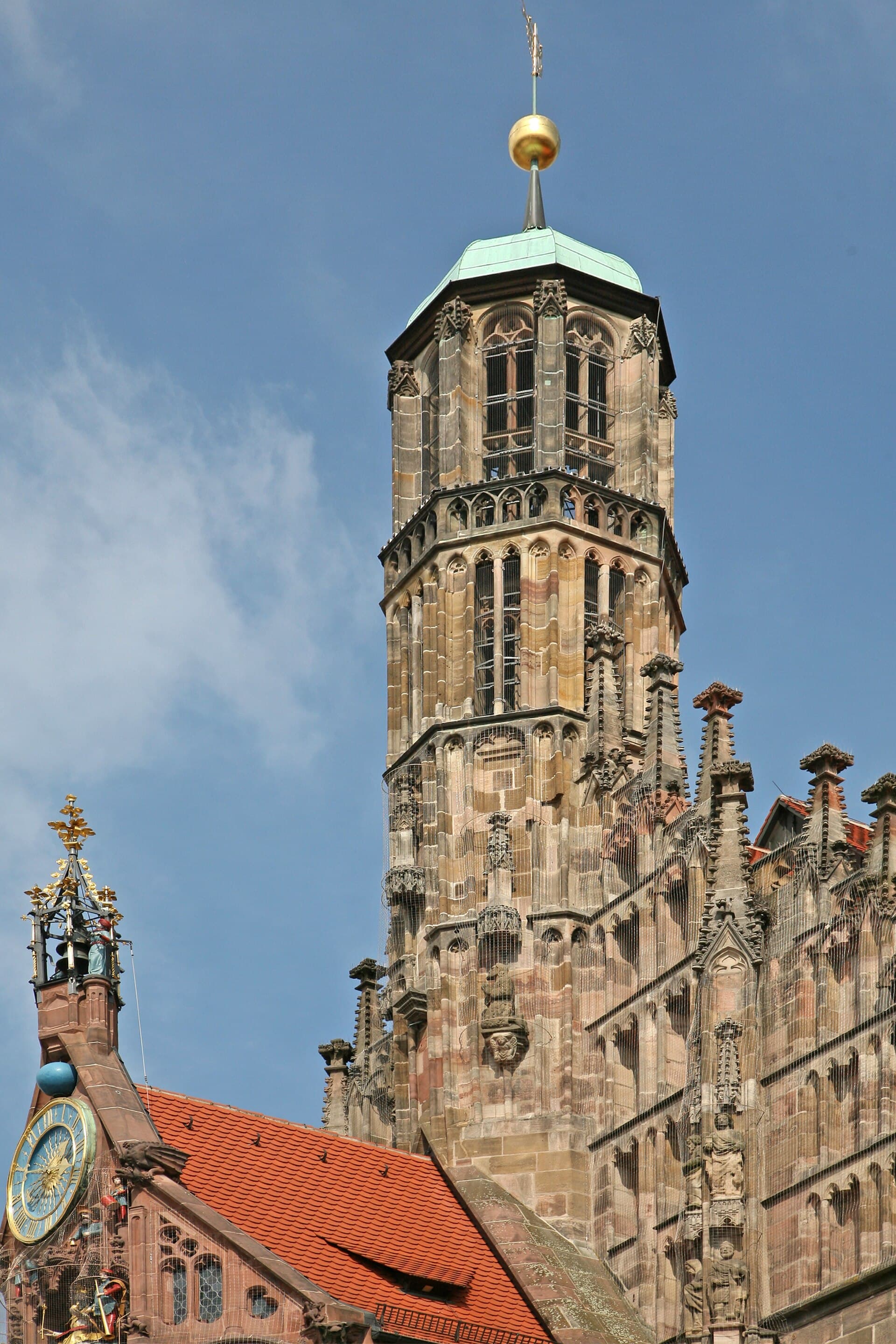 Frauenkirche NurembergThe Frauenkirche stands on Nuremberg's main square, its ornate Gothic front look3 minutes walk4.8
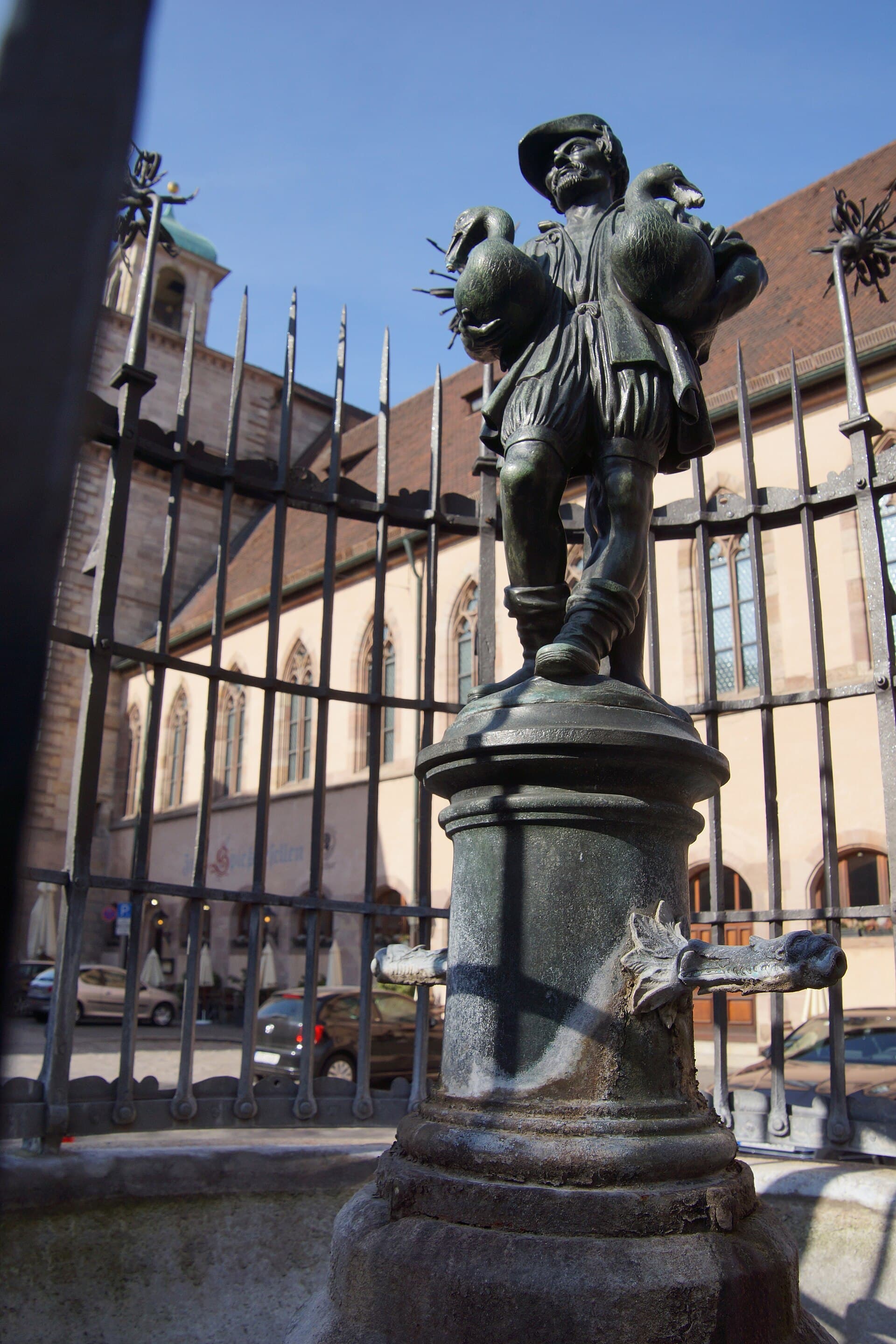 The Goose Man FountainA small bronze fountain near the main market square in Nuremberg, from the early3 minutes walk4.6
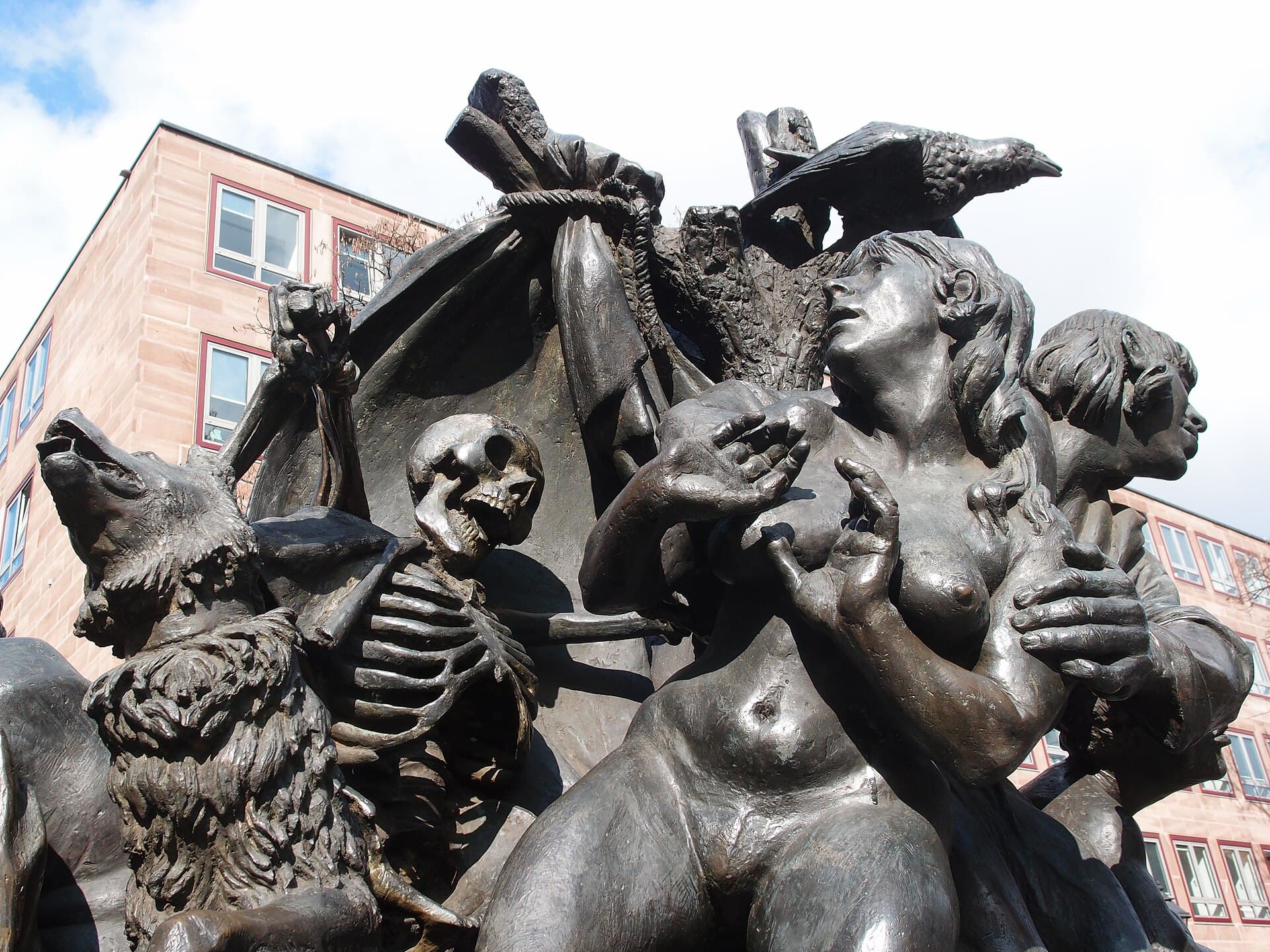 Ship of Fools FountainA strange bronze fountain in central Nuremberg, near the Museumsbrücke. The arti4 minutes walk4.4
 Medieval Dungeons (Lochgefängnisse)Beneath Nuremberg's old town hall hides the city's medieval jail as it was left:4 minutes walk4.6
From resin exuded by coniferous trees when injured. The resin hardens and is then buried under sediment, and over millions of years its volatile components evaporate and it becomes a stable solid. Baltic amber formed around forty million years ago from a vast pine forest that has vanished entirely, and which we know of only through it.
Honestly, not a priority in Nuremberg. The city has first-rank museums: the Germanisches Nationalmuseum, the country's largest for art and cultural history; the Documentation Centre at the Nazi Party Rally Grounds; and Courtroom 600 of the Nuremberg trials. This collection is a short addition for anyone with spare time or a particular interest in fossils.