
The river scene
The tower and Holy Spirit Hospital over the water.
André Karwath aka Aka — CC BY-SA 2.5 · Calips — CC BY-SA 3.0 · G. M. Eckert — Public domain · G. M. Eckert — Public domain
The Schuldturm is a square stone tower standing in the river Pegnitz inside Nuremberg — not on its bank but in its channel, which gives it its odd appearance. It was built in the fourteenth century as part of the fortifications that closed the river's entrance to the city. Its name comes from its second function: once it had lost its defensive value it was used as a prison for insolvent debtors. This was a common legal practice in medieval and early modern Europe — anyone unable to repay a debt was imprisoned until their family paid for them, a system that looks illogical today because it prevents the debtor from earning. The tower today is a private building not visitable inside, and it is a visual landmark on the river within a scene that also holds the Holy Spirit Hospital, likewise built over the water on arches. The best view of both is from the Museumsbrücke, and it is among the most photographed scenes in Nuremberg.
The tower and Holy Spirit Hospital over the water.
The best point to see the whole scene.
Pegnitz, 90403 Nuremberg
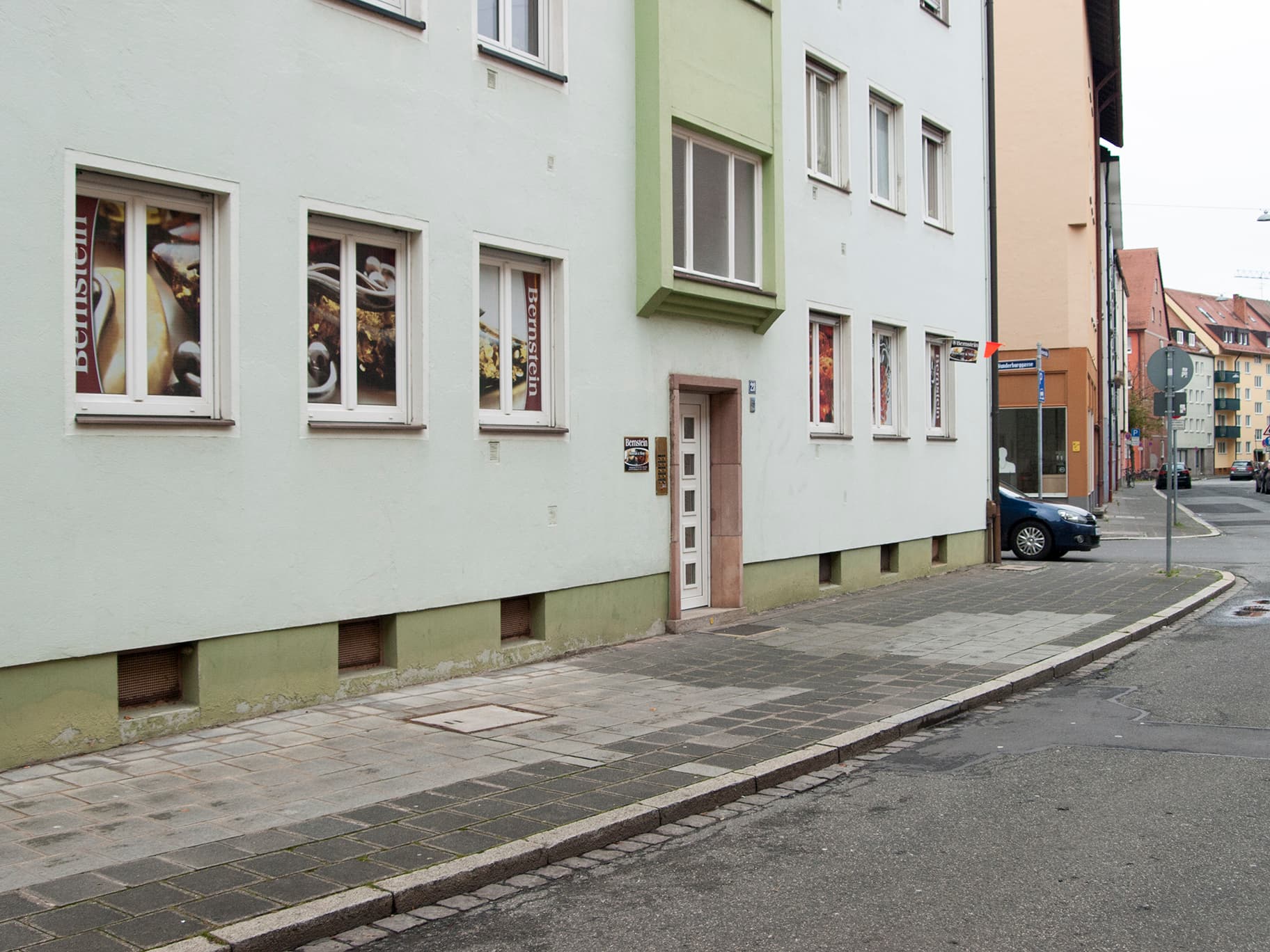 The Amber Museum, NurembergAn amber collection in Nuremberg attached to a commercial shop, showing pieces o3 minutes walk4.8
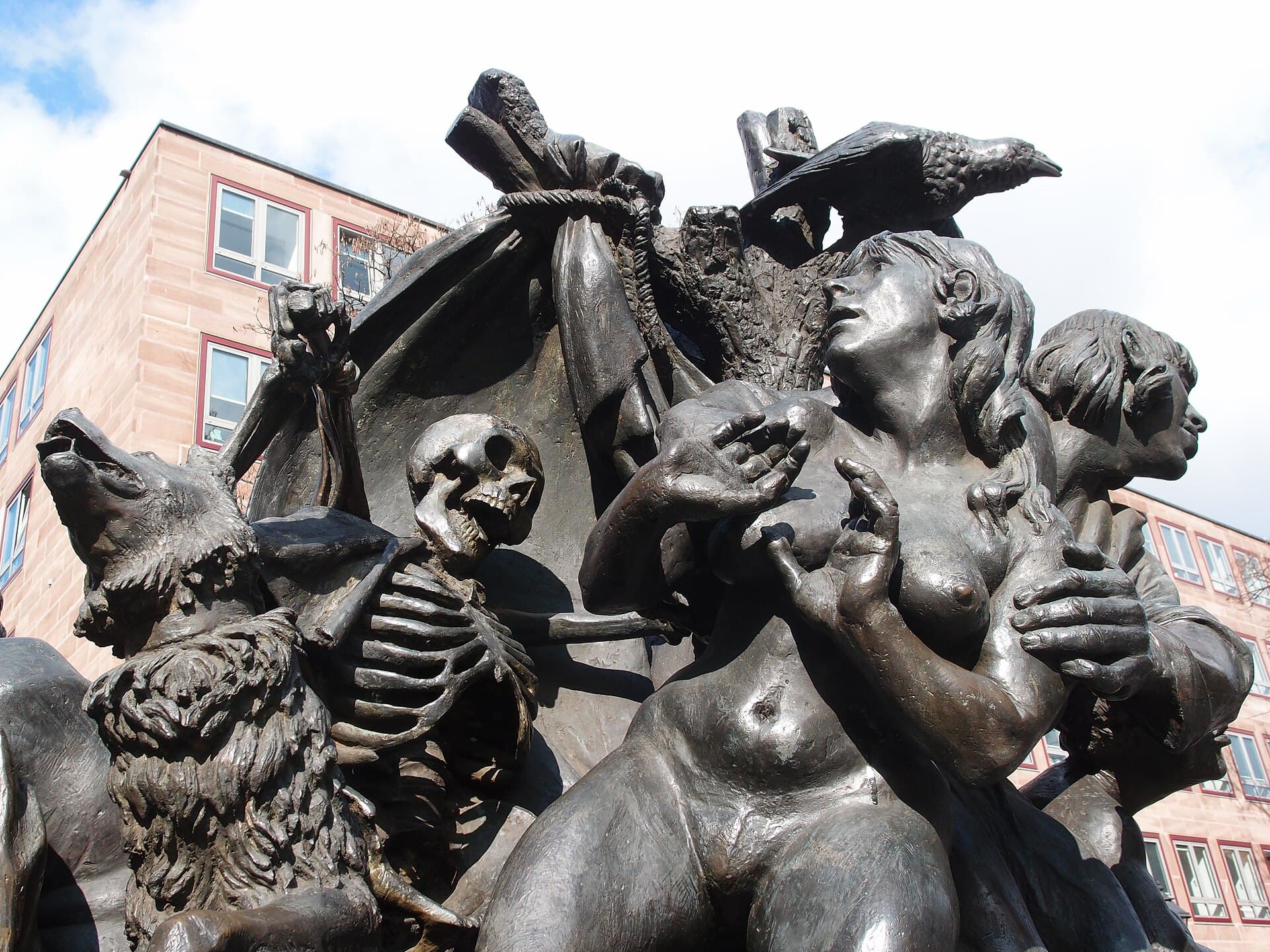 Ship of Fools FountainA strange bronze fountain in central Nuremberg, near the Museumsbrücke. The arti3 minutes walk4.4
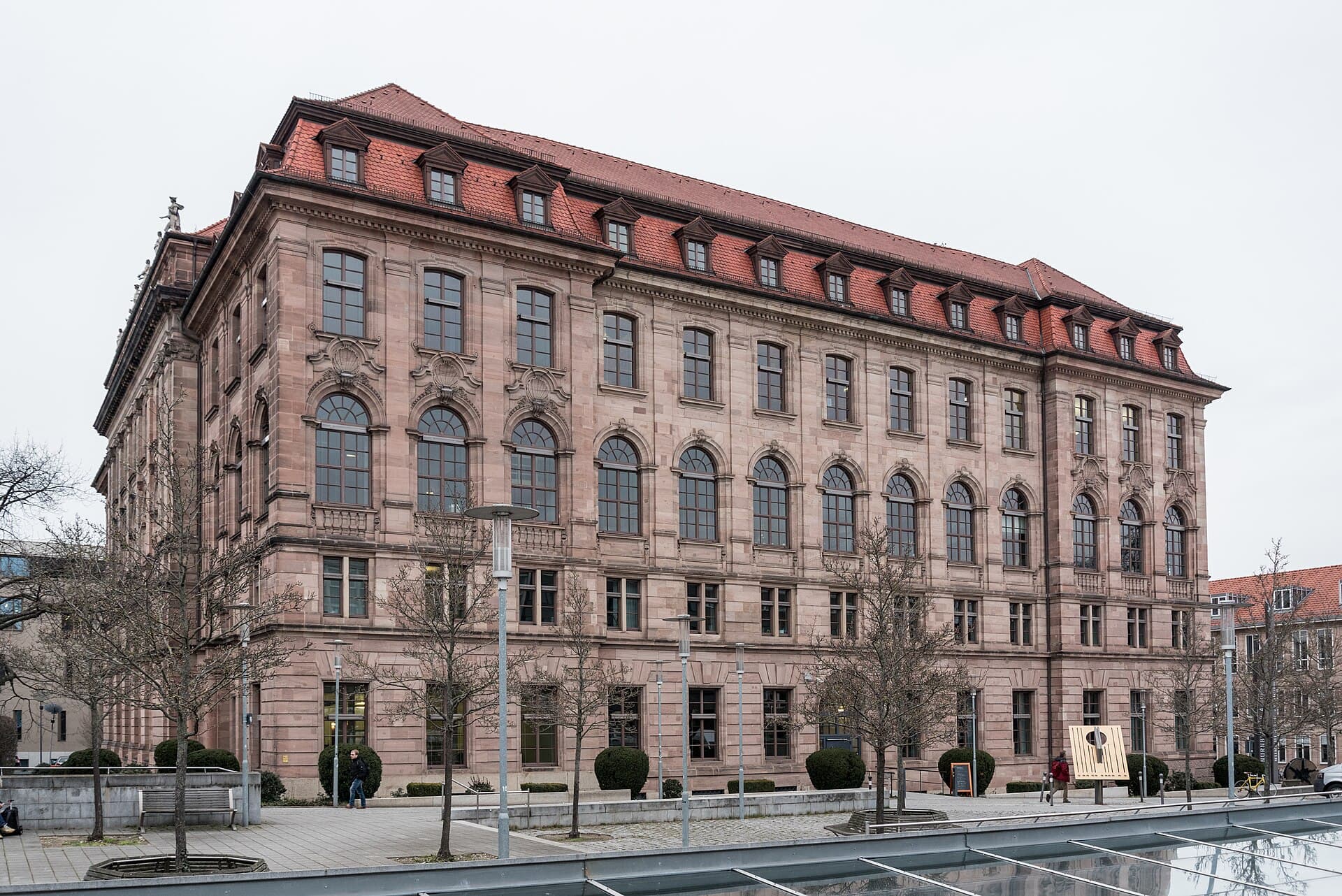 Museum of Applied ArtsNuremberg's applied arts museum is a product of a nineteenth-century European mo3 minutes walk4.5
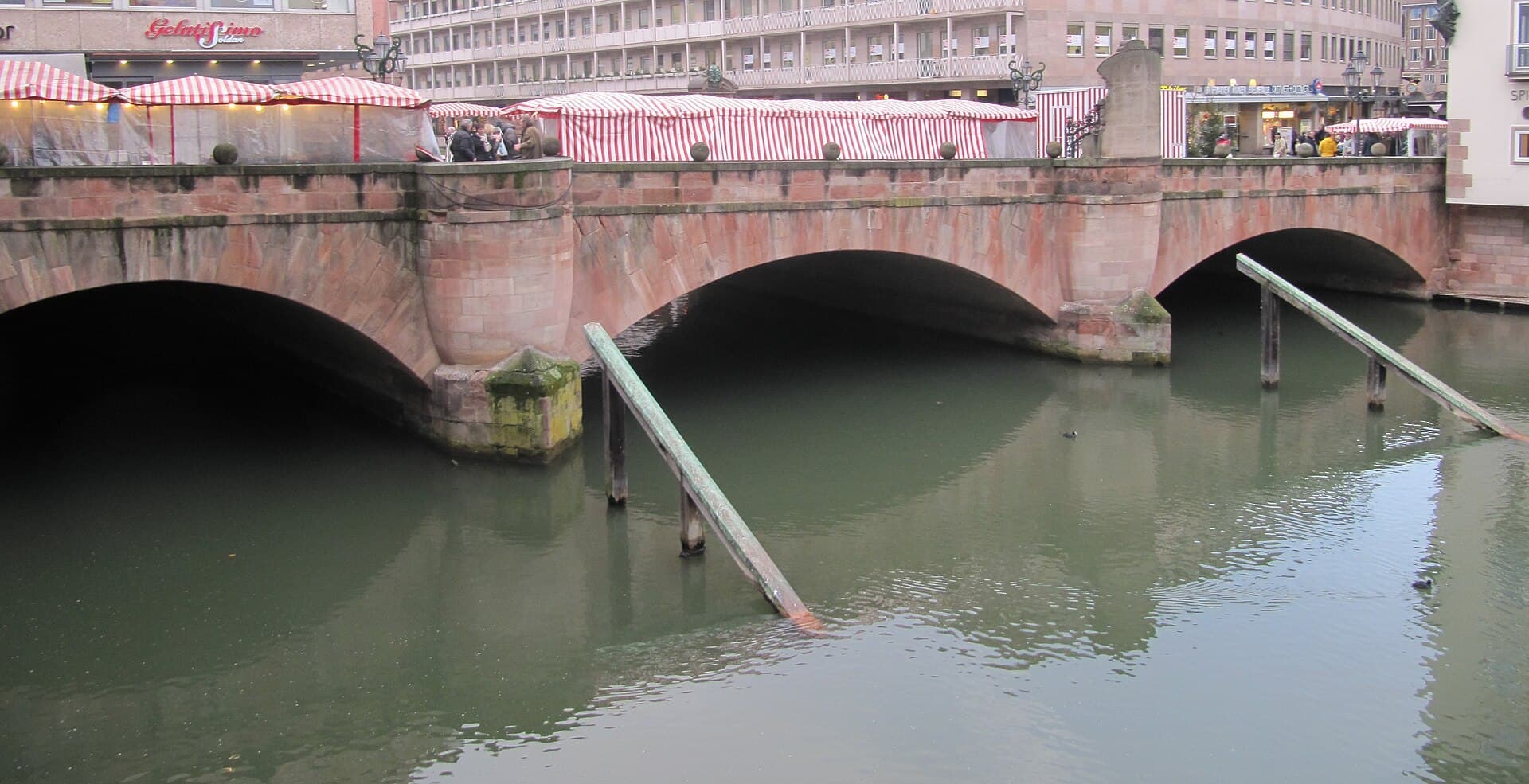 MuseumsbrückeThe Museumsbrücke is a short stone bridge over the river Pegnitz in the middle o3 minutes walk4.8
 St Lorenz ChurchThe great church of the old town south of the river, its twin towers standing ei3 minutes walk4.6
Yes, and it existed across most of Europe into the nineteenth century — in Britain it was not abolished until 1869, and the novelist Charles Dickens's father spent time in a debtors' prison, an experience that shaped his writing. The logic was that confinement pressured family and friends into paying, not that the debtor would earn money inside.