
The Uluburun wreck
An entire Bronze Age cargo some 3,300 years old, lifted from the seabed piece by piece.
Serhio Magpie — CC BY 4.0 · Horvat — Public domain · Mehmet Cankaya — CC BY-SA 3.0 · Carl Campbell — CC BY-SA 2.0
The stones of one of the Seven Wonders of the Ancient World are holding up these walls. When the Knights of St John began fortifying the rocky headland between Bodrum's two harbours in 1402, the earthquake-shattered Mausoleum of Halicarnassus lay a short walk away, so they quarried it: its marble and carved blocks went into the ramparts and towers, and a sharp eye still picks them out today. The main walls were finished around 1437; the castle was handed to the Ottomans without a fight after Rhodes fell in 1523, was turned into a prison in 1895, and was abandoned altogether after the First World War. Since 1962 it has housed the Bodrum Museum of Underwater Archaeology, which is the real reason to pay for a ticket. In the Uluburun hall you stand before a merchant ship that sank some 3,300 years ago carrying copper and tin ingots, raw glass, ivory and gold, an entire Bronze Age cargo lifted from the seabed piece by piece over eleven seasons of diving. The Serçe Limanı hall holds an eleventh-century Fatimid glass cargo being reassembled like a giant jigsaw, one of the largest ancient glass collections anywhere. The Italian Tower has the tomb of the so-called Carian Princess from the fourth century BC, with her gold jewellery and a facial reconstruction. The circuit runs through the English, French and German towers, the small chapel and halls of amphorae stacked by the hundred, and ends on the ramparts with the best view in town over the harbour, the yachts and the white cubes of Bodrum. There are a lot of steps and the walkways are fully exposed, so pushchairs are hopeless and an August midday visit is genuinely punishing. Come at opening, or in summer come for the night museum session from seven to ten in the evening, when the heat drops and the walls are lit. An honest caveat: the castle emerged from a long restoration between 2017 and 2021, and some halls have stayed shut for whole seasons since, so not everything you read about may be open. Even so, this is one of the most successful outings in Bodrum with children, because shipwrecks and gold hauled up from the seabed grip them far more than any museum of statues.
An entire Bronze Age cargo some 3,300 years old, lifted from the seabed piece by piece.
An eleventh-century Fatimid glass cargo being reassembled like a giant jigsaw.
Bodrum's finest view over the harbour and yachts, with stones of the ancient Mausoleum visible in the walls.
Çarşı Mahallesi, Kale Caddesi No. 36, Bodrum
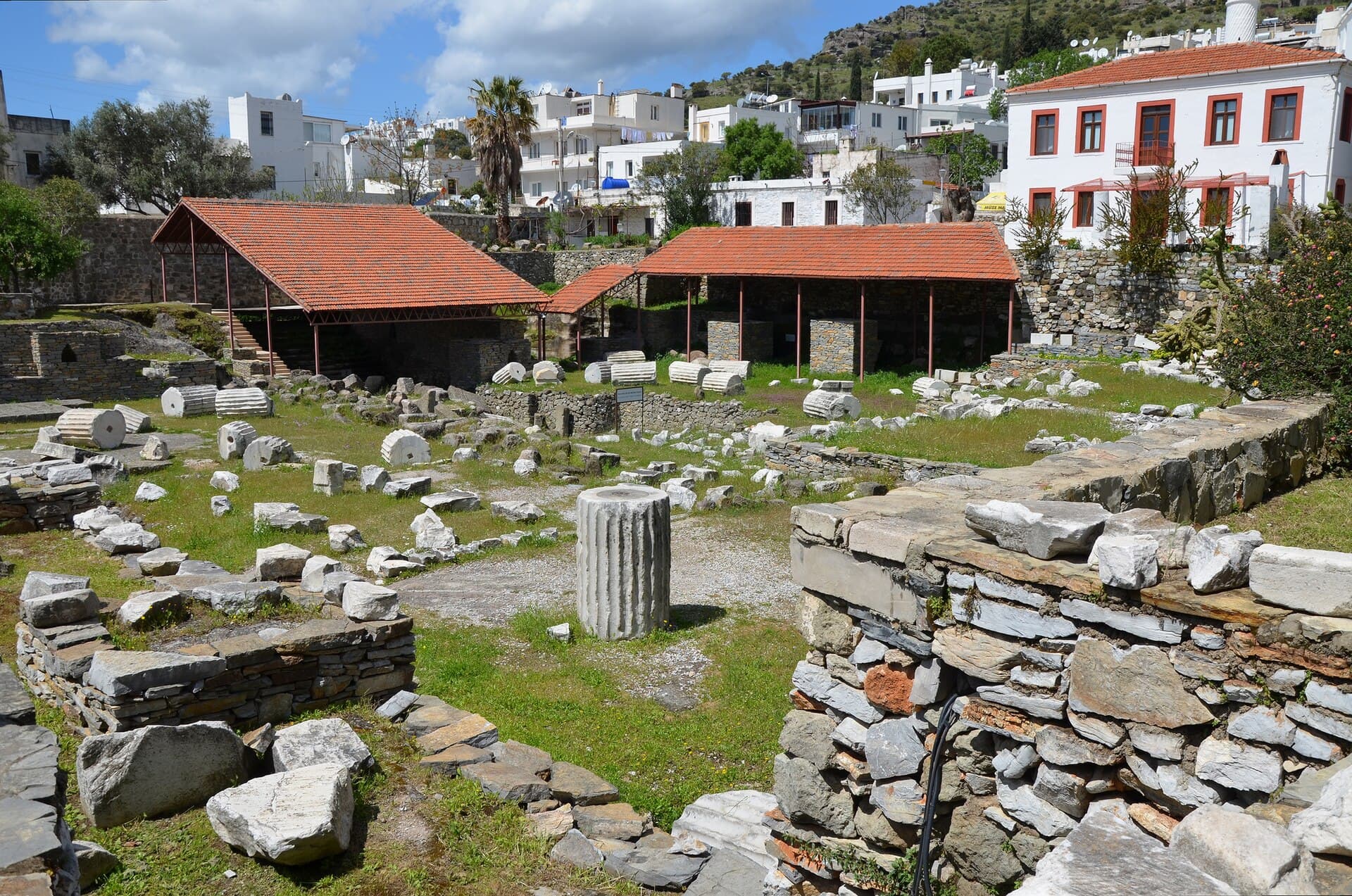 Mausoleum at HalicarnassusEvery grand tomb on earth borrows its name from the man buried here. Mausolus, w11 min walk4.3
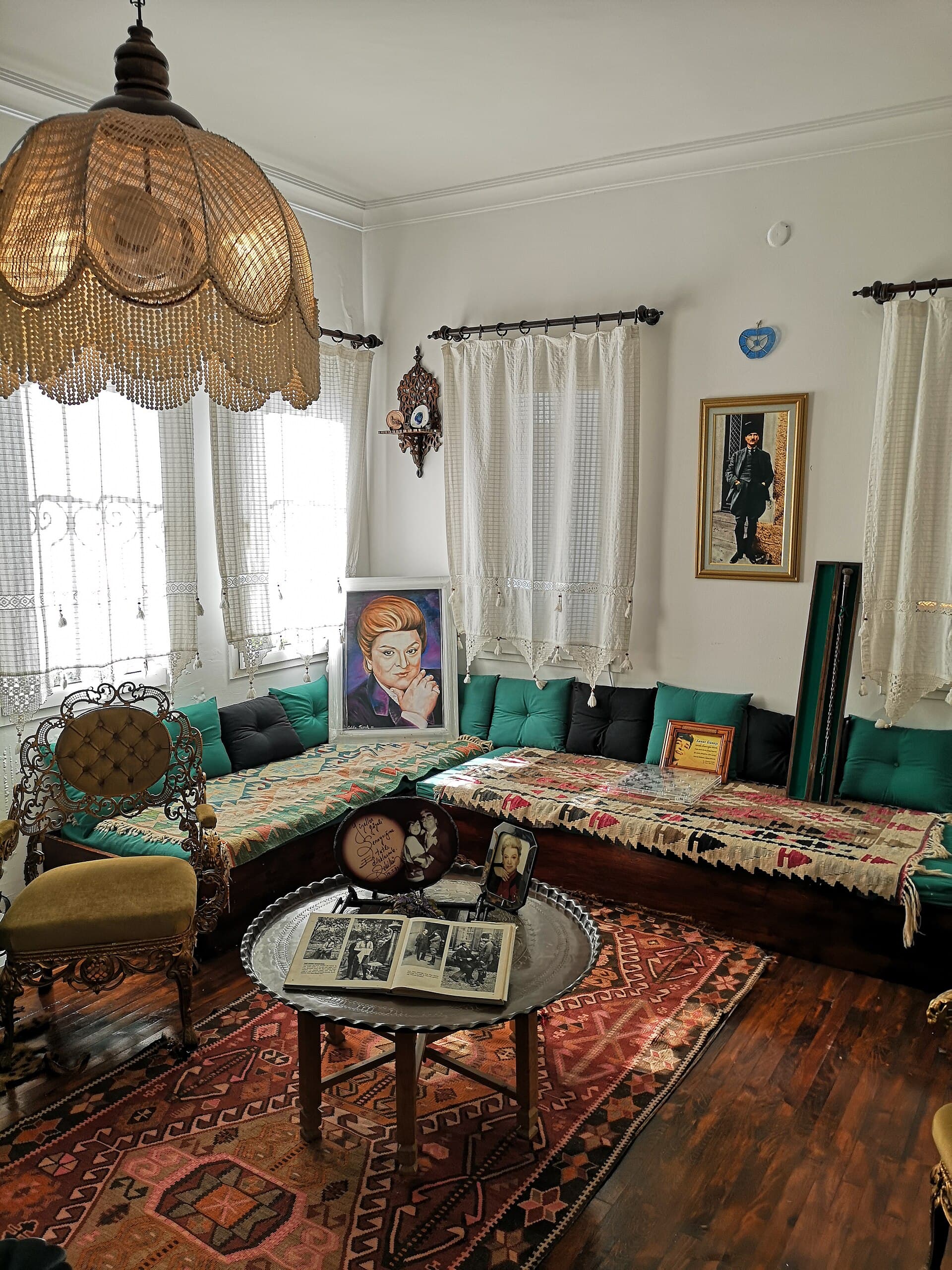 Zeki Müren Art MuseumIn September 1996 Zeki Müren walked out of his house on Kumbahçe bay to be honou12 min walk4.7
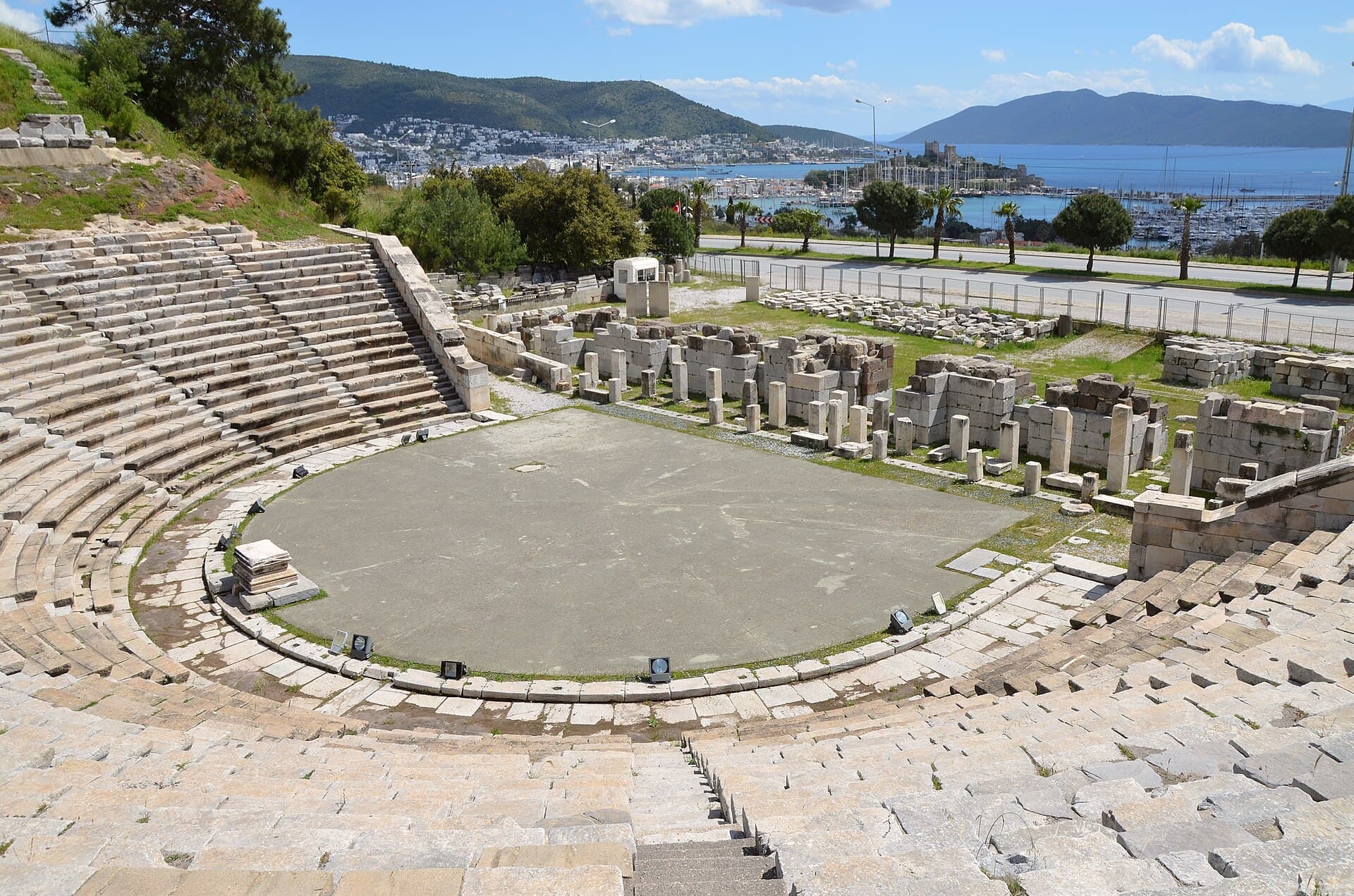 Ancient Theatre of HalicarnassusThese stone tiers are more than seventeen centuries older than Bodrum Castle, ye15 min walk4.4
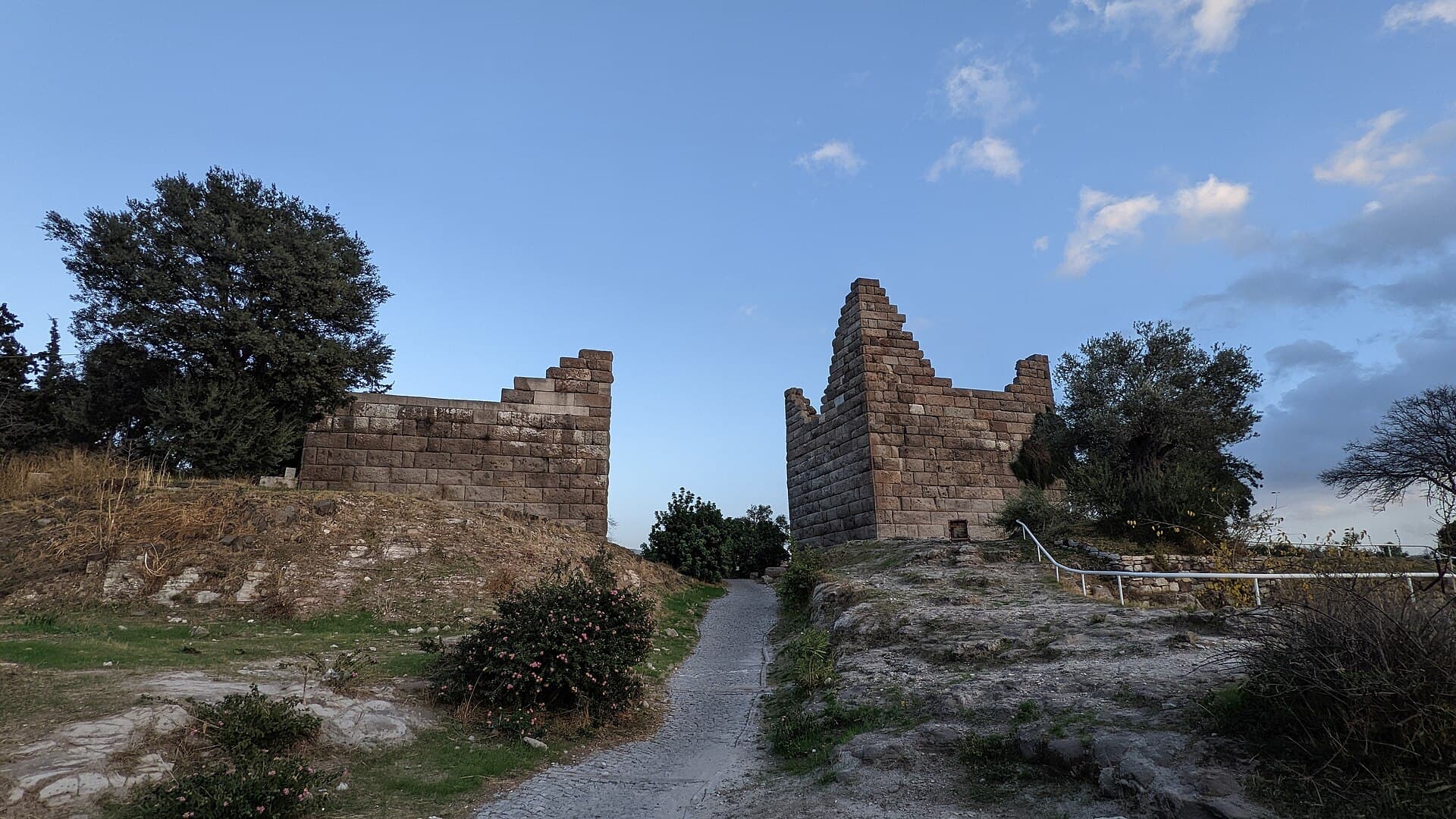 Myndos GateAlexander the Great was held up here, at least for a while. In 334 BC he laid si20 min walk4.1
You can admire the outside for free from any harbour cafe, but the underwater museum inside has no equal in Türkiye, so go in if history interests you or you have children with you. On a short, budget-conscious stop in Bodrum, the Mausoleum site and the harbour front will do.
Yes, if you arrive at opening or come for the night session, with water and hats. There are many steps and a pushchair will not get through, so carry little ones or use a sling; children of six and up genuinely enjoy the shipwreck stories.
Sign in to write your review of this place.
No reviews yet — be the first.