
An early setback for Alexander
The western walls here beat back his first assaults on Halicarnassus in 334 BC before the city fell.
Vano111ru — CC BY-SA 4.0 · Tirebolu — CC BY-SA 4.0 · S.L.Kozhin — CC BY-SA 3.0 · Tanya Dedyukhina — CC BY 3.0
Alexander the Great was held up here, at least for a while. In 334 BC he laid siege to Halicarnassus, the city that is now Bodrum, and the western walls around this gate saw some of the early fighting. The defenders had dug a moat in front of the walls that the historian Arrian puts at about thirty cubits wide and fifteen deep, roughly 13 metres by 7, and the Macedonians had to fill it before their siege towers could reach the stonework; local tradition holds that the first push on the Myndos side cost Alexander dearly. The city fell soon afterwards, but the gate can fairly claim to be one of the few obstacles that one of history's most relentless conquerors failed to take at the first attempt. The wall it belonged to was the work of Mausolus, the satrap of Caria whose tomb gave us the word mausoleum, who ringed the city with roughly seven kilometres of fortification in the 360s BC. Of all that, this is the only stretch left standing in any meaningful way: two towers with the gateway passage between them, a run of wall, and the trace of the moat. The name comes from the road that led out of it towards Myndos at the tip of the peninsula. The gate was restored at the end of the 1990s, the first phase of work on the towers and walls north of it finished in 1999, and set inside a small landscaped park edged by vaulted Hellenistic and Roman tombs, most of them opened by the British archaeologist Newton in the nineteenth century. Be honest about what this is: a fifteen-to-twenty-minute stop with little signage, and if you do not arrive knowing the Alexander story you may see only tidy stonework beside a busy road. But it is free, always open, and about 1.5 km west of the harbour, so you can walk it or hop on any Gümbet dolmuş. The park paths are generally easy with a pushchair, with no stairs worth mentioning. Fold it into a wider loop: the windmills on the ridge above look over both bays, and the ancient theatre on the main road is close by. In August heat go early or towards sunset, since there is almost no shade among the stones; in winter the park is quiet, rain-washed and entirely yours.
The western walls here beat back his first assaults on Halicarnassus in 334 BC before the city fell.
Two towers, a stretch of wall and the moat, the only standing piece of a seven-kilometre circuit.
Vaulted graves ring the small park, most of them opened by Newton in the nineteenth century.
Cafer Paşa Caddesi, Yeniköy, Bodrum
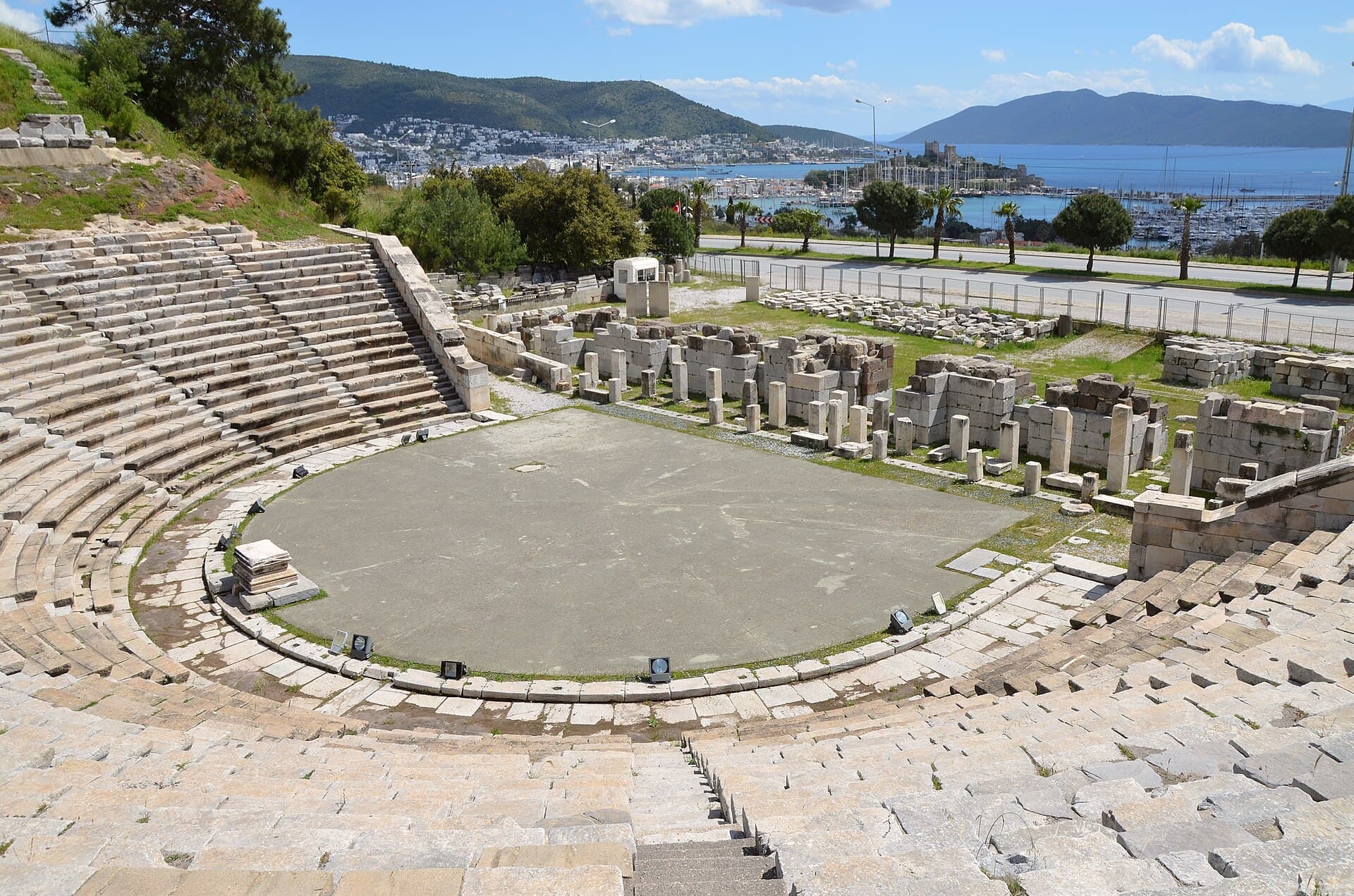 Ancient Theatre of HalicarnassusThese stone tiers are more than seventeen centuries older than Bodrum Castle, ye10 min walk4.4
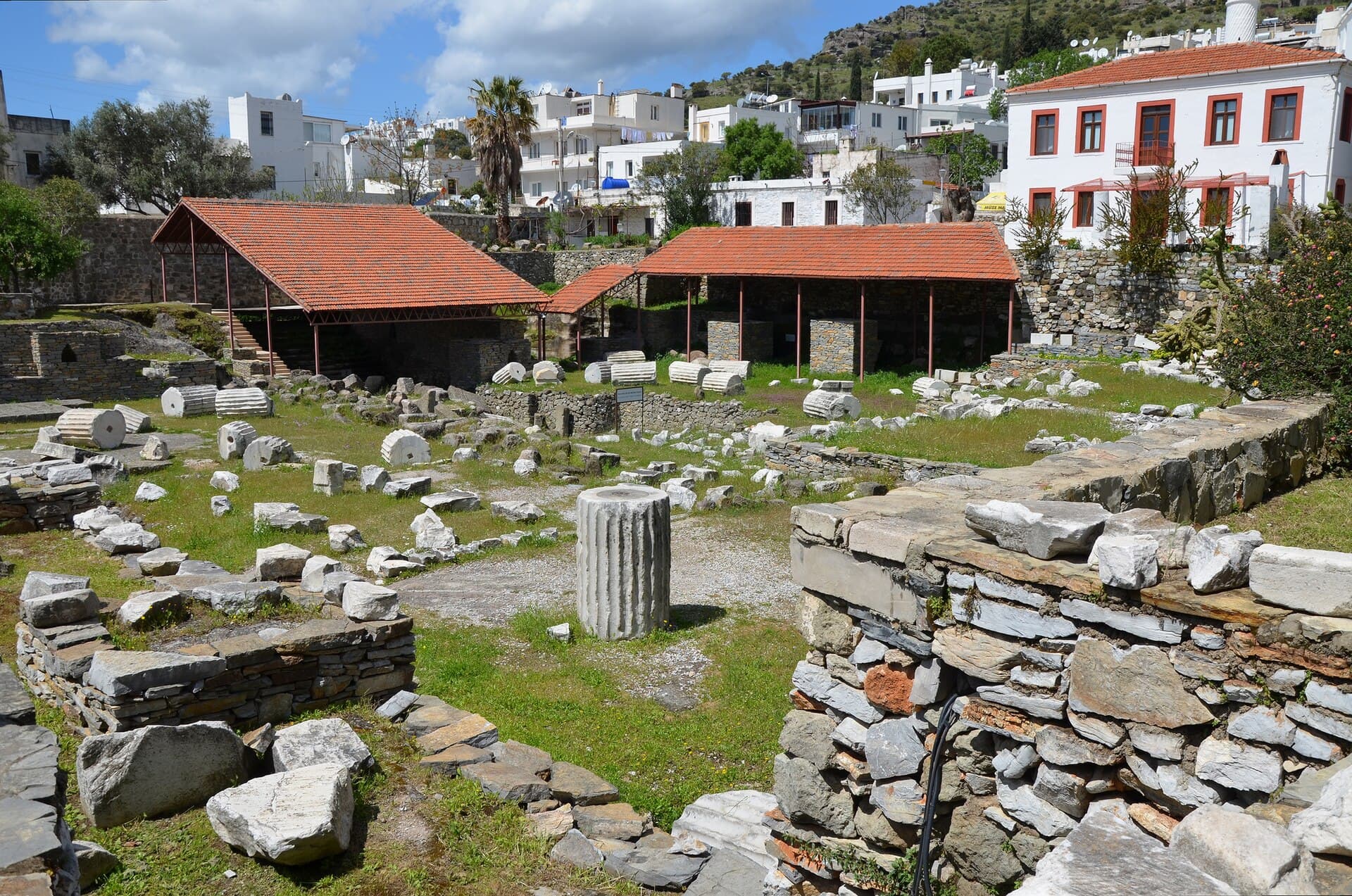 Mausoleum at HalicarnassusEvery grand tomb on earth borrows its name from the man buried here. Mausolus, w12 min walk4.3
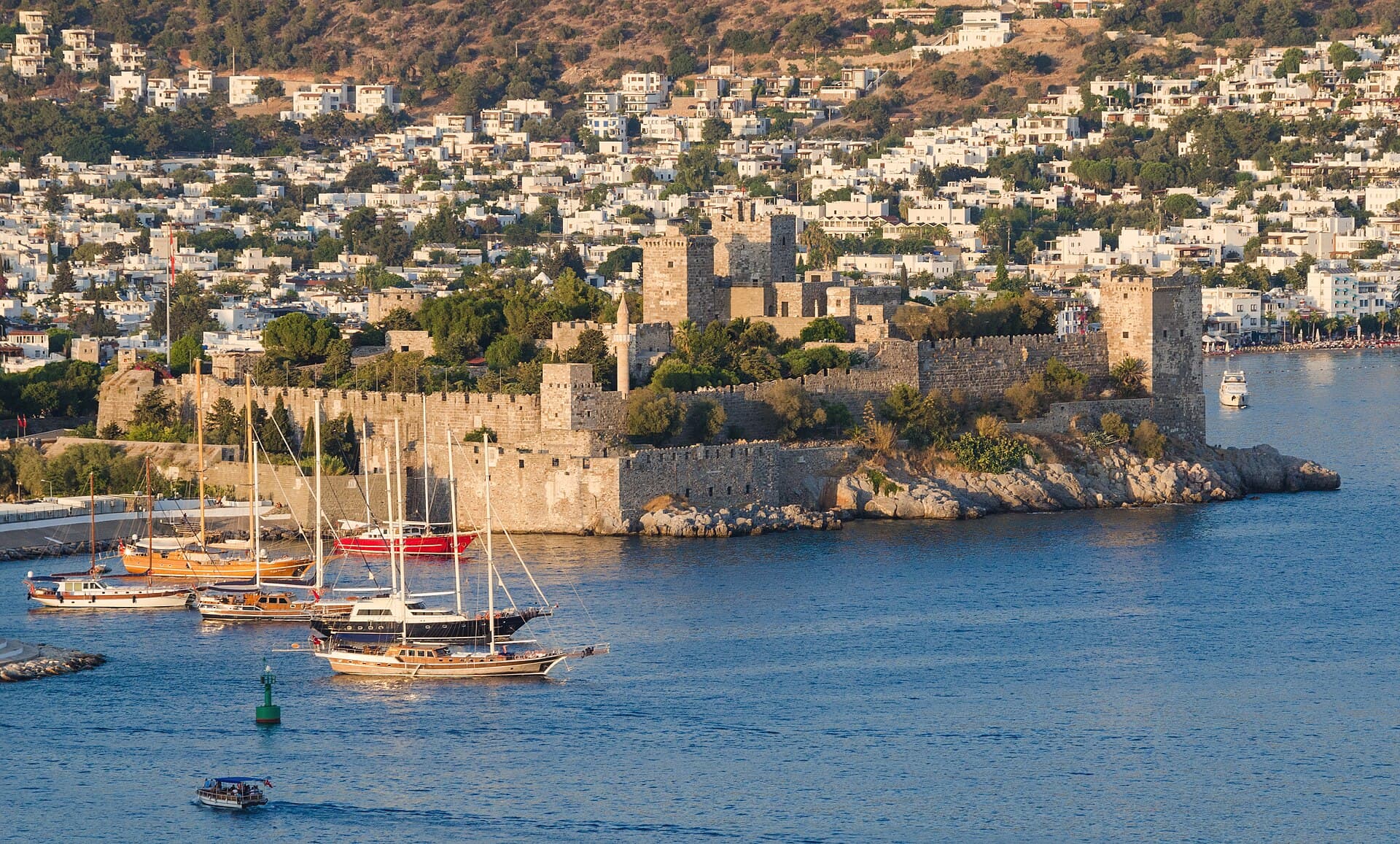 Bodrum CastleThe stones of one of the Seven Wonders of the Ancient World are holding up these20 min walk4.7
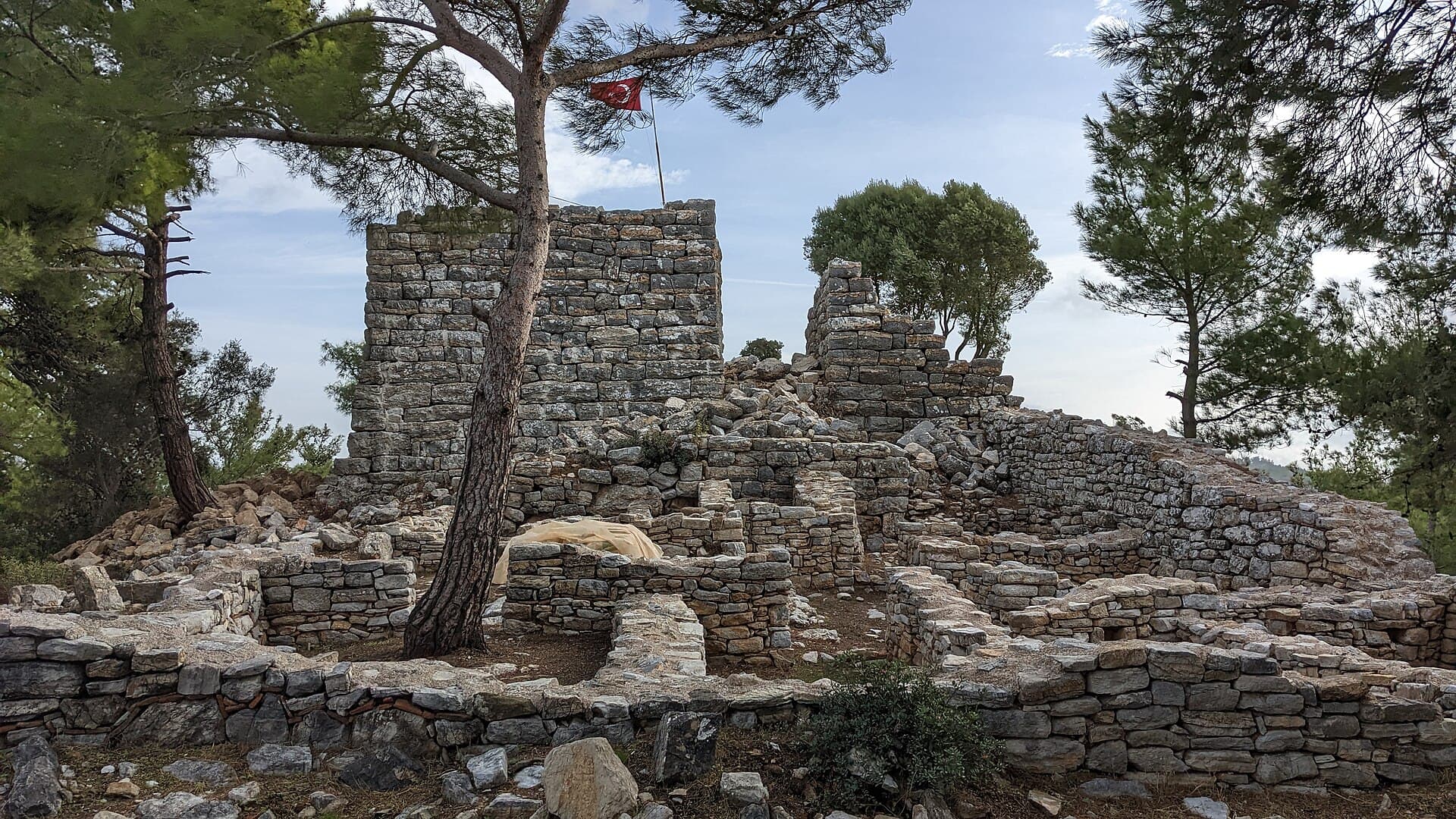 Pedasa Ancient CityLong before Halicarnassus grew into a great city, the people of this pine-covere24 min walk4.4
Not a dedicated trip; the castle is Bodrum's real historic sight. But the gate sits on the Gümbet road you will probably pass anyway, it is free and easy with a pushchair, so stop for twenty minutes if you are nearby rather than planning around it.
Sign in to write your review of this place.
No reviews yet — be the first.