
The view from the top rows
Castle, harbour and Karaada in one frame, with Kos and Datça on a clear day.
Carole Raddato from FRANKFURT, Germany — CC BY-SA 2.0 · Carole Raddato from FRANKFURT, Germany — CC BY-SA 2.0 · Mickapr — CC BY-SA 4.0 · Yurekli74 at Turkish Wikipedia — Public domain
These stone tiers are more than seventeen centuries older than Bodrum Castle, yet traffic rolls past a few metres below them as if the theatre were part of the ring road. It was cut into the southern flank of Göktepe hill in the 4th century BC, in the reign of Mausolus, the ruler of Halicarnassus better remembered for his tomb, and the Romans later enlarged it. Estimates put its original capacity at ten thousand or more, with some sources going as high as thirteen thousand; after the 2002 restoration only around 3,100 seats are usable today. The real reason to climb is not the masonry but what you see over it. From the upper rows the harbour, the castle and the island of Karaada sit framed in the water, and on a clear day Greek Kos and the Datça peninsula show on the horizon. You are standing where the ancient townspeople looked down on a port that has not moved since. In the orchestra a small altar to Dionysus survives, where offerings were made before performances, and between some seats are holes that probably held the poles of cloth awnings. Excavation by the Bodrum Museum in 2006 uncovered tunnels and rooms carved into the soft rock behind the seating; they are not open to visitors. Keep expectations honest: the site is small, there is no shade, and the road noise never stops. Twenty to thirty minutes is plenty, and it does not justify a dedicated taxi ride from the hotels in Turgutreis or on the north coast of the peninsula; fold it into a twenty-minute uphill walk from the harbour, or pull over when you are driving past. The steps are tall and uneven, fine for children who walk confidently, hopeless for pushchairs. In July and August go before ten in the morning or in the last hour before closing. Entry is free; the site belongs to the Ministry of Culture and closes on Mondays. The moment the theatre comes back to life is on summer evenings, when the tiers are lit for Bodrum festival concerts and the thirty or so events staged here each year. If your dates line up with a performance, that is the visit worth remembering.
Castle, harbour and Karaada in one frame, with Kos and Datça on a clear day.
A small altar in the orchestra where offerings were made before each performance.
Around thirty concerts and events a year give the tiers back their original job.
Yeniköy Mahallesi, Kıbrıs Şehitleri Caddesi (ring road), Bodrum 48440
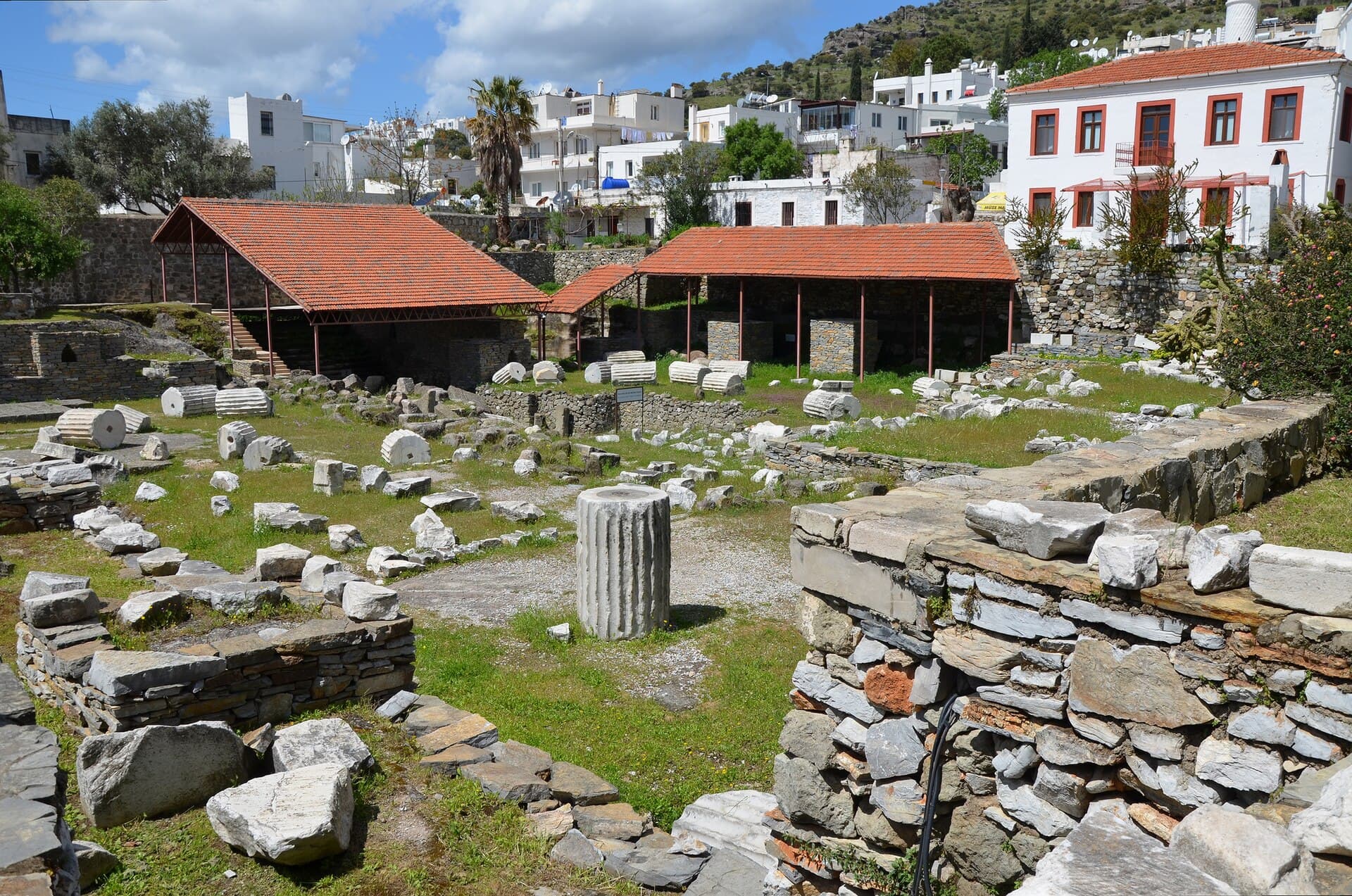 Mausoleum at HalicarnassusEvery grand tomb on earth borrows its name from the man buried here. Mausolus, w4 min walk4.3
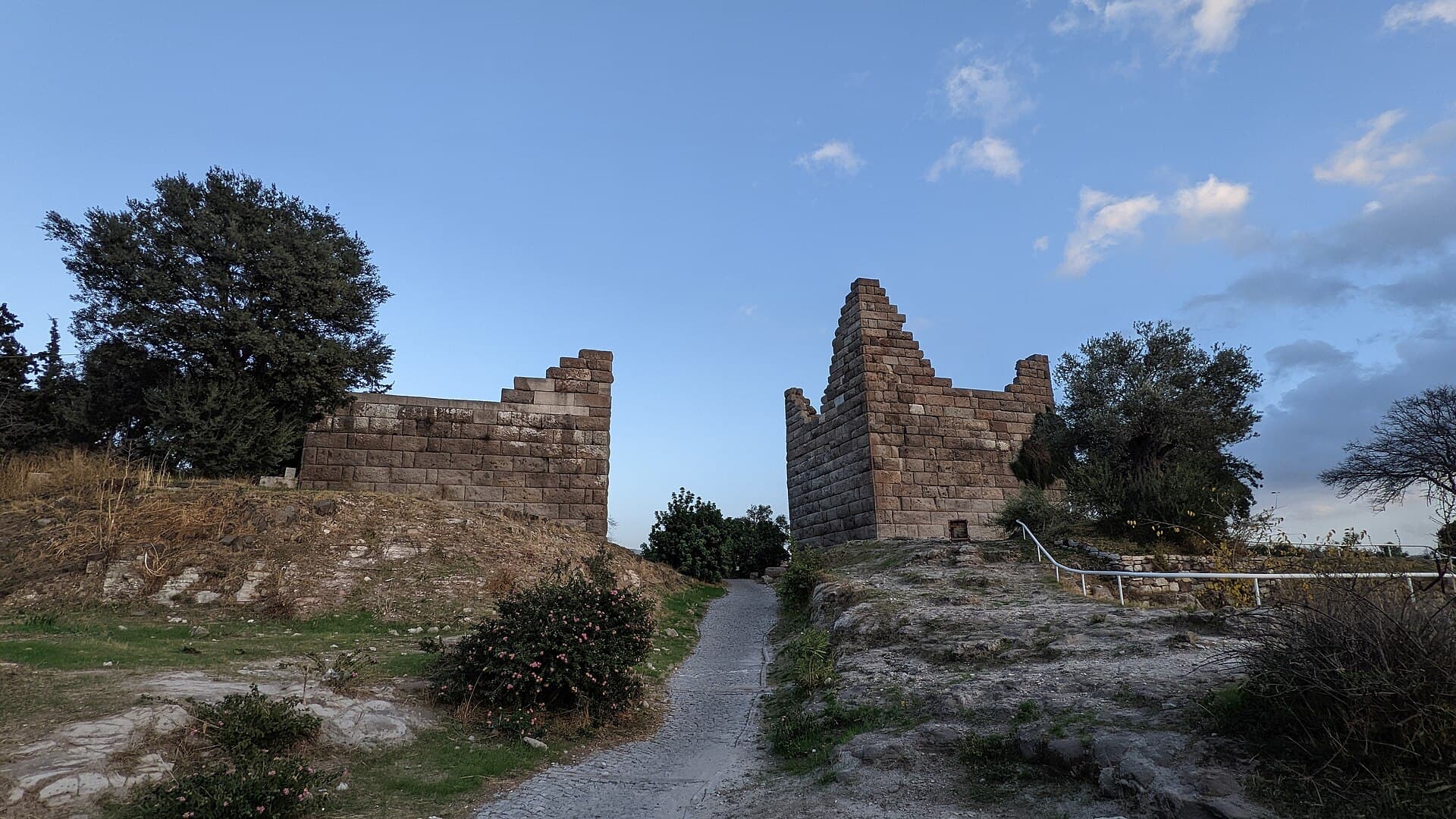 Myndos GateAlexander the Great was held up here, at least for a while. In 334 BC he laid si10 min walk4.1
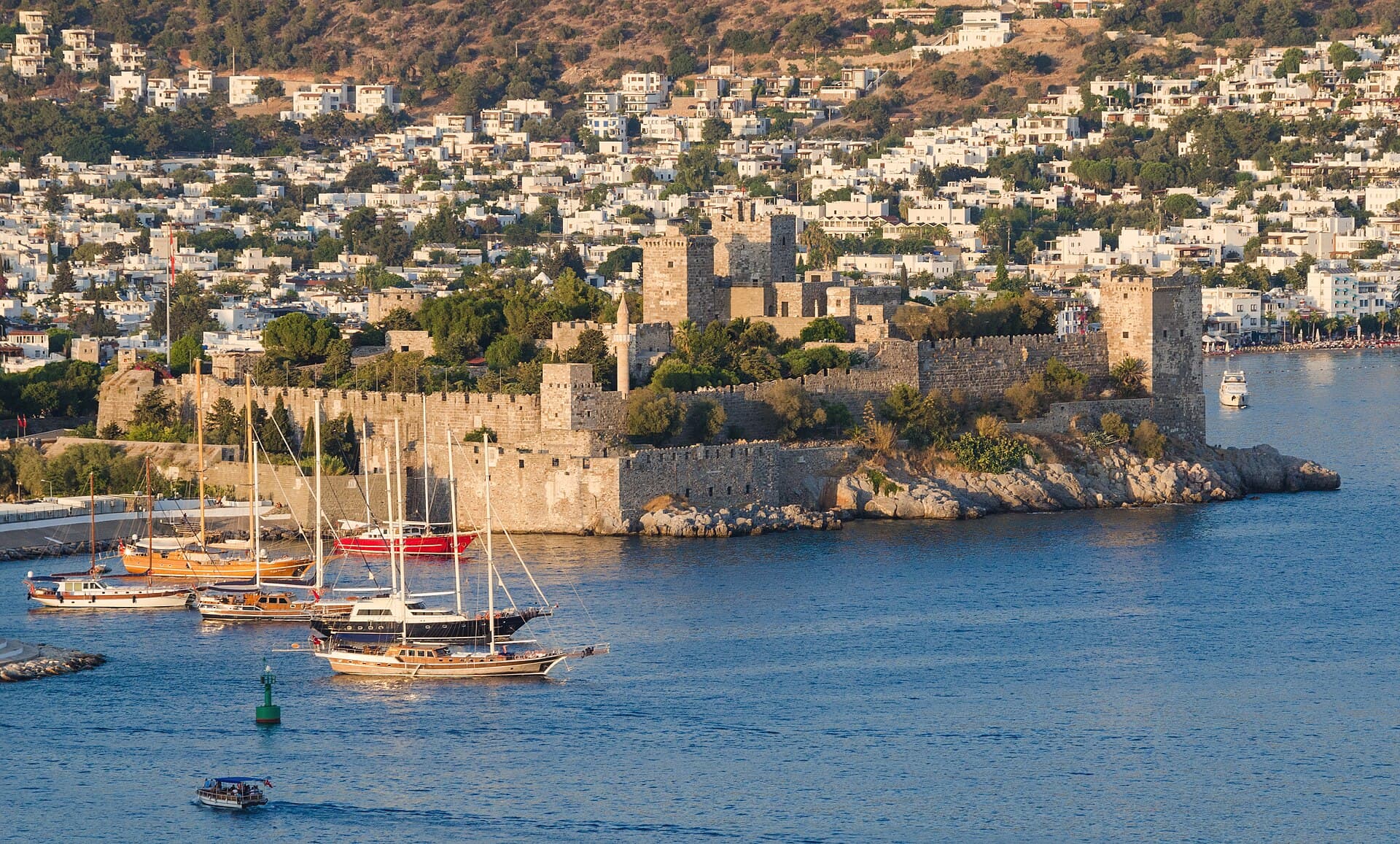 Bodrum CastleThe stones of one of the Seven Wonders of the Ancient World are holding up these15 min walk4.7
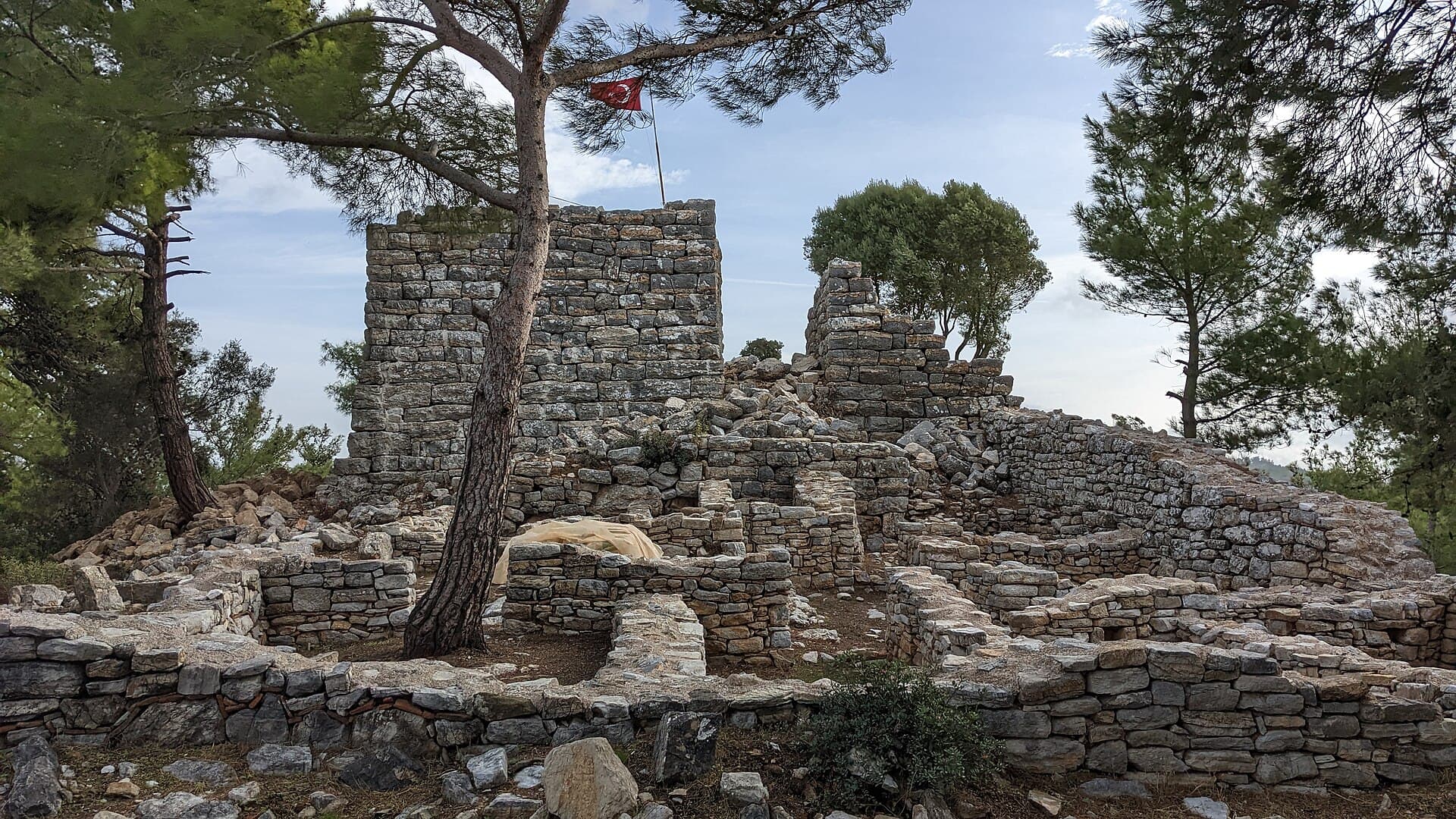 Pedasa Ancient CityLong before Halicarnassus grew into a great city, the people of this pine-covere22 min walk4.4
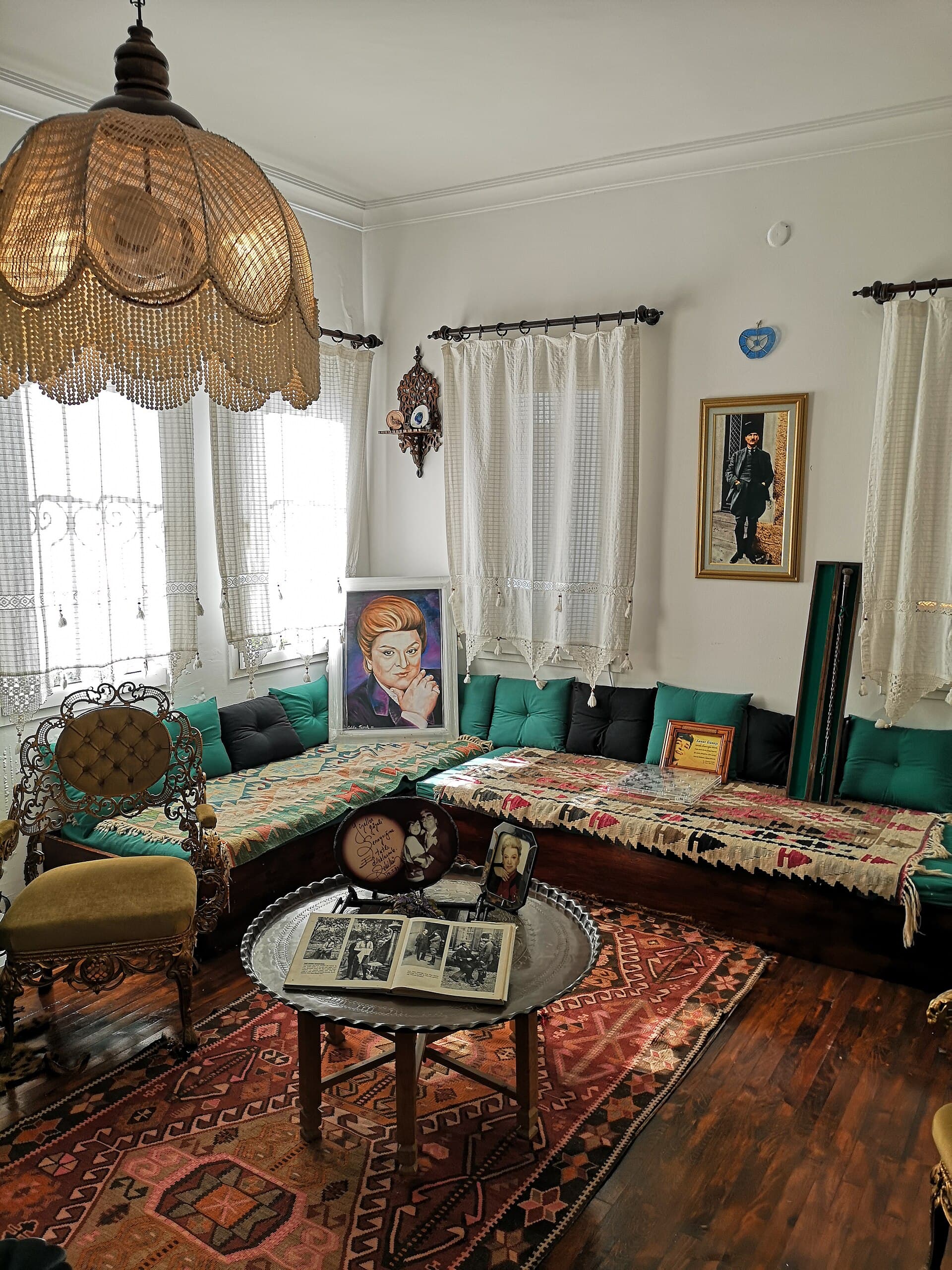 Zeki Müren Art MuseumIn September 1996 Zeki Müren walked out of his house on Kumbahçe bay to be honou25 min walk4.7
Not on its own. The castle is the real morning out; the theatre is a twenty-minute stop you fold into a walk up from the harbour or a pull-over on the ring road. The one exception is an evening concert that happens to fall on your dates.
Confident walkers will enjoy scrambling up the tiers, but a pushchair gets no further than the entrance level: the steps are tall and uneven and there is no shade. In summer come before ten in the morning.
Sign in to write your review of this place.
No reviews yet — be the first.