
The model and the film
The covered hall holds a model of the tomb as it stood and a short film that rebuilds it, which is what gives the pit outside its meaning.
FollowingHadrian — CC BY-SA 4.0 · Carole Raddato from FRANKFURT, Germany — CC BY-SA 2.0 · Carole Raddato from FRANKFURT, Germany — CC BY-SA 2.0 · Mickapr — CC BY-SA 4.0
Every grand tomb on earth borrows its name from the man buried here. Mausolus, who ruled Caria in the fourth century BC, was given a tomb by his wife Artemisia that rose around 45 metres, carried sculpture by the finest Greek artists of the age, and earned a place among the Seven Wonders of the Ancient World; the word 'mausoleum' is his. Medieval earthquakes brought it down, the Knights of St John carted its blocks into their castle on the harbour in the fifteenth century, and the best of what survived of its statues and frieze ended up in the British Museum in London. So know this before you climb the hill: you are visiting the trace of a wonder, not a wonder. There is the foundation cut hewn into bedrock, the sloping passage that led to the burial chamber, and a small garden of column drums and marble fragments. The covered hall is what rescues the visit: original pieces from the Danish excavations of 1966 to 1977, a model of the tomb as it stood, and a short film that rebuilds it layer by layer, after which the stones outside finally make sense. The site is five minutes' walk uphill from the harbour, entry is 3 euros for foreigners, and most people are done in twenty to thirty minutes. The ground is largely level and fine for a pushchair, but shade is scarce, so in July and August come first thing in the morning. The ideal order is mausoleum first, then the castle where its stones ended up, and the story closes at both ends in a single half day. Closed on Mondays all year.
The covered hall holds a model of the tomb as it stood and a short film that rebuilds it, which is what gives the pit outside its meaning.
The only trace still in place: the bedrock cut for the foundations and the sloping passage that once led to the tomb of Mausolus.
The same squared blocks of green volcanic stone are visible in the walls of Bodrum Castle; seeing both is the only way to see the wonder whole.
Turgutreis Caddesi No. 93, Tepecik Mahallesi, Bodrum
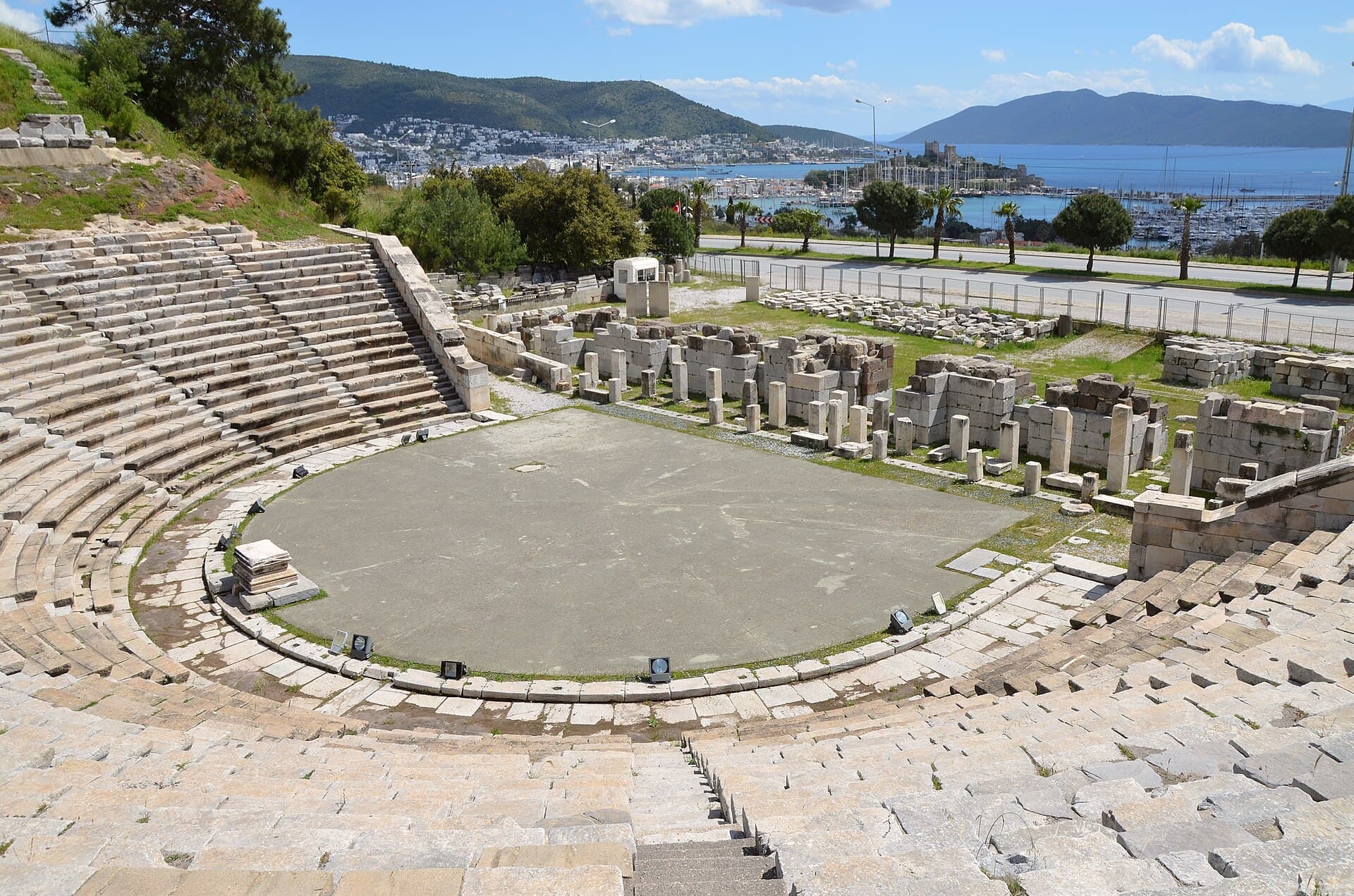 Ancient Theatre of HalicarnassusThese stone tiers are more than seventeen centuries older than Bodrum Castle, ye4 min walk4.4
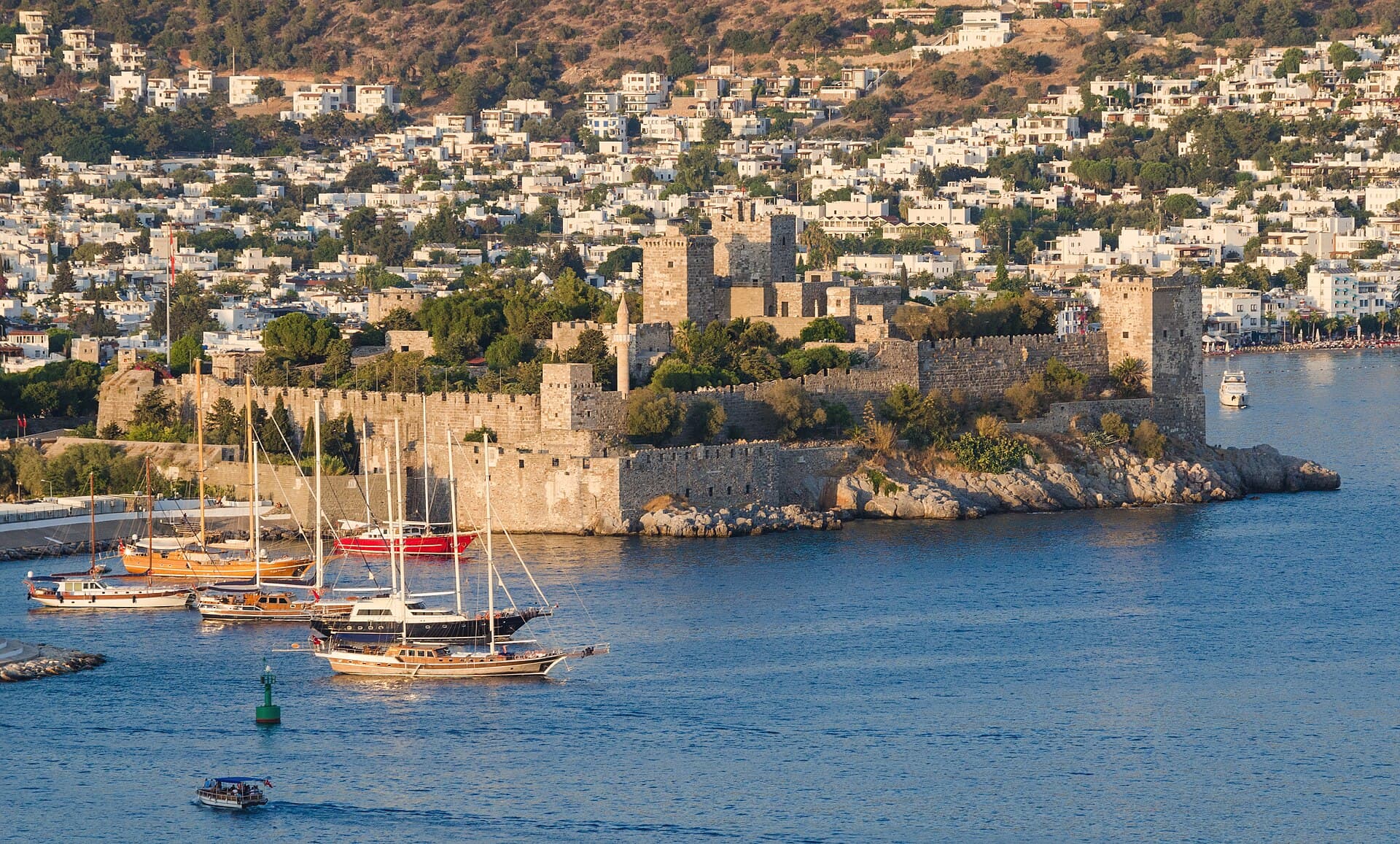 Bodrum CastleThe stones of one of the Seven Wonders of the Ancient World are holding up these11 min walk4.7
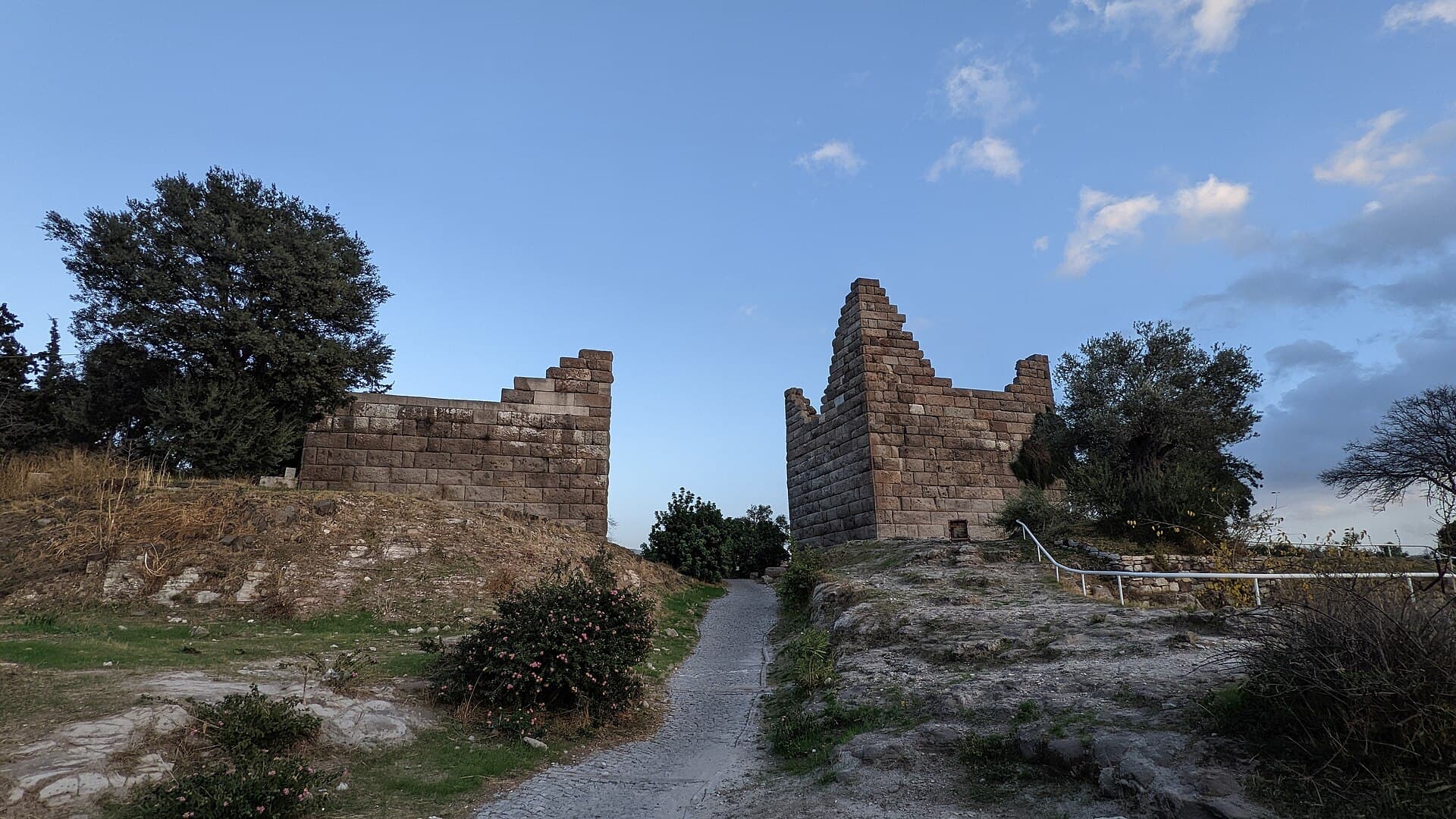 Myndos GateAlexander the Great was held up here, at least for a while. In 334 BC he laid si12 min walk4.1
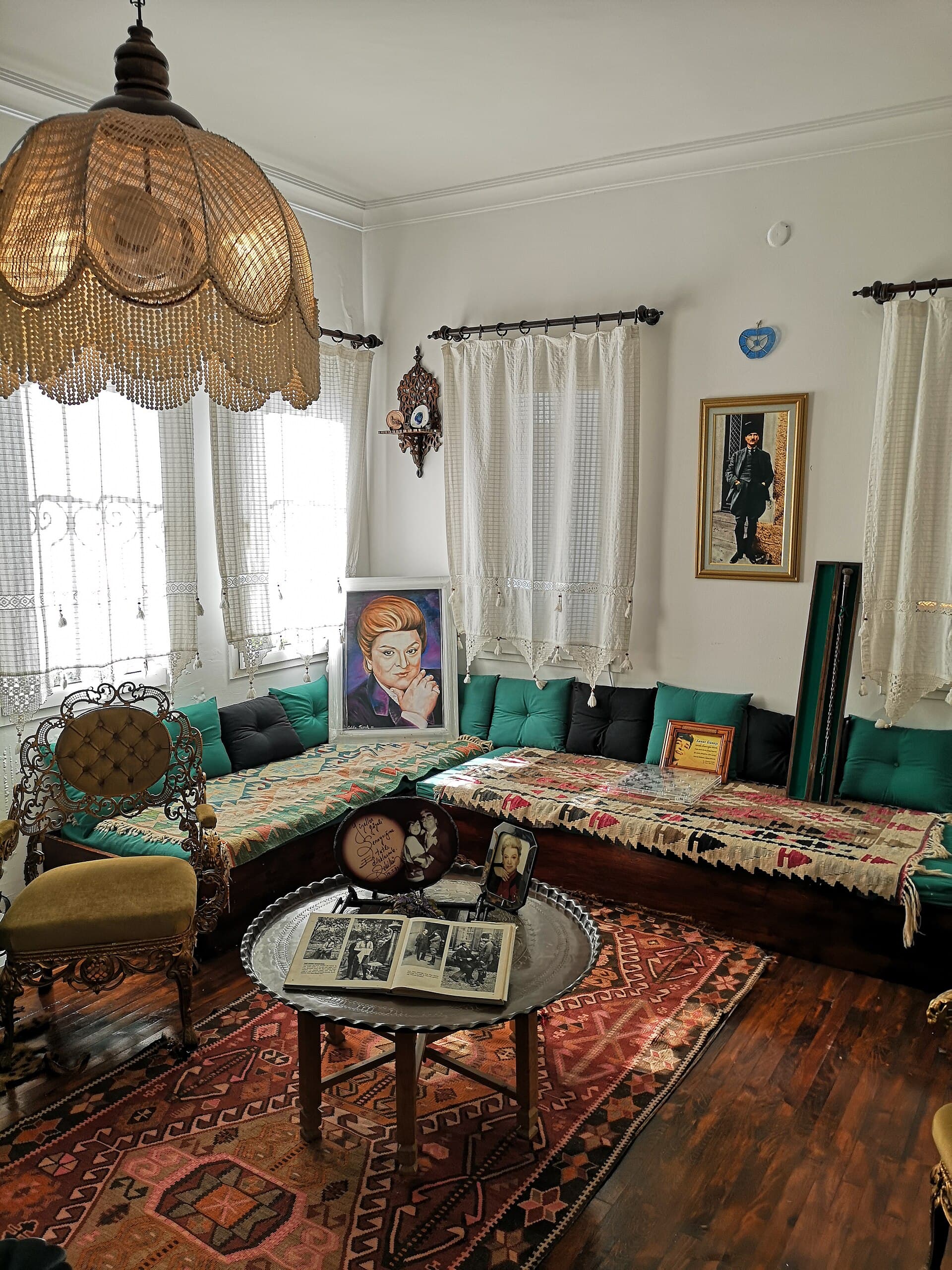 Zeki Müren Art MuseumIn September 1996 Zeki Müren walked out of his house on Kumbahçe bay to be honou20 min walk4.7
The castle, without hesitation; it has the underwater archaeology museum, the harbour views and a full half day in it. The mausoleum is half an hour and 3 euros, add it on the way if the story appeals, and skip it without regret if time is short or the children are flagging.
No. The colossal figures and frieze slabs have been in the British Museum in London since the nineteenth century; what you see in Bodrum is smaller fragments from the excavations, with a model standing in for what is missing.
Sign in to write your review of this place.
No reviews yet — be the first.