
Five greenhouses
Tropical, succulent, orchid and carnivorous collections.
Z thomas — CC BY-SA 3.0 · Bybbisch94 — CC BY 4.0 · Bybbisch94 — CC BY 4.0 · Bybbisch94 — CC BY 4.0
Dresden's first botanical garden dates from eighteen twenty, but the one you can walk into was laid out from eighteen eighty-nine by the botanist Oscar Drude and opened in eighteen ninety-three. It still belongs to Dresden University of Technology and fills a north-western corner of the Grosser Garten no bigger than three and a quarter hectares. For that size the holdings are startling: around ten thousand plant species, arranged on scientific rather than decorative principles. There are sections for the flora of Asia and of North America, an alpine garden of European high-mountain plants, an unusually large collection of annuals, and beds set aside for medicinal and poisonous species. Five greenhouses covering about a thousand square metres hold roughly three thousand species between them, split into tropical, succulent, orchid and carnivorous collections. Entry is completely free, which is the best thing about it. The greenhouses do not open before ten in the morning even when the outer gate is already unlocked, and closing times shrink hard in winter, down to half past three in December and January. Remember what it is: a teaching garden attached to a university, with botanical Latin and German on the labels and no paths designed for photographs. An hour is enough, and it pairs naturally with the zoo next door.
Tropical, succulent, orchid and carnivorous collections.
A corner for European high-mountain plants.
Stuebelallee 2, 01307 Dresden
 Transparent FactoryVolkswagen opened this plant in two thousand and one on an odd premise: build lu3 minutes walk4.4
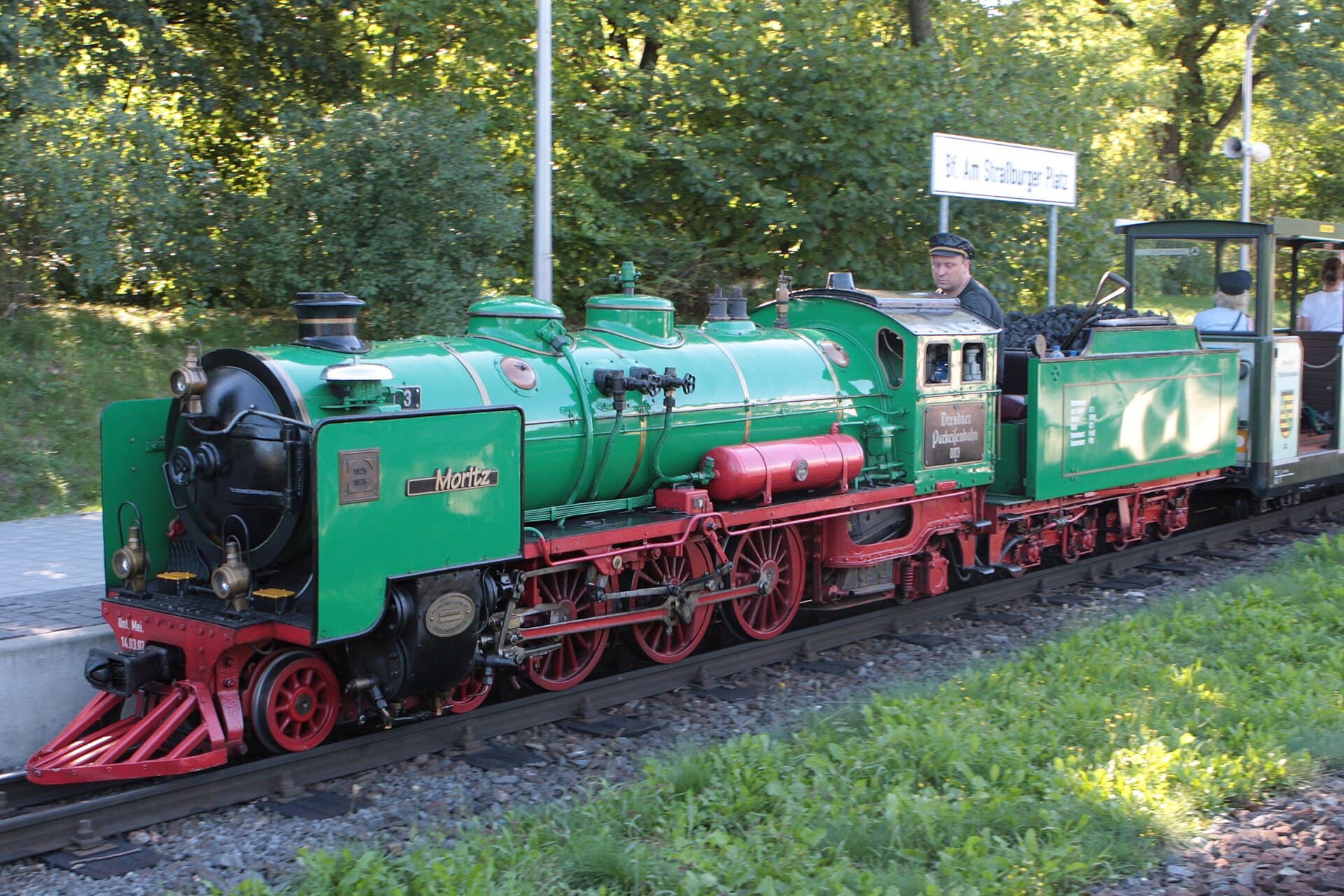 Dresden Park RailwayThe line opened on the first of June nineteen fifty as a children's railway of t5 minutes walk4.8
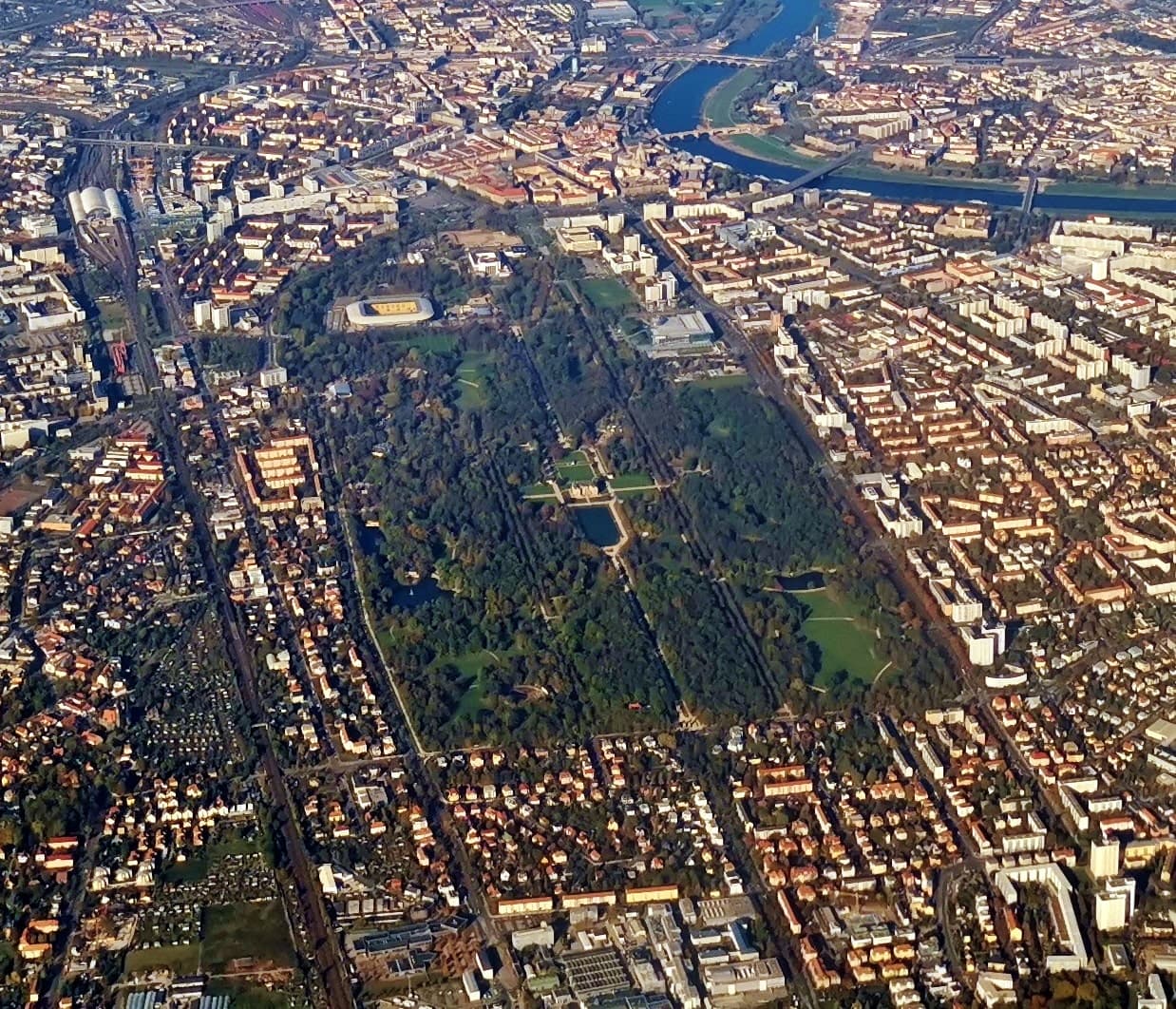 Grosser Garten DresdenThe Grosser Garten has been Dresden's breathing space for three and a half centu9 minutes walk4.9
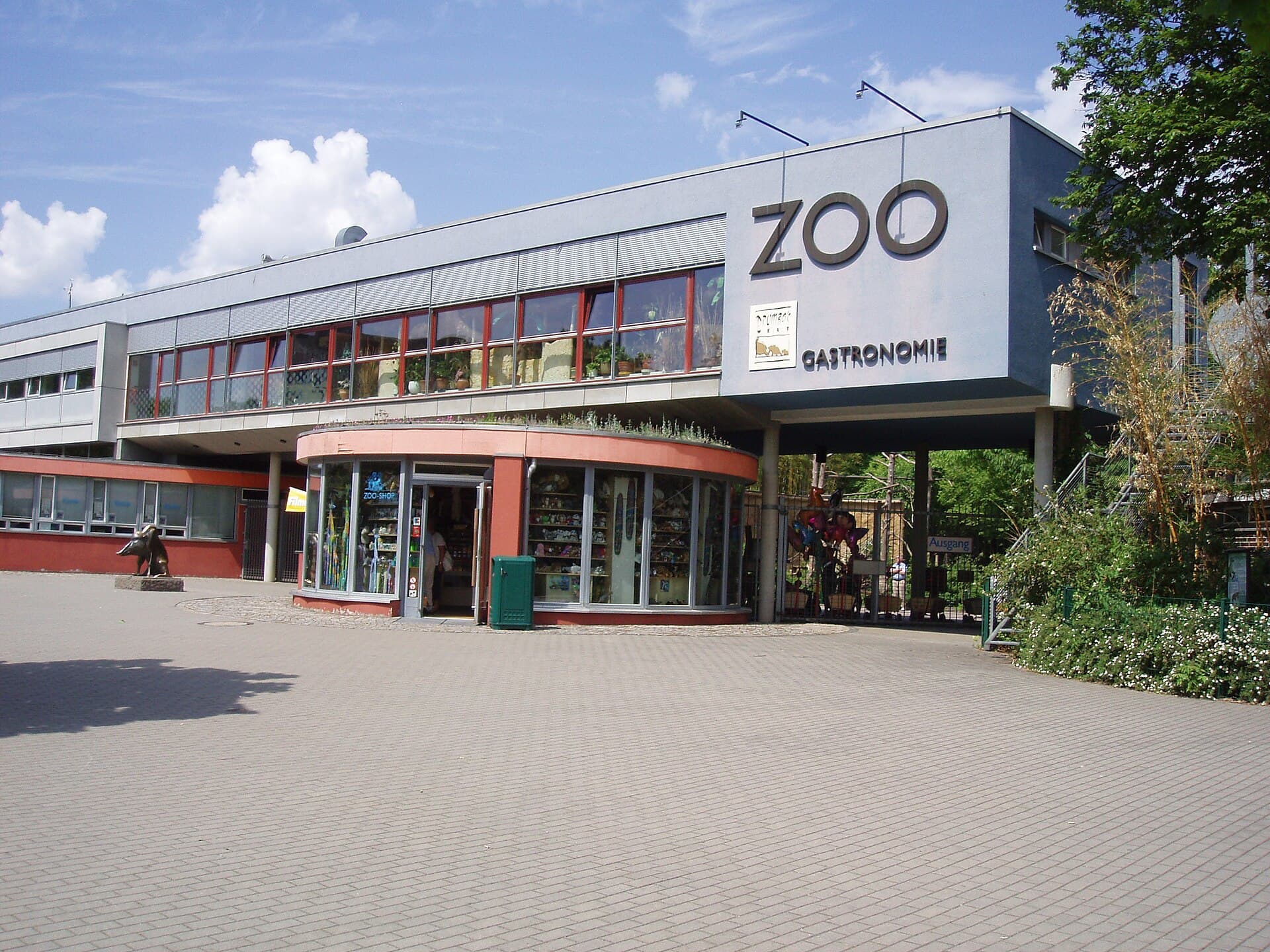 Dresden ZooDresden Zoo occupies the southern edge of the Grosser Garten and opened in eight9 minutes walk4.3
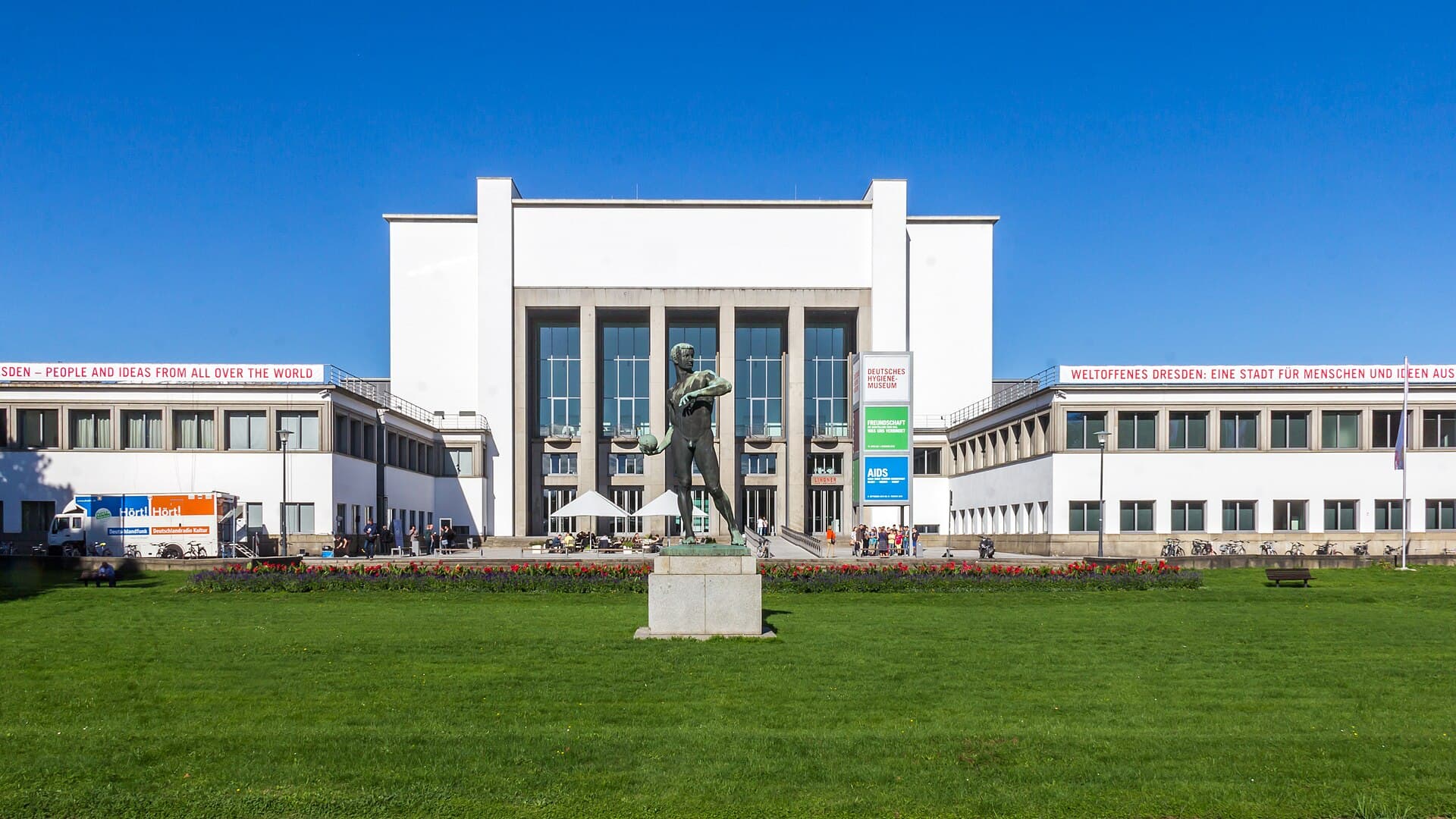 German Hygiene Museum (Museum of Humankind)Don't let the odd name mislead you — "Hygiene Museum" is a historic label from 111 minutes walk4.6
The gate is on Stuebelallee at the north-eastern edge of the Grosser Garten; the nearest tram stop is Strassburger Platz. The zoo lies at the southern end of the same park, about twenty minutes' walk through the trees or two stops on the little park railway.