
The baroque palace
A small summer palace at the avenues' crossing — the park's finest picture.
Z thomas — CC BY-SA 4.0 · Bybbisch94 — CC BY 4.0 · Bybbisch94 — CC BY 4.0 · Bybbisch94 — CC BY 4.0
The Grosser Garten has been Dresden's breathing space for three and a half centuries: a green rectangle of roughly two kilometres by two, cut by Saxony's rulers as hunting ground and then opened to the people, with a small baroque summer palace at its centre where the eight grand avenues meet. It is the locals' park more than a tourist sight: runners, cyclists and families on the lawns, open-air stages in summer, a lake with rowing boats. Through it runs the Park Railway — a narrow-gauge line operated by volunteer children and teenagers since 1950, and a guaranteed delight for the young. On its edges sit the zoo, the botanical garden and Volkswagen's "Glass Factory", making it the green lung among several sights. Trams reach it from the old town in minutes.
A small summer palace at the avenues' crossing — the park's finest picture.
A narrow-gauge line run by young volunteers — a unique tradition since 1950.
Quiet rowing under trees in the city's heart.
Hauptallee 10, 01219 Dresden
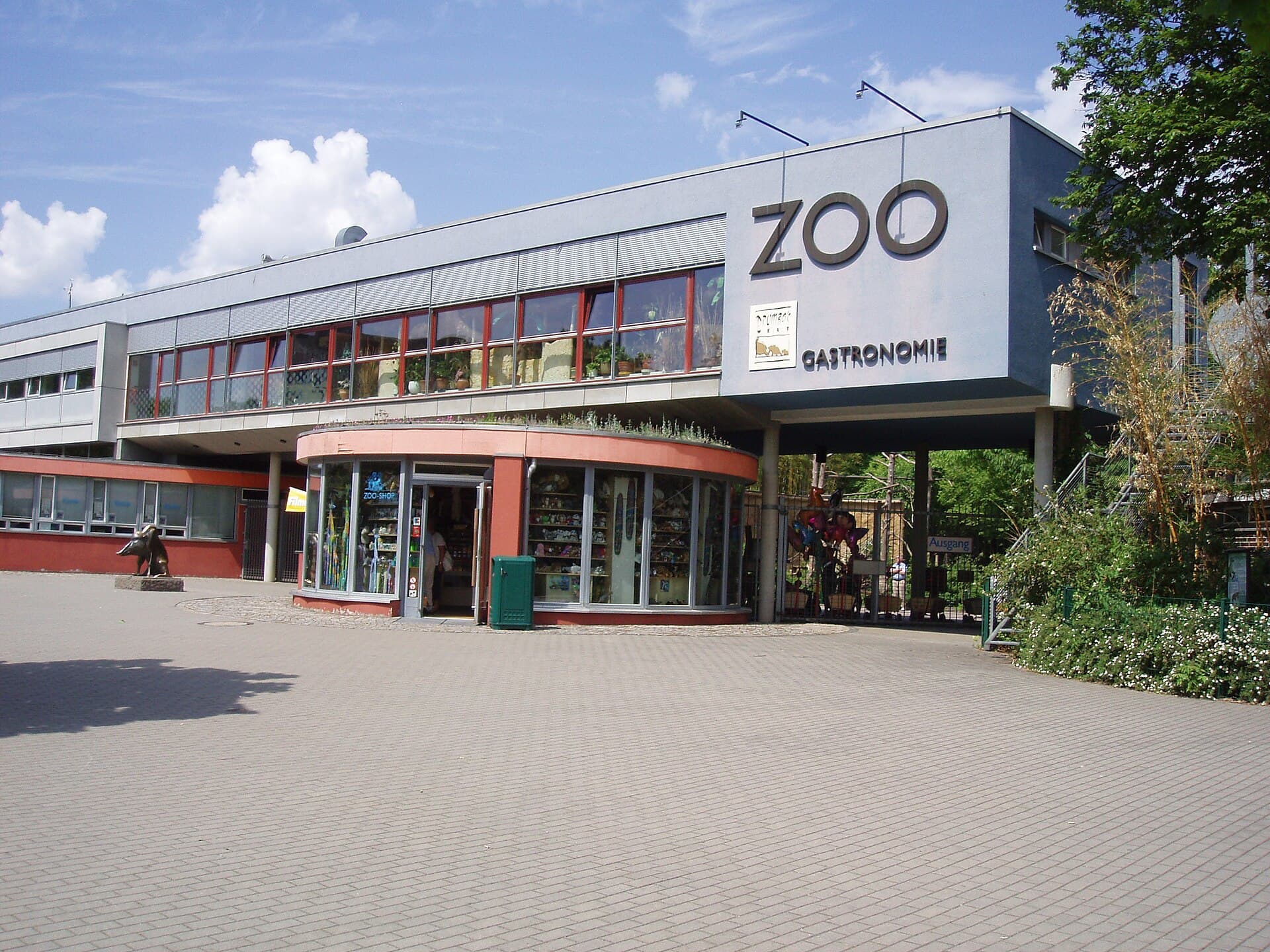 Dresden ZooDresden Zoo occupies the southern edge of the Grosser Garten and opened in eight8 minutes walk4.3
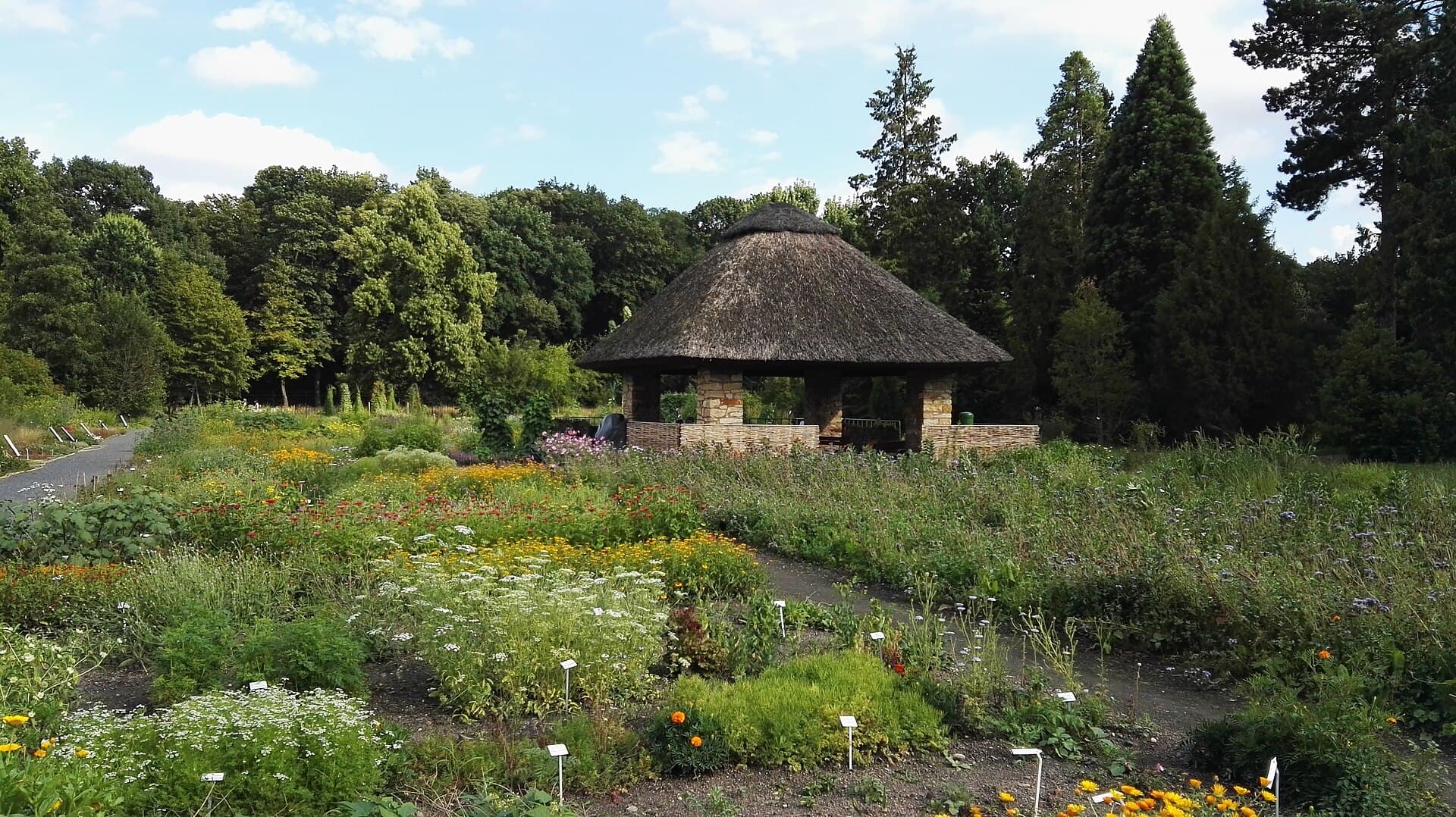 Dresden Botanical GardenDresden's first botanical garden dates from eighteen twenty, but the one you can9 minutes walk4.5
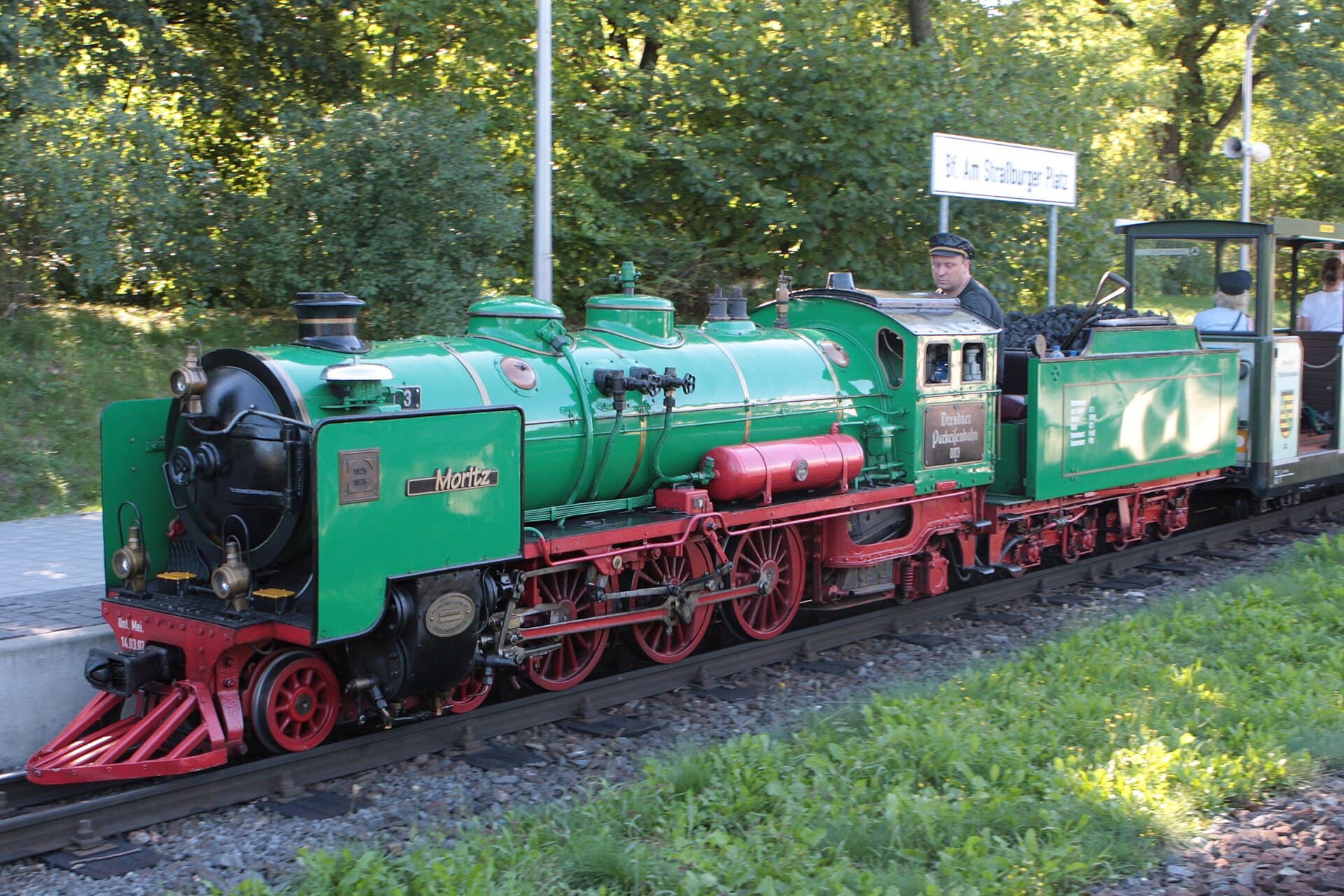 Dresden Park RailwayThe line opened on the first of June nineteen fifty as a children's railway of t11 minutes walk4.8
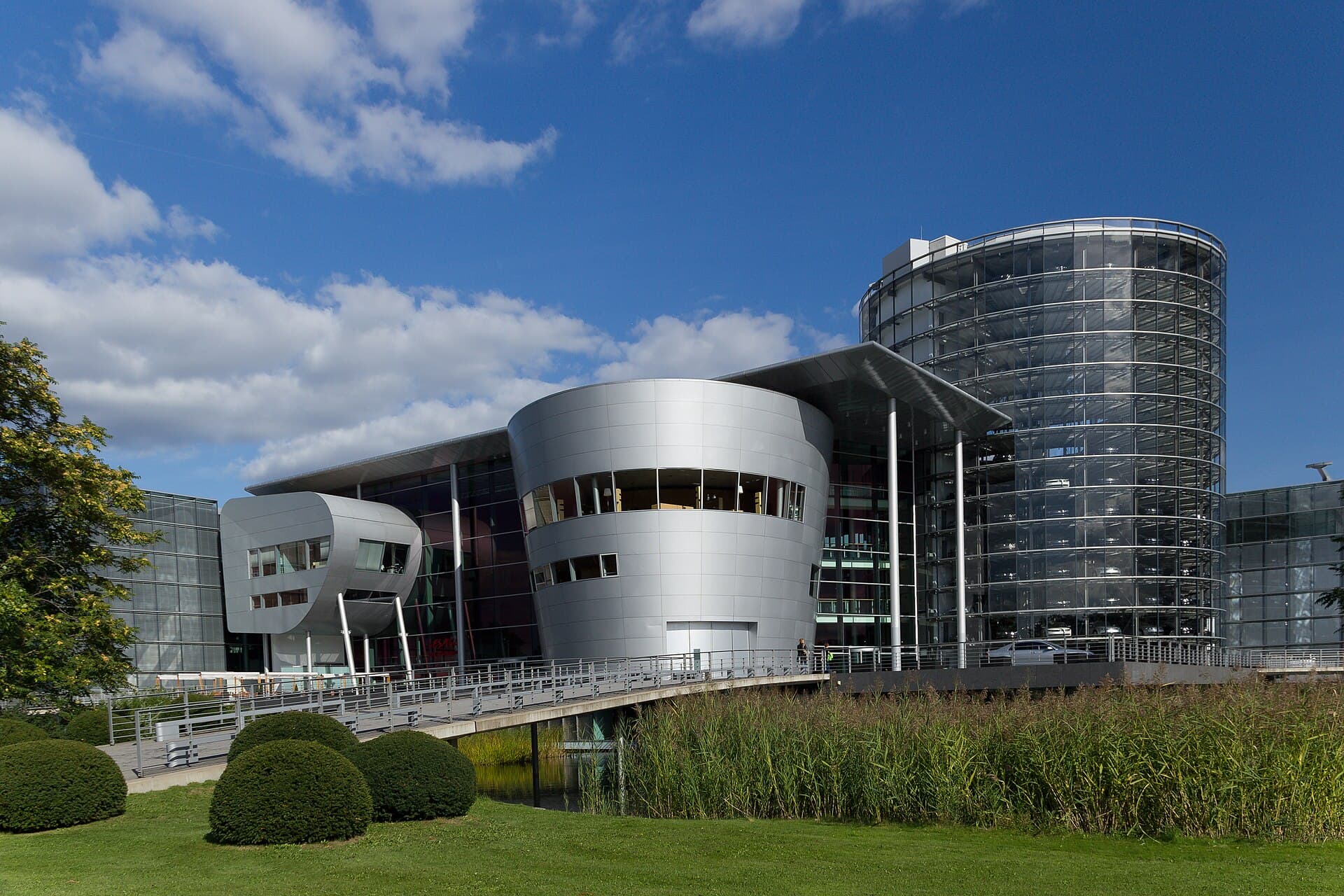 Transparent FactoryVolkswagen opened this plant in two thousand and one on an odd premise: build lu12 minutes walk4.4
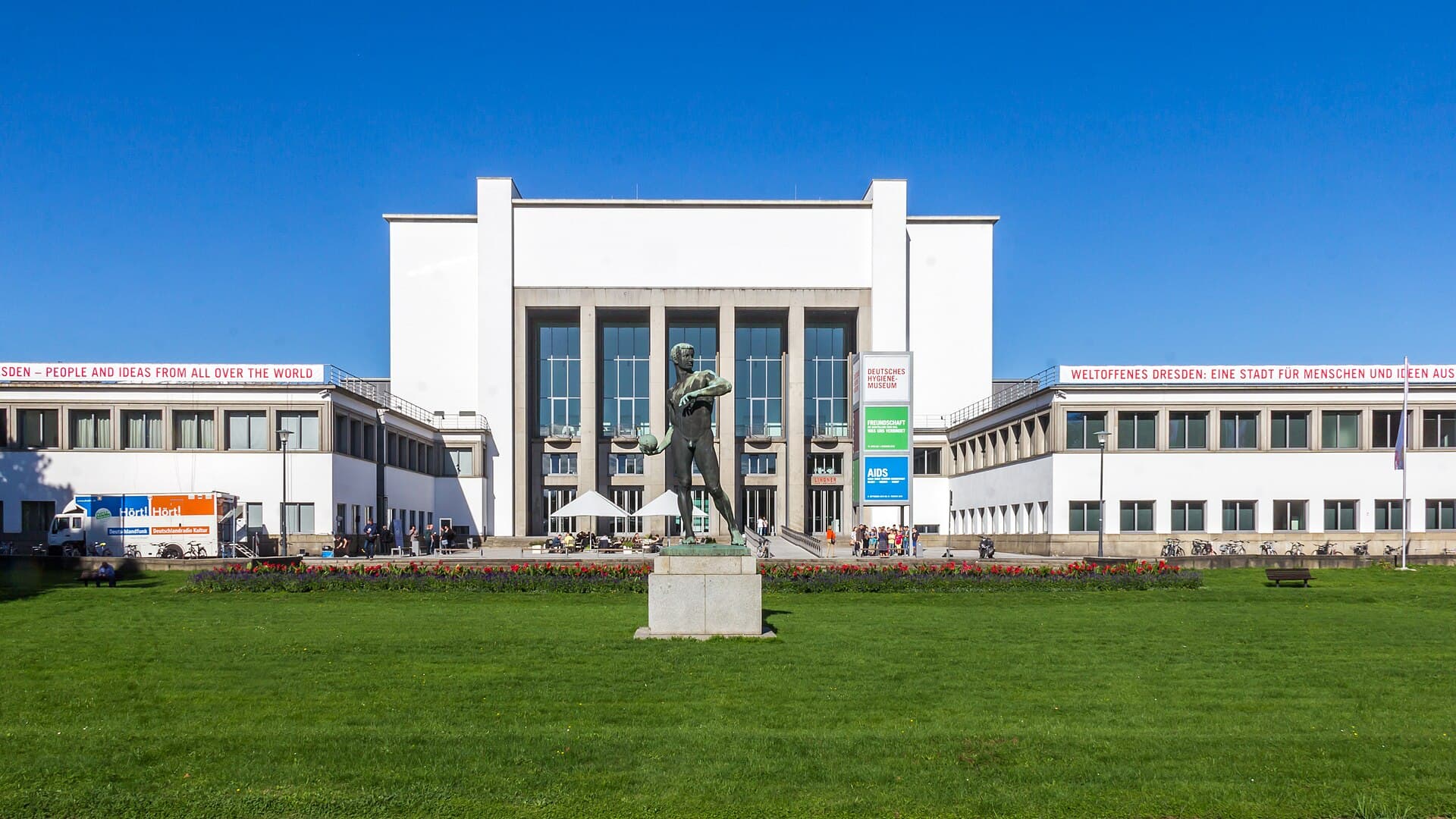 German Hygiene Museum (Museum of Humankind)Don't let the odd name mislead you — "Hygiene Museum" is a historic label from 117 minutes walk4.6
As an interlude, yes: after a dense old-town morning, an hour here — with the train if you have children — restores balance. Not a sight to cross a country for, but Dresden's best green pause.
On the northwest edge, Volkswagen's transparent plant assembles electric cars before visitors behind full glass — its tours are bookable and beloved of car people, a short walk from the park.
April to October it is fully alive: railway running, summer stages, boats. In winter it becomes a calm bare-tree walk — fine, but without its pleasures.