
What you will see up there
Anyone planning to walk in the Tyrol meets the trail plants here first.
Luftschiffhafen — CC BY-SA 4.0 · Burkhard Mücke — CC BY-SA 4.0 · Burkhard Mücke — CC BY-SA 4.0 · Luftschiffhafen — CC BY-SA 4.0
A botanical garden belonging to the University of Innsbruck in the Hötting district west of the centre, whose specialism is what sets it apart from other botanical gardens: alpine plants. That makes sense in a city ringed by mountains. The alpine section shows species that grow at altitude in hard conditions — thin soil, wind, snow and a short growing season — arranged by mountain region. Anyone planning to walk in the Tyrolean mountains will recognise here what they will see up there. Alongside it are tropical glasshouses, a medicinal plant section and areas arranged by botanical system. The area is manageable and the paths clear, and the visit runs under ninety minutes. The garden is a research and teaching institution first, so the presentation is scientific rather than ornamental: labels carry Latin names and native regions. Entry is normally free, and the sloping site gives views over the city.
Anyone planning to walk in the Tyrol meets the trail plants here first.
Labels with Latin names and native regions — a research institution first.
The sloping site in Hötting gives a view of Innsbruck.
Sternwartestraße, Hötting district, Innsbruck
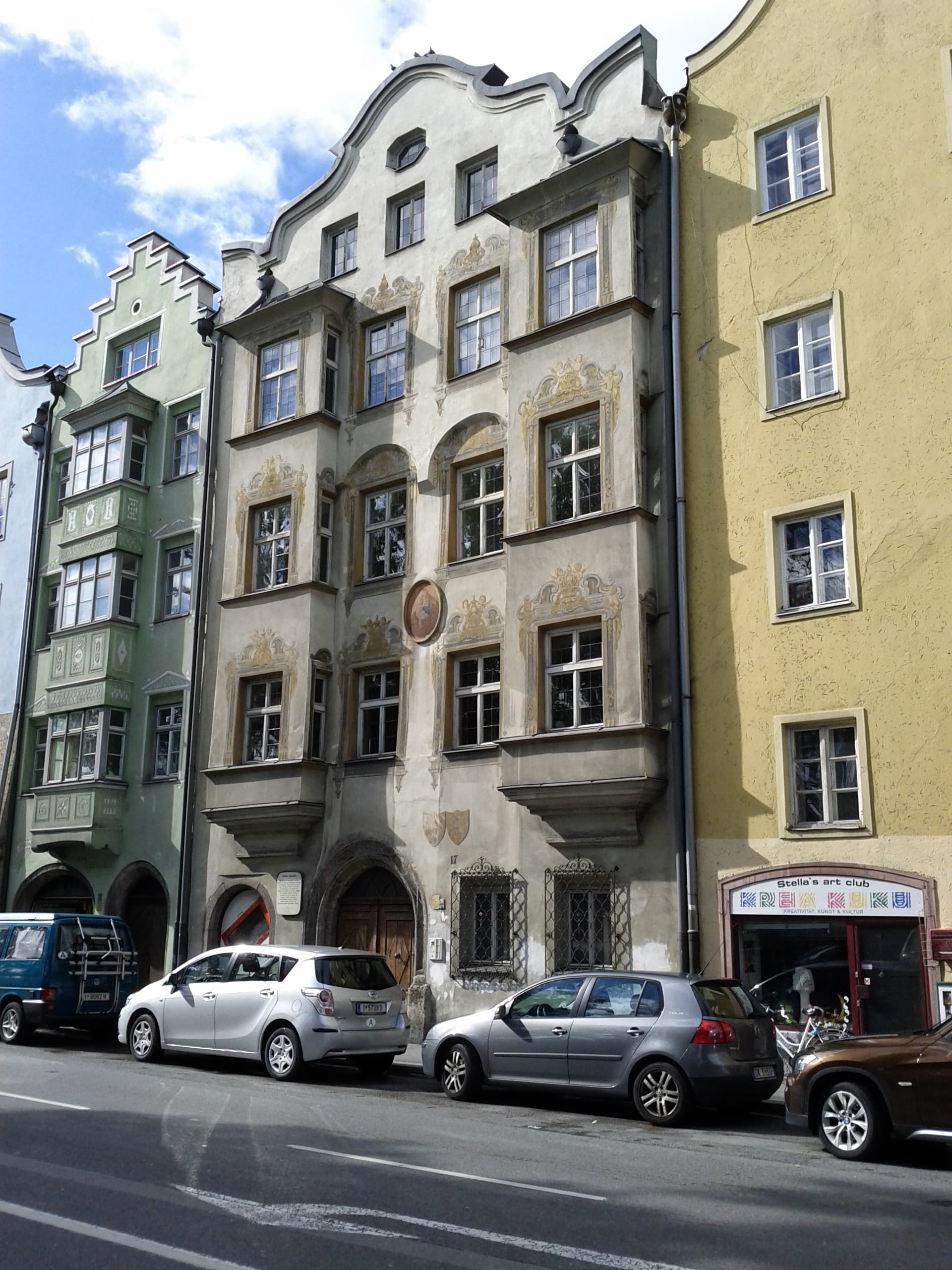 Ansitz RainfelsA small noble seat — an Ansitz in Tyrolean usage — on the north bank of the rive11 minutes walk3.8
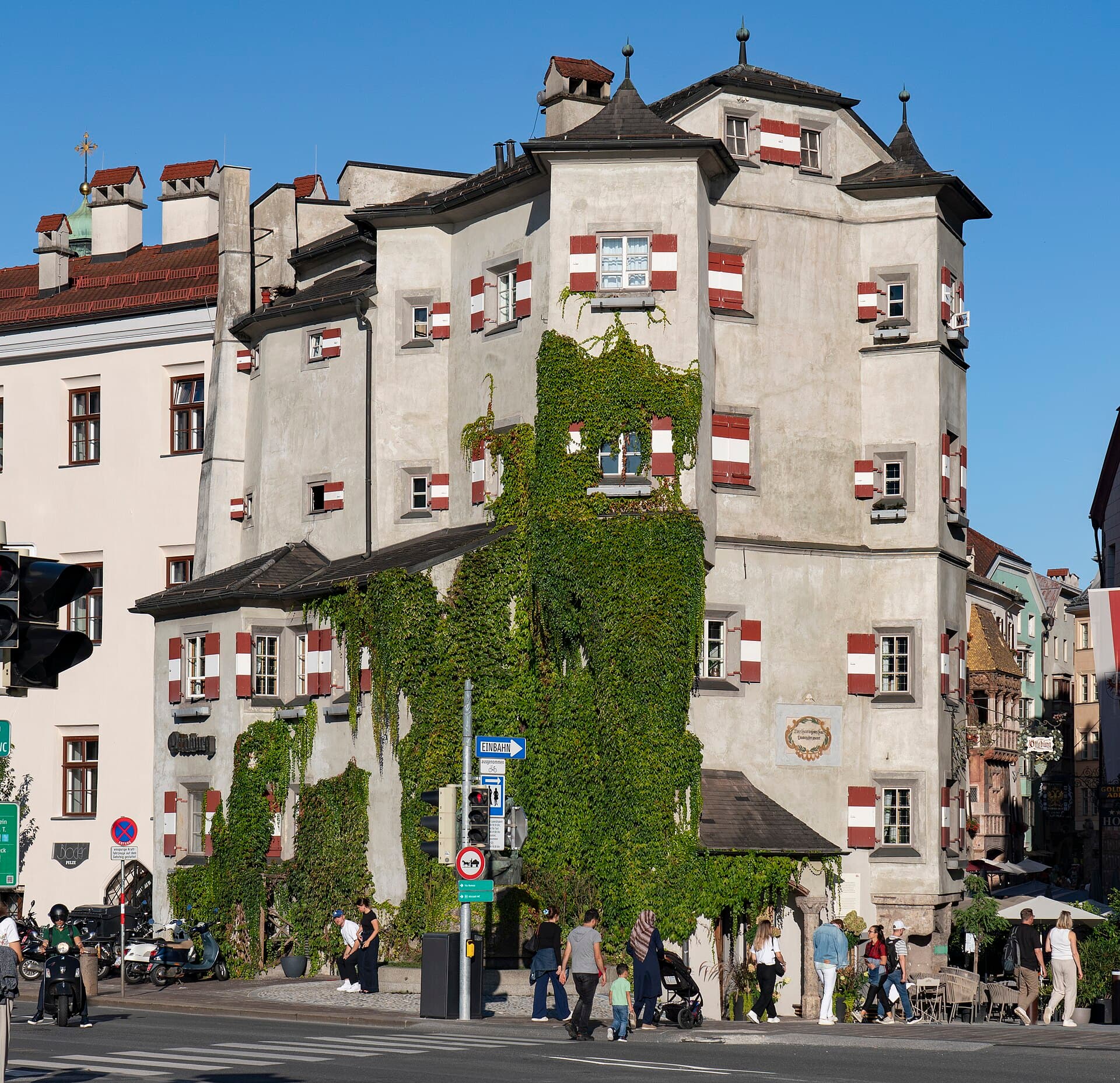 OttoburgA medieval residential tower on the bank of the Inn at the edge of Innsbruck's o12 minutes walk4.0
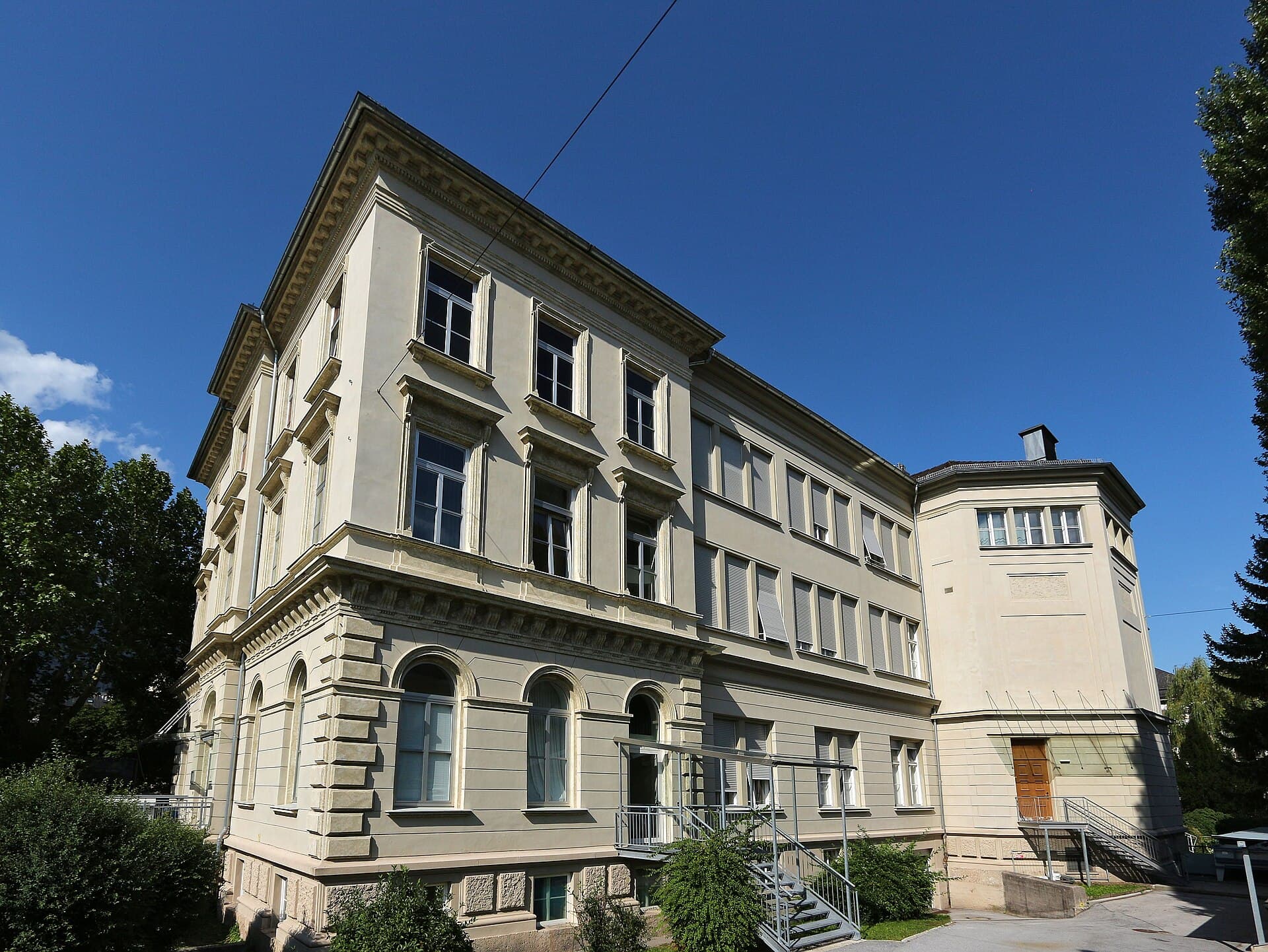 Anatomical Museum, InnsbruckAn anatomical collection belonging to the Medical University of Innsbruck, holdi12 minutes walk4.2
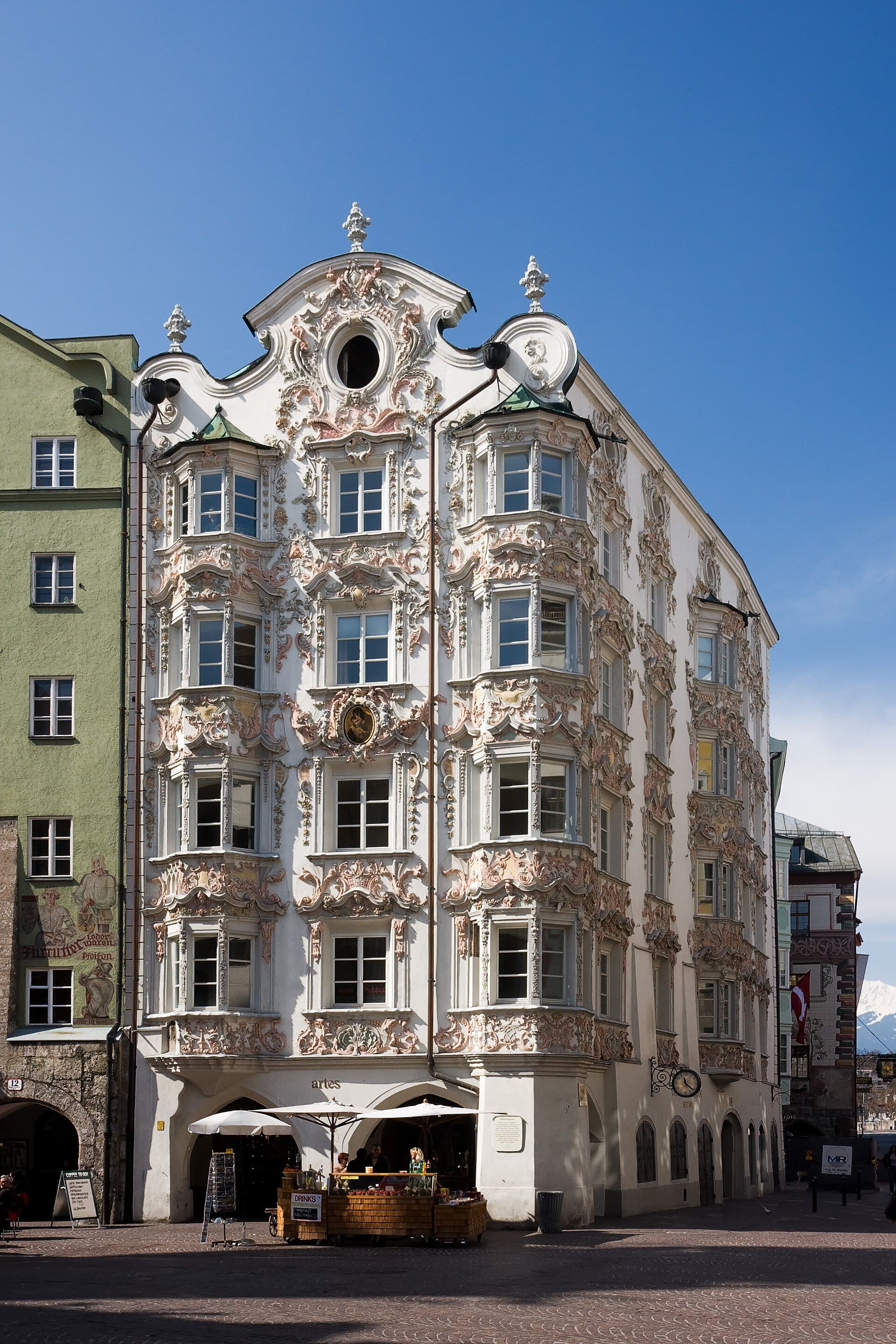 The HelblinghausThe Helblinghaus stands directly opposite the Golden Roof in the heart of the ol12 minutes walk4.7
Between May and September. The alpine sections depend on flowering, and outside the season you see rocks and leaves and little else. June and July are the peak for high-altitude flowering, which is exactly what you come for.
On two days in Innsbruck the Nordkette, the Golden Roof, the Hofburg and Ambras Castle clearly come first. The garden suits a third day, or an interest in plants, or someone planning mountain walking who wants to understand what they will see.