
The circular canvas
112 surrounding metres — 1881's cinema without a screen.
Leiju — CC BY 3.0 · MHM55 — CC BY-SA 4.0 · MHM55 — CC BY-SA 4.0 · MHM55 — CC BY-SA 4.0
Before cinema, the panorama was the age's magic: giant circular paintings surrounding the viewer inside the event — and of Europe's hundreds a handful survive, the completest here: Édouard Castres' circular canvas of 1881, ten metres by a hundred and twelve, in the Löwenplatz rotunda. The scene told is a great Swiss one: in the winter of 1871 France's collapsed Army of the East — 87,000 soldiers under General Bourbaki — crossed the border seeking refuge, and little Switzerland disarmed, fed and billeted them across its villages: the first humanitarian operation at such scale, and the practical birth of Switzerland-as-haven — the infant Red Cross at the scene's heart. The canvas with its three-dimensional depth (a modelled floor melting into paint) and its soundscape carries the story — a human-history lesson in three quarters of an hour that surprises everyone expecting 'an old painting'.
112 surrounding metres — 1881's cinema without a screen.
87,000 armed refugees received by little Switzerland — neutrality made flesh.
Real props dissolving into paint — the original depth illusion.
Löwenplatz 11, 6004 Lucerne
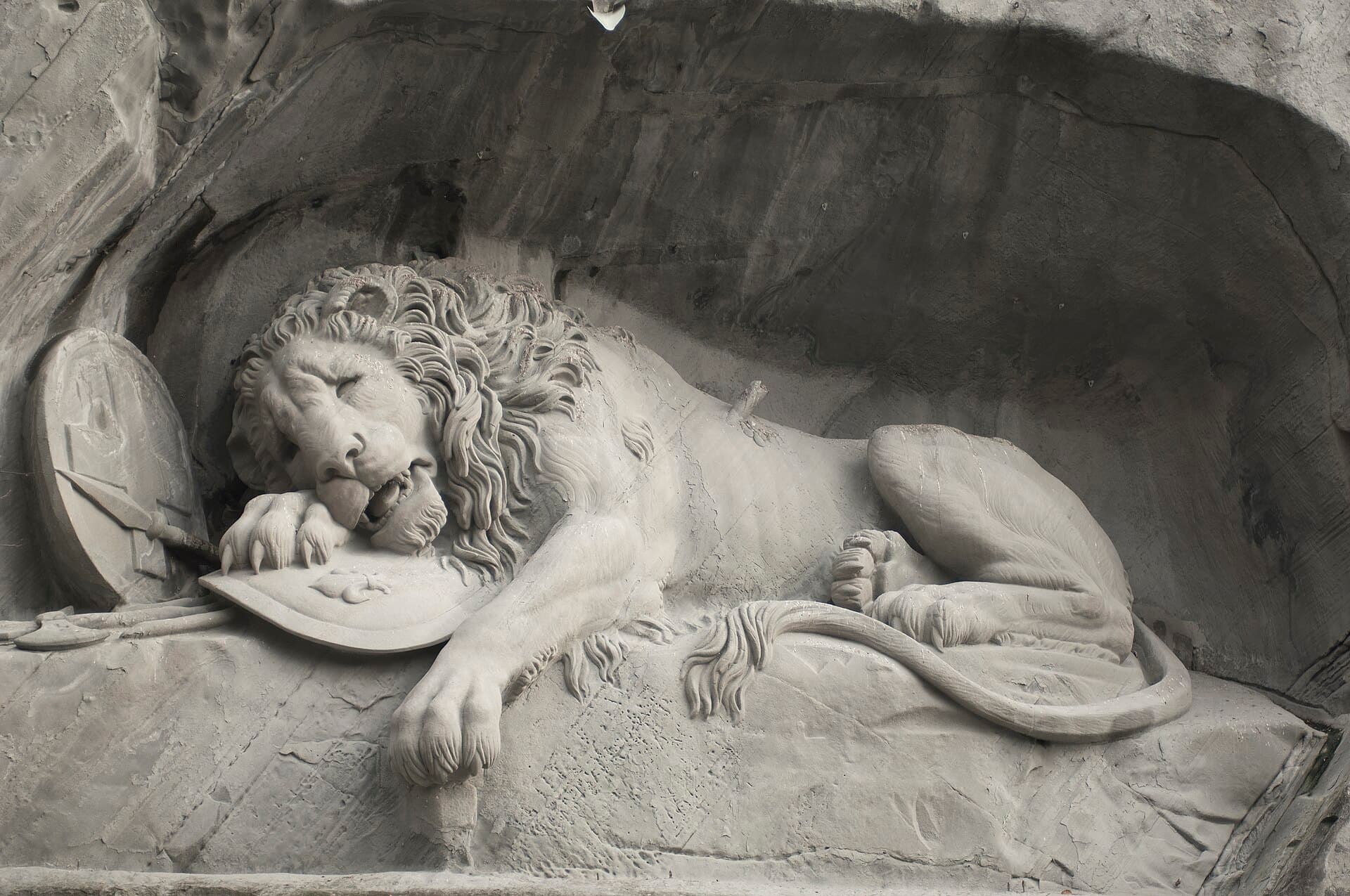 The Lion MonumentIn a sandstone cliff above a still pool a lion dies: Lucerne's monument, carved 2 minutes walk4.6
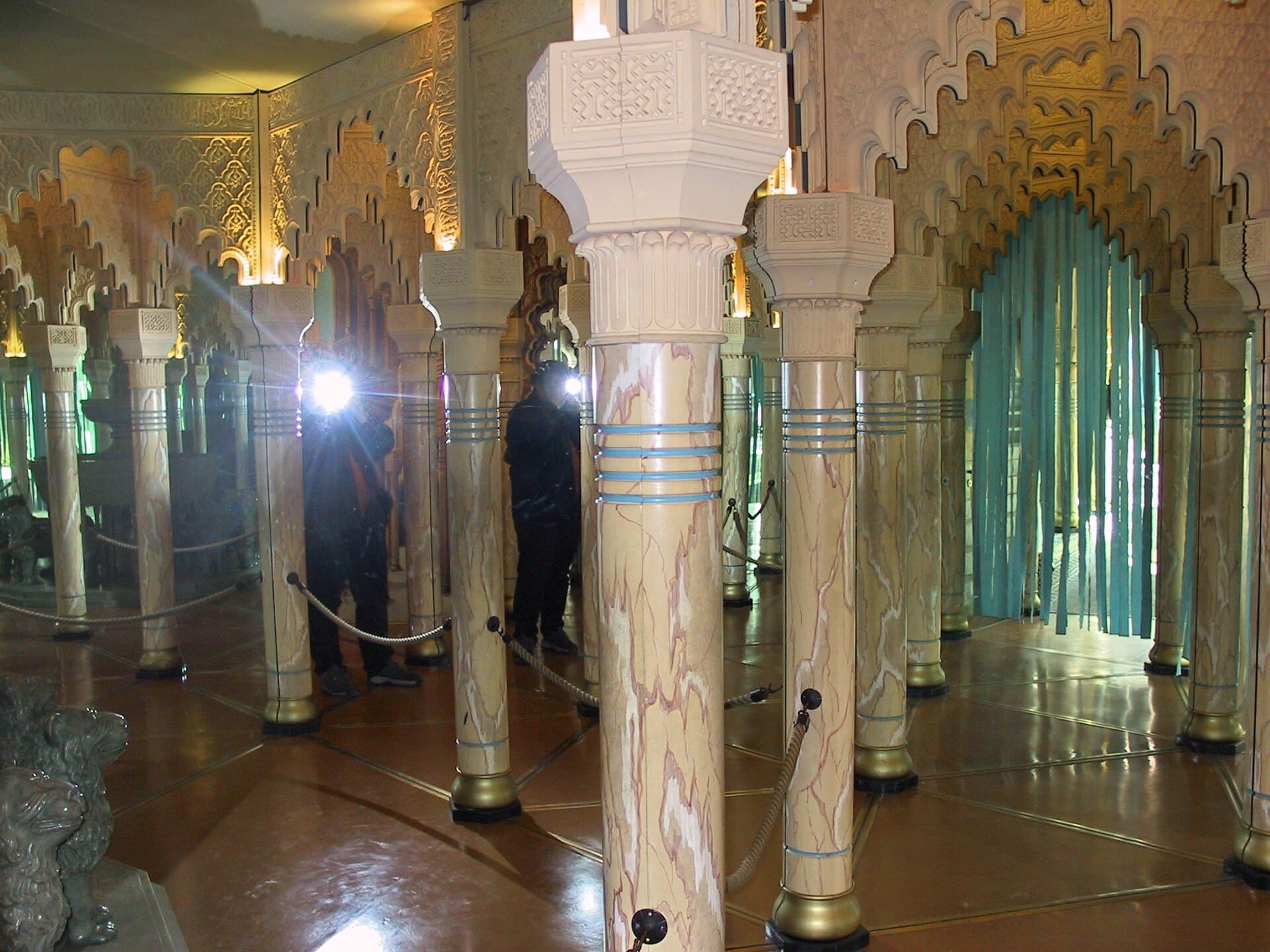 Glacier GardenIn November 1872 a man in Lucerne was digging on his land to build a wine cellar3 minutes walk4.3
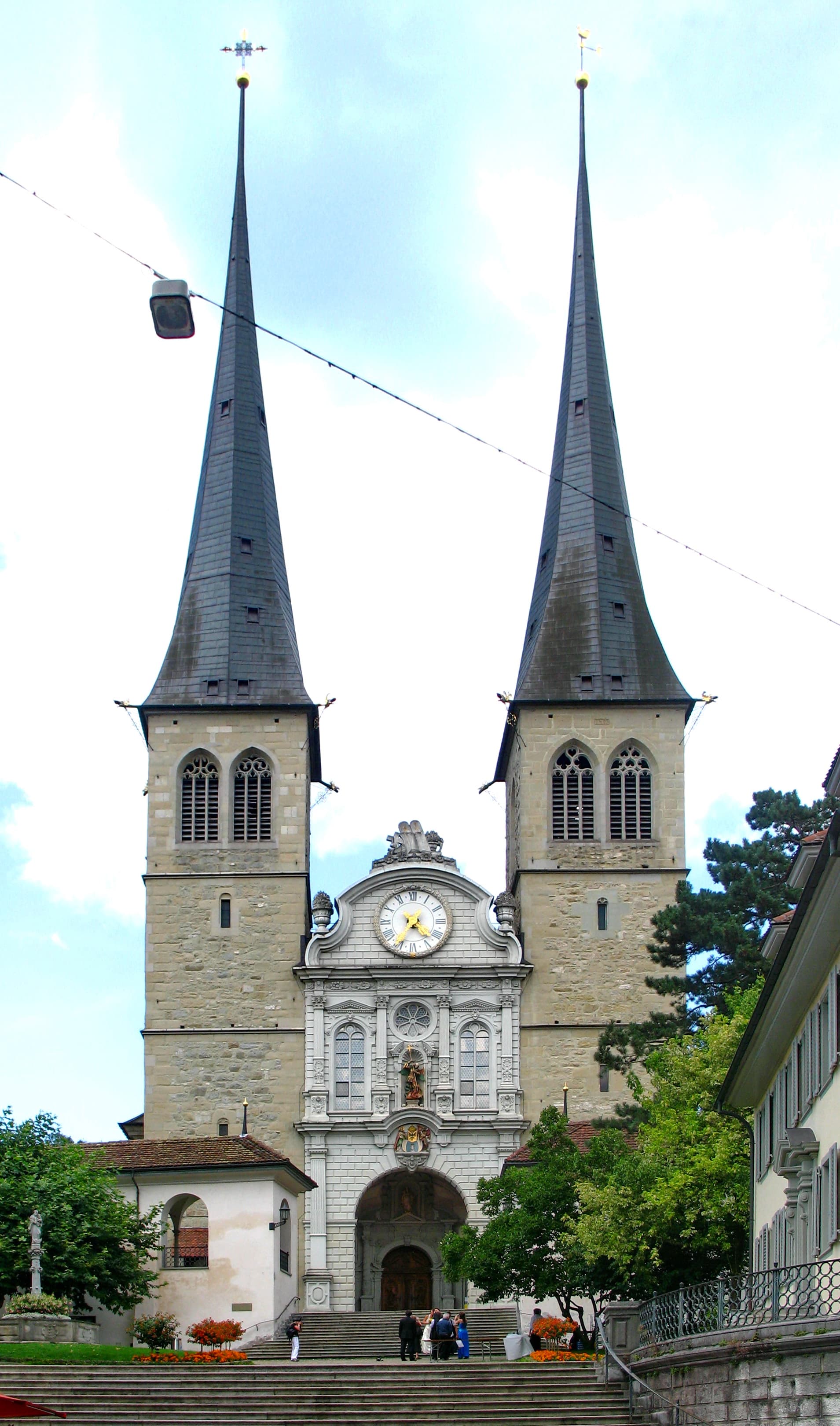 Hofkirche (Church of St. Leodegar)The two pointed towers in every photograph of Lucerne after the Chapel Bridge be3 minutes walk4.7
 Musegg Wall & TowersAbove the old town runs Lucerne's medieval wall nearly whole — 870 metres of 1408 minutes walk4.5
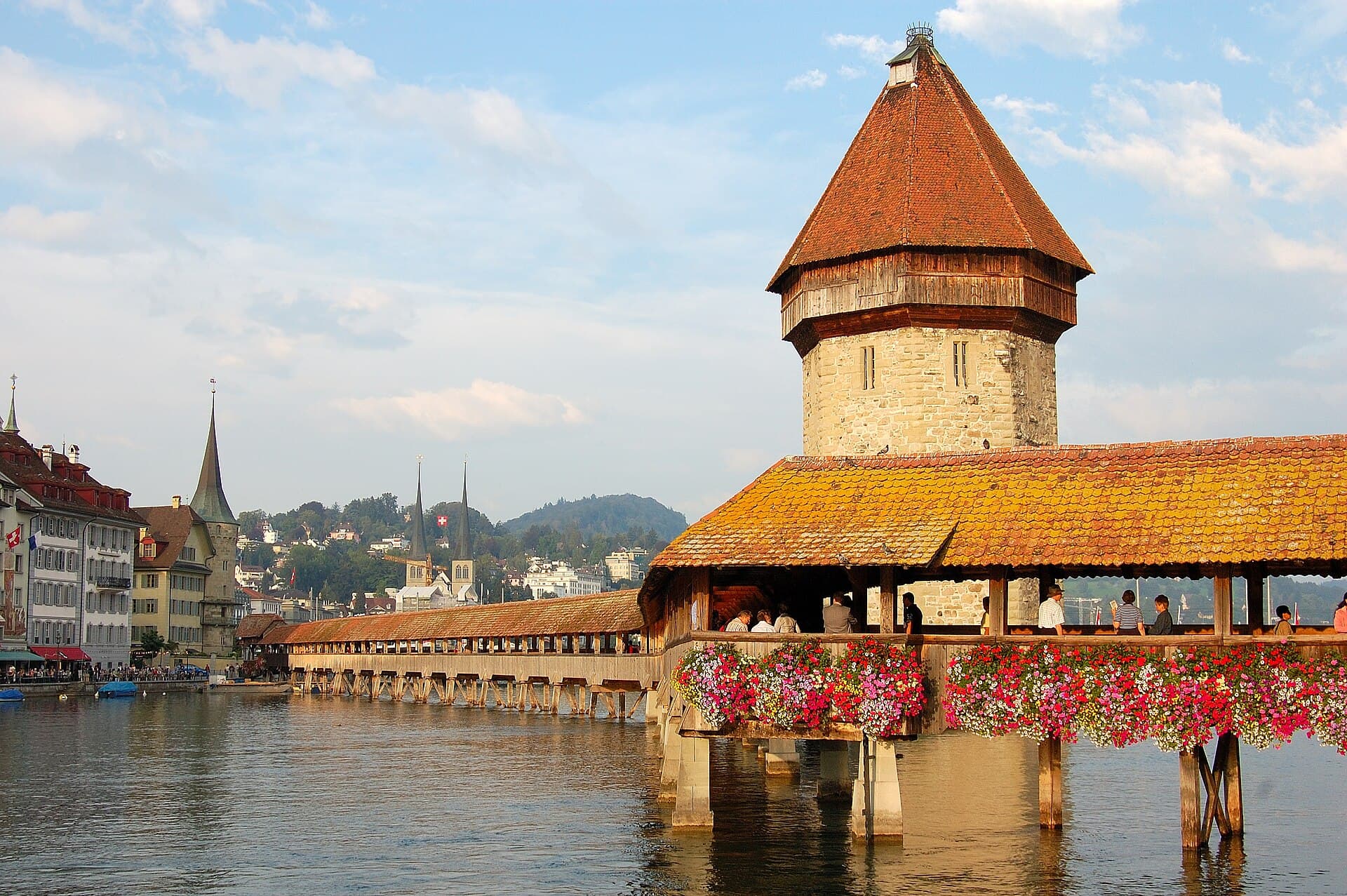 Chapel Bridge (Kapellbrücke)Europe's oldest covered wooden bridge and very nearly its most photographed stru8 minutes walk4.6
The nineteenth century's biggest entertainment: purpose-built rotundas touring battle and city canvases between capitals, crowds paying to stand 'inside' the event — then cinema killed it within a decade, rotundas demolished, canvases burnt. Under thirty survive worldwide; this among the noblest in subject and best in keeping.
Because it paints their moral founding: a small neutral nation proving neutrality an act — disarming and housing an entire army in villages and homes — not a hiding. And the Red Cross (Geneva, 1863) worked its first great field here. Castres himself served the scene as volunteer nurse, then painted it — a witness painting his testimony.
The trio adjoins: Lion for silence, Panorama for story, Glacier Garden and maze for play — history, tear and laugh in two hundred metres, ordered to your mood and the sky's rain.